I needed a professional consultation explanation of procedure for safe removal of Asbestos in my apartment complex. Without having an account yet, I was very impressed with the caring, knowledgeable and generous advice offered by Jessica, and will look forward to doing business in the future. Thank you so much! I feel much more informed about a sometimes scary endeavor. Peace. Nancy Silva Mineola, NY.
Mia Munoz
Used this company to clean up some water flood in my house. They were fast and easy to work with.very professional, Would recommend to anyone!
Nini Valle
Great company, had a flood and they responded quickly and efficiently. Billed my insurance company directly. I highly recommend this company!
joe colapietro, jr
I had pipe freeze in my basement right before a snow storm and they made to within an hour to help start the clean up process. They we by our side throughout the entire process and even helped with the insurance company. They did such a great job with the cleanup, repair, remidiation, I contracted them to perform the repairs and finishes in the basement. They came with enough manpower and material to get the job done. Leo and Jessica were nothing but a pleasure to deal with!!
Cristian Arredondo c
I had some water damage in my home and Green Island was able to take care of my issue quickly and effectively. I am very pleased with the work they did. They responded quickly and were very professional.
Michael M
Outstanding service! From the office to the field crew everyone was friendly, helpful and responsive. I highly recommend Green Island Group.
You’re not just getting your property dried out. You’re getting your life back.
Within hours of our arrival, standing water disappears. Your basement stops feeling like a swamp. The musty smell that makes you worry about your family’s health starts to fade.
Most importantly, you stop losing sleep over whether this disaster will bankrupt you or make your home unlivable. We handle the insurance paperwork, use proven methods to prevent mold growth, and restore your space so thoroughly you’ll forget this nightmare ever happened.
We’ve been handling flood emergencies in Kew Gardens since day one. We know how quickly water travels through these older Queens homes. We understand the unique challenges of basements near Flushing Meadows-Corona Park and the groundwater issues that plague this area.
When your neighbor’s pipe bursts at 2 AM, when heavy rains overwhelm the storm drains on Union Turnpike, when your sump pump fails during the worst possible moment – we’re the team that shows up fast and gets it right the first time.
Our IICRC-certified technicians live and work in Queens. We’re not some franchise operation learning your neighborhood on the fly.
First, we assess exactly what you’re dealing with. Not just the obvious water you can see, but hidden moisture that causes problems months later. We create a specific plan for your situation – whether it’s a burst pipe, basement flood, or storm damage.
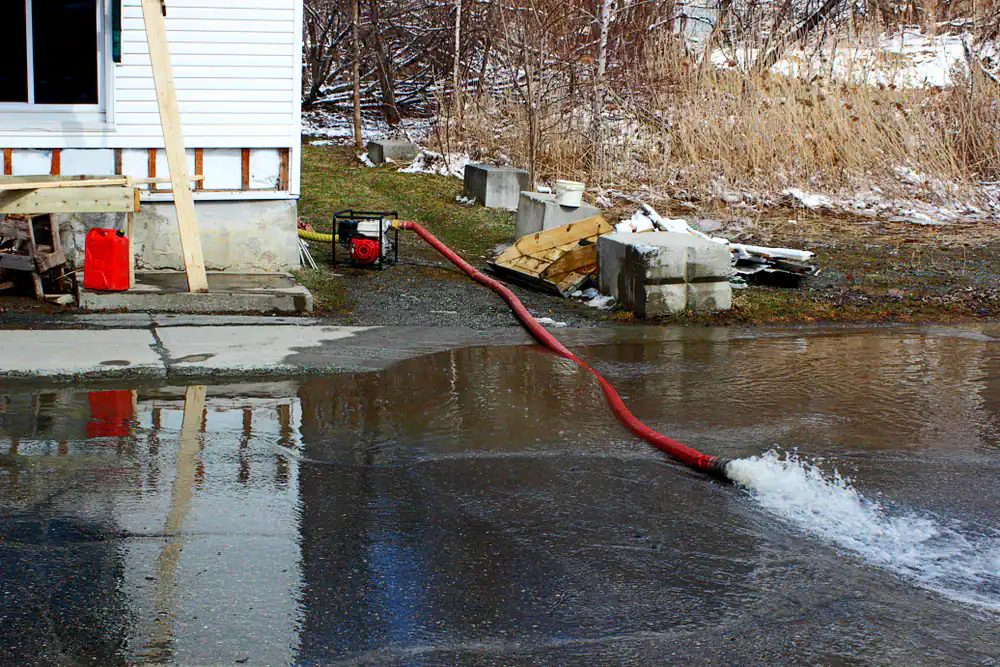
Next comes water extraction using industrial-grade pumps and vacuums. We remove every drop of standing water, then use advanced moisture detection equipment to find water hiding in walls, under flooring, and in other spaces you’d never think to check.
Finally, we dry and dehumidify everything completely. This isn’t just pointing fans at wet areas. We use commercial dehumidifiers, air movers, and monitoring equipment to ensure moisture levels return to normal and stay there. The goal is preventing mold growth and structural damage that could cost you thousands later.
Your flood restoration includes complete water extraction, structural drying, humidity control, and mold prevention. We document everything for your insurance company and provide direct billing when possible.
In Kew Gardens, we see specific patterns. Basement floods from aging sewer lines. Water damage from pipes that can’t handle our freeze-thaw cycles. Storm water that overwhelms drainage systems built decades ago. Each situation requires different equipment and techniques.
You get 24/7 emergency response, typically within an hour. Our trucks arrive fully stocked with extraction equipment, commercial-grade drying tools, and moisture detection technology that most companies don’t have access to. We handle everything from initial water removal through final restoration, so you’re not coordinating multiple contractors while dealing with an emergency.
How quickly can you respond to flood damage in Kew Gardens?
We provide 24/7 emergency response and typically arrive within one hour of your call. Time is critical with flood damage – mold can begin growing within 24-48 hours, and water continues causing structural damage every minute it remains.
Our rapid response isn’t just about speed. We arrive with fully equipped trucks containing industrial water extraction equipment, commercial dehumidifiers, and moisture detection tools. This means we start the actual restoration process immediately, not just an assessment that delays real work until tomorrow.
What types of flood damage do you handle in Kew Gardens?
We handle all types of water and flood damage common in Kew Gardens – basement flooding from heavy rains, burst pipes, sewer backups, appliance leaks, and storm damage. Each requires different approaches and equipment.
Basement floods are particularly common here due to our area’s groundwater issues and aging drainage systems. We have specialized equipment for sewage cleanup, which unfortunately occurs frequently when storm drains back up. Our team is trained in safe removal procedures and uses appropriate protective equipment for contaminated water situations.
Do you work directly with insurance companies for flood restoration?
Yes, we handle insurance paperwork and provide direct billing when your policy allows it. We document everything thoroughly with photos and detailed reports that insurance companies require for claims processing.
Our experience with insurance claims means we know exactly what documentation they need and how to present damage assessments in ways that support your claim. This removes a major source of stress during an already difficult situation and often results in faster claim approval and payment.
How do you prevent mold growth after flood damage?
Mold prevention starts with immediate, thorough water removal and proper drying techniques. We use industrial dehumidifiers, air movers, and moisture meters to ensure all materials reach appropriate dryness levels.
The key is finding hidden moisture that causes problems later. We use thermal imaging and moisture detection equipment to locate water in wall cavities, under flooring, and in other areas that appear dry on the surface. Everything must be completely dried within 24-48 hours to prevent mold growth, which is why immediate professional response is so important.
What should I do immediately after discovering flood damage?
First, ensure your safety. If water has reached electrical outlets or equipment, don’t enter the area. Turn off electricity to affected areas if you can do so safely from outside the flooded zone.
Stop the water source if possible – turn off the main water supply for burst pipes or plumbing leaks. Take photos for insurance documentation, but don’t delay calling professionals. Every hour you wait increases damage and restoration costs significantly.
How long does flood restoration typically take in Kew Gardens?
The timeline depends on the extent of damage, type of water involved, and materials affected. Minor water damage might be resolved in 3-5 days, while major flooding can take several weeks for complete restoration.
The drying process typically takes 3-7 days depending on humidity levels and the amount of water involved. We monitor moisture levels throughout the process and won’t consider the job complete until everything reaches appropriate dryness levels. Rushing this phase leads to mold problems and structural issues later.