I needed a professional consultation explanation of procedure for safe removal of Asbestos in my apartment complex. Without having an account yet, I was very impressed with the caring, knowledgeable and generous advice offered by Jessica, and will look forward to doing business in the future. Thank you so much! I feel much more informed about a sometimes scary endeavor. Peace. Nancy Silva Mineola, NY.
Mia Munoz
Used this company to clean up some water flood in my house. They were fast and easy to work with.very professional, Would recommend to anyone!
Nini Valle
Great company, had a flood and they responded quickly and efficiently. Billed my insurance company directly. I highly recommend this company!
joe colapietro, jr
I had pipe freeze in my basement right before a snow storm and they made to within an hour to help start the clean up process. They we by our side throughout the entire process and even helped with the insurance company. They did such a great job with the cleanup, repair, remidiation, I contracted them to perform the repairs and finishes in the basement. They came with enough manpower and material to get the job done. Leo and Jessica were nothing but a pleasure to deal with!!
Cristian Arredondo c
I had some water damage in my home and Green Island was able to take care of my issue quickly and effectively. I am very pleased with the work they did. They responded quickly and were very professional.
Michael M
Outstanding service! From the office to the field crew everyone was friendly, helpful and responsive. I highly recommend Green Island Group.
You’ll breathe easier knowing every trace of contamination is gone. No lingering odors, no hidden moisture that breeds mold, no health risks lurking in corners you can’t see.
Our systematic approach eliminates sewage completely—not just the visible mess. We extract all contaminated water, sanitize with EPA-approved disinfectants, and dry everything thoroughly so your family can return to a truly safe environment.
Most homeowners are surprised how quickly we restore normalcy. What feels like a disaster becomes a memory, handled by people who actually know what they’re doing.
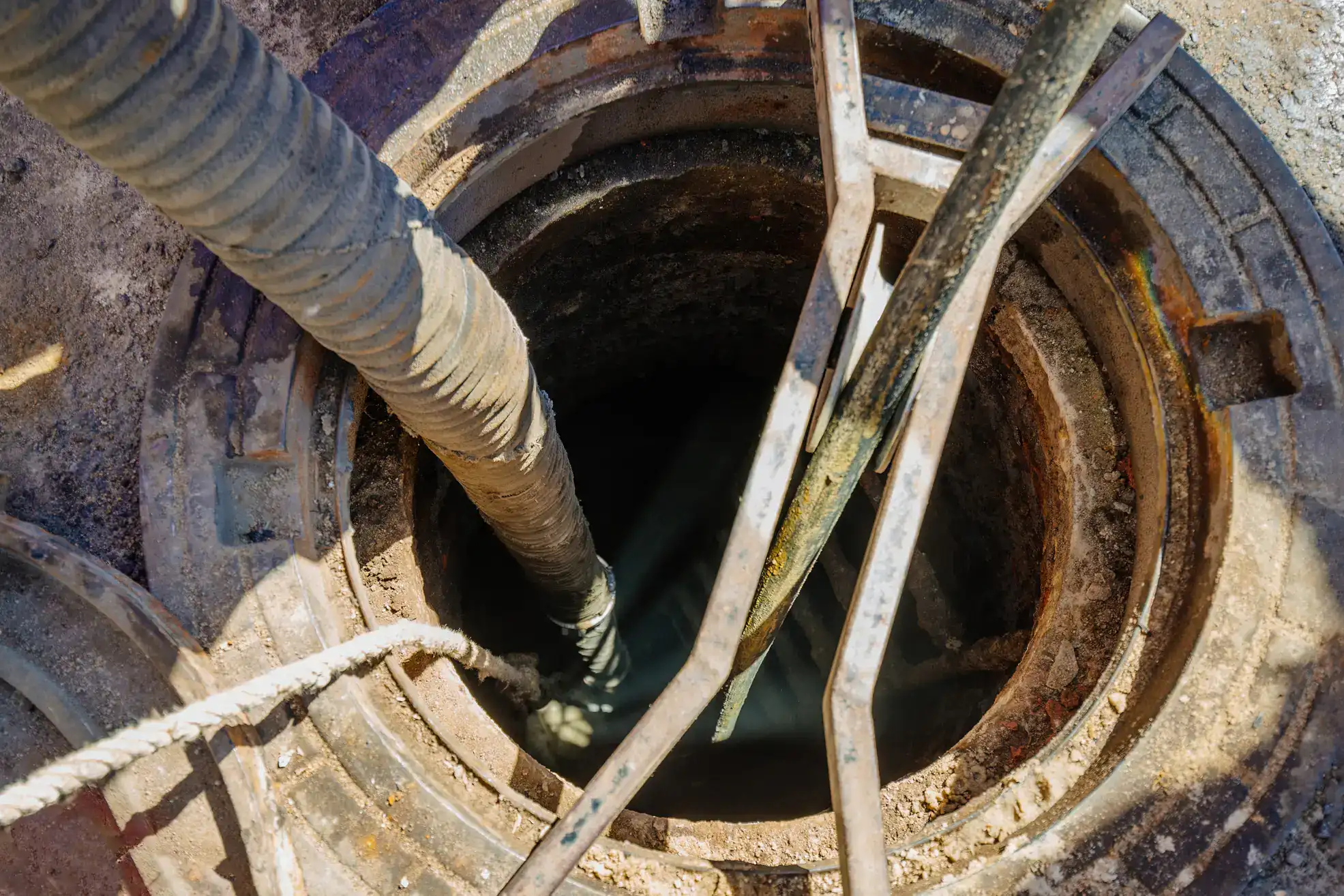
Green Island Group has been cleaning up sewage emergencies across Queens for years. We know Kew Gardens’ older sewer infrastructure—those concrete pipes installed decades ago that are reaching their limits.
When your neighbor’s basement flooded last month or the house down the street dealt with a backup, there’s a good chance we handled it. We’re the team property managers call, the company your insurance adjuster knows, the crew that shows up when others are “too busy.”
Leo and Jessica run our operations here, not some distant corporate office. We live in the community we serve.
First, we assess the contamination level and contain the affected area. No guessing—we determine exactly what we’re dealing with and protect the rest of your home.
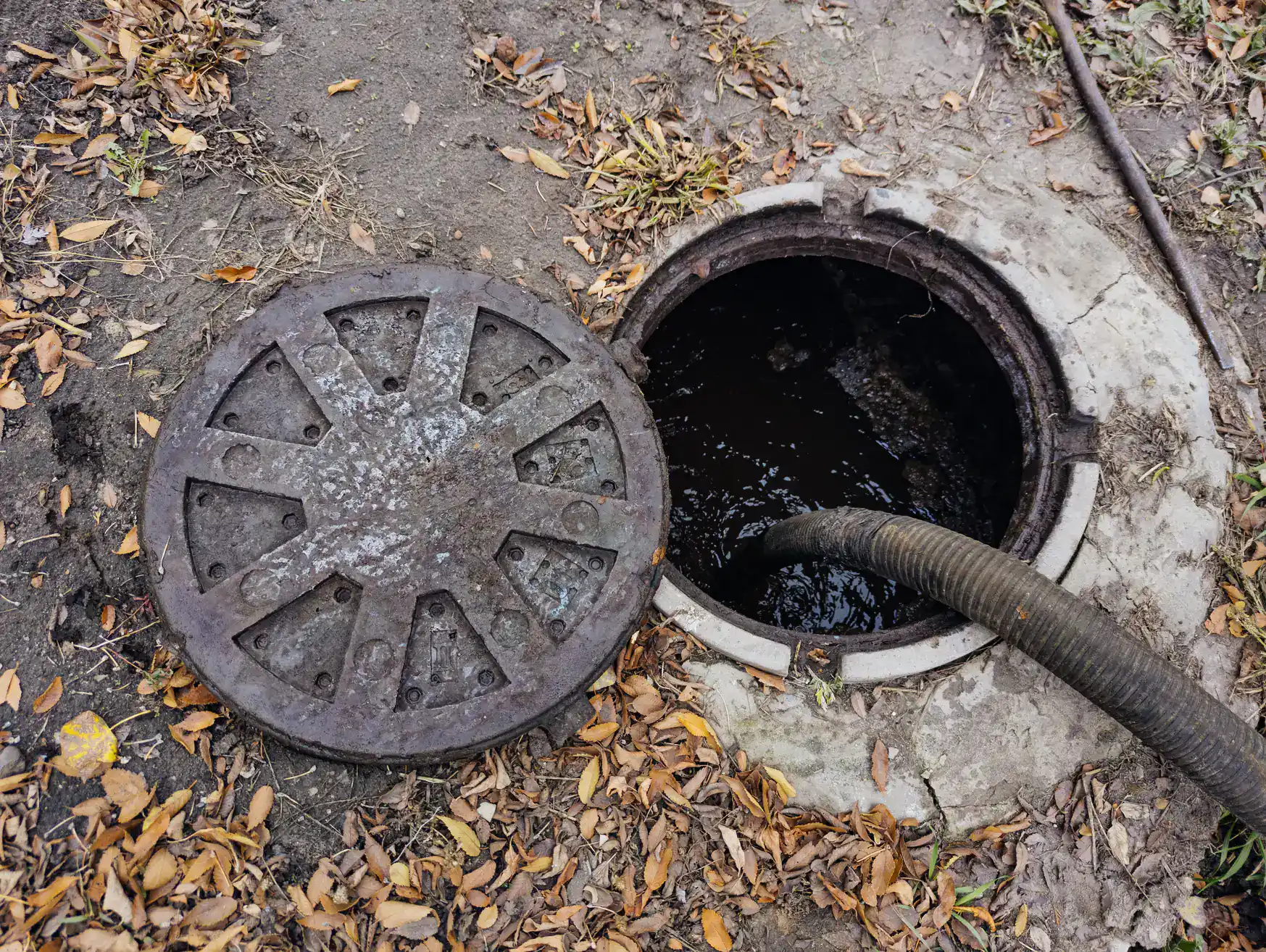
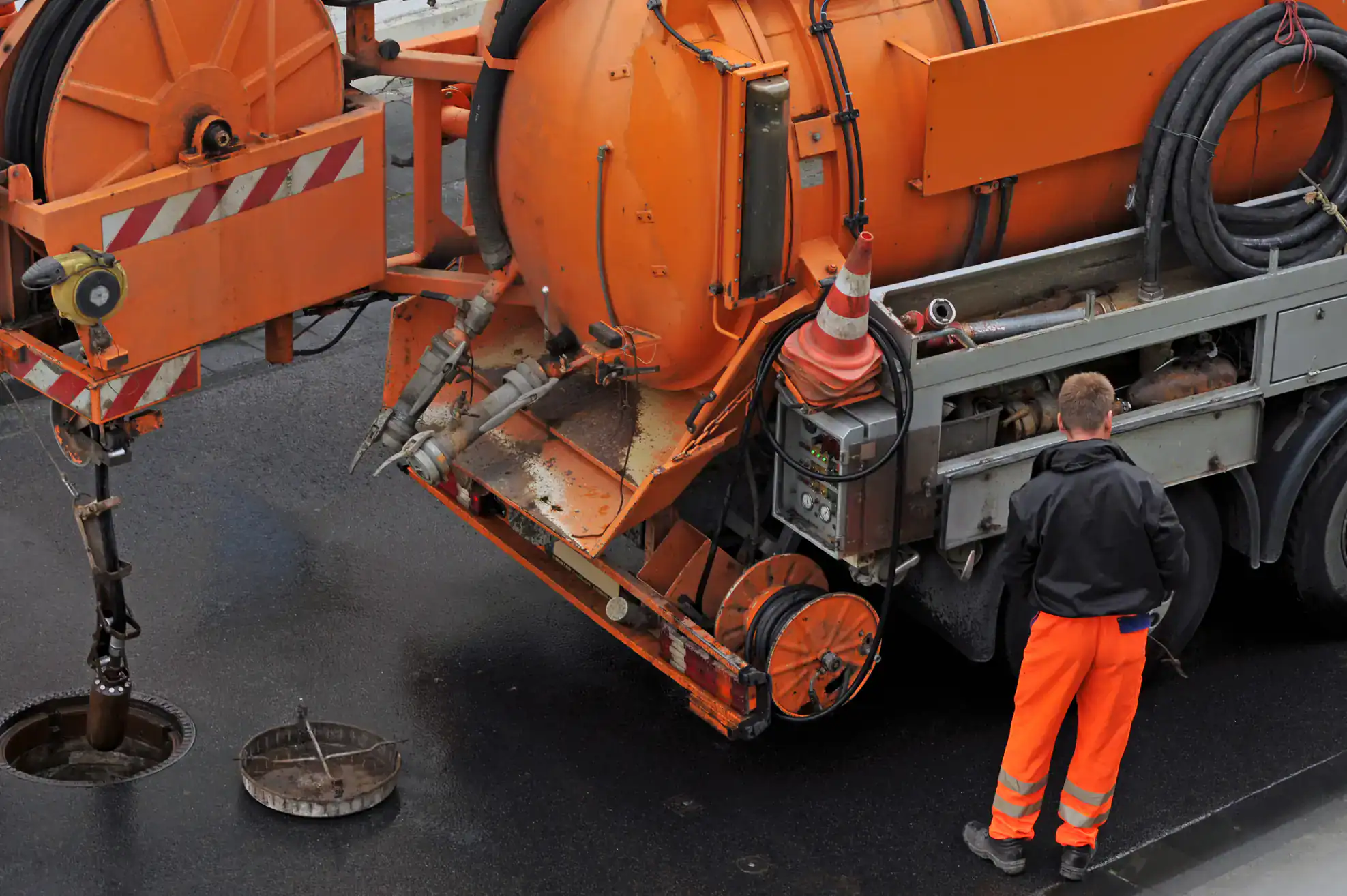
Next comes complete water extraction using commercial-grade equipment. We remove every drop of contaminated water, including what’s soaked into subflooring and hidden spaces you can’t reach.
Then we sanitize everything with EPA-approved disinfectants that eliminate bacteria, viruses, and pathogens. This isn’t surface cleaning—we treat every contaminated surface to eliminate health risks.
Finally, we dry and dehumidify the entire area using industrial equipment. Moisture left behind creates mold problems later, so we monitor humidity levels until everything returns to normal.
Every sewage cleanup includes water extraction, structural drying, complete sanitization, and deodorization. We don’t cut corners or charge extra for “add-ons” that should be standard.
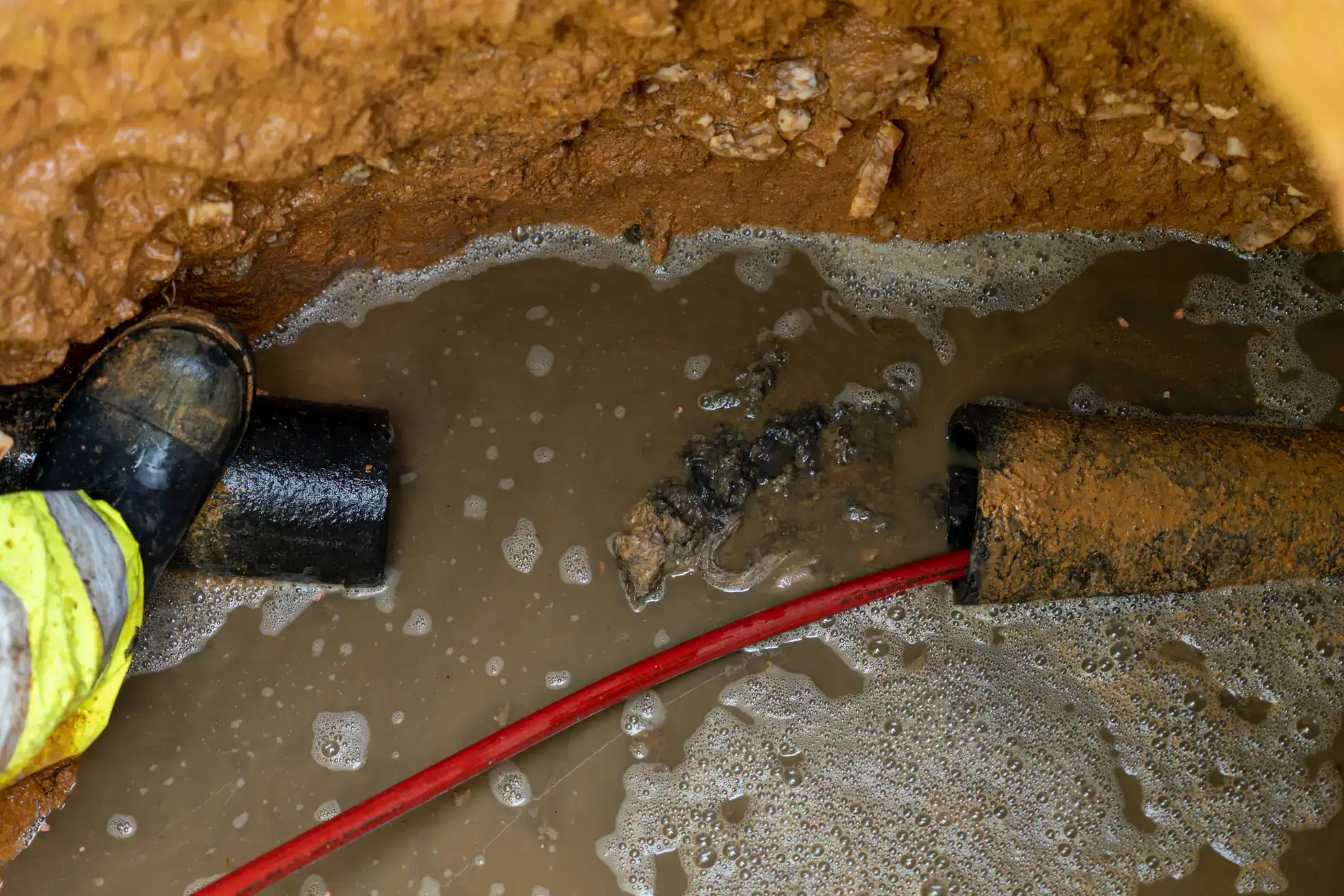
In Kew Gardens, we see sewage backups caused by aging infrastructure, tree root intrusion, and the improper disposal of grease and wipes that block main lines. These aren’t rare events—they’re predictable problems in a neighborhood where many sewer lines are 60+ years old.
We handle insurance paperwork directly with your carrier, document everything for your claim, and work within your coverage limits. Most homeowners are surprised how smoothly the process goes when someone actually knows how to work with insurance companies.
You’ll also get our direct contact information. When you call six months later with a question, you’ll reach the same people who cleaned your home.
How quickly can you respond to a sewage backup emergency in Kew Gardens?
We typically arrive within one hour for emergency calls in Kew Gardens. Our team is local, not dispatched from some distant location, so we can respond quickly when sewage is actively backing up into your home.
Time matters with sewage cleanup. Every hour contaminated water sits in your home increases health risks and property damage. We keep emergency equipment ready and maintain staff availability 24/7, including weekends and holidays.
If you’re dealing with an active backup, call us immediately at 631-256-5711. We’ll walk you through immediate safety steps while our crew heads to your location.
What's the difference between sewage cleanup and regular water damage restoration?
Sewage cleanup requires specialized protocols because you’re dealing with category 3 water—the most contaminated type that contains harmful bacteria, viruses, and pathogens. Regular water damage might involve clean water from a broken pipe, but sewage brings serious health risks.
We use EPA-approved disinfectants specifically designed to eliminate sewage-borne contaminants. Our equipment includes air scrubbers and containment barriers to prevent contamination from spreading to clean areas of your home.
The drying process is also more intensive. We monitor humidity levels continuously and use antimicrobial treatments to prevent mold growth, which thrives in the organic matter found in sewage. Standard water cleanup doesn’t address these contamination concerns.
Will my homeowners insurance cover professional sewage cleanup in Kew Gardens?
Most homeowners policies cover sewage cleanup when it results from a covered peril, like a burst pipe or sump pump failure. However, coverage can be tricky depending on the source of the backup and your specific policy language.
We work directly with insurance companies and understand their requirements for documentation and billing. We’ll photograph all damage, provide detailed scope sheets, and submit claims using industry-standard software that adjusters recognize.
Many of our Kew Gardens clients are surprised to learn their insurance covers more than they expected. We’ll review your policy details and help you understand what’s covered before starting work, so there are no surprises later.
How do you prevent mold growth after sewage cleanup?
Mold prevention starts with complete moisture removal—not just surface drying. We use industrial dehumidifiers and air movers to extract moisture from subflooring, wall cavities, and other hidden spaces where mold typically develops.
Our antimicrobial treatments eliminate mold spores and create an environment that discourages future growth. We also monitor humidity levels with digital meters until everything returns to normal moisture content, typically 48-72 hours.
The key is acting fast. Mold can begin growing within 24-48 hours in sewage-contaminated areas because of the organic matter present. That’s why we respond immediately and maintain equipment on-site until the drying process is complete, not just until the visible water disappears.
What should I do immediately after discovering sewage backup in my Kew Gardens home?
First, avoid contact with the contaminated water. Don’t walk through it, and keep children and pets away from the affected area. If you must enter, wear protective gear like rubber boots and gloves.
Turn off electricity to the affected area if you can do so safely from outside the contaminated zone. Don’t use regular household fans or equipment in sewage-contaminated areas—they can spread airborne contaminants throughout your home.
Call us immediately at 631-256-5711, even if it’s the middle of the night. We’ll provide specific guidance based on your situation and dispatch our emergency crew. Don’t wait until morning—sewage contamination gets worse with time, not better.
Why do sewage backups happen so frequently in older Kew Gardens neighborhoods?
Many sewer lines in Kew Gardens were installed 60+ years ago using concrete pipes that have reached their maximum lifespan. As these pipes age, they develop cracks and separations that allow tree roots to infiltrate and create blockages.
Ground movement from freeze-thaw cycles causes these older systems to shift and leak at fittings. Tree roots are attracted to the moisture and grow into the pipes, eventually creating complete blockages that force sewage back into homes.
The problem is compounded by residents disposing of grease, wipes, and other items down drains—materials these aging systems can’t handle effectively. NYC reports that improper disposal is the most common cause of sewer backups citywide, and the issue is worse in neighborhoods with older infrastructure like Kew Gardens.