Summary:
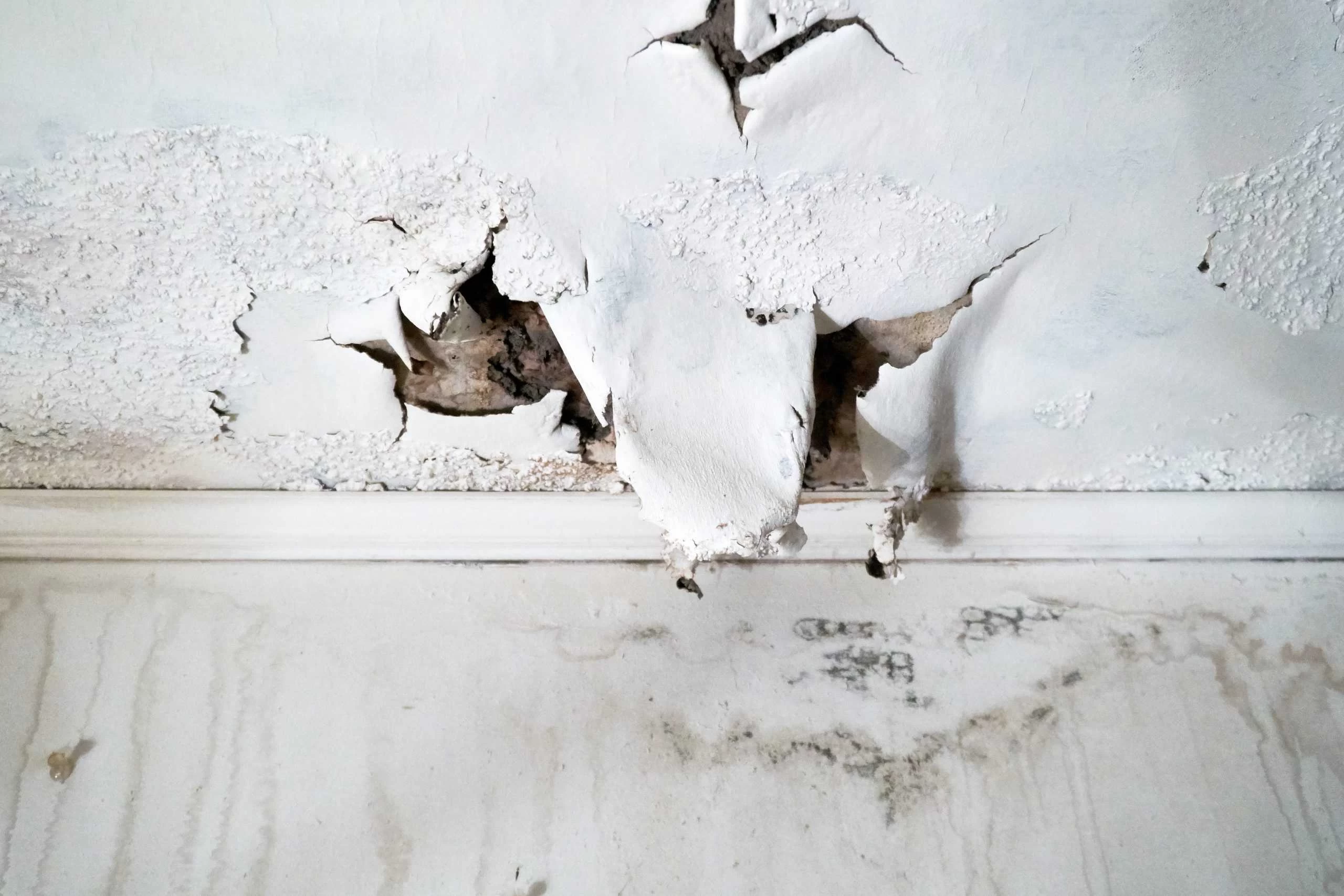
A storm rolls through Nassau County, NY, and by morning you’re standing in a wet basement or staring at water stains spreading across your ceiling. The instinct is to call someone — anyone — immediately. That urgency is completely understandable. But the contractor you hire in those first hours sets the tone for everything that follows: how thoroughly the damage gets addressed, how smoothly your insurance claim goes, and whether you’re dealing with mold problems six weeks from now. This checklist exists to help you slow down just enough to make the right call — not a fast one you’ll regret.
Choosing a Water Damage Contractor in Nassau County, NY
After every significant storm on Long Island — whether it’s a nor’easter pushing water up through South Shore communities like Island Park and Oceanside or a late-summer event like the August 2024 flooding that dropped 9.4 inches of rain in 24 hours — out-of-area contractors flood the market alongside the water. They show up with out-of-state plates, offer quick estimates, and disappear once the check clears. Nassau County, NY homeowners have seen this pattern enough times that it has a name: storm chasers.
The problem isn’t just that these contractors do shoddy work, though that happens. It’s that they often don’t understand what Long Island water damage actually involves. Category 3 contamination from storm surge. Pre-1978 housing stock in communities like Levittown, Uniondale, and Merrick that may contain asbestos or lead paint inside the walls you need opened. High water table conditions that make basement flooding a near-certainty in certain neighborhoods even without direct surge. These aren’t edge cases — they’re the norm here, and a contractor who doesn’t know Nassau County, NY doesn’t know what they’re walking into.
We’ve handled thousands of these situations across New York State, and the difference between a local contractor and a storm chaser shows up in the details. We know which neighborhoods flood first. We understand the contamination levels you’re dealing with. We know which homes have materials that require specialized handling. That’s not something you can learn from a website.
What Certifications Should a Water Damage Contractor Have in New York?
Licensing in New York State for water damage and restoration work is more layered than most homeowners realize, and understanding it is the fastest way to filter out contractors who aren’t equipped to do the job correctly.
At minimum, any contractor doing residential restoration work in Nassau County, NY should hold an active Home Improvement Contractor license — verifiable through the Nassau County license board. That’s the baseline. But water damage restoration frequently involves more than extraction and drying. If there’s mold, or if mold develops because the drying wasn’t thorough, New York State requires a licensed mold assessor and a licensed mold remediation contractor under Labor Law Article 32. These are separate licenses. The assessor writes the work plan; the remediation contractor executes it; a post-remediation assessment must confirm clearance before the job is considered done. A general contractor who says they “handle mold” without holding those specific licenses is not legally authorized to do so on any project involving more than 10 square feet.
For homes built before 1978 — which describes a substantial portion of Nassau County, NY’s housing stock, particularly in the post-war communities along the island’s interior and South Shore — there’s another layer. The EPA’s Renovation, Repair and Painting Rule applies whenever painted surfaces are disturbed during restoration. That means drywall removal, floor tile replacement, even window work can trigger lead-safe work practice requirements. And if the contractor opens walls and finds pipe insulation, floor tiles, or joint compound that contains asbestos, the work stops until a licensed abatement contractor handles it. A restoration company that can perform asbestos abatement in-house — rather than subcontracting and waiting for a third party’s schedule to open up — keeps your timeline from doubling.
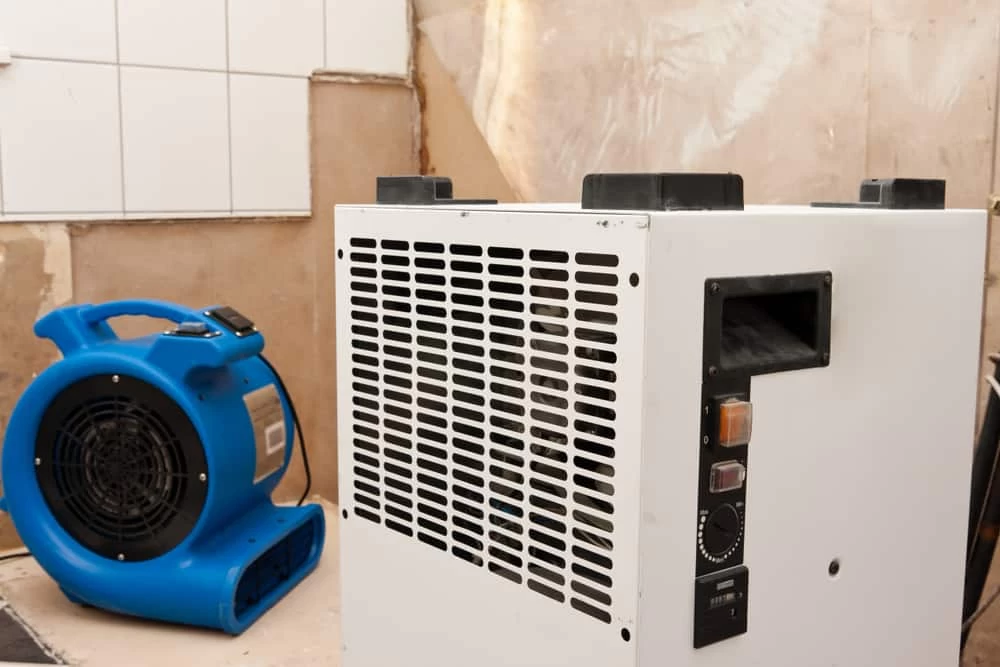
Beyond licensing, look for IICRC certification. The IICRC S500 is the governing industry standard for structural drying. An IICRC-certified firm follows a documented process: water extraction, containment if contaminated water is involved, placement of industrial air movers and LGR dehumidifiers, daily moisture monitoring, and clearance testing when target levels are reached. If a contractor can’t tell you what moisture readings they’re targeting or how they’ll verify dryness, that’s a problem — regardless of what their website says.
We hold all of these certifications. Our team is IICRC-certified, we maintain our Home Improvement Contractor license in good standing, and we handle mold remediation and asbestos abatement in-house. That means we can move through the entire scope without waiting for third parties or losing continuity.
Long Island Water Damage: Why Nassau County, NY Homes Face Unique Risks
Nassau County, NY’s geography creates water damage conditions that don’t exist in most inland markets, and they affect what kind of contractor you actually need.
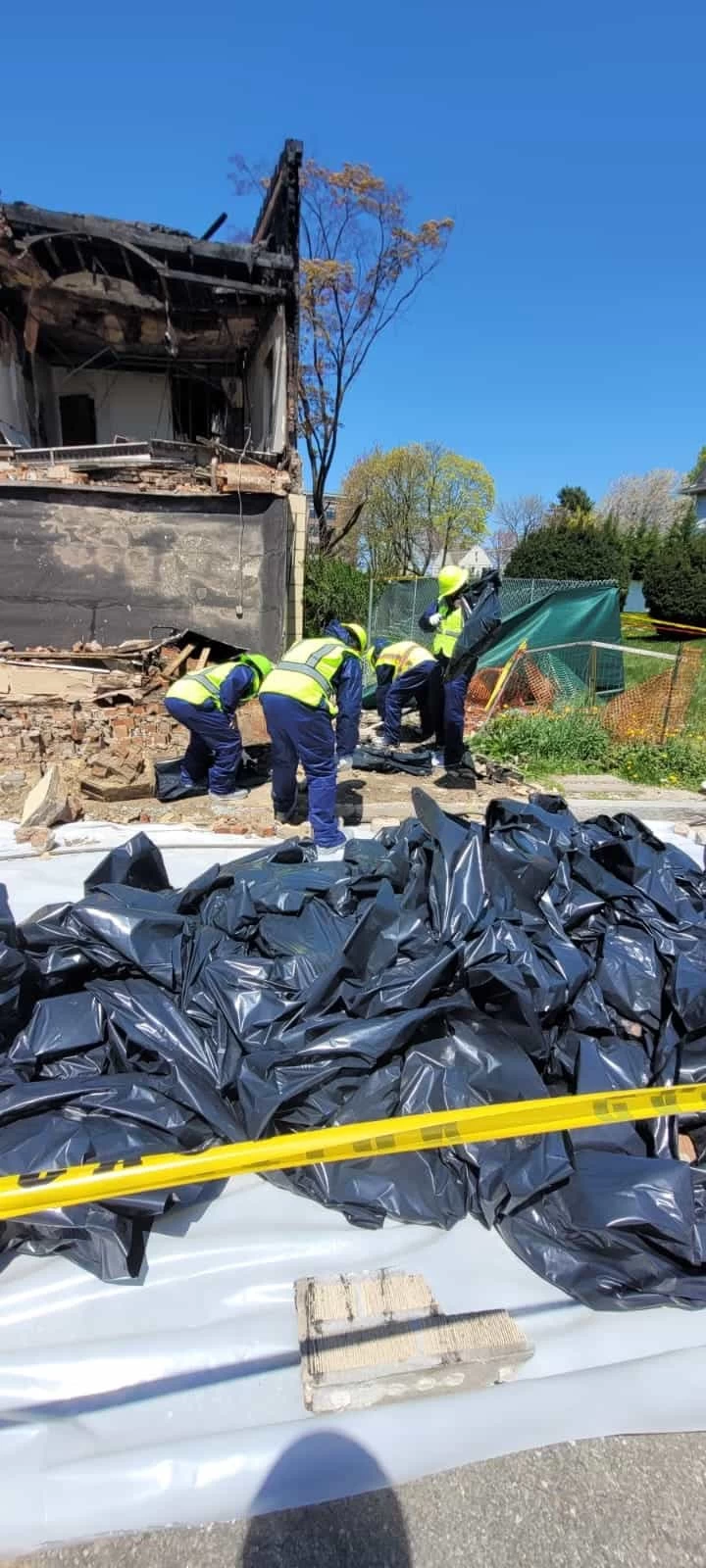
Start with the South Shore. Communities like Island Park, Long Beach, Freeport, and Oceanside sit close to the Atlantic barrier islands and Reynolds Channel. When storm surge comes in from Great South Bay or Reynolds Channel, it carries sewage from the island’s drainage systems. Under IICRC classification, that makes virtually every South Shore flooding event a Category 3 loss — the highest contamination category. Category 3 water damage requires demolition of all wet porous materials to 12 inches above the waterline. There is no drying-in-place option. Drywall comes out. Insulation comes out. Flooring comes out. A contractor who tries to dry it in place isn’t cutting corners — they’re setting you up for a mold and structural problem that will cost far more to fix later.
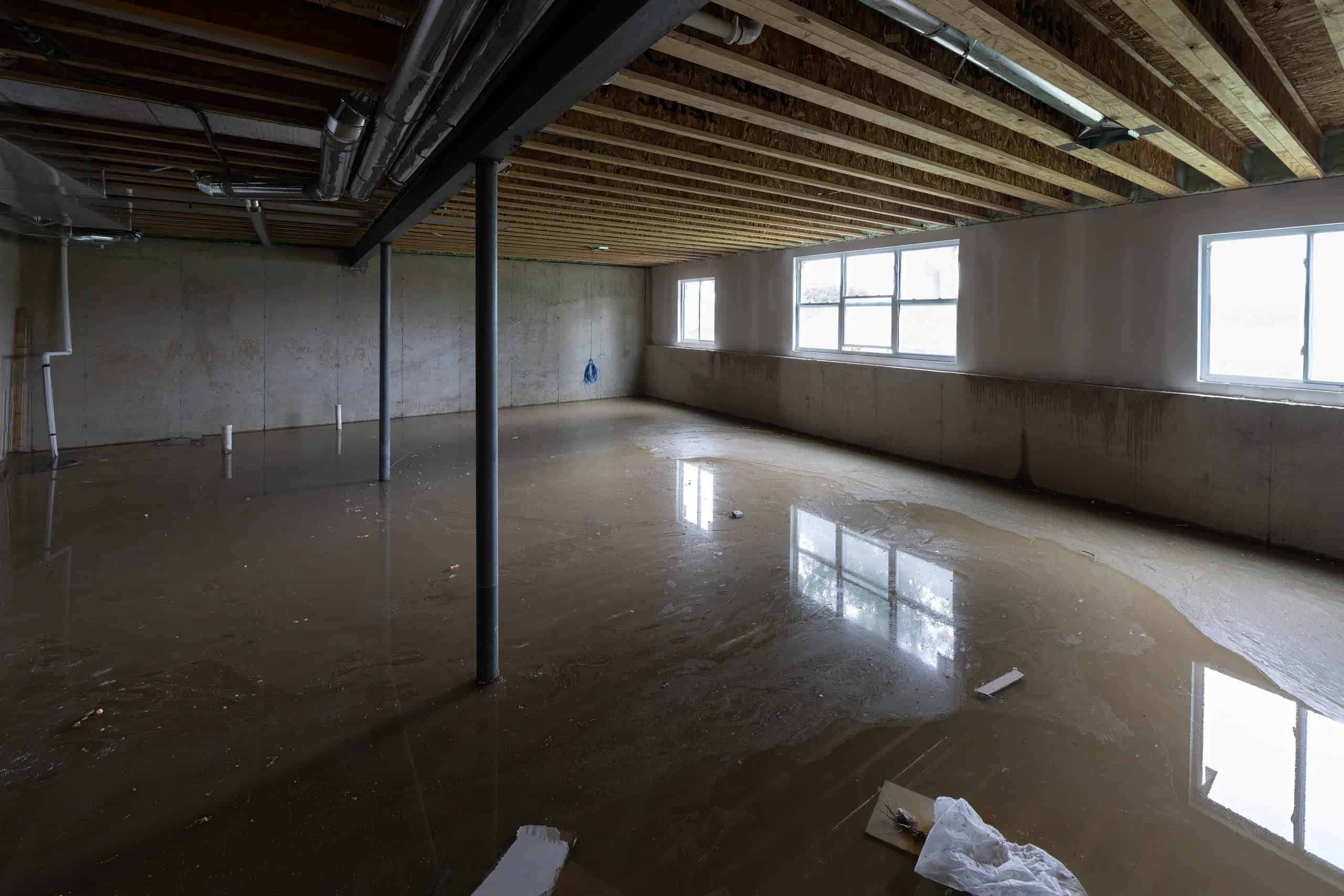
Then there’s the water table. Nassau County, NY’s water table is notoriously high, particularly across the South Shore and in lower-lying inland areas. During heavy rain events, basements flood not because water is coming through the walls but because the water table rises to meet the floor. This is a different problem from storm surge, and it requires a contractor who understands the distinction — both for remediation purposes and for insurance purposes.
Finally, the housing stock. The post-World War II building boom that created communities like Levittown, Hempstead, and Uniondale left Nassau County, NY with an enormous inventory of mid-century homes. These homes have aging cast-iron pipes, clay sewer laterals, flat or low-pitch roofs that struggle under nor’easter conditions, and construction materials that predate modern moisture barriers. When water gets into these homes, it moves through old insulation and behind original plaster in ways that thermal imaging catches and the naked eye doesn’t. The contractor you hire needs to be equipped to find it all — not just what’s visible when they walk through the door.
Navigating a Water Damage Insurance Claim After a Nassau County, NY Storm
Insurance claims after water damage are one of the most anxiety-producing parts of the whole experience — and they’re also where the most money gets left on the table. The contractor you hire has a direct impact on how your claim goes, because the documentation they generate (or fail to generate) is exactly what your insurance adjuster will be reviewing.
We document everything as a standard operating procedure: drying logs, moisture readings taken daily, photographs at each stage of the process. This isn’t optional paperwork — it’s what supports your claim. A contractor who doesn’t produce this documentation leaves you exposed when the adjuster asks for evidence of scope and process.
Does Homeowners Insurance Cover Storm Water Damage in Nassau County, NY?
The short answer is: it depends on where the water came from, and the distinction matters more in Nassau County, NY than almost anywhere else in New York.
Standard homeowners insurance covers sudden and accidental water events — a burst pipe, an appliance failure, a roof leak caused by storm damage. For these events, your policy typically covers both mitigation (extraction, drying, mold prevention) and reconstruction (drywall, flooring, structural repairs). The key word is “sudden.” A slow leak that’s been developing for months is often excluded on the grounds that it should have been caught and repaired.
Flood damage — meaning external water entering the building from outside, including storm surge and overland flooding — is a separate matter entirely. Standard homeowners policies exclude it. Coverage for flood damage requires a separate flood insurance policy, typically through the National Flood Insurance Program. For Nassau County, NY homeowners on the South Shore, this distinction is critical. If your basement flooded because Reynolds Channel or Great South Bay pushed water into your neighborhood, that’s a flood event, not a standard water damage event, and your homeowners policy won’t cover it without that separate flood policy in place.
Where it gets complicated is the overlap. A storm that damages your roof and allows rain to enter is a covered event. The same storm that pushes water up through your foundation may not be. Many Nassau County, NY homeowners discover this distinction for the first time while standing in a wet basement, which is not the ideal moment to learn it.
This is one reason why working with a contractor who handles insurance billing directly — and who understands how to document damage in a way that supports your claim — matters so much. When we work with your adjuster, we can tell them exactly what water category was involved, what materials were affected, what the moisture readings showed, and what remediation steps were taken. The claim moves faster and more accurately. When that documentation is missing or vague, claims get delayed, underpaid, or denied.
If you’re in the window right after a storm and you’re not sure whether your damage is covered, call your insurer to open a claim before any work begins. Don’t let a contractor start work without that call — some policies require it as a condition of coverage.
What Water and Fire Restoration Companies Should Offer Beyond Emergency Cleanup
One thing homeowners don’t always think about when they’re searching for water and fire restoration companies is what happens after the emergency phase is over. Extraction and drying are the first 48 to 72 hours. But a water damage event that requires structural work — replacing drywall, repairing framing, refinishing floors, repainting — can take weeks. And the contractor who handled your mitigation may or may not be equipped to handle reconstruction.
When you use separate contractors for each phase, the gaps between them are where projects go wrong. The water extraction company finishes and moves on. You wait for a mold remediator’s schedule to open up. They arrive, find structural damage that needs a general contractor. Now you’re coordinating a third company, and the timeline has stretched from three weeks to eight. Meanwhile, you may be displaced from part of your home, your insurance claim is still open, and every delay is a new opportunity for something to be missed.
A restoration company that can take a job from initial emergency response through final repairs and finishes — under a single contract, with a single point of contact — eliminates that coordination problem entirely. For Nassau County, NY homeowners dealing with the complexity of older housing stock, potential asbestos abatement needs, and the documentation requirements of an insurance claim, that continuity isn’t a convenience. It’s a meaningful protection against the project spiraling.
Ask any contractor you’re considering whether they handle full reconstruction or just mitigation. Ask who holds the license for the structural work. Ask whether mold remediation is performed in-house or subcontracted. Ask about asbestos abatement capability — especially if your home was built before 1978. The answers will tell you quickly whether you’re talking to a company that can see the job through or one that hands off the hard part to someone else.
One more thing worth asking: how do they handle financing? Restoration projects in Nassau County, NY can run from $1,500 for a minor appliance leak to $12,000 or more for moderate flooding, and significantly higher for events requiring structural replacement. If you’re waiting on an insurance settlement, the upfront cost can be a real barrier to acting within the critical 24 to 48 hour mold prevention window. We offer financing options and bill your insurance directly so you’re not out of pocket while the claim processes.
Finding the Right Water Damage Contractor in Nassau County, NY Before the Next Storm
The nor’easter season on Long Island runs from October through April, and the late summer months bring their own tropical remnants and heavy rain events. The time to think through this checklist is now — not while water is coming through your ceiling.
What you’re looking for is a contractor with verifiable local licensing, IICRC certification, the in-house capability to handle mold remediation and asbestos abatement, a documented process that supports your insurance claim, and the ability to take the job from emergency response through final reconstruction. Those aren’t unreasonable standards. They’re just specific enough that not every company showing up after a storm will meet them.
If you’re dealing with water damage in Nassau County, NY right now — or you want to know what a thorough, properly documented response looks like before you need one — Green Island Group is available around the clock and can be on-site within the hour. Twelve years in business, 5,000+ completed projects across New York State, and a team that handles the insurance paperwork so you don’t have to.