Summary:
Water damage has a way of revealing itself slowly — a stain on the ceiling, a musty smell in the basement, a floor that feels soft underfoot. By the time most people call for help, the damage has already been spreading for longer than they realize. Water leaks go undetected for an average of 2,000 hours. That’s more than 75 days.
Understanding the water damage restoration process doesn’t just help you know what to expect — it helps you ask the right questions before you hire anyone. And in Nassau County, where aging housing stock, a high water table, and coastal storm exposure create some of the most demanding restoration conditions in the region, those questions matter.
What Is the Water Damage Restoration Process, Phase by Phase?
The restoration process isn’t a single event — it’s a sequence of interdependent phases, each one building on the last. Skip one or rush through it, and the consequences usually show up weeks later in the form of mold, structural damage, or a failed insurance claim. Here’s how the process actually works from start to finish.
The first phase is assessment. Before any equipment comes out, we need to understand the full scope of what you’re dealing with — where the water came from, how far it’s traveled, what materials it’s affected, and whether the water source is clean, contaminated, or grossly contaminated. That last point matters more than most people realize, and we’ll come back to it.
Once the scope is mapped, water extraction begins. Industrial extractors pull standing water from floors, carpets, and other surfaces quickly. This is the phase homeowners can see and feel, which is partly why it’s the one most people think of as “the job.” It’s not. It’s the beginning.
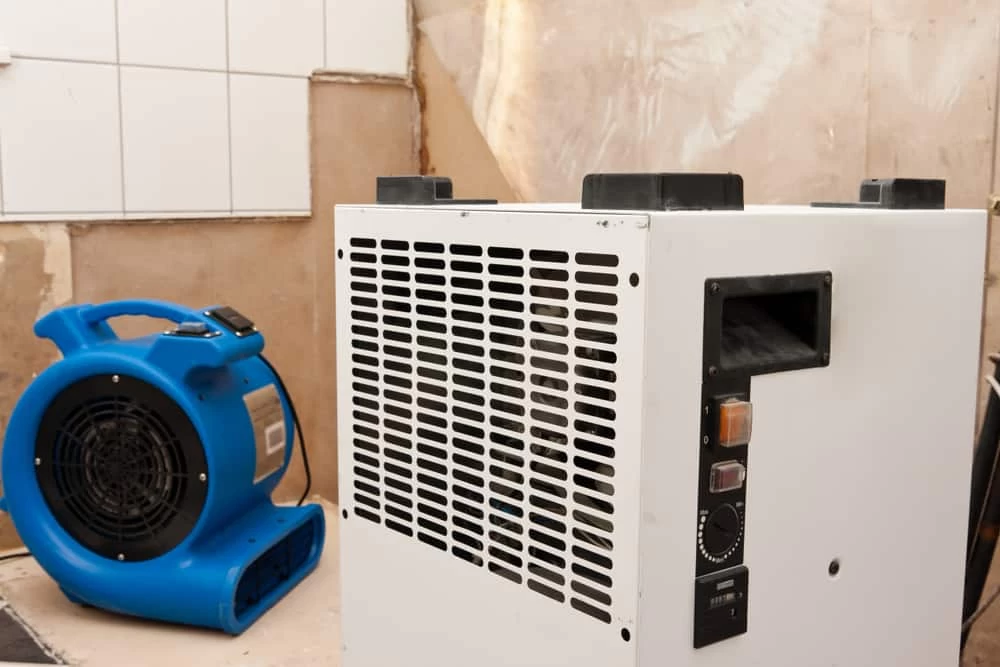
After extraction comes structural drying — commercial dehumidifiers and air movers work together to draw moisture out of materials at a rate that consumer-grade fans simply cannot match. We monitor moisture readings daily, adjusting equipment placement based on what the numbers show, not what the surface looks like. Then comes sanitization, where antimicrobial treatments are applied to prevent mold from establishing in the affected areas. The final phase is reconstruction — replacing what had to come out, returning the space to the condition it was in before the event, or better.
Most Common Water Damage Claims Nassau County Homeowners File
It helps to understand what you’re actually up against before any of this starts. Roughly 14,000 U.S. residents file a water damage claim every single day. From 2019 to 2023, water damage and freezing claims made up about 24% of all home insurance claims, with an average payout of $15,400. One inch of standing water can cause up to $25,000 in damage to a home. And 98% of basements experience some level of water damage over time.
In Nassau County specifically, the most common claims fall into a few familiar categories. Burst and frozen pipes are a consistent source of damage during January and February, when temperatures drop and older plumbing in pre-1980 homes — which describes the majority of Nassau County’s housing stock — becomes vulnerable. Appliance failures, particularly washing machines and dishwashers, are another frequent source. Roof leaks following nor’easters and heavy rain events cause ceiling and wall damage across the county every fall and winter.
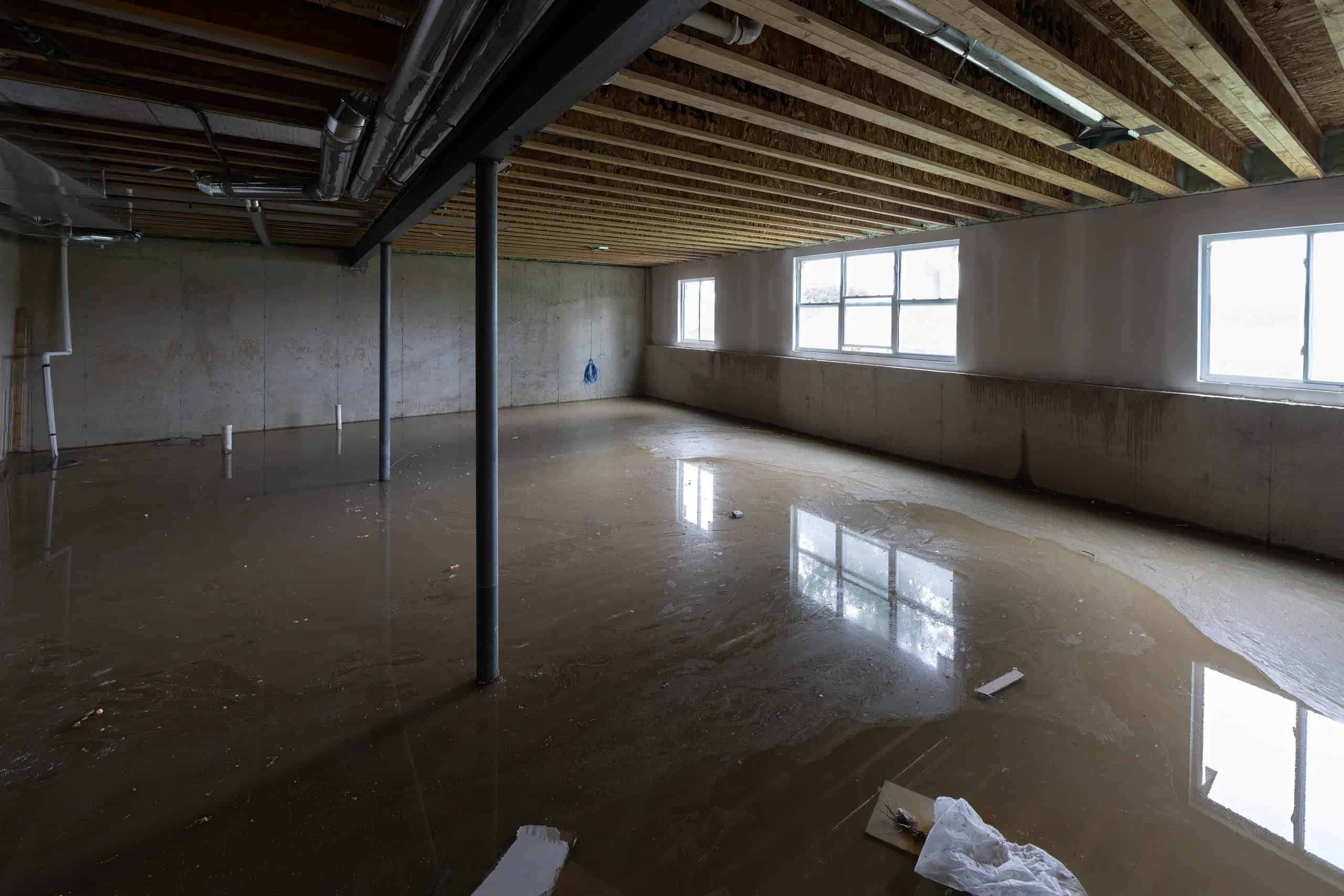
Then there’s the South Shore. Communities like Long Beach, Oceanside, Island Park, Freeport, Bellmore, and Massapequa sit in FEMA flood zones AE and VE, where storm surge and tidal flooding are a documented risk. After August 2024 dropped 9.4 inches of rain on Long Island in a single day and triggered a Governor’s State of Emergency for Nassau and Suffolk counties, we fielded calls for weeks. The homeowners who fared best were the ones who got professionals on-site quickly — because the longer water sits, the more complicated and expensive the restoration becomes.
One thing worth knowing: standard homeowners insurance covers sudden and accidental water damage — burst pipes, appliance failures — but it does not cover flooding that originates outside the home. That requires a separate flood insurance policy. Many Nassau County homeowners in flood zones don’t discover this distinction until they’re already filing a claim.
Why Water Category Matters More Than Most Homeowners Know
Not all water damage is the same, and the type of water involved changes everything about how the restoration has to be handled. The IICRC S500 Standard — the governing document for professional water damage restoration — classifies water into three categories based on contamination level.
Category 1 is clean water: a supply line break, rain coming through a roof, a burst pipe carrying fresh water. It’s the least hazardous and the most straightforward to address. Category 2 is gray water — contaminated but not grossly so. Washing machine overflow, dishwasher leaks, and toilet overflow without solid waste fall here. Category 3 is black water: sewage, storm drain overflow, floodwater from outside the home. This requires full protective protocols and complete removal of porous materials that came into contact with it.
Here’s what most homeowners don’t know: water category can escalate. A Category 1 pipe burst that goes untreated for 24 to 48 hours becomes a Category 2 event as the water absorbs organic material from the building it’s sitting in. That changes the entire scope of the restoration — what has to be removed, what can be dried in place, what protocols we need to follow, and what the final cost looks like. Waiting to see if it dries on its own is one of the most expensive decisions a homeowner can make, not because of the mold risk alone, but because the water itself gets more contaminated with every passing hour.
In Nassau County’s South Shore communities, where floodwater often carries storm drain and bay water into homes, Category 3 events are not uncommon. That means complete removal of affected drywall, insulation, and flooring — not just drying. Understanding this before the conversation with a contractor starts means you’ll know exactly what’s being proposed and why.
Water Damage Inside Walls: The Phase Most Homeowners Never See
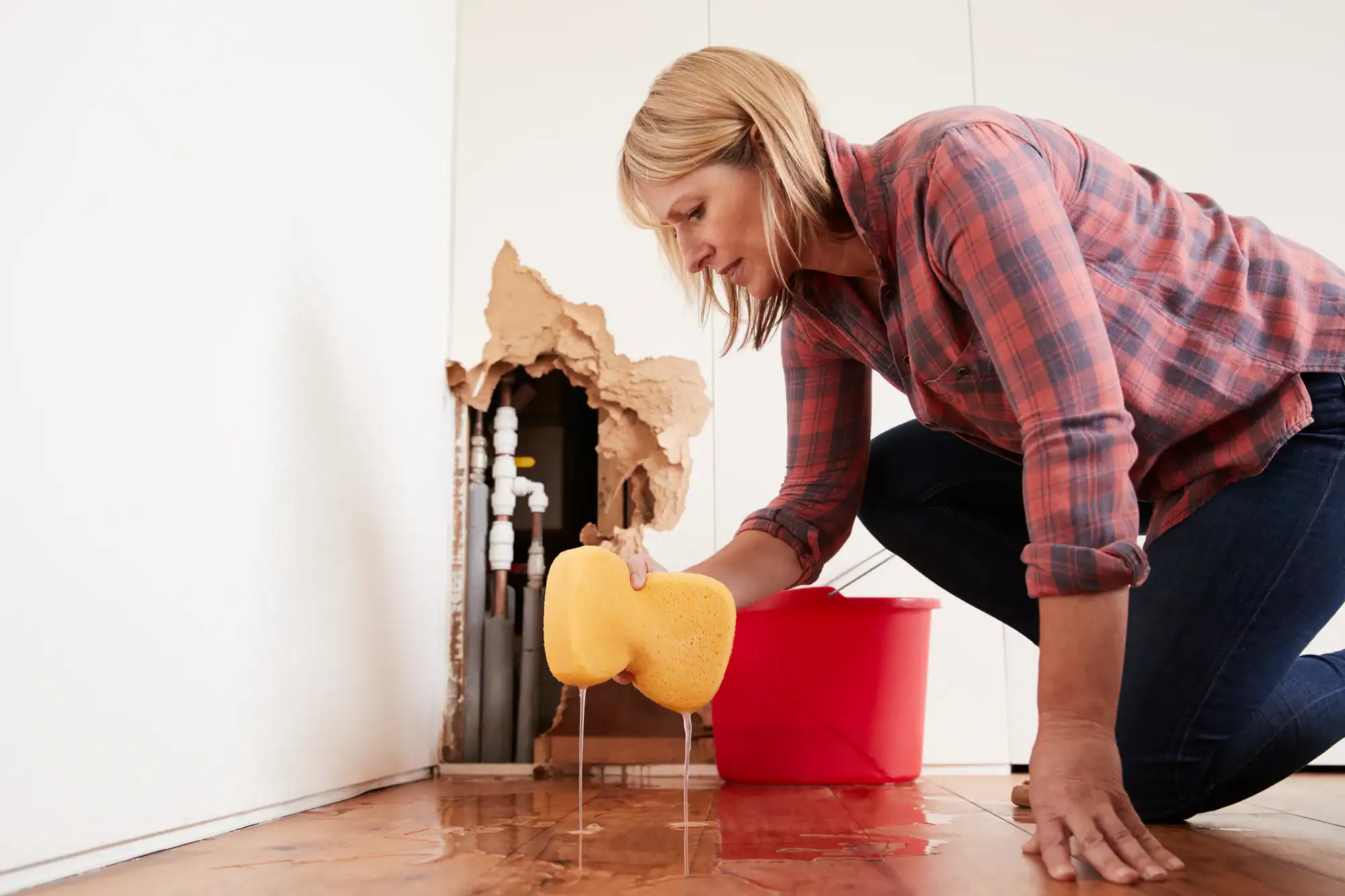
The visible damage — the wet carpet, the soaked drywall, the standing water — is actually the easy part to address. What’s harder, and what creates the most problems down the road, is what happens inside the walls.
Water doesn’t stop at the surface. It follows gravity and capillary action into wall cavities, behind cabinets, under flooring, and into structural framing. The stain you see on a wall or ceiling is often the last place water reaches — by the time it’s visible, the damage behind it is already significant. This is the phase of the restoration process that separates thorough work from incomplete work, and it’s the gap that most homeowners don’t know to ask about.
How to Tell If You Have a Water Leak Inside a Wall
Detecting a water leak inside a wall before it becomes obvious is genuinely difficult without the right equipment. But there are signs worth knowing. Paint or wallpaper that’s bubbling, peeling, or warping without an obvious cause is one of the earliest indicators. A persistent musty smell — particularly in a room that doesn’t have a clear moisture source — often means water has been sitting inside a wall cavity long enough for microbial growth to begin. Soft spots or discoloration along baseboards are another flag, since water tends to pool at the lowest point of a wall cavity before it becomes visible elsewhere.
One method homeowners can use themselves is the water meter test. Turn off every water source in the house — faucets, appliances, everything — and check the meter. If it’s still moving, water is flowing somewhere it shouldn’t be. This doesn’t tell you where the leak is, but it confirms one exists.
What it can’t tell you is how far the water has traveled. That’s where professional detection equipment matters. Thermal imaging cameras detect temperature differentials in wall surfaces — wet materials hold temperature differently than dry ones, making hidden moisture visible as a contrast on an infrared scan. Moisture meters give us actual readings inside wall assemblies without opening them up. Together, these tools map the real extent of the damage — not just what’s visible, but what’s been quietly absorbing moisture for days or weeks.
In Nassau County, where most homes were built before 1980 and wall construction often lacks the vapor barriers and drainage planes that modern building practices include, water migrates through wall cavities differently than it does in newer construction. Older homes hold moisture longer, and the materials inside those walls — older insulation, older framing, older drywall compounds — respond to prolonged moisture exposure in ways that accelerate both structural damage and mold growth. Coastal humidity compounds this further. The 48-hour window before mold can establish in porous materials is already tight; Nassau County’s climate makes it tighter.
What Happens When a Leak Inside a Wall Goes Undetected
Slow leaks are in some ways more dangerous than sudden floods. A burst pipe gets noticed immediately. A pinhole leak behind a bathroom wall, or a slow drip from a fitting inside a kitchen cabinet, can go undetected for months. Water leaks go undetected for an average of 2,000 hours. That’s not a dramatic event — it’s a quiet, ongoing problem that’s been working on your home’s structure long before you noticed anything.
By the time a slow leak inside a wall becomes visible, several things have likely already happened. The insulation in that wall cavity has absorbed moisture and lost its thermal value. The wood framing has begun to absorb water, which softens it and creates conditions for rot. If temperatures and humidity are favorable — and in Nassau County’s coastal climate, they often are — mold colonies can establish within 24 to 48 hours of initial moisture exposure and spread through wall cavities before any surface sign appears.
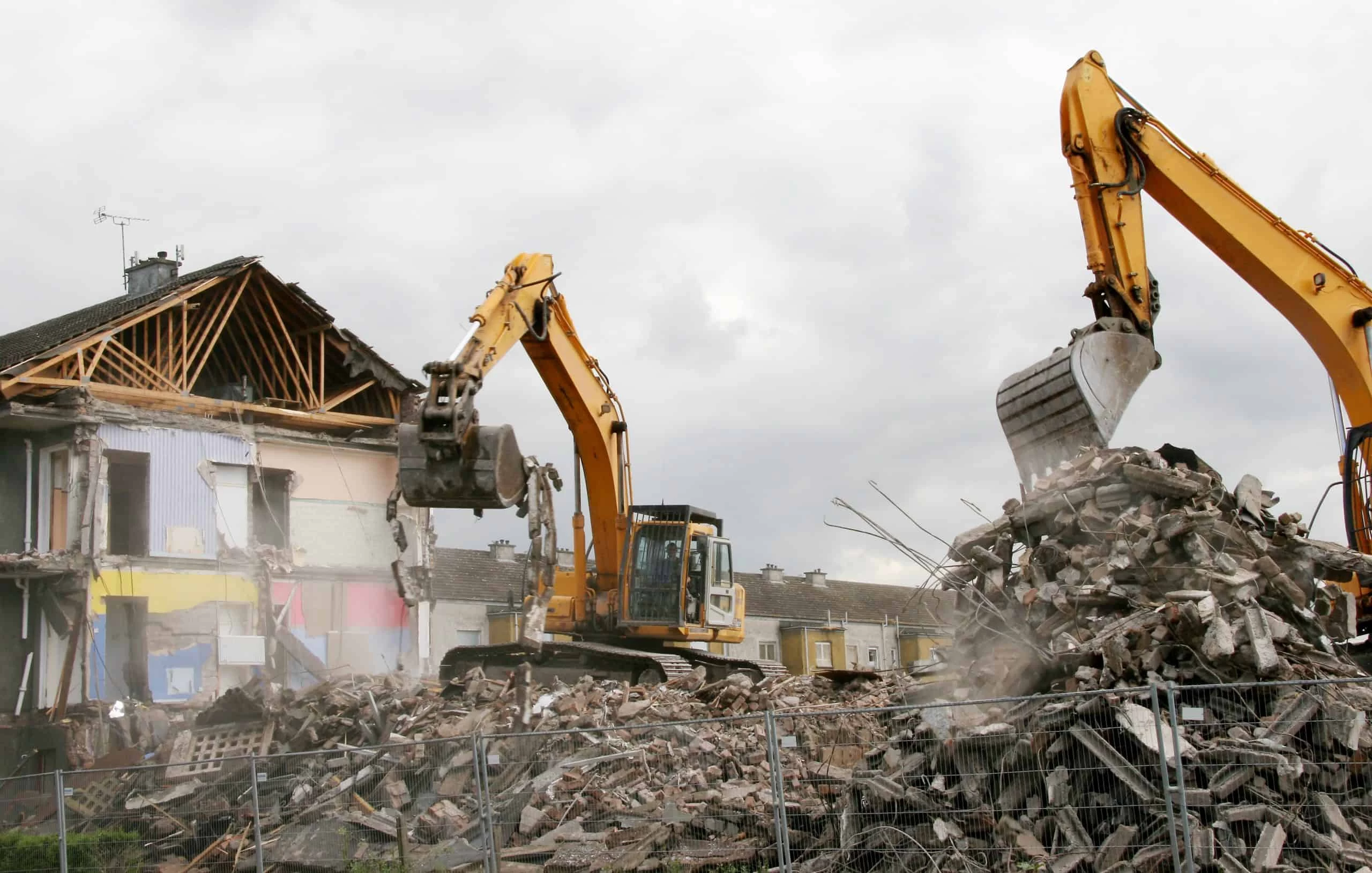
The restoration process for a leak inside a wall that’s been running for weeks looks very different from one caught within the first day or two. In many cases, the drywall has to come out — not because it’s visibly damaged, but because the insulation behind it is saturated and cannot be dried in place without removing the barrier. Structural framing may need treatment or replacement. If the home was built before 1980, which covers most of Nassau County’s residential housing stock, any demolition work triggers NYS Department of Labor asbestos survey requirements — because older construction materials commonly contain asbestos that becomes a hazard when disturbed.
This is one reason why handling the full restoration under one contractor matters. When water extraction, mold remediation, asbestos abatement, and reconstruction are all handled by the same team, the process moves in sequence without the gaps and delays that come from coordinating multiple separate contractors. Each phase informs the next. Nothing gets handed off to a crew that doesn’t know what the previous crew found.
What to Look for in a Water Damage Restoration Company in Nassau County
The right company for this work isn’t the one with the flashiest truck or the fastest website. It’s the one that can walk you through each phase of the process clearly, document everything for your insurance claim, and handle the full scope without handing pieces of your project off to contractors who don’t know each other.
In Nassau County — where pre-1980 homes, a high water table, South Shore flood exposure, and coastal humidity all shape how water damage behaves — local experience isn’t a marketing line. It’s the difference between a restoration that holds and one that leaves problems behind the walls.
We’ve been doing this work in Nassau County for more than 12 years, across more than 5,000 completed restoration projects. We handle the full process — assessment, extraction, drying, mold prevention, asbestos abatement when required, and complete reconstruction — under one contract, with direct insurance billing and no upfront costs. If you’re dealing with water damage now, or you’ve found something that doesn’t look right and want to know what you’re actually dealing with, we’re available around the clock.