Summary:
First Steps When You Discover a Burst Pipe
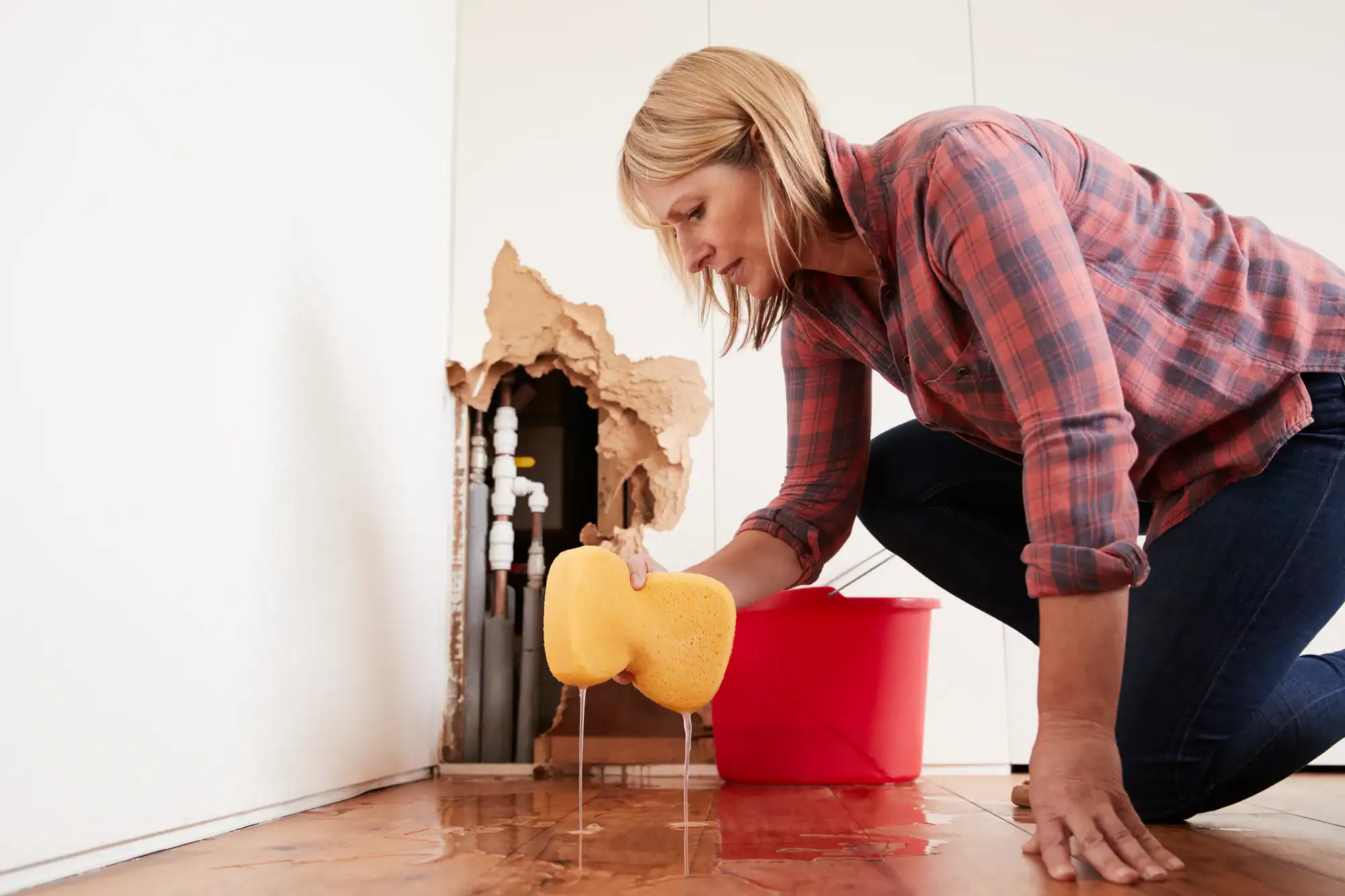
The moment you discover water flooding from a burst pipe, your priority is stopping the flow. Every gallon that pours into your home increases the damage to floors, walls, furniture, and belongings.
Find your main water shutoff valve and turn it completely off. This valve is typically located near your water meter, in the basement, or where the main water line enters your house. If you’re not sure where yours is located, check now before an emergency happens. Knowing this location saves critical minutes when water is actively flooding your home.
After shutting off the main water supply, open all your faucets to drain remaining water from the pipes. This relieves pressure in the system and prevents additional water from pouring out of the burst section. Flush toilets to empty the tanks. These simple actions stop new water from adding to the problem while you assess the situation.
Should You Turn Off the Electricity When a Pipe Bursts
Water and electricity create dangerous conditions that put your safety at risk. Before you start cleanup or even walk through affected areas, you need to address electrical hazards.
If water is near electrical outlets, appliances, or your electrical panel, shut off power to affected areas immediately. Go to your breaker box and flip the circuits for rooms where water is present. If you’re not certain which circuits control which rooms, or if water has reached your electrical panel, shut off the main breaker to cut power to your entire home.
Never touch electrical switches, outlets, or appliances while standing in water or with wet hands. The risk of electrocution is real and potentially fatal. If you can’t safely reach your breaker box because of standing water, leave your home and call an electrician or your utility company for emergency assistance.
This step protects you and your family from serious injury. Water damage is expensive and stressful, but it’s not worth risking your life. Once you’ve secured the electrical system, you can safely move forward with documenting damage and protecting your belongings.
Many Nassau County, NY homeowners skip this step because they’re focused on stopping the water. That’s understandable—but taking thirty seconds to shut off power prevents accidents that could land you in the hospital. Your safety comes first, always.
How to Document Burst Pipe Damage for Your Insurance Claim
Your insurance company will ask for evidence of the damage before approving your claim. The documentation you gather right now determines how smoothly your claim process goes and whether you receive full coverage for repairs.
Start taking photos and videos immediately, before you move anything or start cleanup. Capture wide shots that show the full extent of water damage in each room, then take close-up photos of damaged walls, floors, ceilings, and belongings. If water is still actively flowing, document that too—it shows the severity of the situation.
Walk through your entire home with your phone recording video. Narrate what you’re seeing as you go. This creates a comprehensive record that’s hard to dispute later. Pay special attention to areas where water has soaked into carpets, pooled on floors, or stained walls and ceilings. These details matter when adjusters assess your claim.
Create a detailed list of everything the water damaged. Include furniture, electronics, clothing, appliances, and personal items. Note the brand, model, and condition of each item when possible. You’ll need this information to determine replacement costs when filing your claim. If you need to throw away items before an adjuster arrives, photograph them first and save receipts.
Most homeowners insurance policies cover sudden and accidental burst pipes, but they require prompt reporting and proper documentation. The photos and videos you take right now become critical evidence that supports your claim. Insurance companies process claims faster when you provide clear, comprehensive documentation of the damage.
Don’t skip this step even if you’re overwhelmed. Take ten minutes to document everything with your phone. Those photos could be worth thousands of dollars when your claim is processed. And if you need to make emergency purchases before the adjuster arrives—like a hotel room if your home becomes unlivable—save those receipts too. Many policies cover temporary living expenses for covered losses.
Who to Call First: Plumber vs Water Damage Restoration
You’ve stopped the water and documented the damage. Now you’re wondering who to call first—a plumber to fix the pipe, or a restoration company to handle the water damage.
The answer depends on your situation, but here’s what most Nassau County, NY and Suffolk County, NY homeowners don’t realize: you need both, and the order matters. A plumber fixes the broken pipe. A restoration company removes the water, dries your home properly, and prevents mold growth. These are two completely different services.
If water is still flowing because you couldn’t locate your shutoff valve, call an emergency plumber immediately. They’ll stop the water and repair the pipe. But once the water is shut off, your next call should be to a professional water damage restoration company. Here’s why that matters more than most people think.
Why Water Damage Restoration Can't Wait for the Plumber
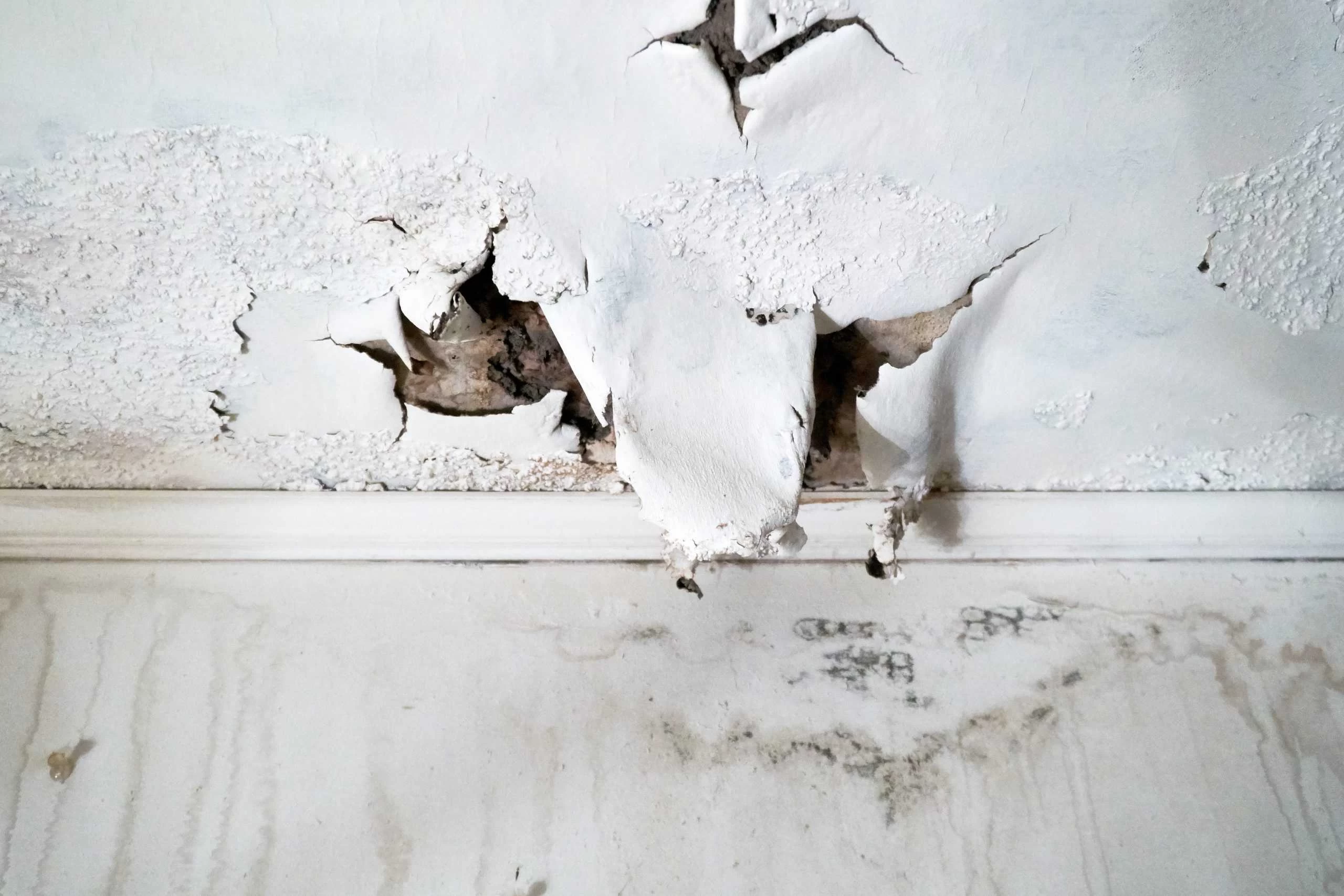
Water doesn’t just sit on top of surfaces waiting for cleanup. It soaks into drywall, seeps under flooring, saturates insulation, and travels through wall cavities to areas you can’t see. Every hour that water sits in your home increases the damage and the likelihood of mold growth.
We respond immediately because we understand the 24-48 hour window. That’s how long you have before mold starts growing in wet materials. Once mold takes hold, you’re looking at a much more expensive remediation process on top of the water damage repairs.
Industrial equipment makes the difference between proper drying and ongoing problems. Our restoration teams use commercial-grade dehumidifiers that remove moisture from the air, high-velocity air movers that dry materials faster than household fans, moisture meters that detect hidden water behind walls and under floors, and thermal imaging cameras that identify wet areas you can’t see.
Your household fans and dehumidifiers from the hardware store simply aren’t powerful enough for serious water damage. They might dry the surface, but moisture trapped in wall cavities, under flooring, and in insulation will cause problems for months. That hidden moisture leads to mold growth, wood rot, and structural damage that costs far more to fix than the original burst pipe.
Nassau County, NY and Suffolk County, NY homes face additional challenges that make professional restoration even more critical. Long Island’s high humidity levels, especially during summer months, accelerate mold growth faster than drier climates. The coastal salt air can complicate drying and cause corrosion issues. Many homes in areas like Levittown, Massapequa, and older North Shore communities have basements that are naturally prone to moisture problems.
Professional restoration teams also handle the insurance process differently than plumbers. We document everything with photos and detailed reports, communicate directly with insurance adjusters, and know exactly what evidence insurance companies need to approve claims quickly. This expertise saves you from fighting with your insurance company over coverage.
What Happens During Professional Burst Pipe Restoration
Understanding the restoration process helps you know what to expect when we arrive at your Nassau County, NY or Suffolk County, NY home. Professional restoration follows specific steps that ensure complete drying and prevent future problems.
The process starts with a comprehensive assessment using moisture detection equipment. Our technicians identify all affected areas, including hidden moisture behind walls, under flooring, and in ceiling spaces. This assessment determines the scope of work and helps create an accurate estimate for your insurance claim.
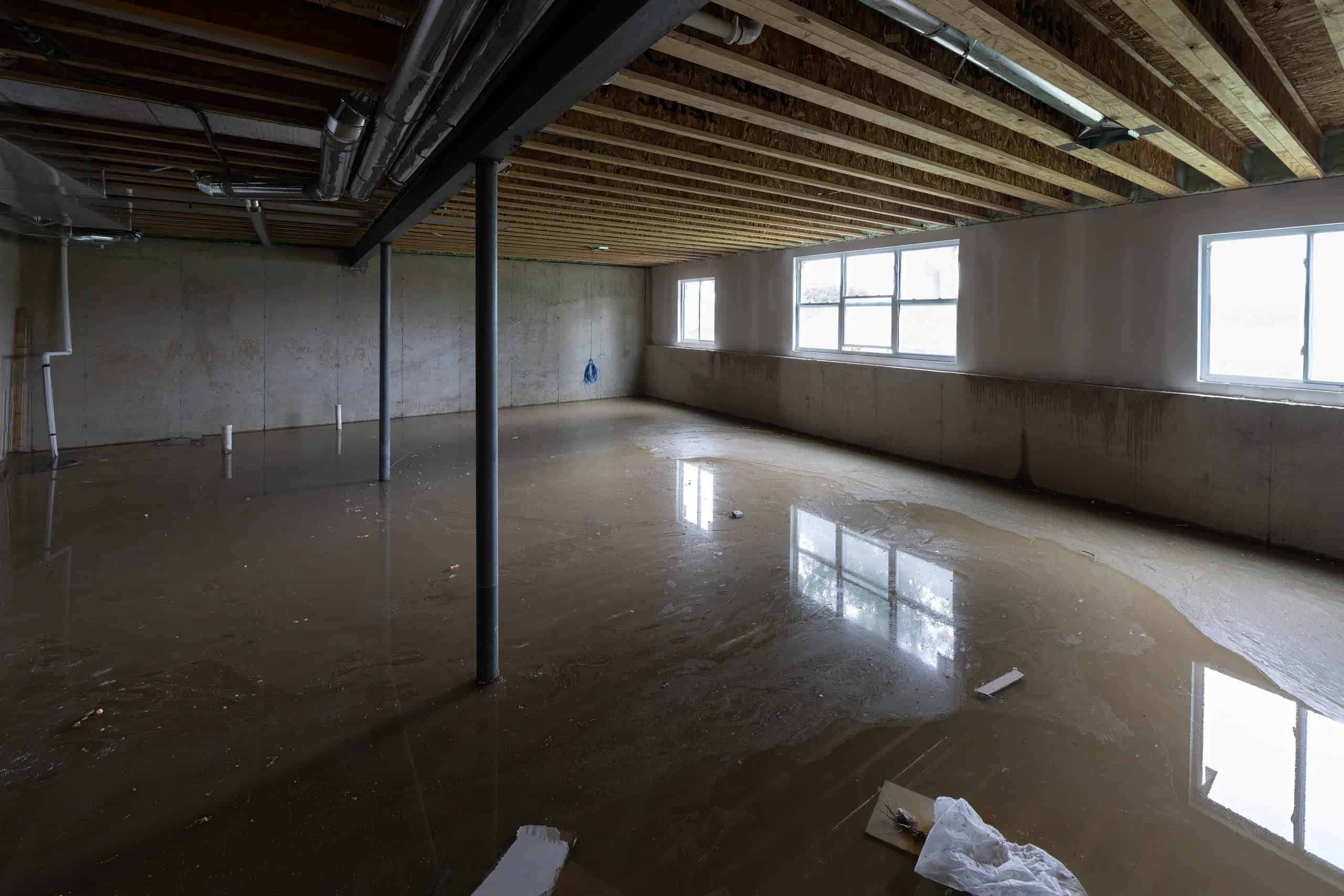
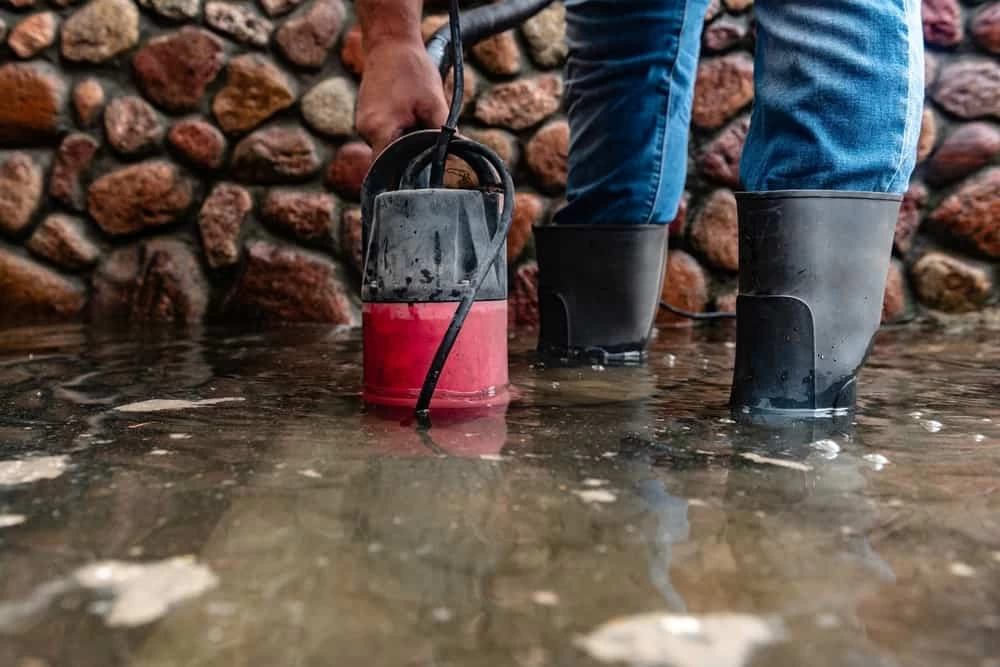
Water extraction comes next, removing standing water with powerful truck-mounted pumps and portable extractors. The faster this water is removed, the less it can soak into building materials and belongings. Professional equipment removes water in minutes that would take hours with household wet-dry vacuums.
The drying phase is where professional restoration really shows its value. Industrial dehumidifiers run continuously to pull moisture from the air and materials. Air movers create airflow that accelerates evaporation from wet surfaces. Our technicians monitor moisture levels daily using specialized meters, adjusting equipment placement as needed to ensure complete drying.
This phase typically takes three to five days depending on the extent of damage, but it’s critical for preventing mold growth and secondary damage. Even after visible water is gone, materials can retain enough moisture to cause problems later. Professional equipment monitors humidity levels and adjusts automatically to create optimal drying conditions.
Sanitization and mold prevention treatments protect your home and family’s health. HEPA air scrubbers remove airborne contaminants and improve indoor air quality while drying equipment operates. Antimicrobial treatments prevent mold and bacteria growth in affected areas.
The final phase involves repairs and reconstruction. This might include replacing damaged drywall, installing new flooring, repainting affected areas, and rebuilding any structural elements that were too damaged to save. We handle this entire process so you don’t need to coordinate multiple contractors.
Throughout the restoration process, our teams maintain clear communication about progress, timeline, and any unexpected issues discovered during drying. You’ll know exactly what’s happening at each stage and when your home will be back to normal.
Protecting Your Nassau County Home After a Burst Pipe
A burst pipe feels overwhelming when it first happens, but the right response makes all the difference. Acting quickly in those first critical minutes—shutting off water, securing electricity, and documenting damage—protects both your property and your family’s health.
Remember that every hour you wait increases the risk of mold growth and secondary damage. What seems like a manageable problem can quickly become a major reconstruction project without proper intervention. Professional restoration within 24-48 hours prevents the majority of long-term complications.
We’ve helped thousands of Nassau County, NY and Suffolk County, NY homeowners through water damage emergencies, from small pipe leaks to major flooding events. Our 24/7 response team understands the unique challenges Long Island homes face and has the experience to restore your property quickly and completely.