Summary:
You noticed it in the corner of the shower. Or maybe you caught a musty smell coming from the basement that wasn’t there last month. So you grabbed some spray, scrubbed it down, and figured that was that.
Then it came back.
Mold has a way of doing that — especially in Nassau County, where the air off the Atlantic and the Sound keeps indoor humidity elevated for most of the year. What looks like a cleaning problem is often a moisture problem. And moisture problems don’t respond to scrubbing. This page explains when mold cleaning crosses into territory that genuinely puts your health at risk, and what the right response actually looks like.
Mold Health Risks Nassau County Homeowners Shouldn't Ignore
Mold isn’t just an eyesore. Depending on the type, the location, and how long it’s been growing, it can have a real impact on the air quality inside your home — and on the health of the people breathing that air every day.
The EPA estimates that one-third to one-half of all U.S. structures have damp conditions that encourage mold and bacteria growth. Americans spend roughly 90% of their time indoors, which means prolonged exposure is the norm, not the exception. For most healthy adults, low-level mold exposure causes irritation. For children, the elderly, pregnant individuals, or anyone with asthma or a compromised immune system, the effects can be significantly more serious.
Health Risks of Black Mold: What Exposure Actually Does
Black mold — the strain most people have heard of, scientifically called Stachybotrys chartarum — gets a lot of attention, and some of it is overblown. It’s not instantly lethal. But dismissing it entirely is a mistake, especially if exposure is ongoing.
The symptoms most commonly linked to black mold exposure include nasal congestion, persistent coughing, wheezing, eye irritation, skin rashes, and headaches that don’t seem to have another explanation. For people with asthma, even a brief exposure can trigger significant flare-ups. With chronic exposure — meaning weeks or months of living in a space where Stachybotrys is actively growing — more serious respiratory conditions like hypersensitivity pneumonitis have been documented.
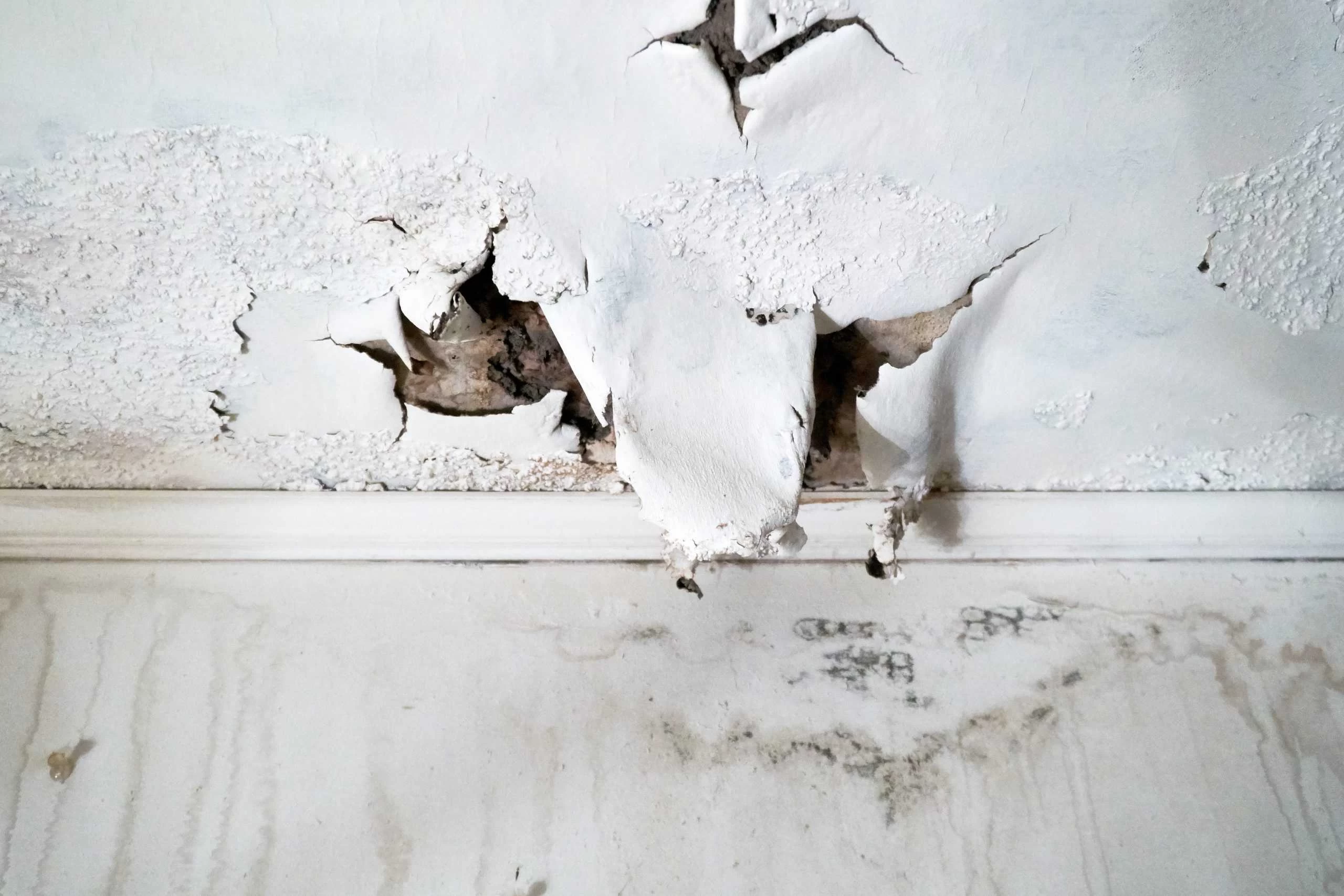
What makes black mold particularly problematic is where it grows. Unlike some mold strains that colonize tile grout or window sills, Stachybotrys almost exclusively grows in porous materials — drywall, wood framing, ceiling tiles, insulation. You can’t wipe it off. The material has to come out. Scrubbing the surface doesn’t touch the root structure embedded in the material itself, and disturbing a black mold colony without proper containment releases a concentrated burst of spores into the air, which is considerably worse than leaving it alone.
There’s also no reliable way to identify Stachybotrys by sight alone. Dark-colored mold in a bathroom could be Stachybotrys, or it could be Cladosporium, or any number of other strains. Professional air and surface testing is the only way to know what you’re actually dealing with — which matters a great deal when you’re deciding how aggressively to respond.
The bottom line: black mold exposure is a real health concern, particularly for vulnerable household members. If there’s any chance that’s what you’re looking at, the right move is testing first, not cleaning first.
Black Mold in the Shower: Why Nassau County Bathrooms Are Especially Vulnerable
The shower is where most people first notice mold — and it’s also where most people underestimate it. A little discoloration around the grout lines seems manageable. A few minutes with a scrub brush and some spray, and it looks fine again. Until next month, when it’s back.
Here’s the problem. Bathrooms create daily humidity spikes that most ventilation systems can’t fully offset. Nassau County’s ambient coastal humidity regularly pushes indoor moisture levels above the 60% threshold at which mold spores can attach to surfaces and begin colonizing — meaning your bathroom environment never fully dries out. The tile surface might look clean after scrubbing, but the grout, the caulk, and especially the drywall behind the tile are porous. Mold doesn’t just sit on top of those materials. It grows into them.
What looks like a surface cleaning job is often a hidden wall cavity problem. Mold that’s established itself behind bathroom tile can spread through the wall framing and into adjacent rooms without producing any visible signs on the other side — sometimes for months. By the time you notice a musty smell in the hallway or the bedroom next to the bathroom, the colony has likely been growing for a while.
There’s also the HVAC factor. Steam from showers carries mold spores through ventilation systems, which can deposit them in ductwork, in other rooms, and in areas of the home that are harder to inspect and remediate. This is one of the reasons a bathroom mold problem that seems contained can turn into a whole-house air quality issue.
For homeowners in South Shore communities like Long Beach, Freeport, Oceanside, and Rockville Centre — where saltwater air and high water tables compound the indoor humidity challenge — bathroom mold tends to be more persistent and more likely to indicate a deeper moisture issue. If your shower mold keeps coming back no matter what you use on it, that’s not a cleaning problem. That’s a moisture and structural problem, and it needs to be assessed properly.
When Mold Cleaning Needs to Become Full Remediation
The EPA draws the line at 10 square feet — roughly a 3-by-3-foot patch. Below that threshold, a careful DIY cleaning with proper protective equipment may be sufficient on non-porous surfaces. Above it, or any time mold is suspected inside walls, under flooring, or in an HVAC system, professional remediation is the appropriate response.
The distinction between mold cleaning and mold remediation matters. Cleaning removes visible surface growth. Remediation addresses the source of moisture, contains the affected area to prevent cross-contamination, physically removes porous materials that can’t be cleaned, treats surfaces with professional-grade antimicrobial solutions, and verifies success with post-clearance testing. One is a maintenance task. The other is a restoration process.
Hidden Mold Behind Walls: The Problem You Can't See Coming
A musty smell with no visible mold source is one of the most common — and most concerning — scenarios we encounter. It usually means the mold is somewhere you’re not looking: inside a wall cavity, under a subfloor, in a crawl space, or behind a finished ceiling.
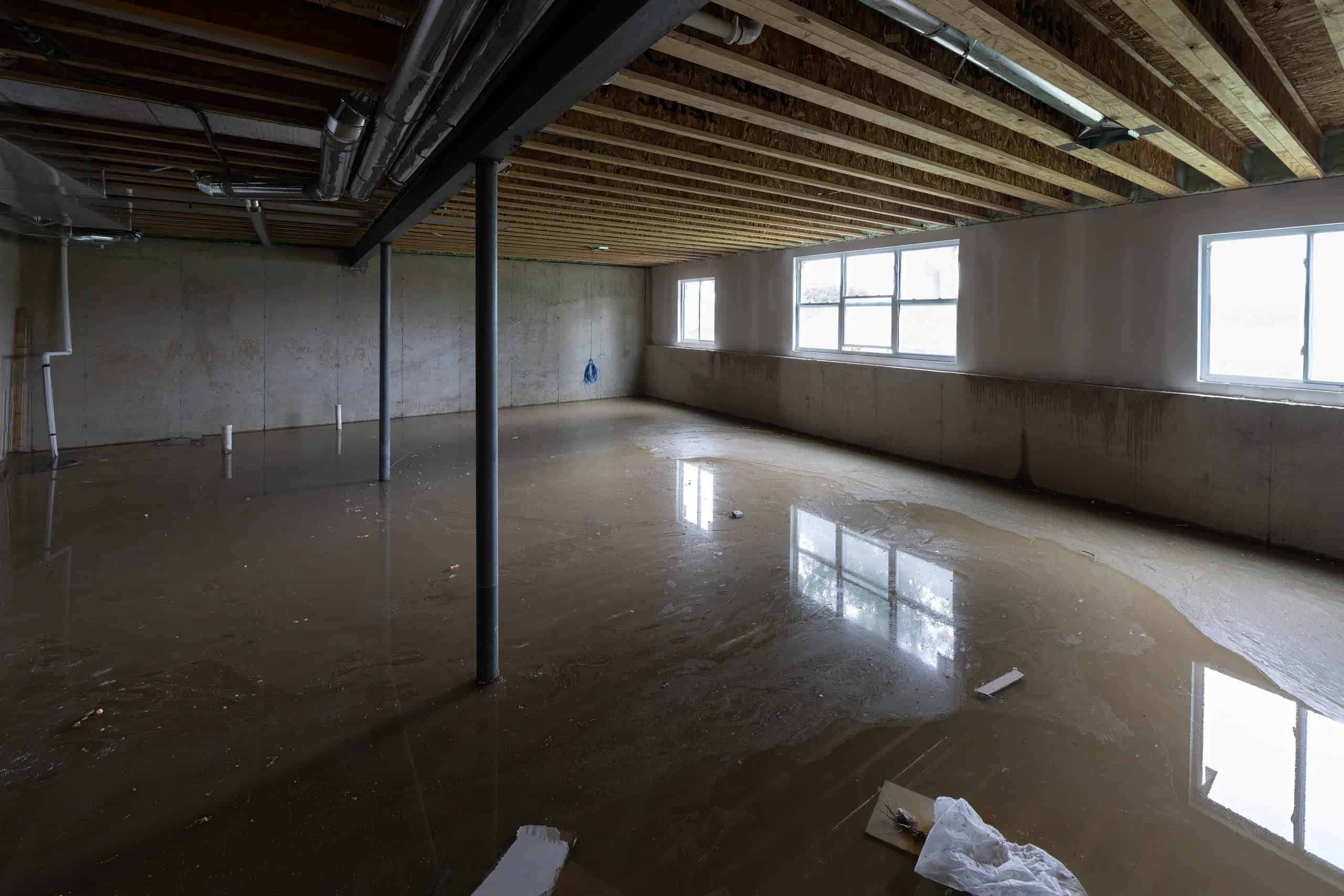
Hidden mold is particularly common in Nassau County’s older housing stock. Homes built during the post-war suburban boom of the late 1940s and 1950s — Levittown, Hicksville, Bethpage, Wantagh, and surrounding communities — were built with construction methods and materials that are far more susceptible to moisture intrusion than modern standards. Original plumbing systems that have aged 70-plus years develop slow leaks that can go undetected for months. Unventilated crawl spaces trap ground moisture. Attics without proper vapor barriers allow condensation to build up on structural framing.
Finding hidden mold requires more than a visual inspection. We use moisture meters and thermal imaging cameras to detect elevated moisture levels inside wall cavities and under floors before they become visible — because by the time mold is visible on the outside of a wall, there’s typically a significant colony on the inside. This technology is the difference between treating the actual problem and treating what’s visible while the real damage continues.
There’s another layer of risk specific to Nassau County’s older homes: asbestos. Pre-1980 construction commonly used asbestos in drywall joint compound, floor tiles, pipe insulation, and ceiling materials. When mold remediation requires opening walls — which it often does — disturbing those materials without proper testing and abatement protocols creates a secondary hazardous exposure. This is one of the reasons mold remediation in an older home isn’t a job for a general handyman or a mold-only contractor who has to stop and refer out when they find something unexpected. We handle mold remediation and asbestos abatement under the same roof, which means the project doesn’t stall when the wall comes open and reveals something that needs more than a mold contractor.
What Professional Mold Services Actually Look Like, Start to Finish
A lot of homeowners aren’t sure what they’re agreeing to when they call a mold company. The process sounds complicated, the cost feels unpredictable, and there’s a reasonable fear that a contractor will find more and more damage once they start opening things up. Those concerns are worth addressing directly.
Under New York State law — Article 32 of the NYS Labor Law, which has been in effect since 2016 — mold assessment and mold remediation must be performed by separate licensed parties. The same company cannot do both on the same property. This consumer protection exists to prevent exactly the conflict of interest you might be worried about: an assessor who also remediates has a financial incentive to find more than is actually there. So the assessment that tells you what you’re dealing with comes from an independent licensed assessor, and the remediation work is performed separately by a licensed contractor.
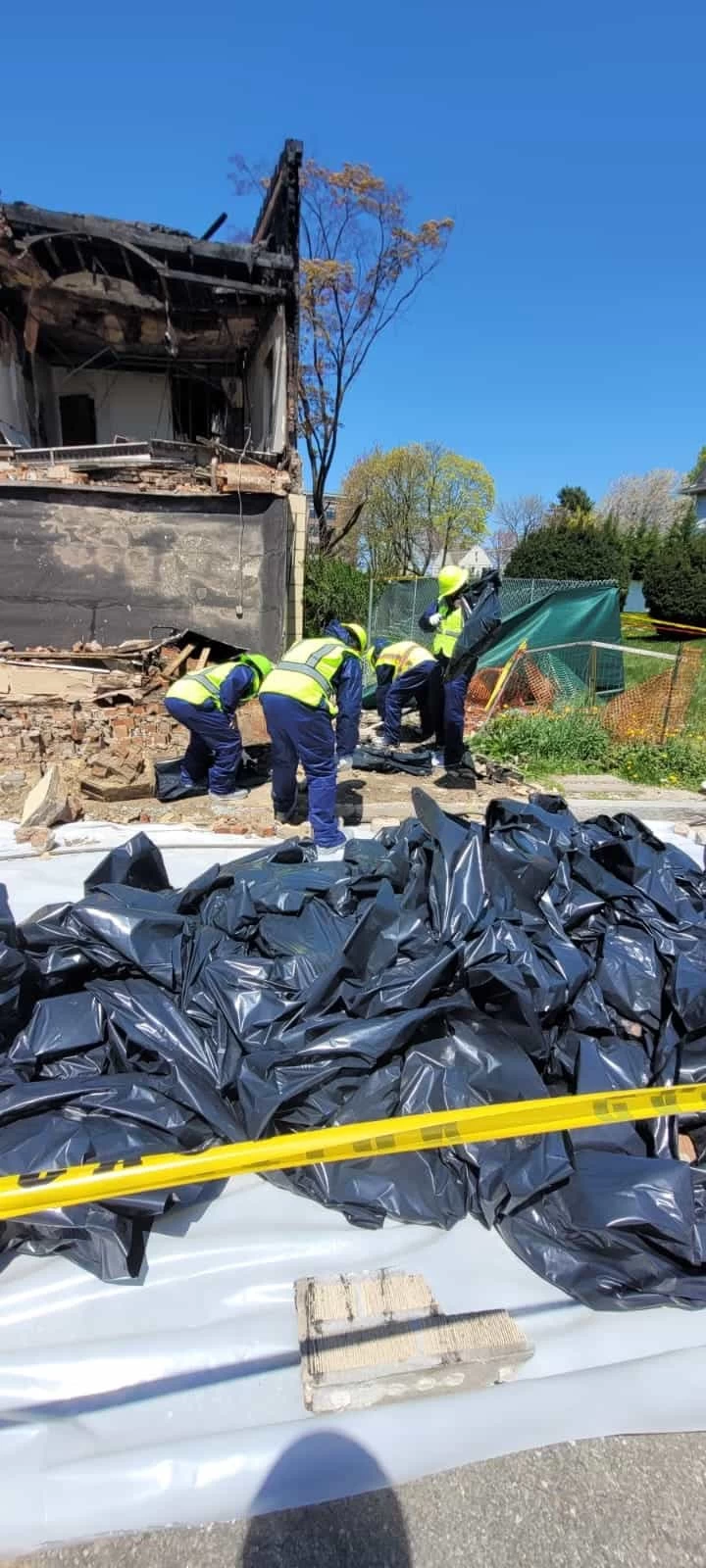
Our mold services follow a clear sequence. After an independent assessment identifies the scope and source, we contain the affected area using plastic sheeting and negative air pressure — this prevents spores from spreading to unaffected parts of your home during removal. We use HEPA-filtered vacuums and air scrubbers throughout the process, which capture particles as small as 0.3 microns — far smaller than what a standard vacuum or household air purifier can handle. Porous materials that are contaminated — drywall, insulation, wood framing — are removed and properly disposed of rather than cleaned, because cleaning doesn’t eliminate mold that’s grown into the material itself. After removal, surfaces are treated with professional-grade antimicrobial solutions. The job ends with post-remediation clearance testing by an independent party, which provides documented confirmation that the remediation was successful.
The timeline for most residential projects runs one to five days depending on scope. We come with enough crew and equipment to work efficiently — not stretched thin across multiple jobs at once. And because we also handle water damage restoration, structural repairs, and interior finishing, the project doesn’t end when the mold is gone. If drywall needs to be replaced, if a bathroom needs to be rebuilt, if a basement needs waterproofing after the source of moisture is identified — we handle that too, without you having to coordinate a second or third contractor to finish what we started.
One more thing worth knowing: we offer financing up to $200,000 at 0% APR. Remediation costs vary widely — the national average runs around $2,363, but larger or more complex projects can reach significantly higher. Waiting because of cost concerns almost always makes the problem worse and more expensive. The financing option exists so that cost doesn’t force a delay that turns a manageable situation into a major one.
Nassau County Mold Problems Don't Fix Themselves — Here's What to Do Next
If there’s one thing to take away from all of this, it’s that the line between a mold cleaning job and a mold remediation job is easier to cross than most people expect — especially in Nassau County, where coastal humidity, aging housing stock, and storm history create conditions that make mold more persistent and more likely to be hiding somewhere you can’t see it.
Surface cleaning has its place. But if the mold keeps coming back, if you’re smelling something you can’t locate, or if someone in your household has been dealing with unexplained respiratory symptoms, those are signs the problem is deeper than what a scrub brush can reach.
We’ve been handling mold remediation, water damage restoration, and environmental abatement across Nassau and Suffolk County for over 12 years. If you’re not sure what you’re dealing with, the right first step is getting an honest assessment — not a sales call. Reach out to us directly and we’ll help you figure out where things actually stand.