Summary:
Water damage doesn’t give you time to research. One morning you’re fine, and by afternoon you’ve got soaked drywall, a wet subfloor, and a sinking feeling that this is going to cost more than you want to think about. If you’re in Nassau County — whether that’s Long Beach, Freeport, Garden City, or anywhere along the South Shore — the stakes are especially high. Flood zones cover a significant portion of this county, and the housing stock here is old enough that water damage rarely stays simple for long. We’ve handled thousands of jobs across Nassau County, and we’ve learned that knowing what you’re facing before you make a single call makes all the difference.
Water Damage Repair Cost: What Nassau County Homeowners Actually Pay
The national average for water damage restoration sits around $3,864, with most jobs falling somewhere between $1,383 and $6,378. But Nassau County is not an average market. Labor rates here track with the NYC metro area — roughly 9% above the national baseline — and that’s before you factor in disposal fees for contaminated materials, regulatory compliance costs, or the very real possibility that your 1960s-era home has asbestos-containing pipe insulation sitting right behind that wet wall.
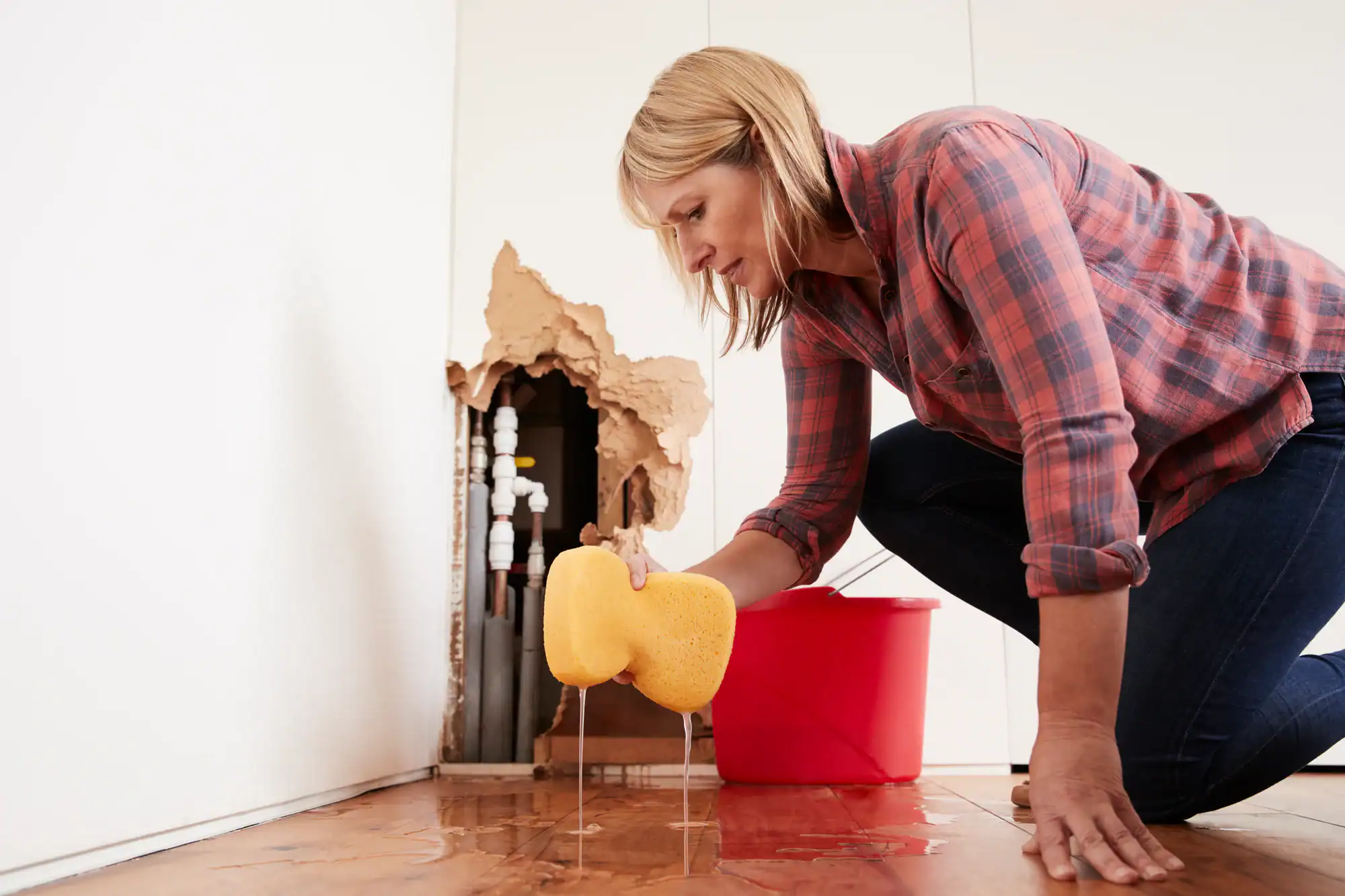
For minor damage — a small leak caught early, a toilet overflow in one bathroom — you might come in under $1,500. For a flooded basement in Oceanside or a burst pipe that soaked two floors in Levittown before anyone noticed, $10,000 to $20,000 is not unusual. Severe structural damage or black water contamination from a sewage backup can push well past $30,000. The range is wide because the variables are real.
Flood Damage Restoration Cost in Nassau County: Why the South Shore Changes the Math
Nassau County’s South Shore communities — Long Beach, Island Park, Freeport, Merrick, Massapequa — face a flood risk profile that’s unlike most of Long Island. The Atlantic Ocean, the Great South Bay, and a network of inlets and canals mean that a serious storm doesn’t just bring rain. It brings surge. After Hurricane Sandy reshaped the county’s flood zone maps in 2012, hundreds of thousands of Nassau residents discovered their properties carried far more risk than they’d realized. The county’s own Office of Emergency Management estimates that over 300,000 residents live in flood zones — that’s a significant portion of the entire county population.
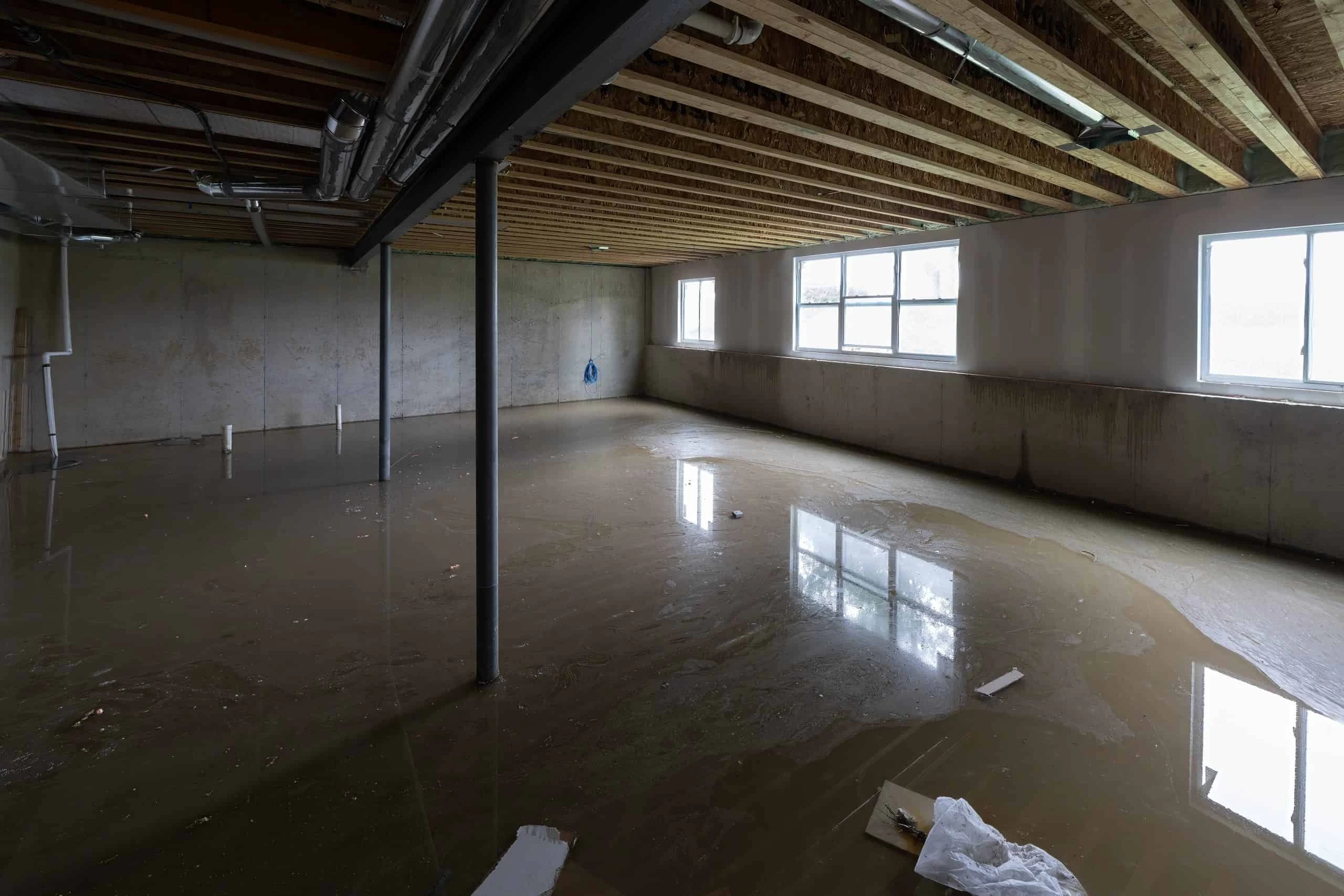
When floodwater enters a home from an external source — rising streets, storm surge, overwhelmed storm drains — you’re almost always dealing with Category 3 water. That’s the most contaminated classification, and it requires full remediation protocols: containment, proper disposal, PPE, and thorough treatment of every affected surface. At $7 to $7.50 or more per square foot just for the drying and remediation phase, a flooded 1,000-square-foot basement can run $7,000 to $10,000 before any structural repairs begin.
There’s also the asbestos question, which matters more in Nassau County than most places. A large percentage of homes here were built between the late 1940s and the 1970s — the Levittown era. Homes of that vintage frequently contain asbestos in pipe insulation, floor tiles, and ceiling materials. When water damage exposes those materials, you can’t just dry and repair. Abatement has to happen first, and it has to be done by a licensed contractor. That’s a cost most national pricing guides don’t mention, but it’s a reality for a lot of Nassau County homeowners.
Flood damage restoration in this county also tends to take longer than inland markets. The coastal humidity slows structural drying, which extends equipment rental time and can push total costs higher. If your home sits in a low-lying area with a high water table — common across much of southern Nassau — even a moderate rain event can result in groundwater infiltration that requires the same thorough drying process as a full flood.
Emergency Water Damage Cost: What You Pay When It Can't Wait Until Morning
After-hours calls carry a premium — typically $100 to $200 above standard rates — and that number makes some homeowners hesitate. It shouldn’t. Here’s the math that actually matters: mold begins growing within 24 to 48 hours of water intrusion. Category 1 water from a clean source — a supply line, a faucet — degrades into Category 2 within hours if it’s not extracted. Category 2 can become Category 3. A job that costs $3,000 at 10 p.m. can cost $15,000 or more by the following afternoon if the water sits overnight and saturates the subfloor, wicks into the wall framing, and creates conditions for mold.
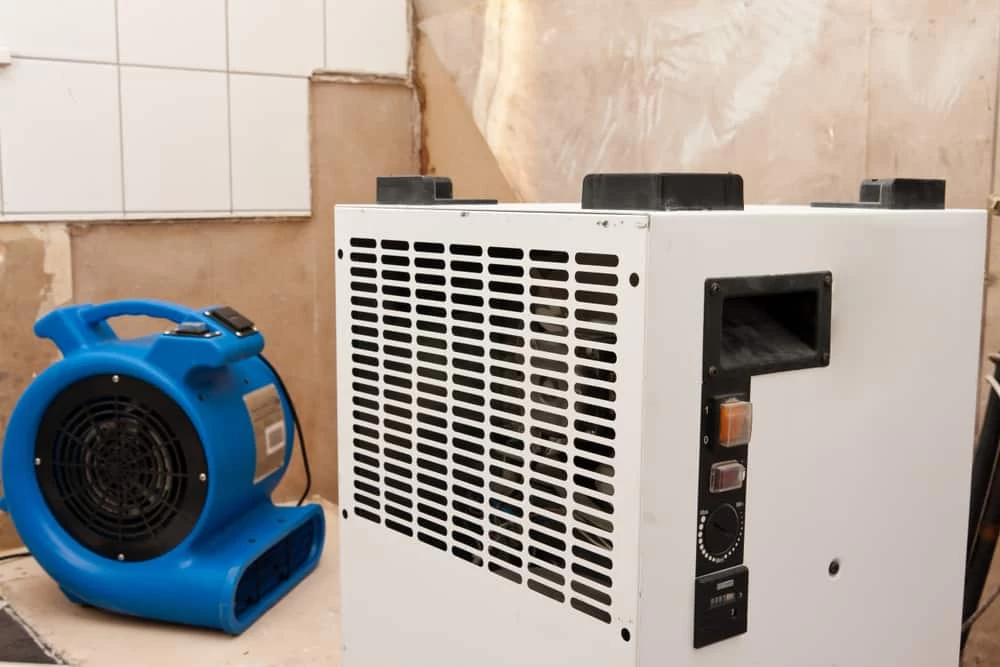
Emergency water damage response isn’t just about getting the water out. It’s about stopping the clock on a problem that compounds fast. Industrial extractors, thermal imaging to locate hidden moisture in wall cavities, and commercial dehumidifiers that actually drop the humidity in a space — these are the tools that make the difference between a contained event and a gut renovation. Consumer fans and hardware store dehumidifiers don’t come close.
We’re available 24 hours a day, every day, because water damage in Nassau County doesn’t follow a schedule. A nor’easter hits at 2 a.m. A pipe freezes and bursts on a Sunday morning in January. A sump pump fails during a spring storm in Massapequa while you’re at work. When you call us, we respond — with the equipment and the crew to start immediately, not to schedule an assessment for Tuesday. The after-hours surcharge is real. The cost of waiting is much more real.
Water Damage Restoration Cost Factors Most Homeowners Don't See Coming
The visible damage is only part of the bill. What drives costs up — sometimes dramatically — is everything that’s happening inside the walls, under the floor, and behind the surfaces that look fine from the outside. Thermal imaging frequently reveals moisture pockets that would never be caught by a visual inspection alone, and leaving those untreated is how a $4,000 restoration turns into a $20,000 mold remediation six months later.
Insurance coverage adds another layer of complexity. Standard homeowners insurance covers sudden and accidental water damage — burst pipes, appliance failures, roof leaks that let water in. It does not cover flooding from external sources, which requires separate flood insurance through the National Flood Insurance Program. In Nassau County, where both types of damage happen regularly, understanding that distinction before you file a claim matters.
Does Homeowners Insurance Cover Water Damage in Nassau County?
This is the question we hear most often, and the honest answer is: it depends on where the water came from. If a pipe burst in your Mineola home, your washing machine overflowed in Merrick, or a roof leak let water into your Massapequa attic, your standard homeowners policy almost certainly covers it. These are classified as sudden and accidental events, and most policies respond to them. The key word is “sudden” — gradual leaks that go unaddressed for months are typically excluded.
If the water came in from outside — storm surge, a flooded street, rising groundwater — that’s flood damage, and it’s only covered if you carry a separate flood insurance policy through the NFIP. Nassau County participates in the program, and given that over 300,000 county residents live in designated flood zones, a significant number of homeowners here carry it. If you’re not sure whether you do, your insurance declarations page will tell you.
The practical implication is that you need to know which type of event you’re dealing with before you file. We handle insurance coordination directly — that means we document the damage, communicate with your adjuster, and bill the carrier, not you, wherever coverage applies. A lot of homeowners are surprised to discover how much their policy actually covers when someone walks through it with them properly. Out-of-pocket costs after a covered loss are often far lower than people expect going in.
For jobs that fall outside coverage — or where the scope exceeds what insurance will pay — we offer financing up to $200,000 at 0% APR. No other restoration company in this market offers anything close to that, and it exists specifically so that a major restoration project doesn’t put a Nassau County family in a financial bind on top of an already stressful situation.
Hidden Water Damage Costs Nassau County Homeowners Often Overlook
Beyond the core restoration work, there are costs that catch people off guard. Mold remediation is the big one. If water damage isn’t addressed quickly and thoroughly, mold can establish itself in wall cavities and under flooring in as little as 24 to 48 hours. In Nassau County’s coastal climate, where ambient humidity is already elevated, that timeline can be even shorter. Remediation costs typically run $1,500 to $4,000 for a contained area — more if it’s spread through multiple rooms or into HVAC systems.
Content damage is another line item that gets underestimated. Furniture, electronics, documents, clothing — water doesn’t discriminate. Professional content cleaning and pack-out services add to the total, but they also save items that would otherwise be total losses. If your home is uninhabitable during restoration, temporary housing costs are real too, and they can stretch over days or weeks depending on the scope of the work.
In Nassau County specifically, the asbestos issue deserves its own mention again. We’ve walked into homes in Freeport and Oceanside where a straightforward pipe leak opened up a wall cavity lined with asbestos insulation. At that point, restoration has to pause until abatement is complete. That’s not a cost any general pricing guide will warn you about, but it’s a genuine risk in any Nassau County home built before 1980. Because we’re licensed for asbestos abatement in addition to water damage restoration, we can handle both without bringing in a separate contractor — which keeps the timeline shorter and the coordination simpler.
Finally, extended drying requirements add up. Older homes with plaster walls, hardwood floors, and dense structural framing take longer to dry than newer construction. Each additional day of equipment rental — dehumidifiers, air movers, monitoring equipment — adds to the total. It’s not a hidden fee; it’s just a reality of thorough restoration work that the job isn’t done until the moisture readings confirm it.
Getting Water Damage Repair Right the First Time in Nassau County
Water damage repair costs in Nassau County range from under $1,500 for a minor, contained event to well over $30,000 for severe flooding or black water contamination. The single biggest factor in where your job lands on that range is how quickly you act. Every hour of delay narrows your options and raises your final number.
What matters most is working with a company that treats the whole problem — not just the water you can see. That means thermal imaging, proper drying documentation, category-appropriate protocols, and the ability to handle whatever’s behind the walls, including mold and asbestos, without handing you off to someone else.
We’ve been doing this work in Nassau County since 2012. We’re available around the clock, we handle insurance coordination directly, and we can get started the same day you call. If you’re dealing with water damage right now — or trying to understand what you’re facing before you make a decision — reach out to us and we’ll give you a straight answer.