Summary:
Finding mold in your home is stressful enough. Then you start making calls and realize the process is more complicated than you expected — different companies for different steps, licensing requirements you’ve never heard of, and rules that vary depending on where you live. In Nassau County, the regulations are layered, and the stakes are high. Homes here are worth a lot, and the last thing you want is to hire the wrong contractor, skip a required step, and end up back at square one. This page walks you through exactly how New York’s mold assessment and remediation laws work — and what they mean for your specific situation on Long Island.
Mold Remediation Laws in New York: Why the Same Company Can't Do Both
New York State passed Article 32 of the Labor Law on January 29, 2015, with an effective date of January 1, 2016. The law was a direct response to the remediation fraud that followed Hurricane Sandy — contractors who inspected properties, wrote their own cleanup plans, executed the work, and then signed off on their own results. Nassau County’s South Shore communities, places like Long Beach, Oceanside, Freeport, and Massapequa, were hit especially hard, and the abuses that followed made it clear the industry needed oversight.
The core of Article 32 is what’s commonly called the two-company rule. Any mold project involving 10 square feet or more of growth requires a licensed mold assessor to evaluate the problem and produce a written remediation plan — and a completely separate licensed mold remediator to execute that plan. The same company cannot do both on the same project. That’s not a suggestion. It’s state law, and violations carry penalties ranging from $800 to $10,000 per offense.
Licensed Mold Remediation: What NY State Certification Actually Requires
The licensing structure under Article 32 creates two distinct roles, and it’s worth understanding both even if you’re only hiring for one side of the project.
A mold assessor contractor is licensed by the NYS Department of Labor to inspect properties, collect air and surface samples, interpret lab results, and produce the written remediation plan that any licensed remediator is legally required to follow before touching anything. That plan has to specify which rooms are affected, what materials need to be removed, what containment methods will be used, and how the space will be cleaned and sanitized. It’s not a rough estimate — it’s a legal document, and it has to exist before remediation begins.
A mold remediator contractor holds a separate NYS DOL license and is authorized to execute the remediation plan. Their workers must complete a minimum of 32 hours of NYSDOH-accredited training, with at least 16 of those hours hands-on. The work itself involves containment barriers — typically 6-mil polyethylene sheeting — negative air pressure using HEPA-filtered machines, controlled removal of porous materials, antimicrobial treatment, and HEPA vacuuming throughout. When the remediation is complete, the original assessor returns to conduct a post-remediation assessment and issue a written clearance report. Without that clearance, the project isn’t legally finished.
To verify that any contractor you’re considering holds a valid license, the NYSDOL maintains a searchable database of licensed mold assessors and remediators online. Look up the company by name before signing anything. If they can’t provide a license number, that’s your answer.
One more thing worth knowing: if a company offers you a “free inspection” contingent on getting the remediation contract, walk away. That arrangement is exactly the conflict of interest Article 32 was written to prevent. A legitimate assessor charges for their work because their independence is the point.
Mold Remediation Permits and Nassau County's Extra Compliance Layer
Here’s where Nassau County diverges from the rest of Long Island in a way most homeowners — and even some contractors — don’t know about.
Beyond the NYS DOL licensing requirements that apply statewide, Nassau County requires mold remediation contractors to hold an EHRP license — Environmental Hazard Remediation Provider — issued by the Nassau County Department of Consumer Affairs. Individual technicians performing the hands-on work must hold a separate EHRT credential, which stands for Environmental Hazard Remediation Technician. To earn an EHRT, a worker needs OSHA safety training, a 40-hour HAZWOPER course, and bloodborne pathogen certification. Suffolk County does not have this requirement. It’s specific to Nassau County, and it matters.
What this means practically is that a contractor can hold a valid NYS DOL mold remediator license and still be operating in violation of Nassau County regulations if they haven’t gone through the county’s EHRP credentialing process. If you’re in Garden City, Merrick, Wantagh, or anywhere else in Nassau County, you should be asking for both credentials — not just one.
For projects in New York City, there’s an additional layer: Local Law 61 of 2018 requires remediators working in buildings with 10 or more dwelling units to file a Mold Remediation Work Plan Notification with the NYC Department of Environmental Protection no later than two days before work begins. That’s a separate compliance step that applies to larger residential buildings, and it’s easy to miss if your contractor isn’t paying attention.
Article 32 also requires that a notice be posted at the project site during remediation — a small detail, but one that signals a contractor knows the law well enough to follow it completely. If you’re hiring for a project in Nassau County, asking about EHRP certification, site posting requirements, and post-remediation clearance testing is a reasonable way to quickly gauge whether you’re talking to someone who actually knows what they’re doing.
How the Two-Company Rule Affects Your Nassau County Mold Project
The two-company requirement adds real time and coordination to a mold project. You’re not just scheduling one contractor — you’re sequencing two, with a written plan and a lab report sitting in between them. Understanding that timeline upfront prevents frustration and keeps your project moving on schedule.
A typical project in Nassau County looks something like this: the independent assessor comes out, conducts a visual inspection, takes air and surface samples, and sends them to a lab. That process takes a few days. Once the written remediation plan is ready, you hire the remediator to execute it. Remediation itself can range from a single day to a week or more depending on scope. Then the assessor returns for clearance testing. Start to finish, a straightforward project might take one to two weeks — longer if the damage is extensive or if materials need to be rebuilt after removal.
Nassau County's Pre-War Housing Stock and Why Mold Risk Is Higher Here
A lot of Nassau County’s housing stock was built during the post-World War II suburban boom — the Levittown era and the decades that followed. Cape Cods, ranches, split-levels, many with unfinished basements, older plumbing systems, and insulation that wasn’t designed with today’s understanding of moisture management in mind. These homes are more susceptible to hidden moisture accumulation, and hidden moisture is where mold lives.
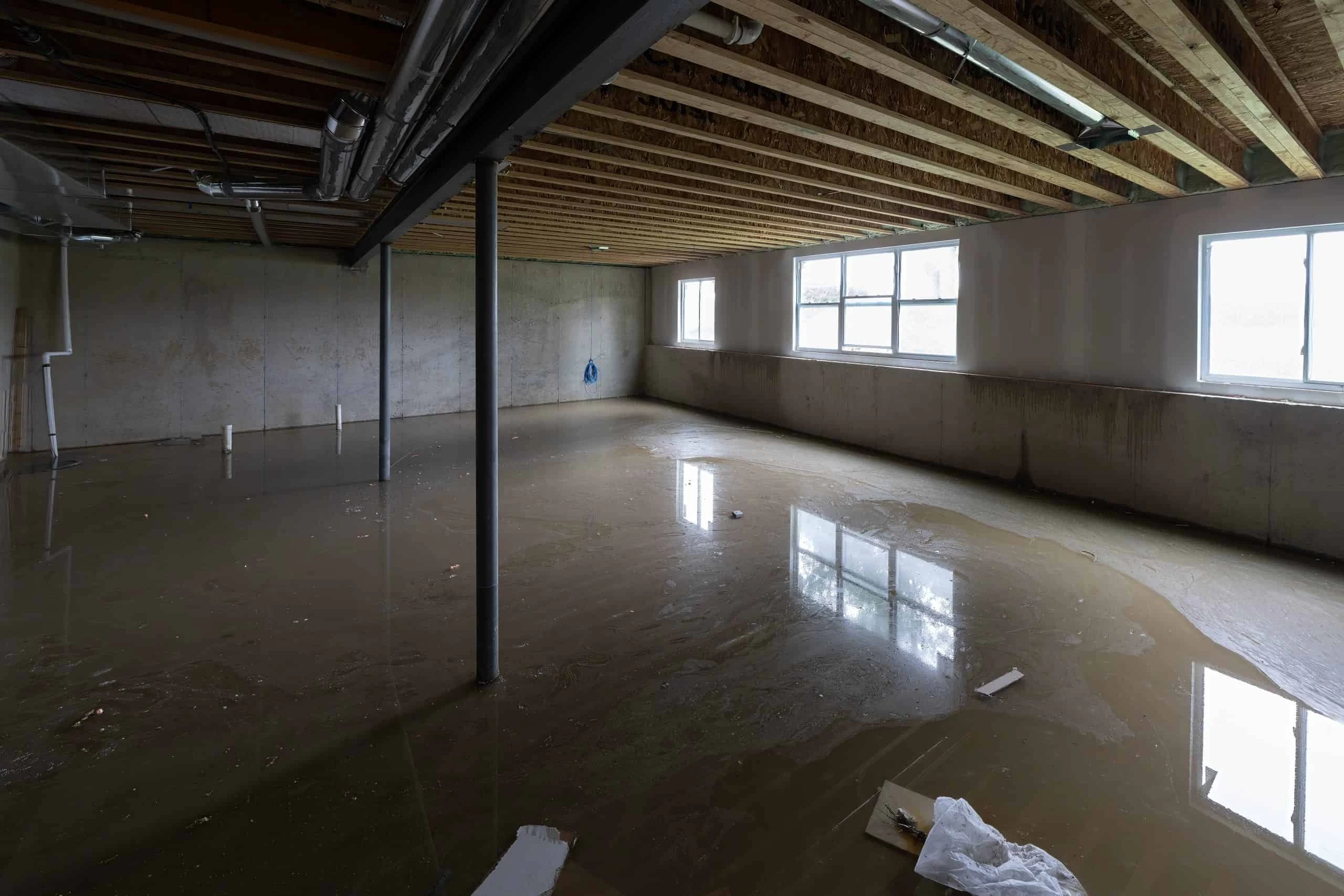
Add to that Nassau County’s geography. Sitting between the Long Island Sound to the north and the Atlantic Ocean to the south, the county experiences persistently elevated humidity from June through September — regularly above 60% outdoors, which slows natural drying inside homes and creates ideal conditions for mold growth. The South Shore in particular, with its low elevation and proximity to bays and inlets, has a documented history of flooding and repetitive moisture intrusion.
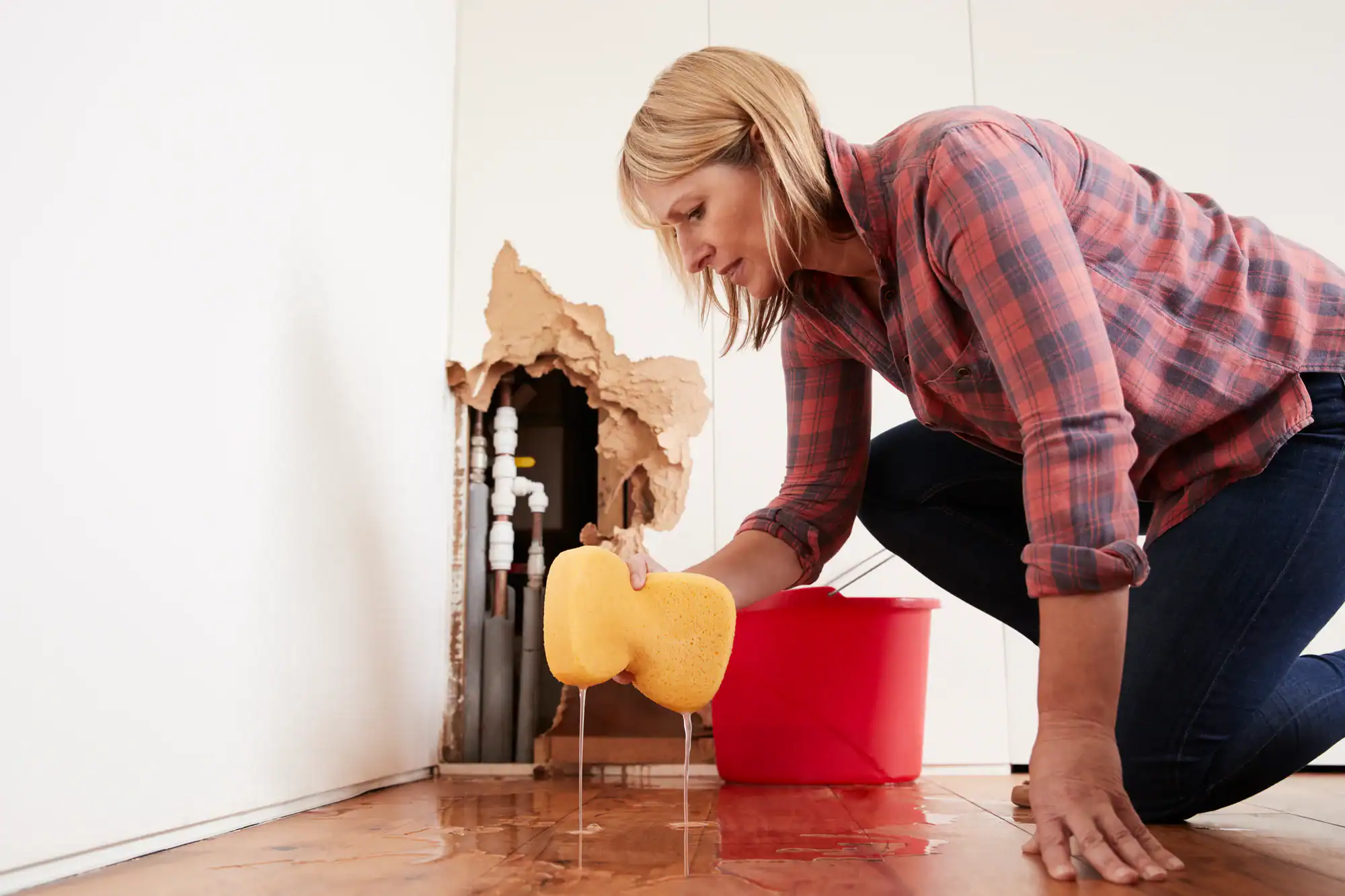
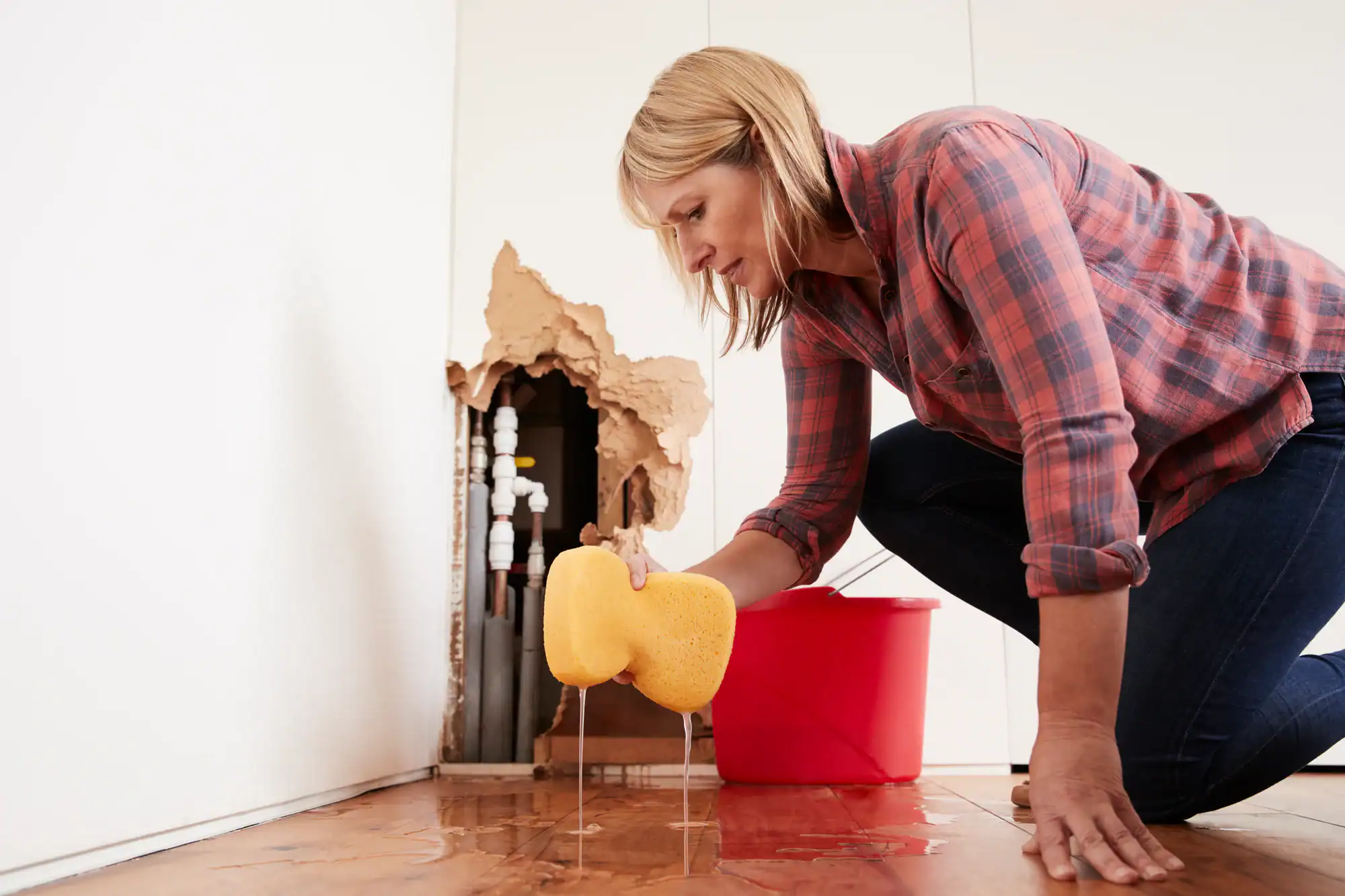
Mold starts colonizing within 24 to 48 hours of water exposure. For homeowners in flood-prone areas like Oceanside, Baldwin, or Long Beach, a slow response after a storm or a pipe failure isn’t just inconvenient. It’s the difference between a contained remediation project and a much larger one.
It’s also worth knowing that many of Nassau County’s older homes contain asbestos — in floor tiles, pipe insulation, ceiling materials, and joint compound. When mold remediation requires demolition of structural materials, asbestos can be an unexpected complication. Working with a contractor who holds both mold remediation and asbestos abatement capabilities means you’re not scrambling to find a second specialty contractor mid-project.
Common Questions Nassau County Homeowners Ask About Mold Requirements
Can I just clean the mold myself? New York law doesn’t prohibit property owners from remediating their own homes without a license. But if the affected area is larger than 10 square feet — roughly the size of a standard interior door — and you’re hiring anyone to help, those people need to be licensed. More practically, DIY remediation frequently spreads spores to unaffected areas, misses growth behind walls or under flooring, and doesn’t address the moisture source. The mold comes back. Most homeowners who try to handle it themselves end up hiring a professional anyway, just later and with more damage.
Does my homeowner’s insurance cover mold remediation? In Nassau County, the honest answer is that it depends on the cause. If mold resulted from a covered event — a burst pipe, storm flooding — your policy may cover remediation costs. If it resulted from gradual moisture buildup or a maintenance issue, most policies exclude it. The 2023 update to New York’s Property Condition Disclosure Statement now requires sellers to disclose known indoor mold when selling a home, which has made this question even more relevant for homeowners thinking about selling in Nassau County’s active real estate market.
What happens if I hire an unlicensed contractor? Beyond the risk of poor workmanship, you can be left with no legal recourse, no clearance documentation, and potentially a mold problem that was never fully resolved. NYSDOL has issued thousands of violations since Article 32 took effect in 2016, with documented cases of contractors being fined $10,000, barred from mold work, and held liable for re-remediation costs. You’d still have to pay someone else to do it right.
What to Do When You Find Mold in Your Nassau County Home
New York’s mold laws exist for good reason, and understanding them before you hire anyone puts you in a much stronger position. Know that the assessment and remediation have to be handled by separate licensed companies. Know that Nassau County adds its own EHRP/EHRT layer on top of state requirements. Know that the project isn’t complete until a post-remediation clearance report is in your hands.
If you’re dealing with mold right now — or you suspect you might be — the worst thing you can do is wait. The 24 to 48-hour window before mold takes hold is real, and Nassau County’s coastal humidity doesn’t slow things down.
We’ve been working in Nassau County for over 12 years. We’re fully licensed, insured, and compliant with both NYS DOL and Nassau County EHRP requirements. We also handle asbestos abatement when remediation uncovers it — which happens more often than you’d expect in older Long Island homes. If you have questions about the process, the requirements, or what your specific situation might involve, reach out. We’ll give you a straight answer.