Summary:
After a storm rolls through Nassau County, most homeowners do the same thing: walk the property, assess what broke, and immediately start wondering whether insurance will cover it. It’s a reasonable question — and a complicated one. Standard homeowners policies cover some storm damage and exclude other kinds entirely, and the line between the two isn’t always obvious until you’re already in the middle of a claim. This guide is here to make that clearer. You’ll walk away understanding what’s typically covered, where the gaps are, what to do immediately after a storm, and why the first 24 to 48 hours matter more than most people realize.
What Homeowners Insurance Actually Covers After Storm Damage
The short answer is: it depends on how the water got in. Standard homeowners insurance is built around the concept of “covered perils” — specific events that trigger coverage. Wind, hail, and storm-driven rain that enters through a damaged roof or broken window are typically covered. Water that rises from the ground and enters your home — storm surge, overflowing streets, saturated soil — is not. That requires separate flood insurance through the National Flood Insurance Program or a private carrier.
This distinction catches Nassau County homeowners off guard more than almost anything else. After Hurricane Sandy, thousands of south shore residents discovered that their standard policies didn’t cover the surge damage because the water came from outside the structure, not through a breach caused by wind. Knowing this before a storm hits — not after — is the difference between a covered claim and a devastating out-of-pocket loss.
Storm Water Damage vs. Flood Damage: Why the Source of Water Changes Everything
Insurance adjusters don’t just ask “was there a storm?” They ask where the water came from and how it entered the structure. Those two questions determine whether your claim gets approved or denied.
If a nor’easter tears shingles off your roof and rain soaks through the ceiling into your living room, that’s storm water damage — a covered peril under most standard homeowners policies. The storm created an opening, and water entered through it. That’s the scenario your policy is designed for. But if that same storm pushes water up from the bay, over the bulkhead, and into your basement, that’s flood damage — and your standard policy won’t touch it, regardless of what caused the flooding.
This matters enormously in Nassau County, where the geography creates multiple flooding scenarios at once. The south shore communities — Long Beach, Freeport, Oceanside, Merrick, Massapequa — sit close to the Atlantic and the bay systems that run along the island’s underbelly. During Sandy, storm surge in the western Nassau bays exceeded FEMA’s 100-year base flood elevation at every monitored station. Many of those homes had homeowners insurance. Far fewer had flood insurance. The result was a painful lesson about the gap between what people assumed they had and what they actually had.
There’s also a middle ground that creates real confusion: wind-driven rain. If your windows are intact and your roof is undamaged but rain still somehow enters the home during a storm, some insurers will argue there was no breach and therefore no covered peril. Documentation matters here. Photographs taken immediately after the storm, before any cleanup or temporary repairs, are often the deciding factor in whether a borderline claim gets approved or disputed.
One more thing worth knowing: 25% of flood losses in the U.S. occur outside FEMA-designated flood zones. If your property wasn’t classified as high-risk before Sandy, that designation may have changed when FEMA revised Nassau County’s flood maps afterward. It’s worth checking your current zone status before the next storm season, not during it.
Hurricane Deductibles in New York: What Nassau County Homeowners Need to Know
Most homeowners are familiar with their standard deductible — the flat dollar amount they pay before insurance kicks in. What fewer people know is that many New York policies include a separate hurricane or windstorm deductible that applies specifically when a named storm is involved. And unlike a standard deductible, this one is calculated as a percentage of your home’s insured value.
On a home insured for $400,000 with a 2% hurricane deductible, you’re responsible for the first $8,000 before our coverage begins. At 5%, that’s $20,000 out of pocket. These numbers can come as a genuine shock when you’re already dealing with significant damage and expecting your policy to absorb most of the cost.
The trigger for a hurricane deductible varies by policy and insurer. Some activate when a named storm is officially designated by the National Hurricane Center. Others apply more broadly to any wind event above a certain speed. Reading the actual language in your declarations page — not just the summary — is the only way to know what applies to your specific situation.
This is one of the reasons having a restoration company that works directly with insurance carriers matters more than it might seem. When we document storm damage for our clients, we’re not just taking photos — we’re building a file that accurately captures the scope, the cause, and the timeline of the damage. That documentation is what gives adjusters the information they need to process a claim correctly and what gives homeowners the best chance of recovering what they’re actually owed. The average insurance payout for water damage sits around $13,954, but claims that are poorly documented often settle for far less than the actual damage warrants.
How We Handle Storm Damage Restoration Services in Nassau County
Storm damage restoration isn’t the same as a standard repair job. It’s a sequenced process that starts with emergency response, moves through damage assessment and mitigation, and ends with full structural restoration — and insurance documentation runs through every phase of it.
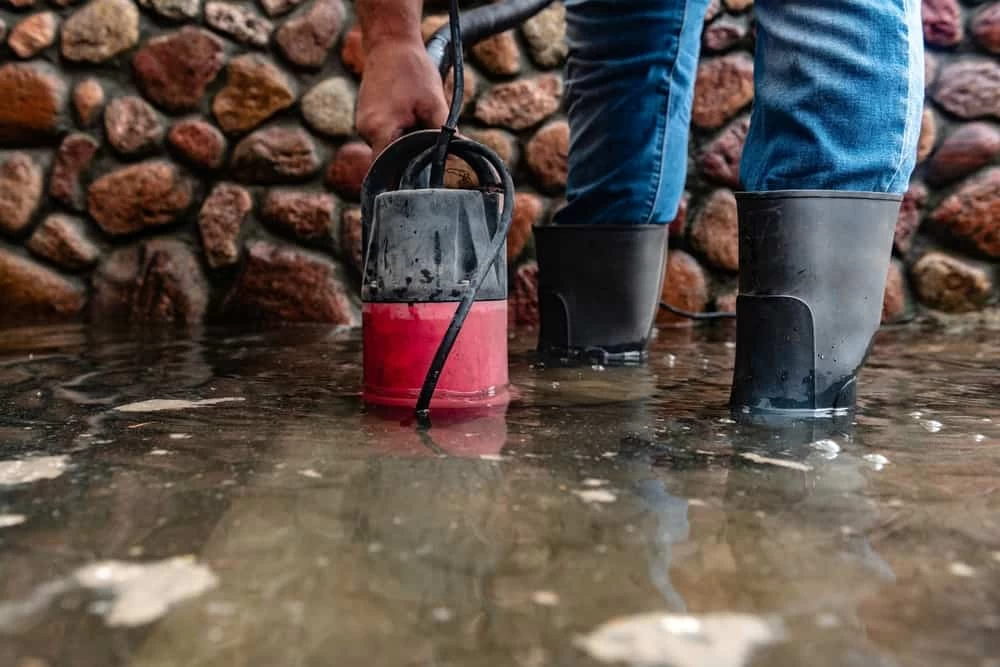
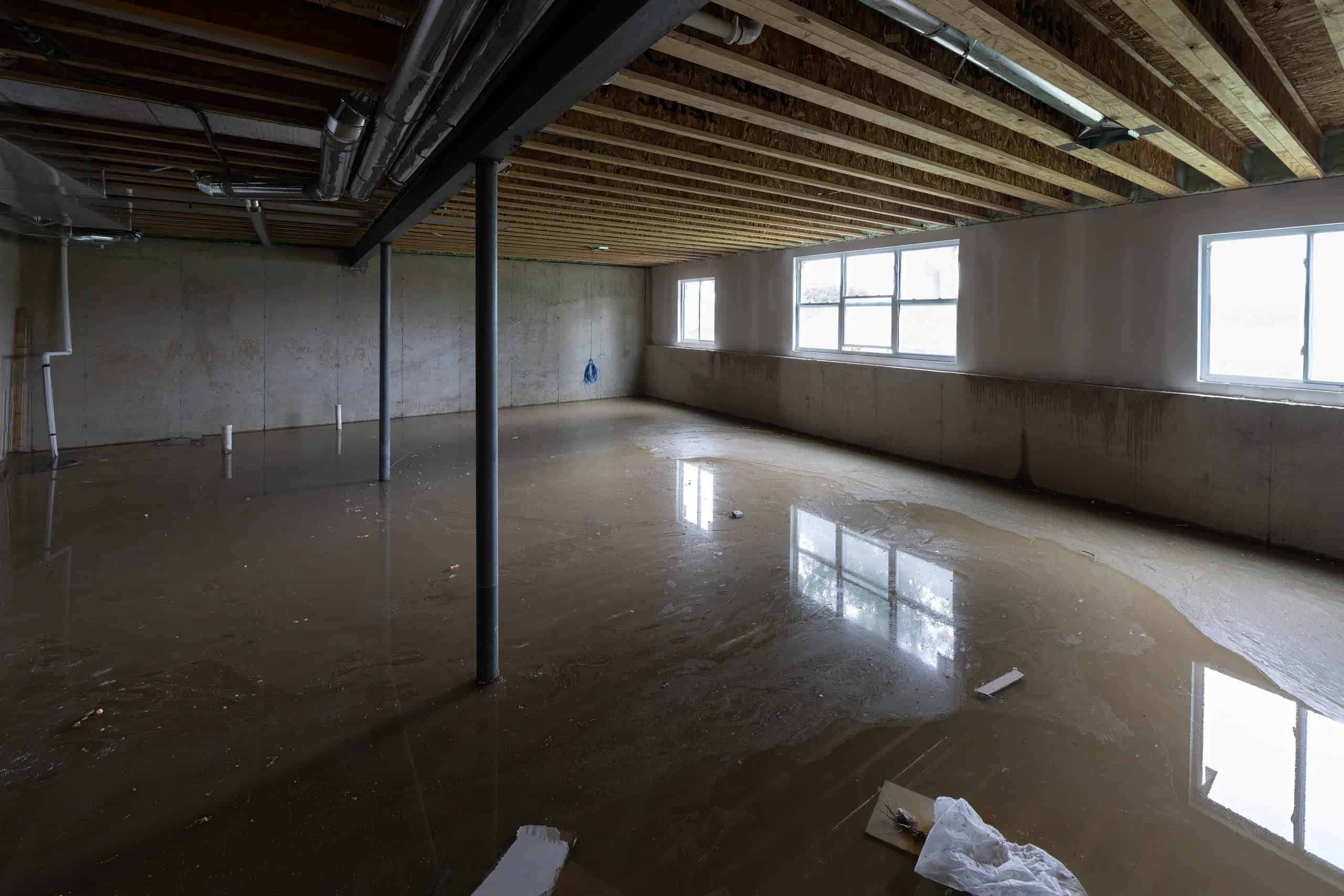
The first priority after a storm is stopping the damage from getting worse. A compromised roof, broken windows, or standing water in a basement will compound the problem with every passing hour. Emergency board-up, roof tarping, and water extraction aren’t just practical steps — they’re also what most insurance policies require. Failing to mitigate further damage can actually reduce or complicate your claim.
Why the First 48 Hours After Storm Damage Are the Most Critical
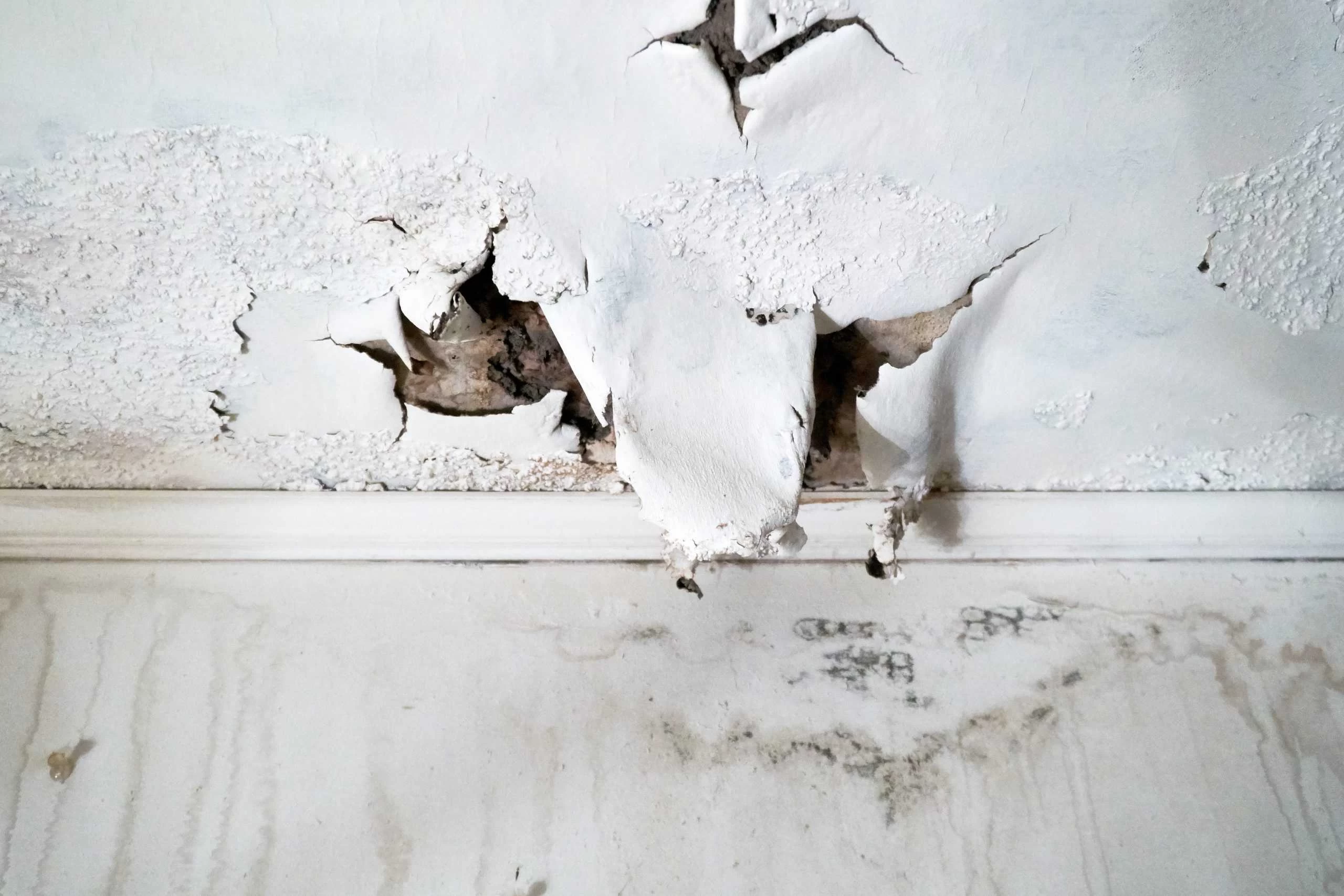
There’s a specific reason we emphasize speed on every storm damage call we take in Nassau County. Mold begins growing within 24 to 48 hours of untreated water intrusion. That’s the IICRC standard, the same body that sets professional restoration protocols across the industry. Once mold takes hold in wall cavities, insulation, or subfloor materials, the restoration scope expands significantly, costs increase, and health concerns enter the picture.
For Nassau County’s older housing stock — much of which was built during the post-war suburban boom of the 1940s through 1960s — there’s an additional layer of risk that most restoration companies don’t address. When storm damage penetrates walls, ceilings, or insulation in a home built before 1980, there’s a real possibility of disturbing asbestos-containing materials. Floor tiles, pipe insulation, and joint compound from that era frequently contain asbestos. A contractor who doesn’t recognize or address that risk isn’t just doing incomplete work — they’re potentially creating a hazardous situation that a standard restoration company isn’t equipped to handle.
We handle asbestos abatement in-house, which means when we find it during a storm damage assessment, we don’t have to stop work and bring in a separate contractor. For homeowners in places like Levittown, Garden City, Valley Stream, or any of the county’s older neighborhoods, that capability matters.
Beyond the mold clock and legacy material risks, the 48-hour window is also when documentation is most valuable. Moisture readings taken at grid intervals, photographs of every affected surface, and written damage assessments created before any cleanup begins are what give insurance adjusters the information they need to approve a claim. Evidence degrades fast once drying begins. Getting a professional on-site early isn’t just about stopping the damage — it’s about building the record that makes your claim defensible.
How Storm Damage Restoration Differs From Standard Water Damage Repair
Standard water damage repair — a leaking pipe, a failed appliance, a slow roof leak — is usually a contained event. The source is identifiable, the affected area is limited, and the remediation follows a predictable path. Storm damage is different in almost every respect.
A significant storm event can affect multiple systems simultaneously: the roof, exterior walls, windows, basement, HVAC system, and electrical components can all be compromised at once. The water involved may be Category 3 — what the industry calls “black water” — if it carries sewage, debris, or contaminants from storm surge or backed-up municipal systems. Category 3 water requires a different remediation protocol than clean water from a burst pipe, and the documentation requirements for insurance are more involved.
Storm damage restoration also operates under time pressure that standard repairs don’t face. After a major weather event, every restoration company in Nassau County is fielding calls at the same time. Homeowners who wait — either because they’re unsure whether to call before the adjuster arrives, or because they’re hoping the damage isn’t as bad as it looks — often find themselves further back in the queue while the damage continues to develop.
The claims process runs parallel to the restoration process, not after it. Emergency mitigation work — water extraction, temporary weatherproofing, structural stabilization — is typically covered under most policies and can begin before the adjuster visits. Full restoration work, which involves rebuilding damaged structures, replacing materials, and finishing surfaces, is usually coordinated with the adjuster’s assessment. Understanding that distinction helps homeowners avoid two common mistakes: doing nothing while waiting for the insurance company, or doing too much before the damage is properly documented.
We work directly with insurance carriers throughout this process. That means we’re on-site when adjusters come, we provide the moisture readings and damage reports they need, and we make sure the scope of work reflects the actual damage — not just what’s visible on the surface.
Storm Damage Restoration in Nassau County: What to Do Next
If there’s one thing to take away from all of this, it’s that the decisions you make in the first few hours after storm damage have a larger impact on your insurance claim — and your home — than anything that comes later. Document before you clean up. Call for emergency mitigation before you wait for an adjuster. And understand the difference between what your homeowners policy covers and what requires separate flood insurance.
Nassau County’s combination of aging housing stock, south shore flood exposure, and active storm seasons makes this more than a theoretical exercise. Sandy, Isaias, the 2014 flash floods — these weren’t once-in-a-generation events for this county. They’re part of living here.
If you’re dealing with storm damage now or want to understand your options before the next storm season, we at Green Island Group have been handling storm damage restoration services across Nassau County for over 12 years. We respond around the clock, work directly with your insurance carrier, and handle everything from emergency board-up through final restoration — including asbestos abatement when older homes require it. Reach out and we’ll walk you through exactly where things stand.