Summary:
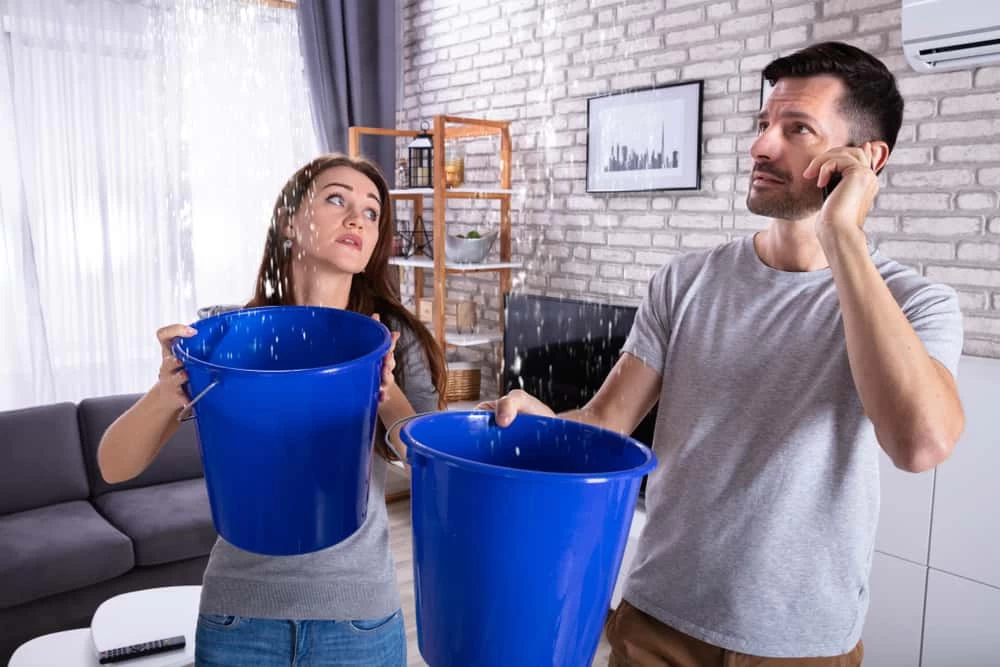
You didn’t plan for this. Nobody does. Whether it’s a basement that filled up overnight during a nor’easter, a burst pipe in a Levittown colonial, or a sump pump that quit during a South Shore storm — water in your home is one of those situations where the clock starts the moment you discover it. The decisions you make in the next few hours will determine whether you’re looking at a manageable restoration or a mold problem that doubles your costs. This guide explains what emergency water removal actually involves, what we do that you can’t replicate with a shop vac, and when calling for help isn’t optional anymore.
What Is Emergency Water Removal and Why Does Timing Matter?
Emergency water removal is the immediate process of extracting standing water from a property, drying out the structure, and preventing the secondary damage that follows if moisture is left behind. It’s not just about getting the water out — it’s about what happens to your walls, floors, subfloor, and insulation in the hours after the water appears.
The EPA and IICRC both confirm that mold can begin growing within 24 to 48 hours of water exposure. In Nassau County, where summer humidity runs high and coastal air keeps moisture levels elevated year-round, that window can be even tighter. A single inch of standing water can cause up to $25,000 in damage when you factor in flooring, drywall, framing, and the mold remediation that follows if drying is delayed. Acting within the first 24 hours can reduce your total restoration costs by an average of 30%.
What Happens If You Wait — The Real Cost of Delayed Water Damage Response
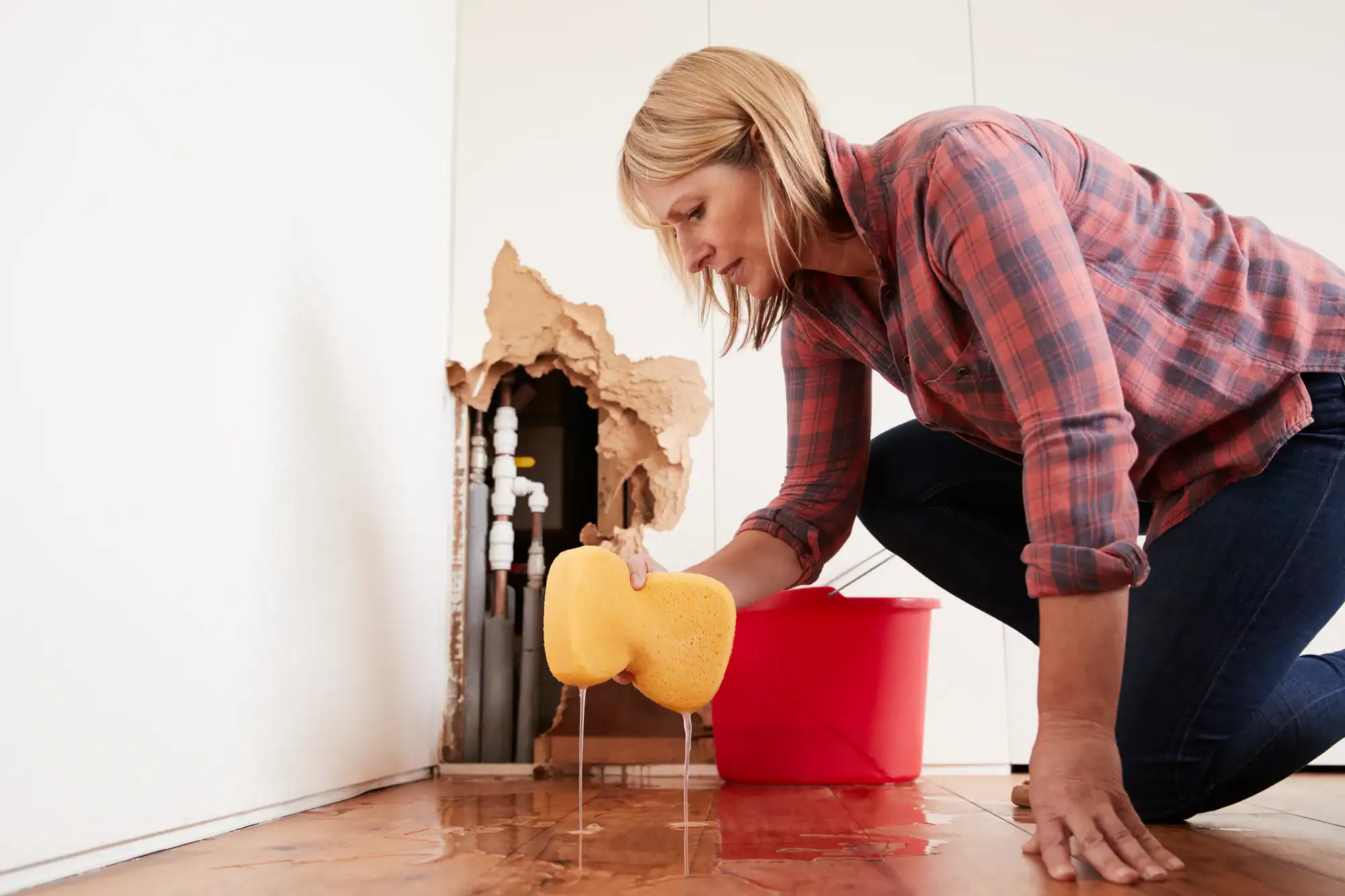
Most homeowners underestimate how aggressively water moves. It doesn’t stay where you found it. Within hours, it wicks into drywall, travels along floor joists, saturates insulation, and pools inside wall cavities where you’ll never see it with the naked eye. By the time visible drying appears to be complete, the hidden moisture is already doing its work.
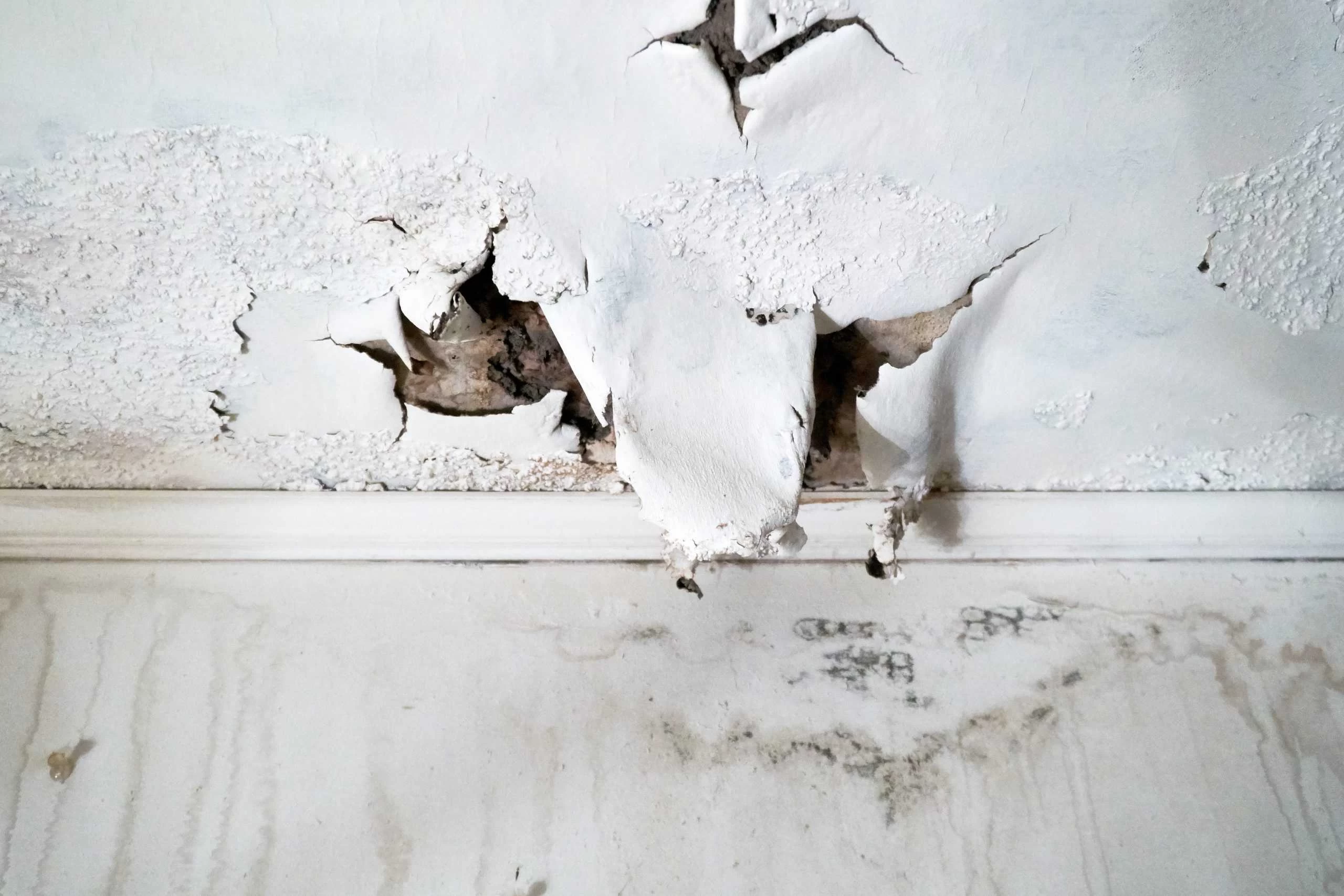
This is the part that catches people off guard. You run fans for two days, the floor feels dry, and you assume the problem is solved. Three weeks later, there’s a smell. Then discoloration. Then you’re dealing with mold behind the baseboard that’s been growing since the water event you thought you handled. Mold remediation in Nassau County typically costs between $2,000 and $6,000 — a bill that’s almost entirely preventable if the original drying is done correctly and completely.
There’s also the contamination issue. Water that starts clean — from a burst pipe or appliance failure — can degrade to a biohazard classification within 48 to 72 hours as it picks up bacteria from surfaces, soil, and building materials. What was Category 1 water on Monday morning can be Category 3 by Tuesday night. That changes the cleanup protocol entirely and affects what your insurance will cover.
Nassau County’s housing stock adds another layer of risk that most homeowners don’t think about until they’re in the middle of a project. A significant percentage of homes in communities like Hicksville, Levittown, and Freeport were built between the 1940s and 1970s. Water damage restoration in these homes can disturb asbestos-containing materials or lead paint — situations that require licensed abatement contractors, not just a restoration crew with a dehumidifier. Proceeding without the right credentials in an older Nassau County home isn’t just risky — it’s potentially illegal under New York State Department of Labor regulations.
DIY Water Removal vs. Professional Equipment — Why a Shop Vac Isn't Enough
There’s a meaningful difference between consumer-grade equipment and what our professional restoration crew brings to a job — and it’s not a small one. A household wet/dry vac can pull surface water. It cannot dry out a wall cavity, extract moisture from subfloor insulation, or confirm that a concrete slab has returned to an acceptable moisture level. Industrial air movers and commercial-grade dehumidifiers operate at a completely different scale, moving significantly more air volume and pulling far more moisture per hour than anything available at a hardware store.
The more important gap, though, is detection. Our technicians use thermal imaging cameras and calibrated moisture meters to find water that has migrated beyond the visible damage area. Industry data shows that thermal imaging reveals approximately 30% more affected area than visual inspection alone. That means when you look at a wet basement floor and think you know the scope of the problem, you’re likely missing nearly a third of the actual damage — the part that will cause mold and structural issues weeks later.
Professional drying also involves daily moisture monitoring. Our technicians return to take readings, adjust equipment placement, and document drying progress — both for quality control and for insurance purposes. This documentation matters. Insurance adjusters require moisture mapping records and IICRC-standard drying logs to process claims properly. Without that paper trail, you may find yourself in a dispute over whether the damage was fully addressed — or whether the mold that appeared later was a pre-existing condition.
We use thermal imaging on every water damage job in Nassau County for exactly this reason. Visible dryness isn’t the standard we work to — confirmed dry readings across every affected surface and cavity are. It’s the difference between a restoration that holds up and one that comes back to haunt you.
Water Mitigation in Nassau County: What the Process Actually Looks Like
Water mitigation is the phase that happens before restoration — it’s everything we do to stop the damage from getting worse. Extraction, structural drying, moisture mapping, antimicrobial treatment, and documentation all fall under mitigation. It’s not glamorous work, but it’s the most important part of the entire process.
For Nassau County homeowners, mitigation often starts with a situation that’s more complicated than it first appears. The South Shore’s high water table means that even after a storm passes, groundwater can continue infiltrating a basement for hours. Coastal communities like Long Beach, Oceanside, and Wantagh deal with compound flooding scenarios — storm surge, rain, and high groundwater all at once — that require a different approach than a simple burst pipe in a dry climate.
How Long Does Emergency Water Restoration Take in Nassau County?
The honest answer is that it depends on the scope of the damage, the water category, and how quickly the response begins. Most residential water damage jobs in Nassau County follow a general timeline: extraction is completed within the first few hours of arrival, structural drying runs for three to five days with industrial equipment in place, and final moisture clearance is confirmed before any reconstruction begins. Minor repairs can follow within one to two weeks. More significant structural damage — particularly in older homes where water has reached framing and insulation — can extend the timeline to four to eight weeks.
What affects that timeline most is how long the water sat before professionals arrived. A basement that’s extracted within two hours of flooding dries significantly faster than one that sat for 24 hours. The materials involved matter too — concrete dries differently than hardwood, and spray foam insulation holds moisture differently than fiberglass batt. Our assessment at the start of the job establishes a realistic drying timeline and sets expectations clearly.
Nassau County’s seasonal patterns also play a role. Nor’easters between October and April create surge demand for emergency water removal across the county simultaneously — meaning response times can be stretched when every crew in the area is deployed at once. That’s one reason having a relationship with a local restoration company before you need one has real value. We serve Nassau County directly from Long Island, which means we’re not dispatching from a distant franchise hub when a nor’easter hits the South Shore.
For commercial properties along Nassau County’s major corridors — Hempstead Turnpike, Sunrise Highway, the Meadowbrook area — the timeline pressure is even more acute. Every hour a business is closed due to water damage is revenue lost. Emergency water restoration for commercial properties follows the same technical process but often requires around-the-clock drying schedules to compress the timeline as much as possible.
Signs You Need Emergency Water Damage Services — Not a Mop and Some Fans
Some water situations are genuinely manageable on your own. A small appliance leak caught immediately, cleaned up thoroughly, and dried within a few hours with good airflow is often fine. But there’s a set of circumstances where calling for professional emergency water damage services isn’t a judgment call — it’s the only reasonable option.
If you’re dealing with more than a few inches of standing water anywhere in your home, the extraction alone requires industrial pumps. If the water has been sitting for more than a few hours, hidden migration is almost certain. If the source was a sewage backup, toilet overflow, or floodwater from outside — that’s Category 3 contaminated water, and personal protective equipment and licensed disposal protocols are required. You cannot safely clean that up yourself.
Structural concerns change the calculus entirely. If water has reached your wall framing, subfloor, or ceiling joists, those materials need to be assessed by someone with moisture meters — not by pressing on drywall and guessing. Soft spots, buckling floors, or visible staining on ceilings after a water event are all signs that the damage has gone further than the surface.
For Nassau County homeowners in older communities like Garden City, Mineola, or Oceanside, there’s an additional consideration: the age of the home. If your home was built before 1980, water damage restoration that involves cutting into walls or removing flooring can disturb asbestos-containing materials. This isn’t a theoretical risk — it’s a documented reality in Nassau County’s housing stock, and it requires a contractor with NYS DOL asbestos licensing to handle safely and legally. We hold that license. Most restoration companies in this area do not.
Insurance is another reason to call professionals immediately rather than attempting cleanup first. If you start removing materials, discarding damaged items, or drying on your own before a professional documents the damage, you may inadvertently compromise your claim. Insurance adjusters want to see the damage as it was — and they want IICRC-standard documentation from a certified contractor. Getting that documentation in place from the start protects your ability to recover costs.
Choosing the Right Emergency Water Removal Company in Nassau County, NY
When water is in your home, the instinct is to find someone fast. That’s right — but fast and qualified aren’t mutually exclusive. The company you call should be IICRC-certified, licensed by Nassau County and New York State, and experienced enough to handle whatever the job uncovers — including the things that aren’t visible yet.
For Nassau County homeowners specifically, you need a contractor who understands the local conditions: the high water table in South Shore communities, the age of the housing stock in Levittown and Hicksville, the compound flooding that nor’easters bring to Long Beach and Freeport, and the regulatory requirements that apply when older homes are involved. Local expertise matters more than national brand recognition when water is actively damaging your home.
We’ve been handling emergency water removal across Nassau County for over 12 years, with more than 5,000 completed projects across New York State. We’re available 24/7, we work directly with your insurance company, and we offer financing up to $200,000 at 0% APR for situations where coverage falls short. If you’re dealing with water damage right now — or want to know what to do before the next nor’easter hits — reach out to us today.