Summary:
Most homeowners in Nassau County, NY start their mold search the same way — they find a spot, smell something off, or get a call from their home inspector, and then they start Googling. Within an hour, they’ve got three quotes from contractors all saying roughly the same things. Licensed. Certified. Best in the area. It all starts to blur together.
Here’s the thing: the questions you ask before hiring matter more than any marketing claim. The right questions cut through the noise fast. They reveal whether a contractor actually knows what they’re doing — or whether you’re about to pay for a problem that comes right back.
New York State Mold Licensing Requirements Every Nassau County Homeowner Should Know
New York State has some of the strictest mold contractor regulations in the country, and most homeowners have no idea. Under Labor Law Article 32 — which took effect in January 2016 — any mold remediation project covering more than 10 square feet must be performed by a NYS-licensed mold remediation contractor. That’s not a suggestion. It’s state law.
Hiring an unlicensed contractor in Nassau County, NY doesn’t just put your home at risk — it can complicate your insurance claim and leave you with zero legal recourse if something goes wrong. The good news is that asking the right questions upfront filters out the unqualified contractors immediately, before anyone sets foot in your basement.
Question 4: What Does Your Containment Process Look Like?
Mold removal done wrong can spread spores throughout your home. Professional remediation requires physical containment — plastic sheeting, negative air pressure, HEPA-filtered air scrubbers — to isolate the work area and prevent cross-contamination.
If a contractor describes their process as spraying a solution and wiping things down, that’s not remediation. That’s surface cleaning. It addresses what you can see and leaves the root problem untouched.
Question 7: Do You Offer Post-Remediation Verification, and Who Performs It?
When the work is done, you deserve proof — not just a contractor’s word. Post-remediation verification, also called clearance testing, involves an independent third party testing the air and surfaces to confirm that mold levels have returned to normal.
In New York State, this independent verification is part of the regulatory framework precisely because the remediator cannot objectively verify their own work. Ask who performs the clearance testing and whether you’ll receive a written report. If a contractor is resistant to this question or vague about the answer, that tells you something important.
A bonus question worth adding to your list: can you finance this? For larger remediation projects — extensive basement mold, flood-related infestations, whole-house water damage — the cost can be significant. Contractors who offer financing options give you a way to address the problem fully rather than cutting scope to fit a budget.
What Professional Mold Remediation Actually Looks Like
Once you know what to ask, it helps to know what good answers sound like. A qualified mold remediation specialist will be able to walk you through their process clearly — containment setup, equipment used, how they handle disposal, and what post-remediation verification looks like. They’ll have documentation for their licenses and certifications ready. They won’t hesitate when you ask about insurance billing.
What they won’t do is pressure you with vague urgency or offer a price that seems too good to be true. Lowball bids in the mold industry almost always mean corners are being cut — on containment, on protective equipment, on disposal, or on treating the moisture source. The mold comes back, and the second remediation costs more than the first would have if done right.
Red Flags to Watch For When Hiring in Nassau County
There are a few contractor behaviors that should stop you cold, regardless of how professional a company looks on paper.
The first is offering to handle both the mold assessment and the remediation under one contract without involving a separate licensed assessor. As noted earlier, this is illegal in New York State. A contractor who either doesn’t know this or is willing to work around it is not someone you want in your home.
The second is recommending ozone machines or chemical fogging as a primary mold treatment. Ozone generators and fogging systems do not remove mold — they may temporarily reduce airborne spore counts, but they do nothing about the mold colony itself or the moisture feeding it. Industry professionals are consistent on this point, and any contractor leading with these methods as a solution is not operating at a professional standard.
The third is a refusal to provide a written remediation plan before work begins. A legitimate contractor will put the scope of work, the process, the timeline, and the cost in writing before anyone picks up a tool. If a contractor is reluctant to do that, the written contract protects them as much as it protects you — which means the reluctance is a signal worth taking seriously.
Finally, watch for contractors who skip the inspection and go straight to a quote. In Nassau County, NY’s aging housing stock — particularly the Levittown-era homes built between 1947 and 1951 — mold rarely stays where it’s visible. A contractor who quotes a job without thermal imaging or moisture testing is quoting based on incomplete information, and that quote will change once they’re inside your walls.
Nassau County, NY’s mold risk profile is genuinely different from most suburban markets, and the questions above matter more here because of it.
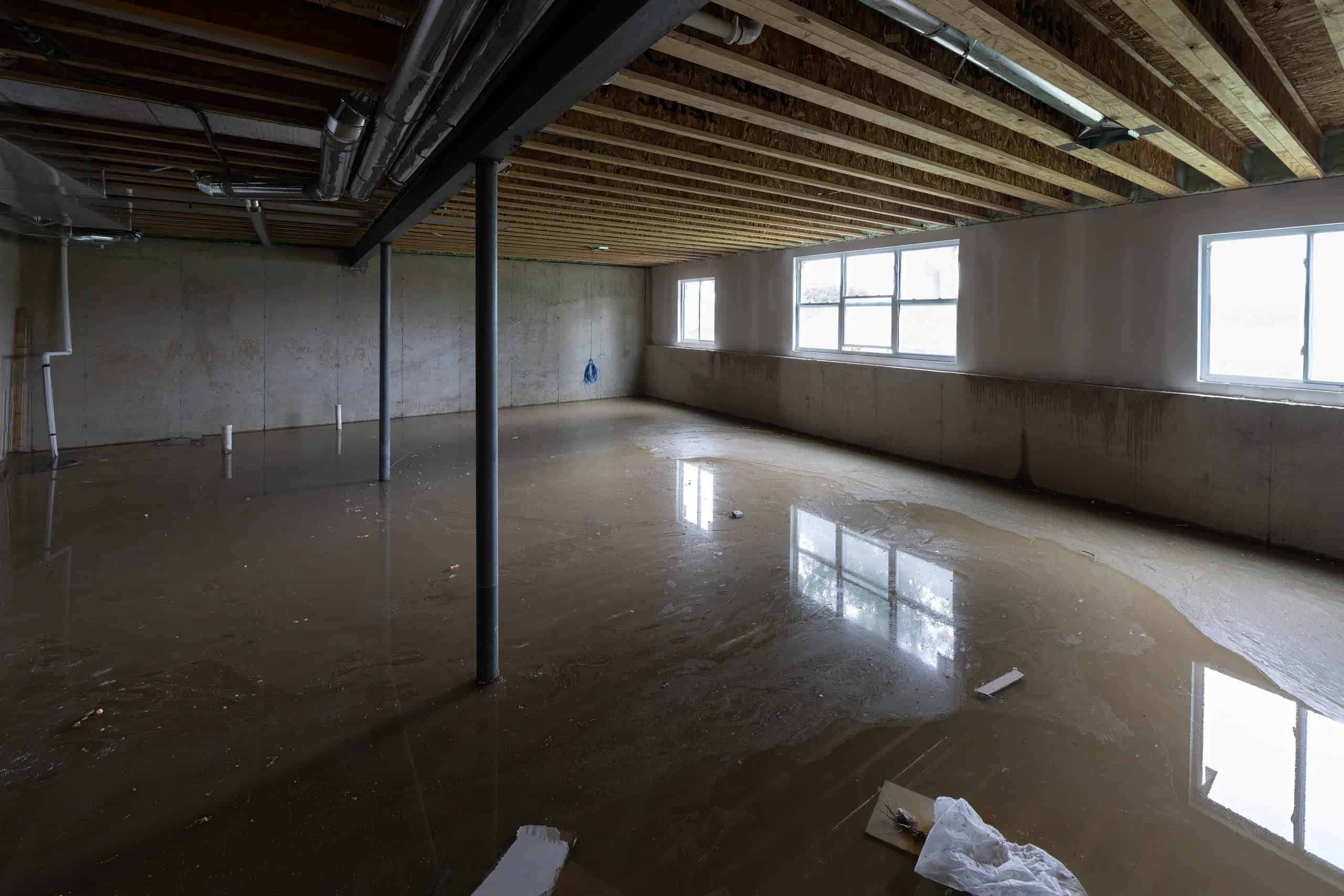
The South Shore communities — Long Beach, Freeport, Oceanside, Baldwin — sit in some of the most flood-prone areas in New York State. Hurricane Sandy in 2012 left tens of thousands of Nassau County homes with water damage that, in many cases, was never fully remediated. Homes that flooded during Sandy and were dried out without professional moisture verification still carry residual moisture in wall cavities and subfloors more than a decade later. That moisture feeds ongoing mold growth that homeowners often attribute to allergies, aging HVAC systems, or just the way old houses smell.
The county’s high water table compounds the problem. In South Shore communities especially, groundwater seepage into basements is a persistent issue that has nothing to do with weather events. A basement that stays slightly damp year-round is a basement with a mold problem waiting to be found — or already present and growing behind the drywall.
Then there’s the housing stock itself. Nassau County, NY’s post-WWII boom produced hundreds of thousands of homes that were built without modern vapor barriers, with original plumbing that’s now 60 to 70 years old, and with basement finishes added in the 1970s and 1980s using materials that absorb and hold moisture. These homes are not inherently problematic — but they require contractors who understand Long Island’s specific construction history and climate, not contractors applying a generic national playbook.
New York State’s Article 32 licensing law applies statewide, but its practical importance is amplified in Nassau County’s active real estate market. Mold discovered during a home inspection creates an immediate, time-sensitive remediation need tied to a closing deadline. Documented, licensed remediation by a verified contractor is what satisfies buyers, sellers, lenders, and inspectors alike. Remediation performed by an unlicensed contractor — even if the work looks clean — can unravel a transaction when the paperwork doesn’t hold up to scrutiny.
Finding the Right Mold Removal Specialist in Nassau County
The seven questions in this guide are not a checklist to run through quickly. They’re a filter. Each one is designed to reveal something specific about how a contractor operates — whether they know New York State law, whether they treat the root cause or just the surface, whether they’ll stand behind their work with documented clearance testing.
A contractor who can answer all seven clearly and confidently, without hesitation or deflection, is a contractor worth talking to further. One who stumbles on the licensing question, gets vague about containment, or can’t explain their inspection process has told you what you need to know.
We at Green Island Group have been handling mold remediation, water damage, and environmental restoration across Nassau County, NY and Long Island for over 12 years. If you have questions about your situation — or you’re ready to schedule an inspection — reach out to us directly. We’re available 24/7.