Summary:
You searched “mold remediation cost” and found a national average somewhere around $2,300 to $3,900. Then you called a contractor in Nassau County and got a quote that was significantly higher. Now you’re wondering if someone’s trying to take advantage of you.
They’re probably not. The national average just doesn’t apply here — and once you understand why, the quotes start making a lot more sense.
We’ve put together this guide to cover what mold remediation actually costs in Nassau County in 2026, what drives the price up or down, what a legitimate job includes, and what to watch out for when comparing contractors.
Mold Remediation Cost in Nassau County: Why Local Pricing Is Higher Than National Averages
Nationally, mold remediation runs about $10 to $32 per square foot. In Nassau County, the local range is $14 to $28 per square foot — and a 500-square-foot remediation job here typically comes in between $7,100 and $14,200. That gap isn’t because local contractors are padding their margins.
New York State has specific licensing requirements under Article 32 of the Labor Law that add real compliance overhead to every job. Certified labor is harder to find here than in most inland markets. Disposal fees are higher. And Nassau County’s housing stock — most of it built around 1955, before modern vapor barriers existed — creates more complex jobs than a newer home in a drier climate would.
Why Nassau County Homes Cost More to Remediate
Nassau County has 482,044 housing units, and more than three-quarters of them are detached single-family homes. The median construction year is 1955. That matters because homes built before modern building codes — the Cape Cods in Bethpage and Hicksville, the split-levels in Levittown and Westbury, the raised ranches across central Nassau — were built without the vapor barriers, ventilation standards, and moisture management systems we take for granted today. When moisture gets in, it has nowhere to go.
The county sits on sandy, permeable soil with a high water table. Basements and crawlspaces face persistent groundwater pressure that simply doesn’t exist in clay-soil markets. The south shore — Long Beach, Freeport, Oceanside, Island Park — still carries residual moisture in foundations and structural framing from Hurricane Sandy, more than a decade later, and that legacy continues to generate mold problems that are more embedded and harder to resolve than a typical water event.
Summer humidity on Long Island runs above 70% from June through September. In an unventilated basement or knee-wall attic space — both extremely common in Nassau County’s Cape Cod housing stock — visible mold growth can appear in as few as 24 hours on wet drywall during those months. That’s not a worst-case scenario. That’s a normal Nassau County summer after any kind of water intrusion.
Pre-1980 homes in Nassau County frequently contain asbestos in drywall compound, floor tiles, and pipe insulation. Mold remediation in these homes often requires asbestos testing before any demolition can begin — which is a cost and a complexity that simply doesn’t come up in most national cost guides.
Mold Clean Up Cost: What Your Quote Actually Includes
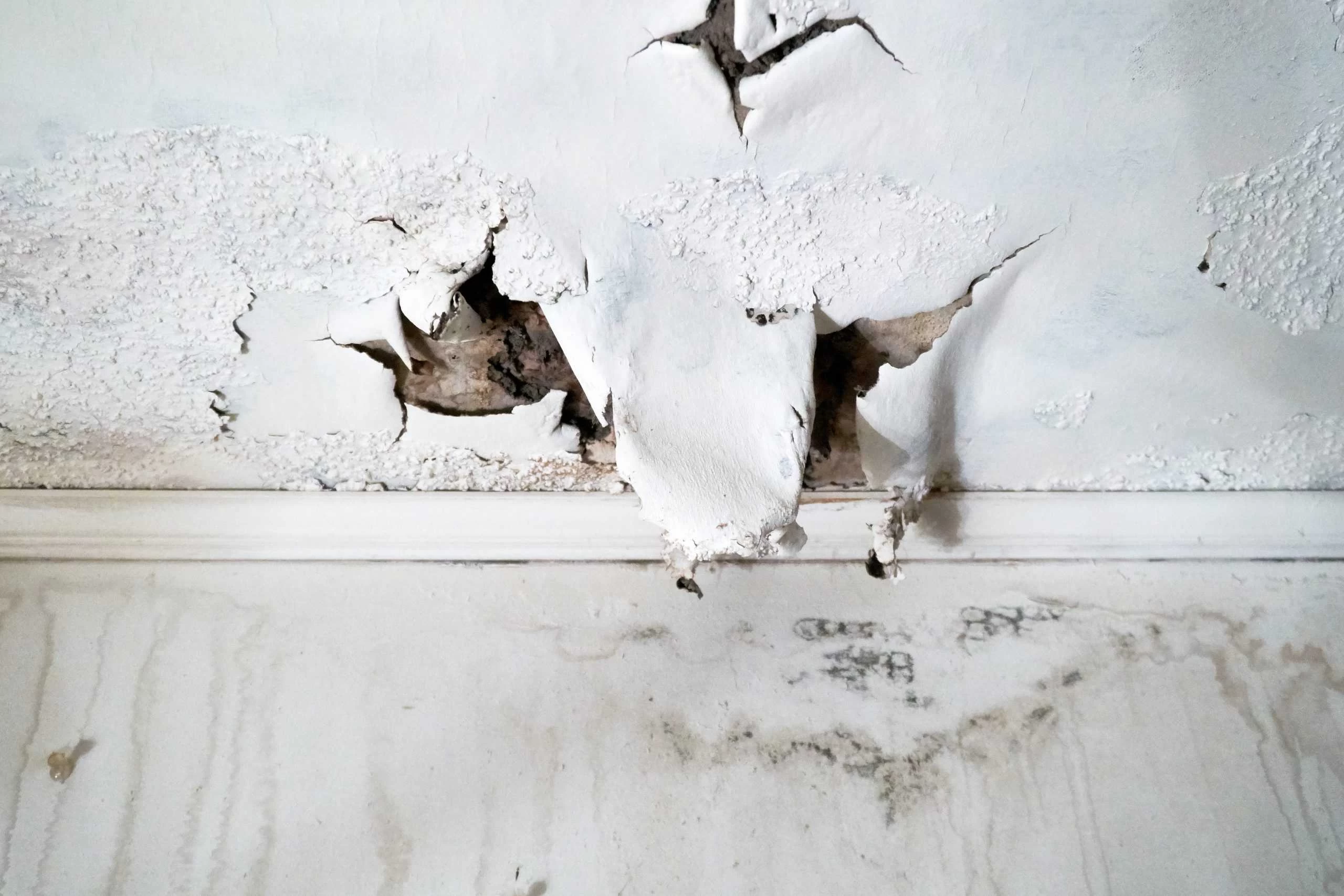
This is where most homeowners get caught off guard. The remediation quote covers the remediation — containment, HEPA vacuuming, antimicrobial treatment, removal of contaminated porous materials, structural drying. What it almost never covers is what comes after: replacing the drywall, insulation, and framing that had to be removed to get the mold out.
That second invoice is real, it’s common, and it’s one of the biggest sources of distrust in this industry. A homeowner gets a $4,000 remediation quote, approves the work, and then learns that putting the walls back together is a separate job with a separate contractor and a separate timeline. In the meantime, the affected space sits open — which in Nassau County’s humid summers creates a new moisture risk in the very area that was just treated.
Under New York State’s Article 32 framework, a licensed mold assessor must prepare a written remediation plan before work begins on any project involving more than 10 square feet of mold. That plan is required to include a scope of work and a cost estimate — which gives you a documented benchmark to compare contractor quotes against. It also means the assessor and the remediator cannot be the same person or company on the same project, a consumer protection provision designed specifically to prevent inflated scopes of work.
The mold mitigation cost picture is also shaped by whether the moisture source has actually been identified and addressed. A contractor who removes visible mold without fixing the underlying cause — a foundation crack, a failed sump pump, a ventilation issue in a knee-wall attic — is treating a symptom. The mold comes back. You pay again. We always include moisture mapping with thermal imaging cameras and moisture meters to locate what’s happening behind walls and under floors, not just what’s visible on the surface.
Mold Abatement Cost and Insurance Coverage in Nassau County
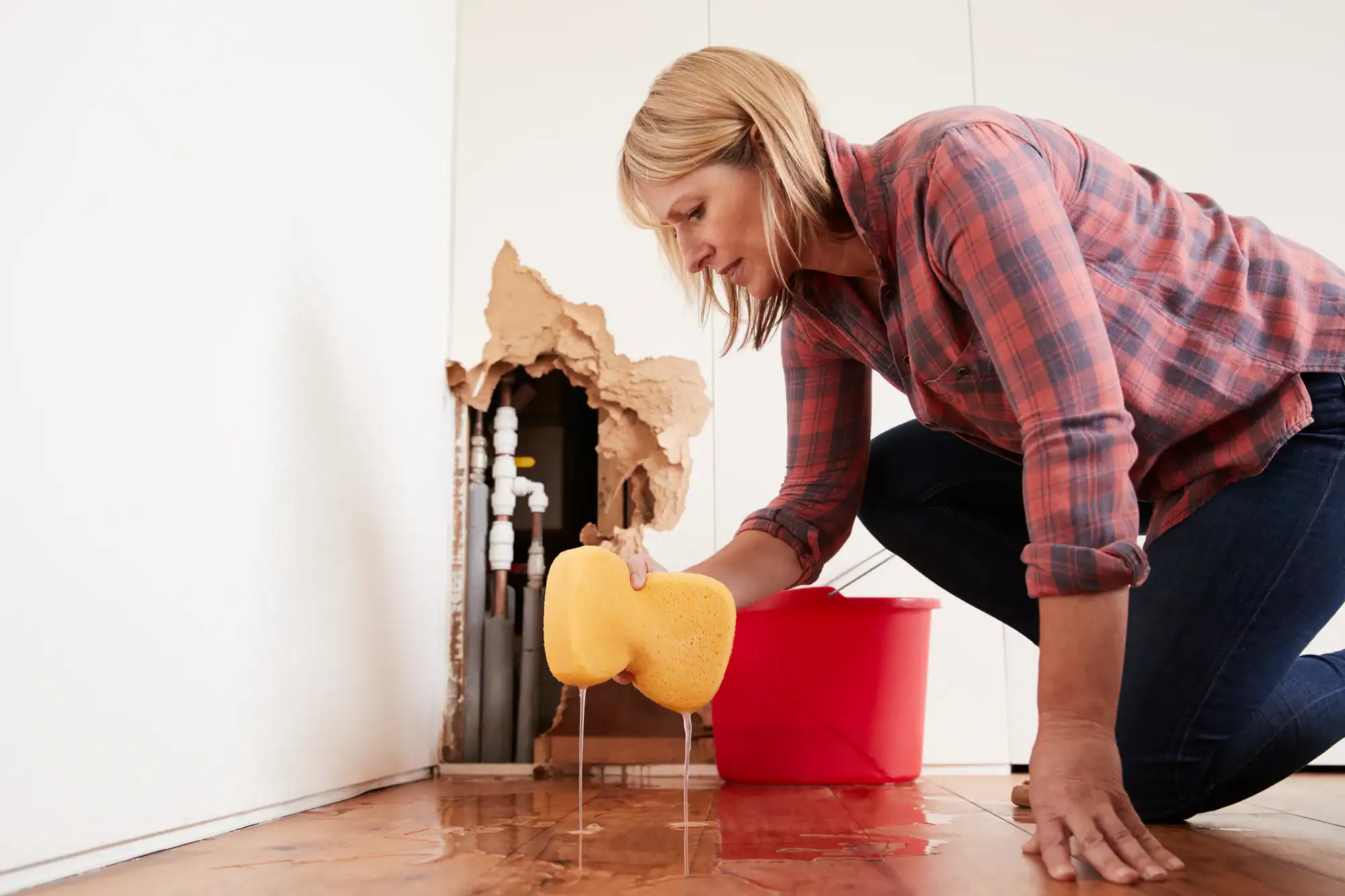
One of the most common questions we hear is whether homeowners insurance covers mold remediation. The honest answer is: it depends on the cause. Mold that resulted from a covered sudden event — a burst pipe, storm damage, a roof failure from a nor’easter — is often covered. Mold that developed over time from chronic moisture, poor ventilation, or deferred maintenance typically isn’t.
Most homeowners assume the worst and don’t call their insurer. That’s worth reconsidering before you assume you’re paying out of pocket. The other question we hear constantly is about timing. People want to wait and see if the problem gets worse before committing to a professional. The 24-hour mold clock makes that a costly decision. A contained bathroom job addressed immediately is a fundamentally different scope than the same job addressed three days later after spores have spread to adjacent rooms.
Does Homeowners Insurance Cover Mold Remediation in Nassau County, NY?
Coverage for mold in New York depends almost entirely on what caused the moisture in the first place. If a pipe burst in your Oceanside home during a nor’easter and mold developed in the wall cavity before you could address it, there’s a reasonable case that your policy covers the remediation as part of the water damage claim. If the mold in your Levittown basement developed over years of humidity and poor drainage, that’s a different conversation.
What most homeowners don’t realize is that the documentation required to support a mold insurance claim — moisture mapping reports, photographs, written remediation plans, clearance testing results — is exactly what a licensed contractor following New York State’s Article 32 requirements produces as a matter of course. The compliance paperwork and the insurance paperwork overlap significantly.
We handle direct insurance billing and manage the claim documentation on your behalf, which removes one of the most stressful parts of the entire process. It’s also worth knowing that as of June 14, 2023, New York State requires sellers of residential property to disclose known indoor mold conditions in the Property Condition Disclosure Statement. If you’re planning to sell your home in Nassau County and there’s a mold issue you’re aware of, that disclosure requirement changes the calculus on whether to remediate now or later. Most real estate attorneys in Nassau County will tell you that undisclosed mold discovered during inspection is one of the most common deal-killers in the current market.
How to Tell If a Mold Remediation Contractor in Nassau County Is Legitimate
New York State’s Article 32 licensing program, which has been in effect since January 1, 2016 and has seen increased enforcement activity in 2025, creates a verifiable standard that homeowners can actually check. Licensed mold remediation contractors and abatement workers are registered with the NYS Department of Labor. You can verify a contractor’s license before you sign anything. The minimum liability insurance requirement is $50,000 — and a legitimate contractor will provide proof of current coverage without hesitation.
Beyond the license check, there are a few practical signals worth paying attention to. A contractor who gives you a verbal scope and a one-line invoice is not operating the way Article 32 requires. A written remediation plan with a cost breakdown is legally required before work begins on any project over 10 square feet — not as a courtesy, but as a condition of compliance.
Post-remediation clearance testing is another marker of a legitimate job. Once the work is done, an independent licensed assessor should verify that mold levels have returned to acceptable levels before the space is closed up. This isn’t optional on a properly conducted job — it’s the mechanism that proves the work was actually completed. Without it, you have no way of knowing whether the mold was removed or just covered.
For homeowners in Nassau County’s older communities — Hicksville, Syosset, Plainview, Bethpage, Garden City, Rockville Centre — the asbestos question is worth raising directly with any contractor before work begins. Pre-1980 construction materials in these homes frequently contain asbestos-containing materials that are disturbed during mold remediation demolition. We handle asbestos abatement in-house, which means that discovery doesn’t stop the project or require you to bring in a third party mid-job. That’s a practical difference that affects both your timeline and your total mold abatement cost.
Getting a Fair Mold Remediation Quote in Nassau County
The gap between the national average and what you’ll actually pay in Nassau County isn’t a scam — it’s the market. NYS licensing requirements, certified labor, older housing stock, coastal humidity, and the complexity of jobs in pre-1955 homes all contribute to a local price range that looks high compared to what you read online but is entirely reasonable for what the work actually involves.
What matters most is understanding what your quote includes. Does it cover post-remediation reconstruction, or will there be a second invoice? Has the moisture source been identified? Is the contractor licensed under Article 32? Is clearance testing part of the scope? Those questions will tell you more about whether a quote is fair than the number itself.
If you’re dealing with mold in Nassau County and want a straight answer on what your situation actually involves, we’re available 24/7 and handle everything from the initial inspection through structural repair — with direct insurance billing and financing available for larger projects.