Summary:
You’ve noticed it for a while now. A musty smell that shows up the moment the air conditioner or heat kicks on, then fades when the system shuts off. Maybe your allergies have been worse than usual indoors. Maybe you’ve already had the ducts cleaned and the smell came back anyway.
If any of that sounds familiar, you’re not imagining things — and you’re not alone. Nassau County homes, especially those built in the mid-20th century, deal with this more often than most. The real question isn’t whether something is wrong. It’s whether what you’ve tried so far is actually the right fix.
What HVAC Mold Inspection Actually Reveals
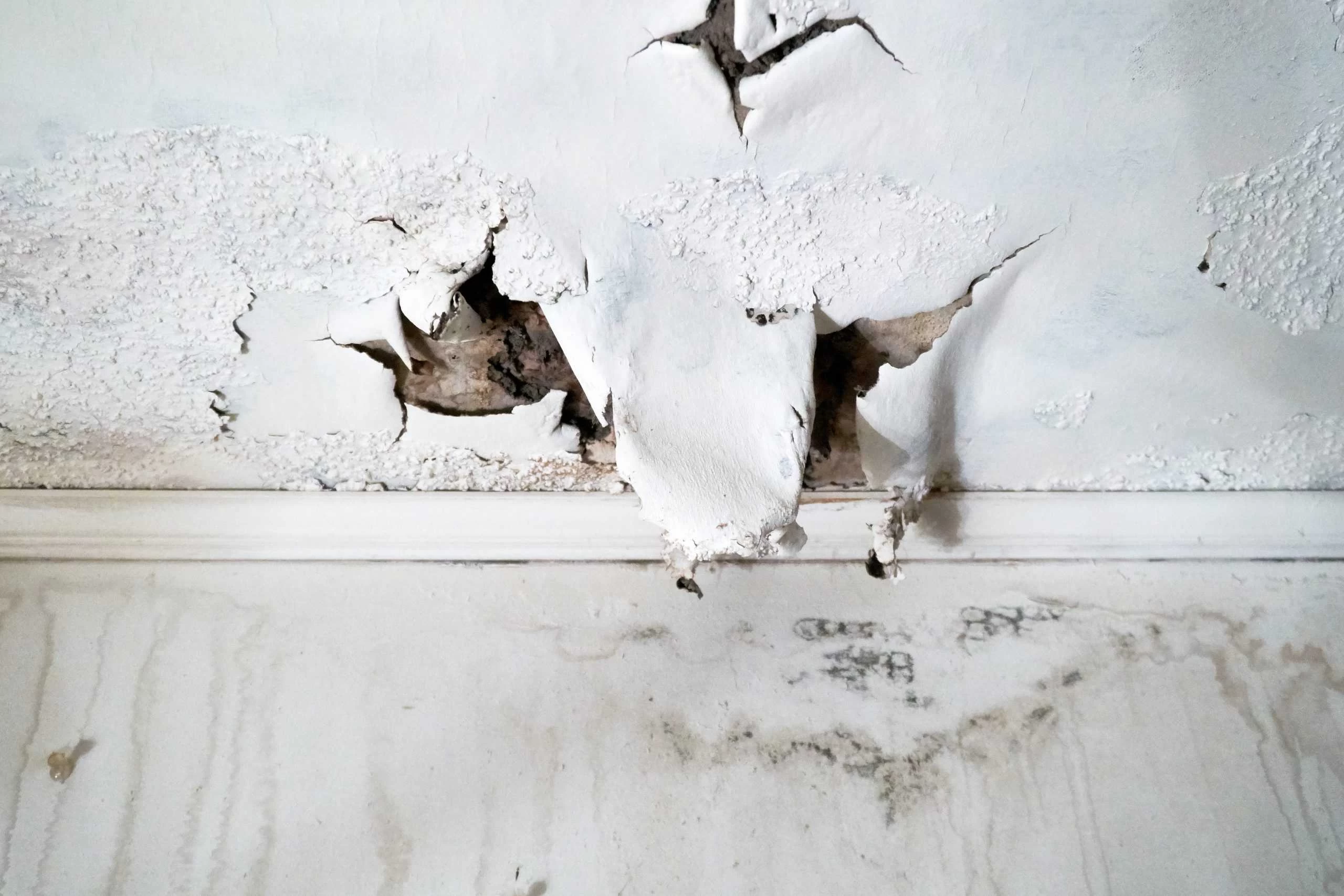
When mold takes hold inside an HVAC system, it rarely announces itself with a visible patch on a vent cover. More often, the growth is tucked inside the ductwork, on the evaporator coil, in the drain pan, or along the interior surfaces of the air handler — places a homeowner can’t see and a standard cleaning crew isn’t equipped to fully assess.
A proper HVAC mold inspection uses tools like thermal imaging cameras to detect hidden moisture inside walls and HVAC components before mold becomes visible. We look at the full system — not just the registers — because mold follows moisture, and moisture doesn’t stop at the parts you can see. The inspection isn’t just about confirming mold is present. It’s about understanding where it started, how far it’s spread, and what conditions are keeping it alive.
Why Mold in Air Ducts Spreads Through Your Entire Home
Here’s what most people don’t realize until someone explains it to them: when mold colonizes your ductwork or HVAC components, your heating and cooling system stops being a comfort tool and starts being a delivery mechanism. Every time the system runs, it pulls air across the mold colony and pushes spore-laden air through every vent in the house.
The bedroom. The living room. The kitchen. Everywhere.
This is why people with mold in their ducts often describe symptoms that feel like year-round allergies — sneezing, congestion, itchy eyes — that get better when they leave the house and worse when they come back. The HVAC system is running on a schedule, and so are the symptoms.
The musty odor is a related but separate problem. Mold releases compounds called microbial volatile organic compounds, or mVOCs, as it breaks down organic material inside the ductwork. That earthy, damp-basement smell that intensifies when the AC kicks on? That’s mVOCs moving through your air supply. Running the system harder doesn’t clear the smell — it amplifies it.
Nassau County’s climate makes this particularly relevant. Long Island’s relative humidity consistently exceeds 70 percent during July and August, which is the threshold at which dormant moisture intrusion turns into active mold colonization. If your home had any water intrusion — a slow basement leak, a condensation issue near the air handler, even a humid summer with inadequate dehumidification — the conditions for duct mold have likely been in place for longer than you’d expect.
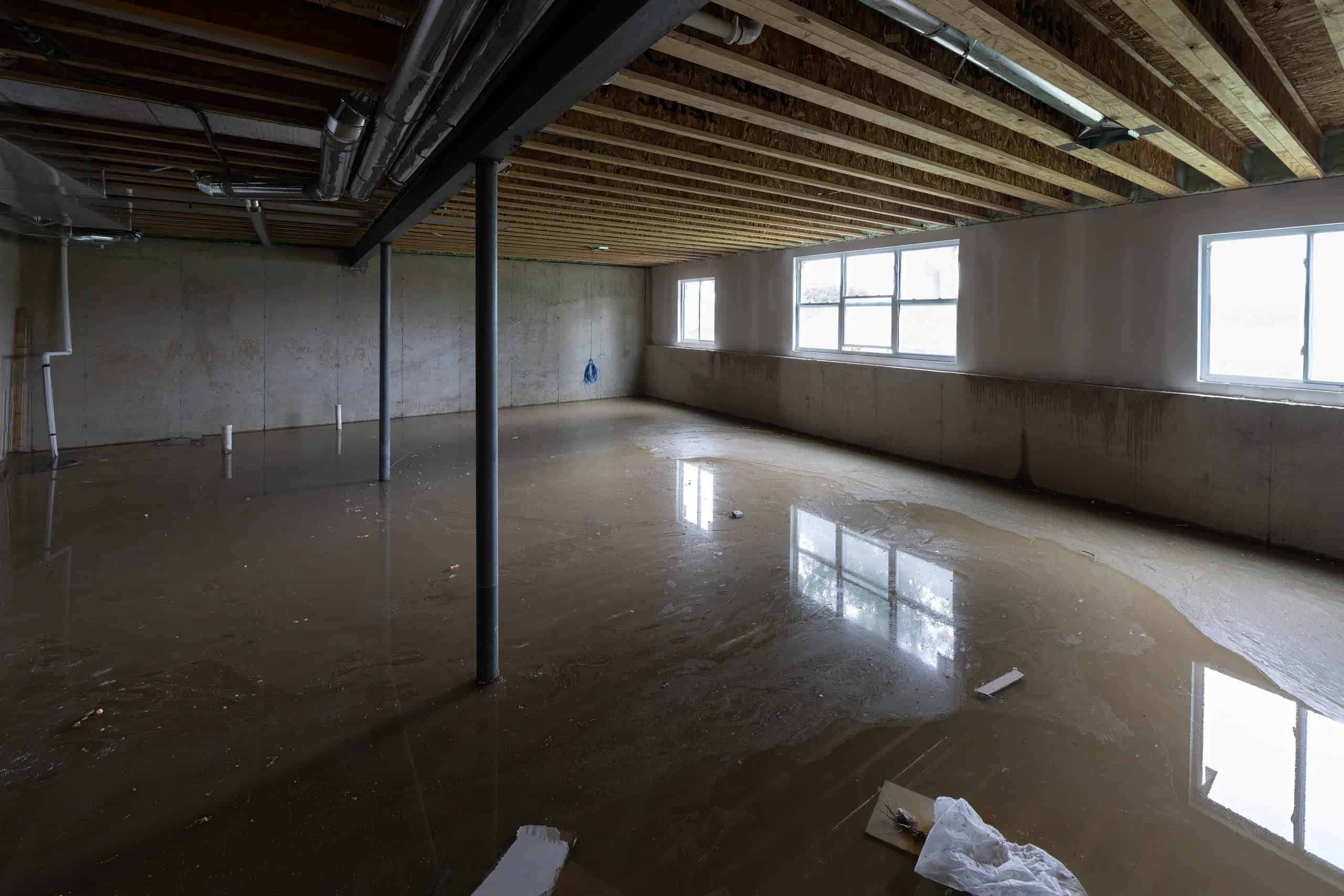
The South Shore communities along Nassau County’s coastline — Long Beach, Oceanside, Freeport, Merrick, Wantagh, and Massapequa — sit in FEMA Special Flood Hazard Areas and deal with recurring water intrusion events. Homes that took on water during nor’easters or storm surge events and weren’t fully dried within the critical 24 to 48 hour window are at elevated risk. Some of those homes are still dealing with the downstream effects of Hurricane Sandy more than a decade later, with hidden moisture in wall cavities and HVAC components that was never fully addressed.
Mold Inspection and Removal: What the Process Actually Looks Like
A lot of people use “duct cleaning” and “mold removal” interchangeably. They’re not the same thing, and the difference matters enormously when you’re trying to actually solve the problem rather than temporarily mask it.
Standard duct cleaning — the brush-and-vacuum service most duct cleaning companies offer — physically removes dust, debris, and loose buildup from accessible duct surfaces. It’s a legitimate maintenance service. But it does not kill mold at its source. It does not address the moisture condition enabling regrowth. And it does not include the containment protocols needed to prevent spores from spreading into the living space during the process.
If a duct cleaning company runs a brush through mold-contaminated ductwork without containment, they may actually be making the problem worse by disturbing a colony that was previously contained.
Actual mold inspection and removal follows a different protocol entirely. It starts with a licensed mold assessor producing a written work plan — a legal requirement in New York State for any mold project covering 10 square feet or more under Labor Law Article 32. We then work from that plan: establishing negative air pressure in the affected area so spores can’t escape into the rest of your home, physically removing contaminated material, treating surfaces with appropriate antimicrobial agents, and conducting post-remediation clearance testing to verify that mold levels have returned to acceptable baselines before the job is closed out.
One detail worth knowing: if your home has fiberglass-lined ductwork or duct board with internal fiberglass insulation, contaminated sections cannot be cleaned — they have to be replaced. This is true regardless of how thorough the cleaning process is. Fiberglass is porous and mold embeds into it at a level that surface cleaning simply cannot reach.
Many older Nassau County homes, particularly those built during the post-WWII Levittown-era boom of the 1940s through 1960s, have aging ductwork that may fall into this category. A proper inspection will identify this upfront rather than after a cleaning that couldn’t have worked in the first place.
Mold Testing and Remediation: What Nassau County Homeowners Need to Know
New York State has some of the most specific mold remediation licensing requirements in the country. Under Labor Law Article 32, which has been in effect since 2016 and is seeing increased enforcement activity in 2025, any mold remediation project over 10 square feet requires a licensed NYS DOL Mold Assessor to inspect the area and produce a written work plan before any remediation work begins. The mold remediator must hold a separate license and cannot deviate from the assessor’s work plan without approval.
This matters for Nassau County homeowners because most of the duct cleaning companies competing for this type of work are not licensed mold remediation contractors under NYS DOL. They can clean ducts — they cannot legally perform mold remediation. Hiring an unlicensed contractor for mold work isn’t just a compliance risk. It’s a practical one: without the correct protocol, the mold comes back.
Why the Moisture Source Has to Be Part of the Fix
This is the part that gets skipped most often, and it’s the reason mold returns after remediation when the job is done incorrectly. Mold is not the problem — it’s the symptom. The problem is the moisture condition that allowed it to grow. Remove the mold without correcting the moisture source and you’ve bought yourself a few weeks, maybe a couple of months, before the colony reestablishes itself.
In Nassau County, the moisture sources feeding HVAC mold tend to follow predictable patterns. The county’s high water table — especially pronounced on the South Shore — creates persistent basement humidity that migrates upward into HVAC systems. Aging infrastructure in older homes means slow leaks, condensation issues near the evaporator coil, and drainage problems that go undetected for years.
The evaporator coil itself is one of the most common mold sites in a residential HVAC system: it runs continuously during summer, generates condensation, and if the drain pan isn’t functioning correctly, that moisture sits and feeds growth.
A remediation process that doesn’t include moisture source identification and correction is incomplete by definition. This is one of the most important questions to ask any contractor before you hire them: what are you doing about the moisture, not just the mold? If the answer is vague or absent, you’ll likely be having the same conversation again in six months.
We use thermal imaging as part of our inspection process specifically because moisture often hides in places that aren’t visible to the naked eye — inside wall assemblies, under flooring, in HVAC components. Finding it before remediation begins is the only way to address it properly and prevent recurrence.
How to Choose the Right Mold Remediation Contractor in Nassau County
Given everything above, the contractor selection decision becomes clearer once you know what to look for. In New York State, the starting point is verifying that the contractor holds an active NYS DOL Mold License — specifically both the mold assessor and mold remediation contractor licenses, since Article 32 requires these roles to be handled separately and prohibits the same person from performing both on the same project. The NYS DOL website allows you to verify a contractor’s license status directly.
Beyond licensing, the practical questions matter just as much. Does the contractor handle the full scope in-house, or do they subcontract the mold work to someone else? Subcontracting creates communication gaps, scheduling delays, and accountability voids that tend to surface at the worst possible time. Does their process include post-remediation clearance testing, or do they consider the job done when the visible mold is gone? Clearance testing is the only objective way to verify that remediation was successful.
For Nassau County homeowners dealing with older housing stock, it’s also worth asking whether the contractor holds additional hazard licenses. Mold remediation in Levittown-era homes frequently uncovers asbestos-containing materials in floor tiles, pipe insulation, or duct wrap — materials that were standard in mid-century construction. A contractor who holds only a mold license will have to stop work when they find asbestos and bring in a separate abatement company. A contractor who holds both the NYS DOL Mold and NYS DOL Asbestos licenses can handle the full scope without interruption.
On the financial side, mold remediation discovered after a water damage event is often at least partially covered by homeowner’s insurance. We handle direct insurance billing and manage the claim paperwork, which removes a significant burden from your plate at an already stressful time. For projects where out-of-pocket costs are a concern, financing up to $200,000 at 0% APR through Enhancify is available — which matters in a county where the median home value exceeds $684,000 and restoration projects can carry real costs.
Getting Air Duct Mold Removal Right the First Time
If you’ve been living with a musty smell, unexplained allergy symptoms, or a persistent sense that something is off with your air — and a duct cleaning didn’t fix it — the answer probably isn’t another duct cleaning. It’s a proper mold assessment, a licensed remediation process, and a contractor who addresses the moisture source alongside the mold itself.
Nassau County’s combination of coastal humidity, aging housing stock, and high water table means this is a real and recurring problem for homeowners here — not an edge case. The good news is that when it’s handled correctly, with the right licensing, the right process, and clearance testing to confirm the work is done, it stays fixed.
Green Island Group has been handling mold remediation across Nassau County for over 12 years, with in-house NYS DOL Mold, Asbestos, and USEPA Lead licenses and a no-subcontracting policy. If you’re ready to get a clear picture of what’s actually happening in your HVAC system, we’re available around the clock to help.