Summary:
You found mold. Now you’re trying to figure out how serious it is, whether you can handle it yourself, and what a professional would actually do differently. Those are the right questions — and the answers depend almost entirely on where the mold is.
Basement mold, attic mold, and crawl space mold don’t just look different. They come from different sources, spread differently, and require different approaches to fix properly. In Nassau County, where aging housing stock and coastal humidity create conditions that accelerate mold growth, treating the wrong thing — or treating only what’s visible — is one of the most common reasons homeowners end up dealing with the same problem twice.
Here’s what you actually need to know, broken down by location.
Basement Mold Removal in Nassau County: Why It Keeps Coming Back
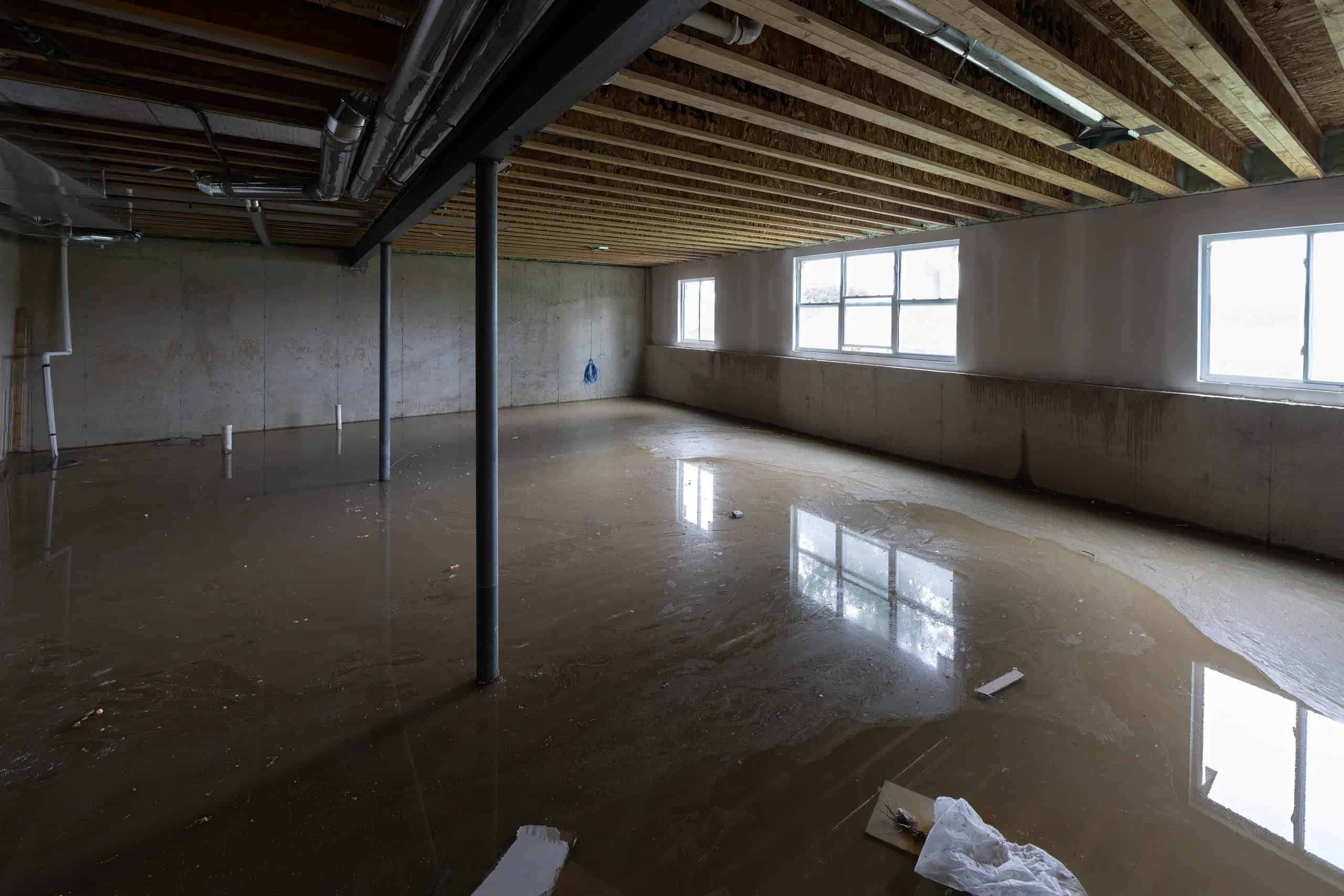
Basement mold is the most common mold call we get from Nassau County homeowners, and it’s almost never just a surface problem. The visible dark spots on your walls or floor joists are the result of something deeper — usually moisture that’s been working its way in long before you noticed anything.
Much of Nassau County sits over a relatively high water table. During heavy rain events, groundwater pressure builds against foundation walls and floor slabs, pushing moisture through even concrete that looks solid. Add aging infrastructure — original plumbing, older drainage systems, decades-old waterproofing — and you have a basement that’s fighting a constant battle with water it was never designed to fully keep out.
Home Mold Remediation in the Basement: What the Process Actually Involves
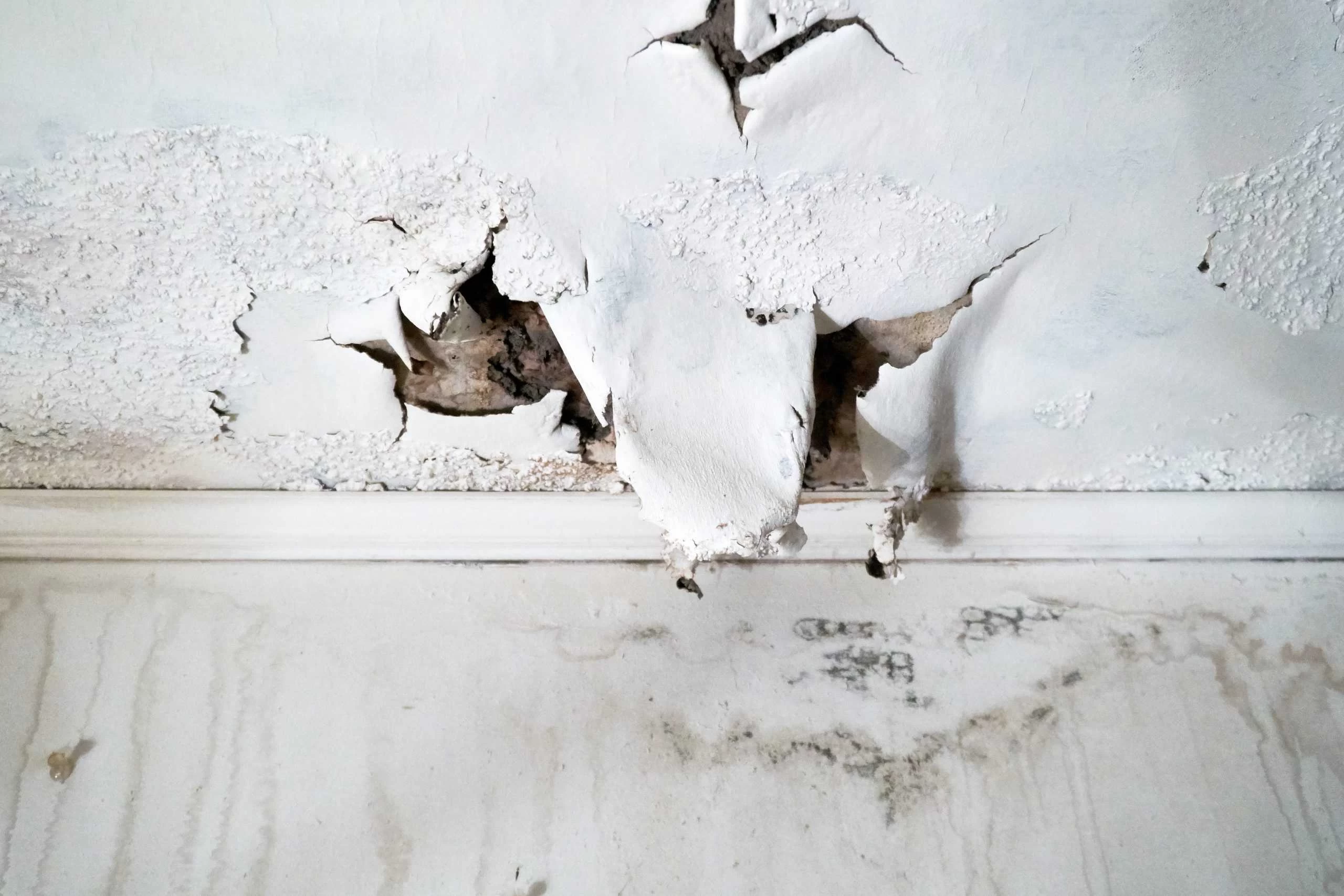
A lot of homeowners try bleach first. It’s understandable — you can see the mold, bleach kills things, and it seems like a logical fix. The problem is that bleach kills surface mold but doesn’t penetrate porous materials like drywall, wood framing, or insulation. The mold root structure stays intact, and within weeks, the visible growth returns.
Professional home mold remediation in a basement starts with finding where the moisture is actually coming from. We use thermal imaging cameras and moisture meters to detect hidden water intrusion behind walls and under flooring — areas that look dry but are actively feeding mold growth. Without that step, any remediation work is incomplete by definition.
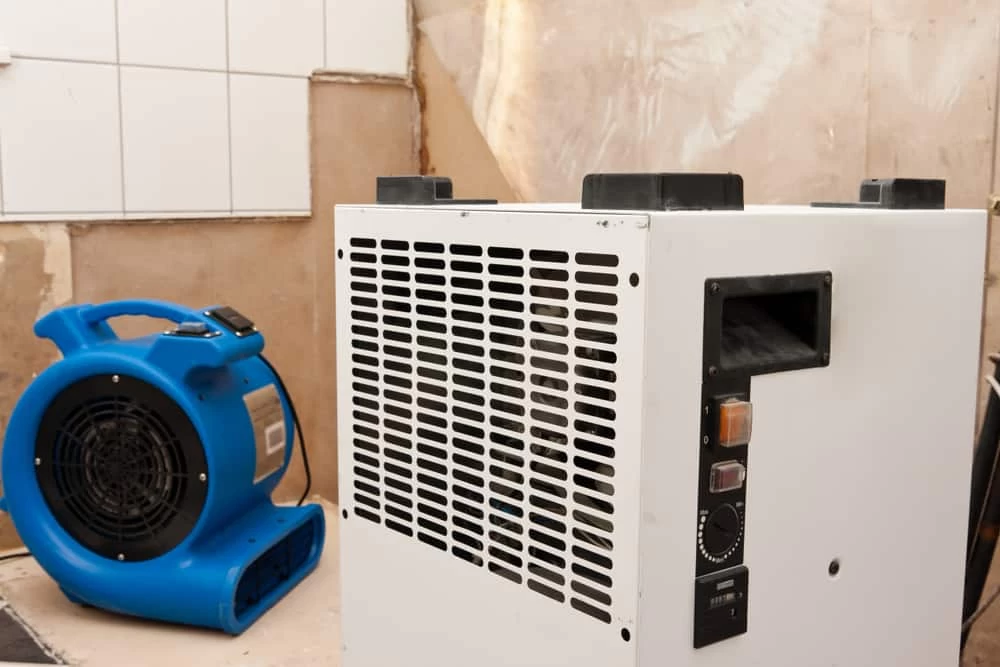
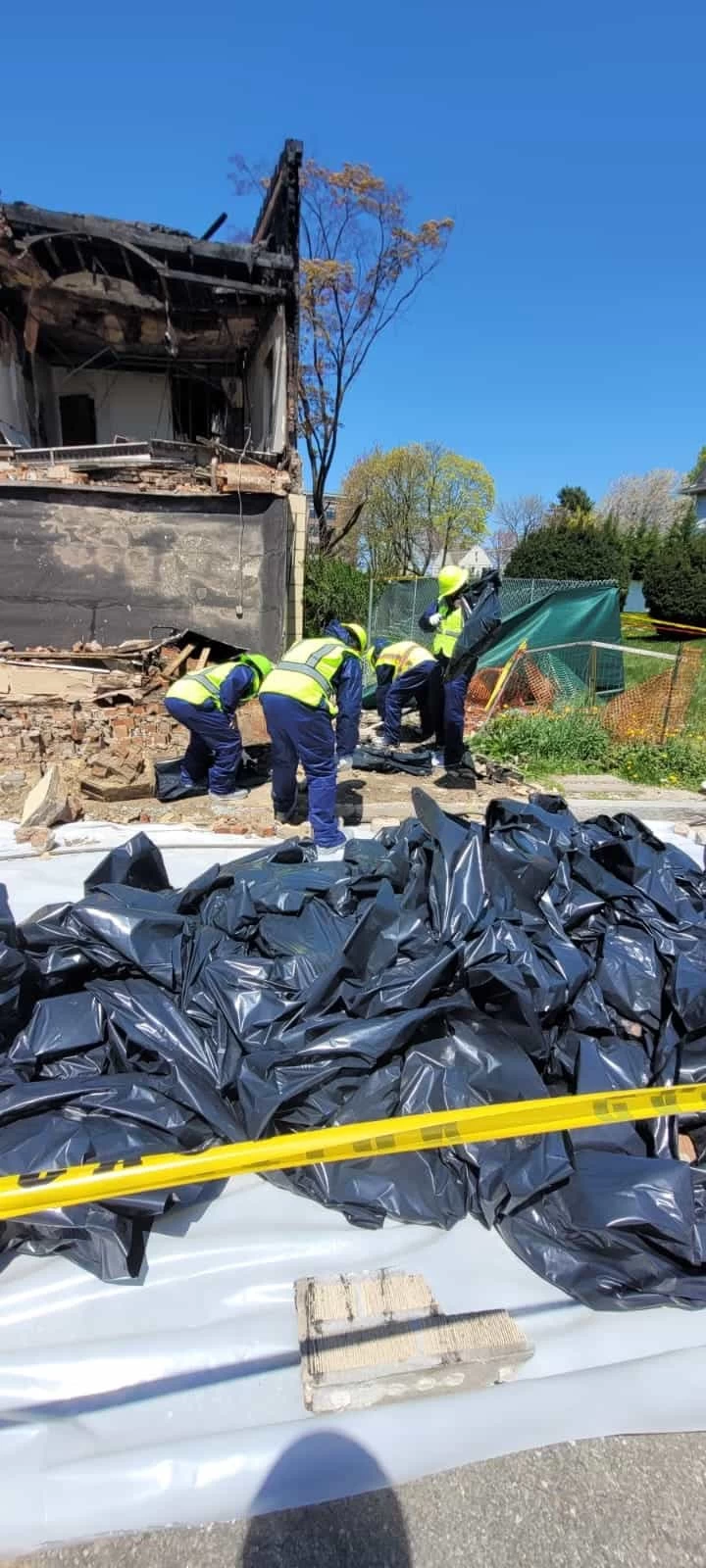
Once the moisture source is identified and addressed, the remediation process involves setting up containment barriers to prevent spores from spreading to the rest of your home during the work. Affected porous materials — drywall, insulation, sometimes sections of wood framing — are removed and properly disposed of rather than treated in place, because encapsulating mold inside a wall cavity is not remediation. HEPA vacuuming removes spores from surfaces, antimicrobial treatment is applied, and the area is dried and dehumidified before any restoration work begins.
In New York State, there’s also a legal requirement worth knowing: under Article 32 of the NYS Labor Law, the company that assesses your mold cannot be the same company that remediates it. The assessment and the remediation must be performed by two independent licensed contractors. This law exists to protect homeowners from conflicts of interest — and it means you should be skeptical of any company that offers to inspect your home and immediately quote you a remediation job in the same visit.
Nassau County adds another layer: contractors performing mold work here are required to hold an Environmental Hazard Remediation Provider (EHRP) license issued by the Nassau County Department of Health, on top of the state license. It’s a county-specific requirement that most homeowners don’t know to ask about — and one that filters out a significant number of less credentialed operators who appear after storms and disappear just as fast.
How Much Does Basement Mold Removal Cost in Nassau County?
Cost is one of the first things people want to know, and it’s genuinely hard to answer without seeing the job. What we can tell you is that Nassau County mold remediation runs $14 to $28 per square foot — higher than the national average of $10 to $25, which reflects the cost of labor and licensing in the New York metro area. For a contained basement area, that might be manageable. For a finished basement where mold has spread behind walls and into the HVAC system, costs can climb significantly — and mold inside walls or ductwork typically adds 50% or more to the total scope.
The insurance question is equally complicated. Standard homeowners policies often cover mold only when it results directly from a covered peril — a burst pipe, for example — and even then, mold coverage is frequently capped at $1,000 to $10,000. That gap between what insurance pays and what remediation actually costs is real, and it’s one reason we handle insurance billing directly, working with your carrier on documentation and claims so you’re not navigating that process alone during an already stressful situation.
For larger jobs, we also offer financing through Enhancify — up to $200,000 at 0% APR. When a basement mold job uncovers structural damage or asbestos (both of which happen regularly in Nassau County’s pre-1980s housing stock), the scope can expand quickly. Having a financing option that covers the full project means you don’t have to choose between doing the job right and doing it now.
One more thing worth knowing: Nassau County’s pre-1980s homes frequently contain asbestos in insulation, floor tiles, pipe wrapping, and wall cavities. When we find it during a mold project — and we do find it — we don’t stop work and hand you off to a third contractor. We hold NYS asbestos abatement licensing and can handle both in-house, which keeps your project moving without the delay of coordinating separate crews.
Roof Mold Removal and Attic Mold: The Nassau County Problem Nobody Talks About
Attic mold surprises a lot of homeowners because they assume a mold problem in the attic means a roof leak. Sometimes that’s true. But in Nassau County, the more common culprit is something hidden in plain sight: a bathroom exhaust fan that was vented into the attic instead of through the roof.
It sounds like a minor installation detail. It isn’t. That fan pushes warm, moisture-laden air directly into the attic cavity every time someone showers. Over months and years, that moisture saturates the roof sheathing and rafters — and in Nassau County’s summer humidity, which regularly hits 70 to 75 percent in July and August, the conditions for mold growth are essentially permanent.
Why Attic Mold Is So Common in Nassau County's Cape Cod Homes
A large portion of Nassau County’s residential housing was built between the 1940s and 1970s — the post-WWII suburban expansion that created communities like Levittown, Wantagh, Seaford, and Massapequa. Cape Cod and Colonial-style homes dominate these neighborhoods, and many share the same structural characteristic: knee-wall attic spaces with inadequate soffit-to-ridge ventilation that traps warm air against the roof sheathing year-round.
Combine that with bathroom exhaust fans that were vented into the attic (a code violation that was common practice in that era), and you have a mold problem that’s essentially baked into the architecture. The attic never fully dries out. Mold colonizes the roof sheathing, spreads along the rafters, and — if left long enough — begins to compromise the structural integrity of the roof deck itself.
Nor’easters add another pathway. When a nor’easter drops significant snow and temperatures fluctuate, ice dams form at the roof edge. Meltwater backs up under the shingles, soaks the top plate, and mold typically appears within weeks. This is a seasonal, recurring issue for Nassau County homeowners, not a one-time event.
Roof mold removal in an attic is not the same as replacing shingles or patching a leak. It requires proper containment to prevent spores from dropping into living spaces below, removal of unsalvageable sheathing where necessary, treatment of structural wood with borate-based preservatives that penetrate the material rather than just coating the surface, and a post-remediation clearance test performed by an independent assessor to confirm the job is complete. Fixing the ventilation source — whether that means rerouting the exhaust fan or improving soffit-to-ridge airflow — is what prevents the mold from returning.
If you’re selling a home in Nassau County, attic mold is increasingly flagged during buyer inspections. Post-remediation clearance documentation from a licensed independent assessor is what buyers and lenders want to see — not just a contractor’s word that the work was done.
House Mold Removal in Crawl Spaces: The Hidden Problem That Affects Your Whole House
Crawl space mold tends to get less attention than basement or attic mold, partly because most homeowners rarely go into their crawl space. But it’s worth paying attention to, because mold in a crawl space doesn’t stay in the crawl space.
The physics of how air moves through a home work against you here. Warm air rises, which means your home continuously draws air upward from the crawl space through gaps in the floor system. That air carries mold spores with it — into your living areas, into your HVAC system, and into the air your family breathes every day. The musty smell that seems to come from nowhere, the allergy symptoms that flare up at home but not elsewhere — these are often crawl space mold making itself known without ever being visible.
In Nassau County, crawl spaces in pre-1980s homes were frequently built without modern vapor barriers or adequate moisture control. Ground moisture evaporates upward into the crawl space cavity, wood floor joists absorb it, and mold follows. The problem compounds in South Shore communities — Long Beach, Oceanside, Freeport, Baldwin, Merrick, Bellmore — where homes sit closer to sea level and groundwater tables are higher. Superstorm Sandy left a lasting moisture legacy in many of these neighborhoods, and homes that flooded in 2012 that weren’t fully dried and treated are still showing mold in crawl spaces more than a decade later.
House mold removal in a crawl space involves more than treating the wood surfaces. Effective remediation addresses the source of ground moisture — typically through vapor barrier installation or encapsulation — improves ventilation, removes and replaces damaged insulation, and treats structural wood with penetrating antimicrobial agents. HEPA vacuuming removes existing spore load, and the space is dried to target moisture levels before any encapsulation work seals it in.
Because crawl spaces are confined, physically demanding work environments, this is also one of the areas where cutting corners is most common among less experienced contractors. Proper containment during the work matters here too — disturbing mold in a crawl space without containment can push spores directly into the floor system and living areas above. It’s the kind of detail that separates a job done right from one that creates a new problem while solving the old one.
We use thermal imaging and moisture meters in crawl space assessments for the same reason we use them in basements: what you can see is rarely the full picture. Hidden moisture behind a vapor barrier or inside a floor joist cavity won’t show up on a visual inspection, but it will show up on a thermal scan — and finding it before the remediation work starts is what determines whether the job holds.
Choosing a Mold Removal Company in Nassau County: What Actually Matters
The location of your mold isn’t just a detail — it determines the scope, the process, the timeline, and what happens if the job is done wrong. Basement mold driven by a high water table requires a different approach than attic mold caused by a vented exhaust fan, which requires a different approach than crawl space mold spreading through a floor system. A company that treats all three the same way isn’t doing any of them correctly.
When you’re vetting contractors in Nassau County, ask specifically about their NYS DOL Mold Remediation Contractor License and their Nassau County EHRP license. Ask whether we use thermal imaging to find hidden moisture. Ask whether post-remediation clearance testing is included — and if so, who performs it. The answer to that last question matters: in New York, the clearance test must be performed by an independent assessor, not the same company that did the remediation.
Green Island Group has been doing this work on Long Island for over 12 years. We hold the state and county licenses, carry the equipment, and — because we’re also licensed general contractors in Nassau County, Suffolk County, and New York City — we can handle structural repairs in-house when mold work uncovers damage that goes beyond the mold itself. If you’re ready to talk through what you’re dealing with, we’re available 24 hours a day, seven days a week.