Summary:
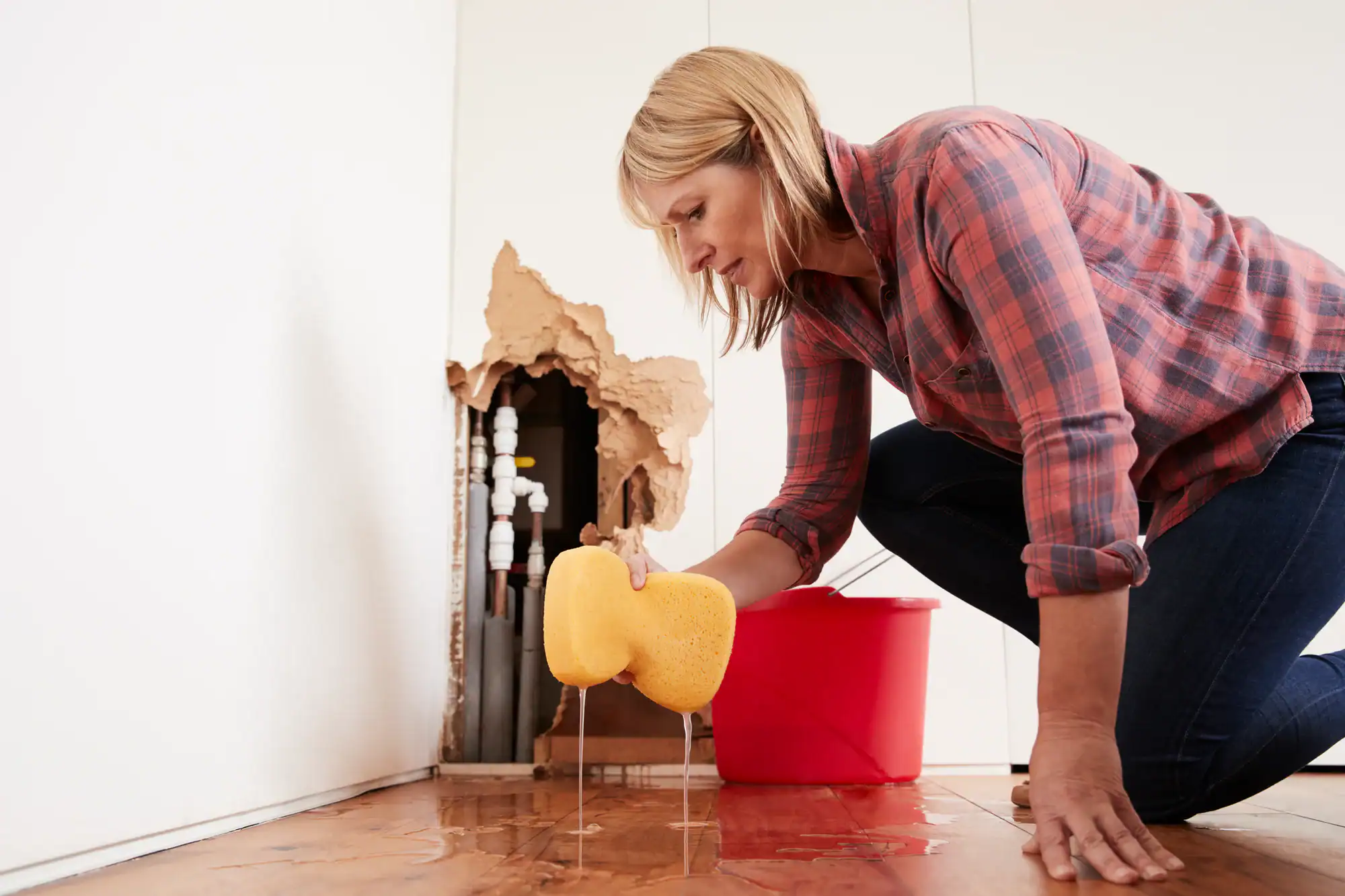
You found mold. Maybe it’s a dark patch behind the bathroom vanity, a musty smell coming from the basement after last week’s rain, or something your contractor spotted during a renovation. Now you’re trying to figure out whether to call someone today or take a few days to think it through.
That hesitation is completely reasonable — and it’s exactly where most people get into trouble. The real question isn’t whether your situation looks dramatic enough to qualify as an emergency. It’s whether you’re already inside the window where waiting makes things worse. In Nassau County, that window is shorter than most people realize.
How Fast Does Mold Actually Grow After Water Damage?
Mold begins germinating within 24 to 48 hours of water exposure under typical indoor conditions. That’s not a scare tactic — it’s the EPA’s guidance, and it’s consistent across the restoration industry. Visible colonies usually appear within 3 to 12 days. By two to three weeks, mold can start affecting structural materials, which is when a contained surface problem becomes a demolition-and-rebuild problem.
What most articles don’t tell you is that this timeline assumes average indoor humidity. Nassau County doesn’t have average indoor humidity — especially in summer. When the ambient relative humidity in your home is sitting above 70%, which is common here from June through September, porous materials that might take three days to develop mold in a drier climate can show active growth in 36 to 48 hours.
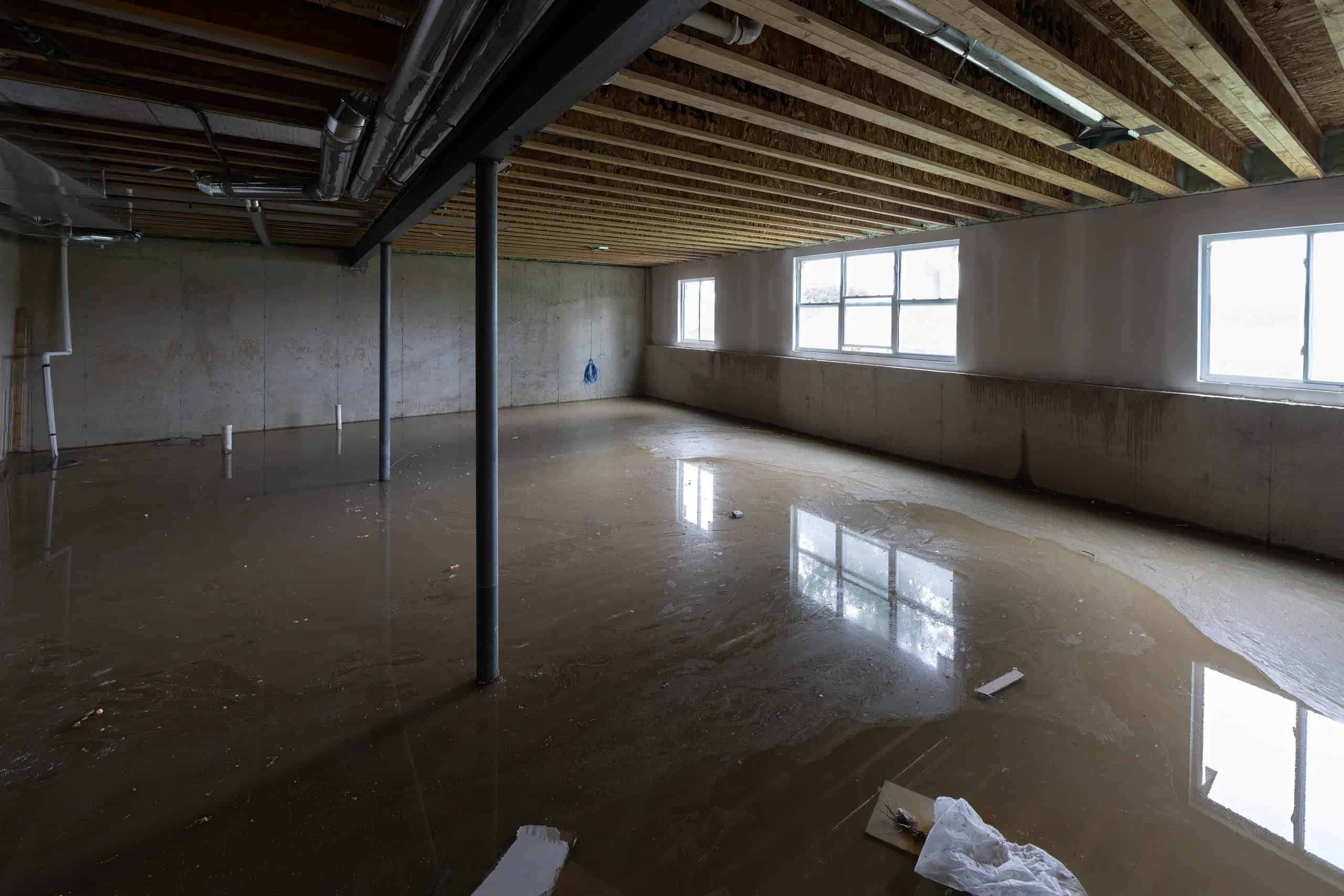
The South Shore communities — Long Beach, Oceanside, Freeport, Merrick, Wantagh, Massapequa — sit on a water table close enough to the surface that basements take on moisture from groundwater infiltration, not just broken pipes. That’s a different kind of moisture problem, and it doesn’t dry out on its own.
Why Nassau County's Coastal Climate Changes the Timeline
Nassau County is flanked by Long Island Sound to the north and the Atlantic Ocean to the south. That dual coastal exposure creates a persistently humid microclimate that most of the country simply doesn’t experience. When you read that you have “48 hours” before mold becomes a serious problem, that figure was not written with a Wantagh basement in mind in July.
The housing stock here compounds the issue. The post-WWII Cape Cods, split-levels, and raised ranches that define Levittown, Hicksville, and East Meadow were built in the late 1940s through the 1960s. They typically lack modern vapor barriers and use wood framing and cellulose-based insulation that mold colonizes readily. Many have finished basements added after original construction, creating hidden moisture pathways between the slab and the living space above.
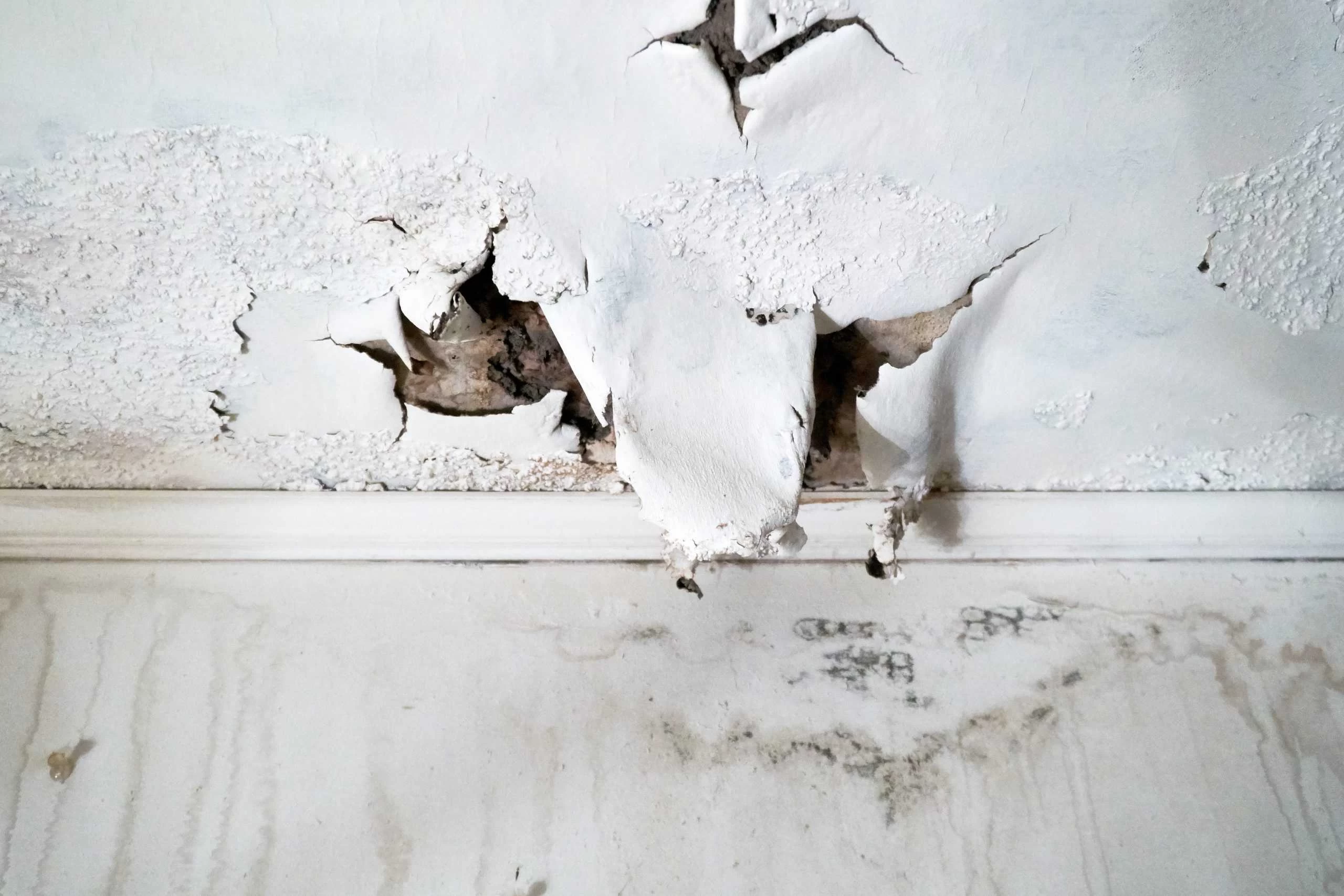
This matters because the visible patch you’re looking at is almost never the full story. Mold grows behind walls, under floors, inside HVAC systems, and in attic insulation long before it breaks through to a surface you can see. By the time you notice it, the problem has usually been developing for weeks. A moisture meter and thermal imaging camera reveal what your eyes can’t — temperature differentials behind drywall that indicate active moisture, even in areas that look perfectly dry.
The compressed timeline in Nassau County’s coastal climate means that what might be a “call someone this week” situation in a dry-climate market is genuinely a “call today” situation here.
When DIY Mold Removal Makes Things Worse
The EPA does say that homeowners can address mold areas under 10 square feet on non-porous surfaces themselves. If you have a small patch of surface mold on a tile wall and you’ve already fixed the moisture source, cleaning it with an appropriate product is a reasonable first step.
The problem is that most mold situations don’t fit that description. Bleach — the default DIY response — kills surface mold on non-porous materials but does not penetrate drywall, wood studs, insulation, or subfloor. Mold’s root structure, called hyphae, grows into those porous materials. Bleach doesn’t reach it. The surface looks clean for a few weeks, and then the mold comes back, often in a larger area, because the moisture source was never addressed and the root structure was never removed.
There’s another risk that doesn’t get enough attention. During any mold removal attempt — professional or DIY — airborne spore counts can be 10 to 1,000 times higher than normal. Without proper containment using plastic barriers and negative air pressure, those spores travel through your HVAC system and settle in rooms that had no mold problem at all. This is how a bathroom mold issue becomes a whole-house mold issue.
If the mold is on porous materials, covers more than 10 square feet, has any chance of being black mold, or followed a significant water event like a basement flood or roof leak, the DIY threshold has been crossed. The cost of professional remediation is almost always lower than the cost of addressing a problem that was made worse by an incomplete attempt to fix it.
Mold and Mildew Remediation: What the Process Actually Looks Like
Most homeowners have a vague sense that mold remediation involves someone in a hazmat suit spraying something on walls. The actual process is more structured than that — and understanding it helps you evaluate whether a contractor is doing the job correctly.
Professional mold and mildew remediation follows a sequence: thorough inspection to find all moisture sources (not just visible mold), containment to prevent spore spread, physical removal of contaminated materials, HEPA-filtered air scrubbing during the work, antimicrobial treatment of affected surfaces, structural drying, and post-remediation clearance testing. Every step matters. Skipping containment spreads the problem. Skipping clearance testing means you have no documented proof the job was done right.
New York State Licensing Requirements for Mold Remediation Contractors
New York State’s Department of Labor runs a formal Mold Program that requires separate licensing for mold assessors and mold remediation contractors. Any contractor performing mold work for hire in New York must hold a NYS DOL mold remediation license. There is no exception for small jobs.
There’s a second layer to this that matters just as much. The same individual or entity cannot legally perform both the mold assessment and the mold remediation on the same property. This separation exists as a consumer protection measure — it prevents a contractor from assessing the scope of a problem and then remediating it themselves, with no independent check on either finding. When you see a company offering to “inspect and remediate” as a single bundled service with no independent assessor involved, that’s a red flag.
Post-remediation clearance testing is also required. It must be performed by the original licensed mold assessor — not the remediation contractor — and it confirms that airborne spore counts have returned to acceptable levels before the space is reoccupied. In New York, this testing costs between $400 and $900 and is a legally required step in the process, not an optional add-on.
We hold the NYS DOL mold remediation license that state law requires. We’re also NYS and NYC M/WBE Certified, and we hold active contracts with Nassau County, Suffolk County, and multiple New York State agencies — contracts that require extensive vetting of our licensing, insurance, and performance history. We mention this not to impress you, but because it’s the kind of verifiable record that tells you whether a contractor is operating inside the rules or around them.
Mold Remediation Certificates and Real Estate in Nassau County
A mold remediation certificate of completion is the documented record that professional mold removal was performed by a licensed contractor and that post-remediation clearance testing confirmed the work was successful. It’s not just paperwork — it’s the document your insurance company needs to process a claim properly, and it’s the document a buyer’s inspector will ask for if you sell your home.
This matters more in Nassau County than in most markets. Post-Sandy, homeowners here have a level of insurance literacy that comes from actually navigating claims after a major event. They understand that undocumented remediation — even if it was done well — creates problems down the line. If you hire an unlicensed contractor or one who skips the clearance testing step, you end up with a property where mold was addressed but cannot be proven to have been addressed.
Nassau County’s real estate market is one where homes carry significant equity and where buyers and their attorneys ask hard questions. A certificate of completion from a licensed, documented remediation process closes those questions. Its absence opens them back up.
We provide that documentation as a standard part of our process — not as an upgrade. And because we handle insurance claim paperwork directly and bill insurers without requiring upfront payment from homeowners, the financial barrier that often causes people to delay calling is removed before the conversation starts. For larger projects that exceed insurance coverage, we also offer financing up to $200,000 at 0% APR through Enhancify.
When to Call for Emergency Mold Removal in Nassau County
Here’s the honest answer to the question this page started with: if a water event happened in the last 48 hours, you don’t have time to shop around. If you’ve been watching a mold patch for more than a few days, the problem behind the wall is already larger than what you can see. And if you’ve already tried bleach and the mold came back, the moisture source was never fixed — which means the remediation hasn’t started yet.
Nassau County’s coastal humidity, aging housing stock, and high water table on the South Shore make this a market where the standard mold growth timeline runs faster than the national average.
Green Island Group responds 24 hours a day, seven days a week, with industrial-grade equipment and licensed technicians who know Nassau County specifically. If you’re trying to figure out whether your situation can wait, the fastest way to get a real answer is to call and describe what you’re seeing. We’ll tell you honestly what it sounds like — and what the next step should be.