Summary:
If you’re searching for house demolition companies in Nassau County, NY, you’ve probably already realized that not every contractor showing up in the results is actually equipped to handle your project. Some are licensed for general construction but not for asbestos abatement. Some don’t pull permits. Some will give you a low number upfront and revise it once they’re already on-site.
This guide will help you ask the right questions so you can hire with confidence. By the end of this page, you’ll know exactly what to look for, what to avoid, and what a qualified demolition contractor in Nassau County should be able to tell you without hesitation.
What to Look for in Home Demolition Companies Before You Hire
The first thing worth understanding is that demolition in Nassau County isn’t a one-size-fits-all service. The region has its own licensing requirements, its own permit offices across three separate towns and dozens of incorporated villages, and a housing stock that — because so much of it was built between 1945 and 1980 — comes with asbestos risk on nearly every older project.
A contractor who does good work in another state, or even another county, may not know how the Town of Hempstead’s building department operates versus the Town of Oyster Bay’s. That local knowledge isn’t a soft differentiator — it directly affects how fast your permits get approved and whether your project hits a stop-work order.
Start with the basics: licensing, insurance, and documented experience. Then dig into the specifics that actually matter for your project.
Local Demolition Companies vs. National Firms in Nassau County
There’s a common assumption that bigger means safer — that a national demolition company brings more resources, more accountability, and less risk. In some industries that’s true. In residential demolition in Nassau County, it often isn’t.
Nassau County contains over 60 incorporated villages alongside the Towns of Hempstead, North Hempstead, and Oyster Bay — each with its own building department and code enforcement process. A large national firm may have the equipment and manpower, but if they’re not regularly pulling permits in Mineola, Garden City, or Long Beach, they’re learning your project’s local requirements on your dime and your timeline.
We’ve found that local demolition companies operating in Nassau County for years know which municipal offices to contact, how long approvals realistically take, and how to navigate the complications that come up when a project sits in an incorporated village with its own overlay requirements. That institutional knowledge is genuinely hard to replicate.
There’s also the matter of responsiveness. National firms often prioritize large commercial and industrial contracts. A homeowner in Levittown dealing with fire damage or a structural problem doesn’t always get the same urgency from a national operator as they would from a local contractor whose reputation is built entirely on Long Island.
What you want is a company that’s large enough to handle your project with proper equipment and staffing, but local enough to know Nassau County’s regulatory landscape and pick up the phone when you call.
Nassau County Demolition Licensing and Insurance: What's Actually Required
This is where a lot of homeowners get tripped up, because New York State doesn’t issue a single statewide general contractor license. Licensing is handled at the county level, which means the credential that matters for your project is a Nassau County Home Improvement Contractor License — issued by the Nassau County Office of Consumer Affairs. Contractors applying for it need to demonstrate at least five years of field experience.
Beyond that, any project involving asbestos — which includes most pre-1980 homes in Nassau County — requires a separate NYS Department of Labor Asbestos Handling License. This is a distinct credential governed by NYS Labor Law and Industrial Code Rule 56. It’s not something a general contractor can substitute with general experience or a different license type. If a demolition company can’t show you this credential and your home was built before 1980, that’s a serious problem.
On the insurance side, New York requires demolition contractors to carry both general liability insurance and workers’ compensation. The workers’ comp piece matters more than most homeowners realize. Without it, if a worker is injured on your property, you can be held liable. Ask for certificates of insurance — not just a verbal confirmation — before any work begins.
Federal law adds another layer. Under EPA NESHAP regulations, if your home contains regulated asbestos-containing materials, your contractor is required to notify the EPA at least ten working days before demolition begins. Skipping this step has resulted in fines ranging from $7,500 to over $100,000 for property owners. We handle this notification as part of our standard process — but it’s worth confirming any contractor you hire actually does.
Questions to Ask House Demolition Companies Before Signing Anything
Once you’ve confirmed a contractor is properly licensed and insured, the conversation shifts to fit. Not every licensed contractor is the right contractor for your specific project. The questions you ask upfront will tell you a lot about how organized they are, how honest they are about scope, and whether they’ve actually done this type of work in Nassau County before.
A contractor who answers these questions clearly and specifically — without hedging or getting defensive — is usually one worth trusting.
What Does the Quote Actually Include? Debris Removal, Permits, and Asbestos
The single biggest source of budget overruns in demolition projects is a quote that looks comprehensive but isn’t. Before you compare numbers from different contractors, you need to know what each number actually covers.
Ask specifically whether the quote includes permit fees. In Nassau County, demolition permits are required for any structure that required a permit to build — which is essentially everything. Permit costs vary by municipality and project scope, and some contractors quote labor only and leave permit fees as a separate line item that shows up later.
Ask about debris removal and site cleanup. Some contractors haul everything away as part of the job. Others leave debris removal to the property owner or quote it separately. On a full teardown, that’s not a small difference.
Ask about the asbestos survey. If your home was built before 1980, a thorough asbestos inspection is legally required before demolition begins. We include this as part of our process. Some contractors expect you to arrange it separately with a third-party inspector. If asbestos is found, remediation needs to happen before demolition can proceed — and that affects both timeline and cost. A contractor who factors this into the initial conversation is being honest with you.
Finally, ask about utility disconnection. Gas, electric, water, and sewer lines all need to be properly disconnected and capped before any demolition work begins. This typically involves coordination with utility providers and the local municipality. It’s a standard part of a professional demolition scope — but confirm it’s included, because not every contractor handles it the same way.
Does the Demolition Company Also Handle Restoration — or Will You Need a Second Contractor?
This question matters more than most homeowners expect, and it’s one that rarely gets asked until it becomes a problem.
Most demolition companies tear things down and leave. If you’re dealing with fire damage in Freeport or flood damage after a nor’easter hits the South Shore, you don’t just need the damaged structure removed — you need the property restored. That means coordinating a second contractor, aligning two separate timelines, and managing the communication gap between a company that ends at demolition and one that starts at rebuild. When insurance is involved, that coordination gap gets even more complicated.
We handle both demolition and full restoration, which eliminates that problem entirely. One company knows the full scope of the project, one company is accountable for the outcome, and one company can work directly with your insurance carrier so you’re not stuck playing middleman between adjusters and contractors.
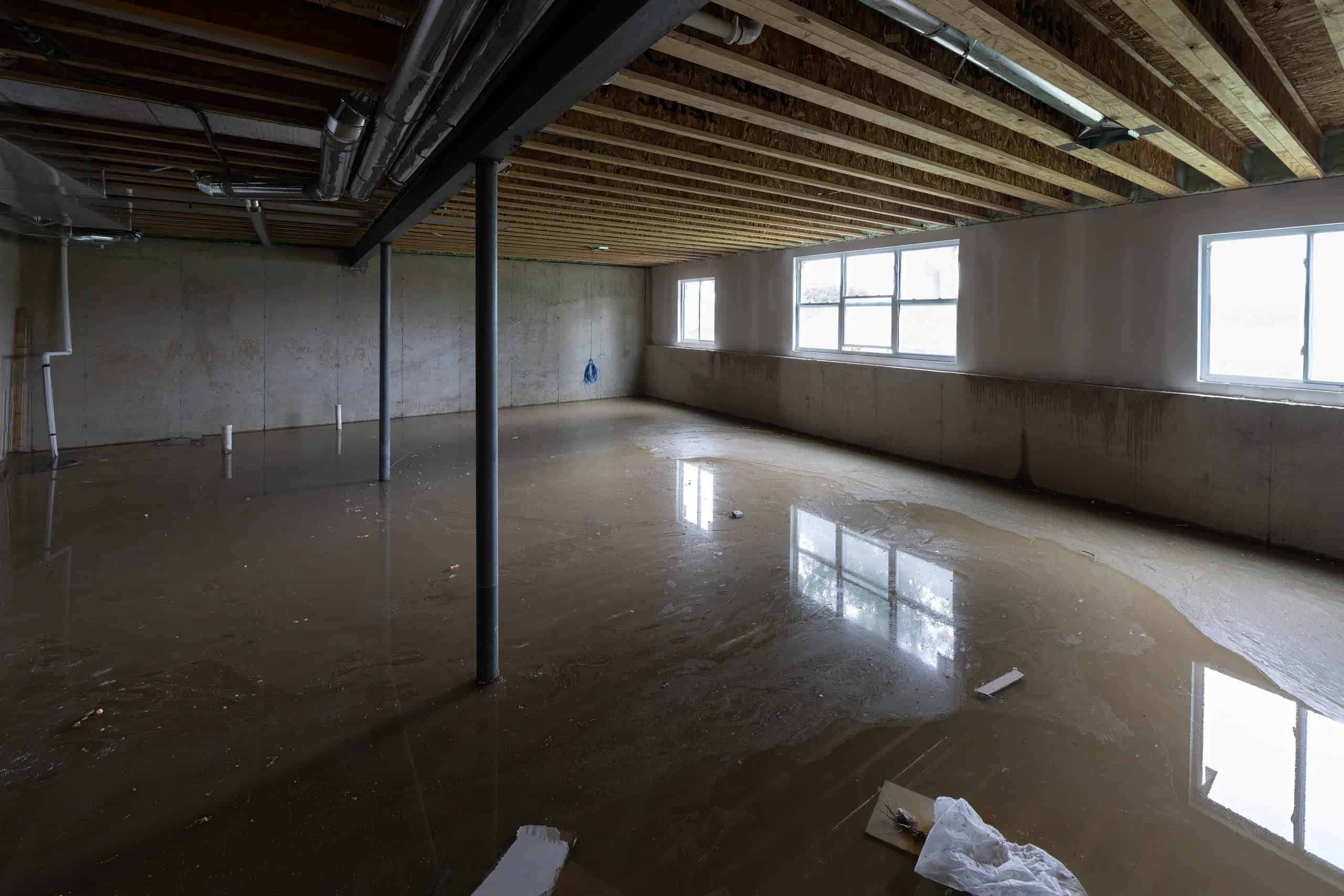
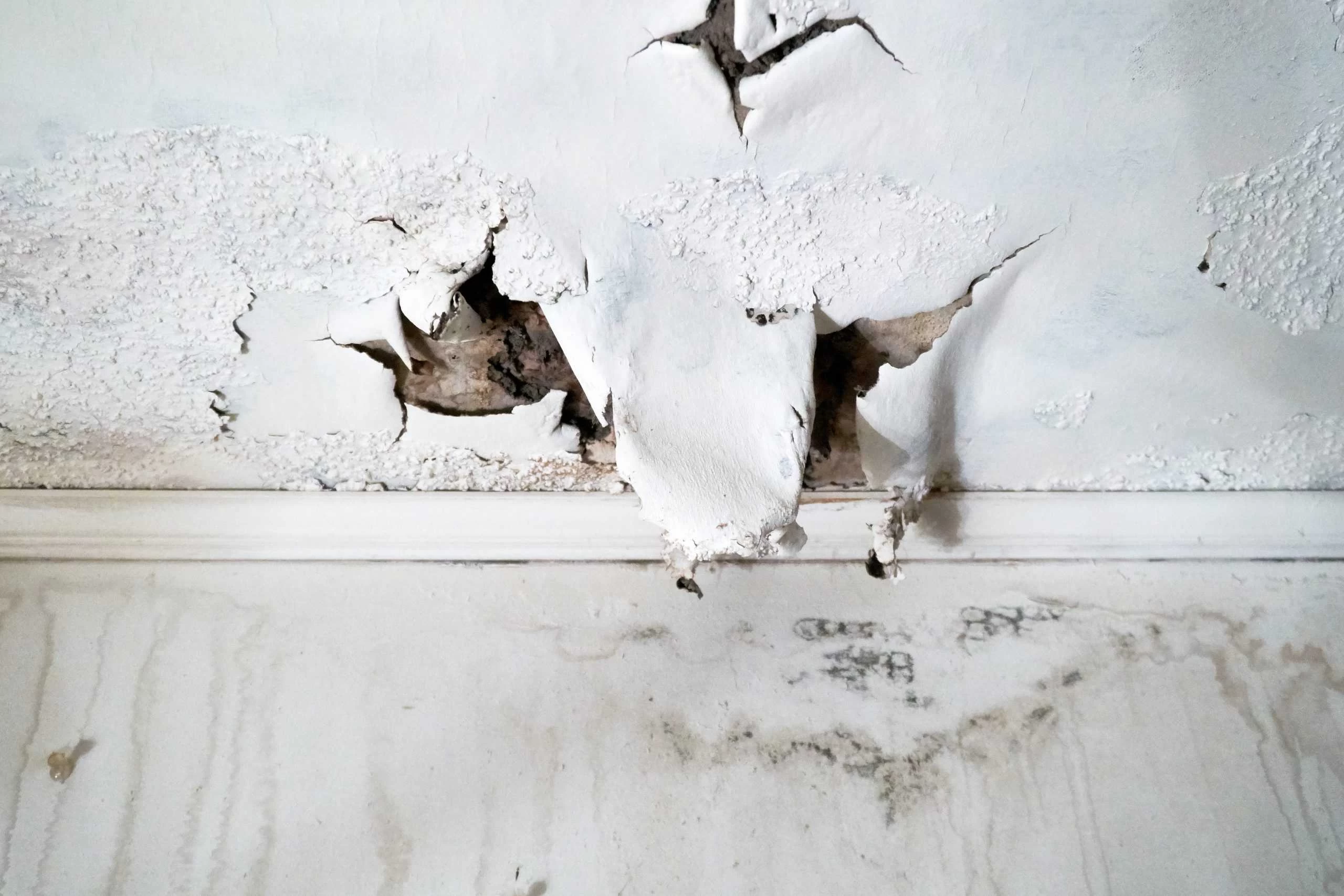
This is especially relevant in Nassau County, where a significant portion of demolition projects aren’t planned teardowns — they’re emergency responses to storm damage, fire, water intrusion, or mold. Long Beach, Oceanside, and other coastal communities along the South Shore see this regularly. When a property has sustained serious damage, the line between demolition and restoration isn’t clean, and a contractor who only does one of the two will eventually hand you off to someone else at the worst possible time.
If a contractor can walk you through what happens after the demolition — not just during it — that’s a sign they’re thinking about your project the way you need them to.
Finding the Right Demolition Contractor in Nassau County
The short version: verify licensing specific to Nassau County, confirm insurance coverage in writing, understand exactly what the quote includes, and ask whether the contractor can see your project through from start to finish — not just through the teardown.
Nassau County’s older housing stock, multi-jurisdictional permit landscape, and coastal exposure create conditions that reward working with a contractor who actually knows this market. The cheapest quote and the most capable contractor are rarely the same thing, and the gap between them tends to show up at the worst possible moment.
If you’re ready to talk through your project — whether it’s a planned demolition, emergency response, or a full restoration following damage — we’re available 24/7 and have been doing this work across Nassau and Suffolk County for over 12 years. Reach out and get a clear picture of what your project actually involves before committing to anything.