Summary:
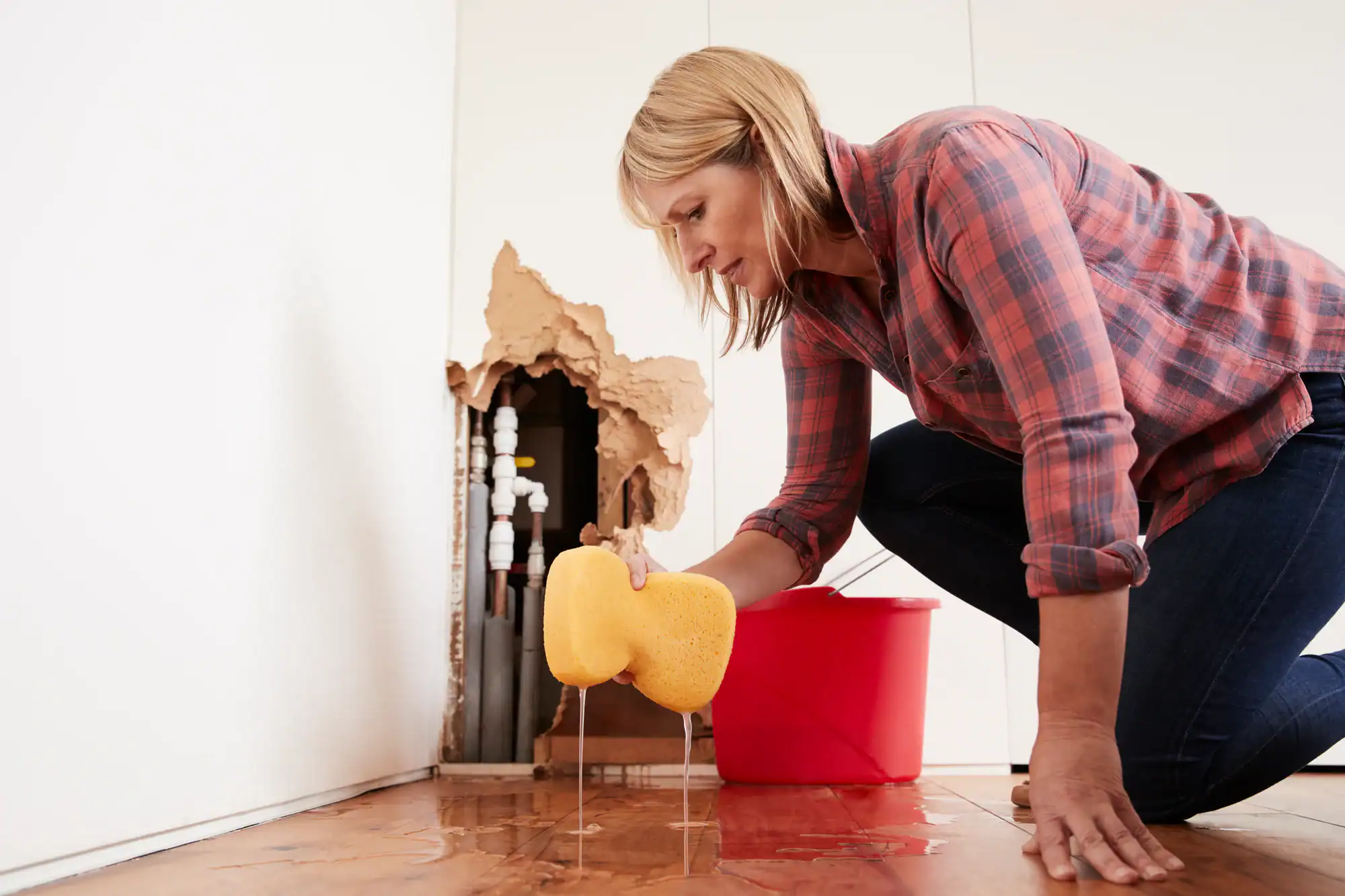
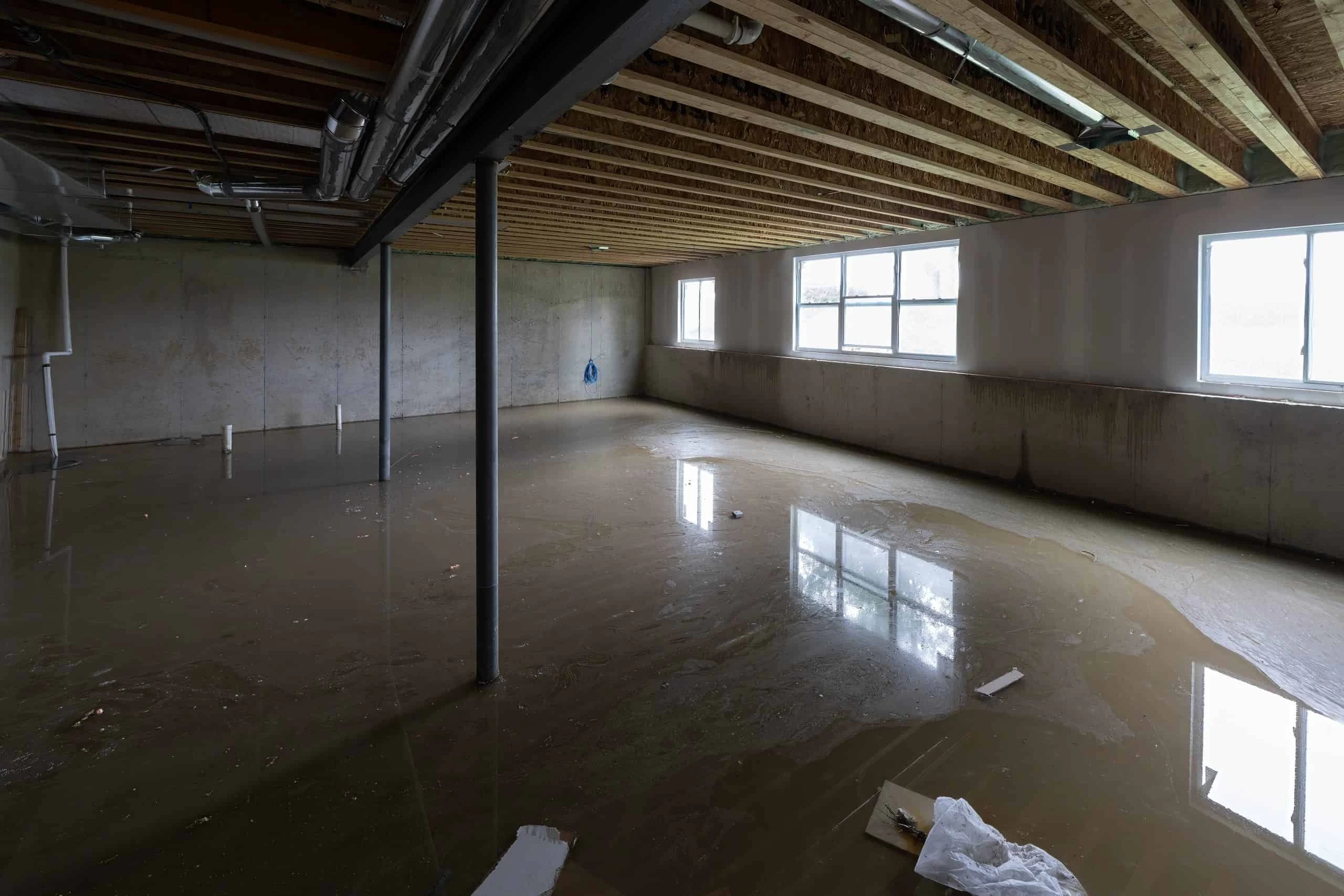
If you’re reading this, there’s a good chance something has already gone wrong. Maybe your basement took on water during last night’s storm. Maybe a pipe let go while you were at work. Whatever happened, the instinct to figure out how bad it is — and whether you can handle it yourself — is completely understandable.
The honest answer is that water damage moves faster than most people expect. What starts as a wet floor can turn into a mold problem, a structural issue, or a much bigger insurance headache within days. This page is here to help you understand what’s actually happening inside your walls, what proper restoration looks like, and what to watch out for in Nassau County specifically.
Emergency Water Damage: What the First 48 Hours Actually Mean
The EPA, FEMA, and the CDC all point to the same window: mold begins growing within 24 to 48 hours of water intrusion. Once mold establishes itself inside a wall cavity or under a subfloor, you’re no longer dealing with a drying job. You’re dealing with remediation, which costs significantly more and takes significantly longer.
The other thing that happens fast is water category escalation. Clean water from a burst supply line is Category 1 — manageable, straightforward. Left untreated for 48 to 72 hours, that same water becomes Category 2 as bacteria multiply. After that, you’re looking at Category 3 protocols, which require full protective equipment and specialized disposal procedures. Speed isn’t just about convenience. It changes the entire scope of the job.
Emergency Restoration Services: What Happens When We Arrive
When we arrive at a Nassau County property, the first thing we do is assess — not just what’s visible, but what isn’t. Water travels. It follows framing, runs along subfloor seams, and pools in wall cavities that look completely dry from the outside. We use thermal imaging cameras to locate hidden moisture pockets that a visual inspection would miss entirely. The average job turns up three of them. Those are three potential mold colonies that a less thorough process would leave behind.
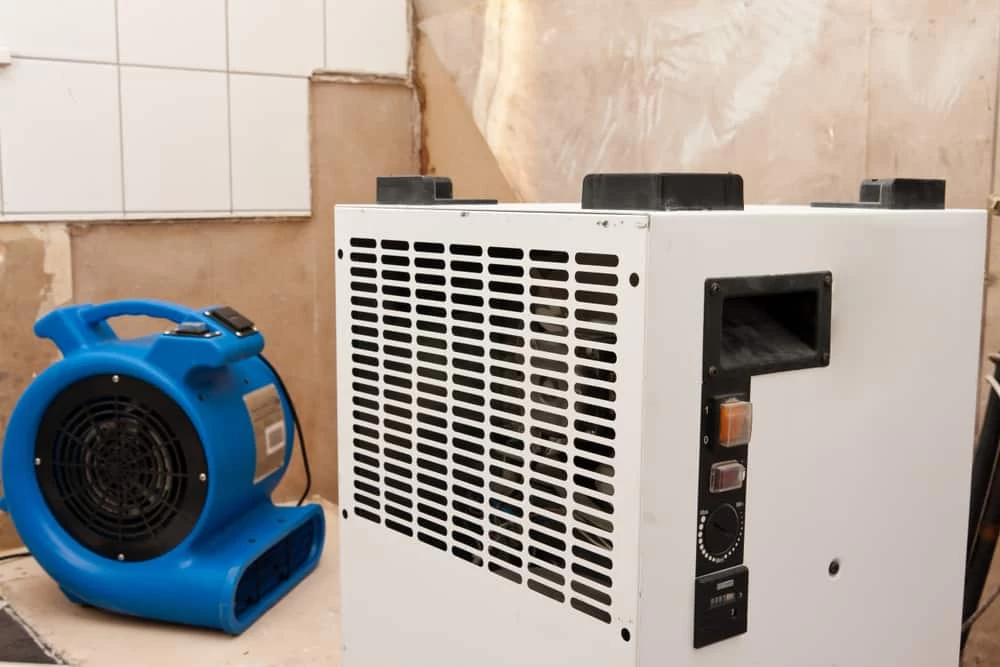
From there, we extract standing water using truck-mounted pumps capable of moving thousands of gallons per hour, then set up commercial-grade air movers and dehumidifiers in calculated positions based on psychrometric readings — not guesswork. We monitor drying progress daily and document everything with moisture meter readings, which matters enormously when you’re filing an insurance claim. Proper documentation is what separates a successful claim from a disputed one.
The equipment we use is not comparable to what you can rent from a hardware store. Consumer dehumidifiers pull moisture from the air. Industrial drying systems extract moisture from the structural materials themselves — drywall, subfloor, framing, concrete. For Class 4 materials like hardwood floors or plaster walls, which are common in Nassau County’s older housing stock, we use injection drying systems that target moisture trapped in cavities without requiring unnecessary demolition. That’s a meaningful difference in both outcome and cost.
Water Removal Services: Extraction Is Just the Starting Point
Pulling water out of a space is the first step, not the last. It’s also the step that most people picture when they think about water damage cleanup — a pump, a wet vac, some fans. But extraction is really just clearing the way for the actual work, which is structural drying.
Once standing water is removed, the affected materials — drywall, insulation, subfloor, framing — are still saturated. They need to be brought down to safe moisture levels before any repairs happen, or you’re sealing moisture inside finished surfaces where it will eventually cause warping, rot, or mold. The drying phase typically takes three to five days with the right equipment, and it requires daily monitoring to confirm the process is working as expected.
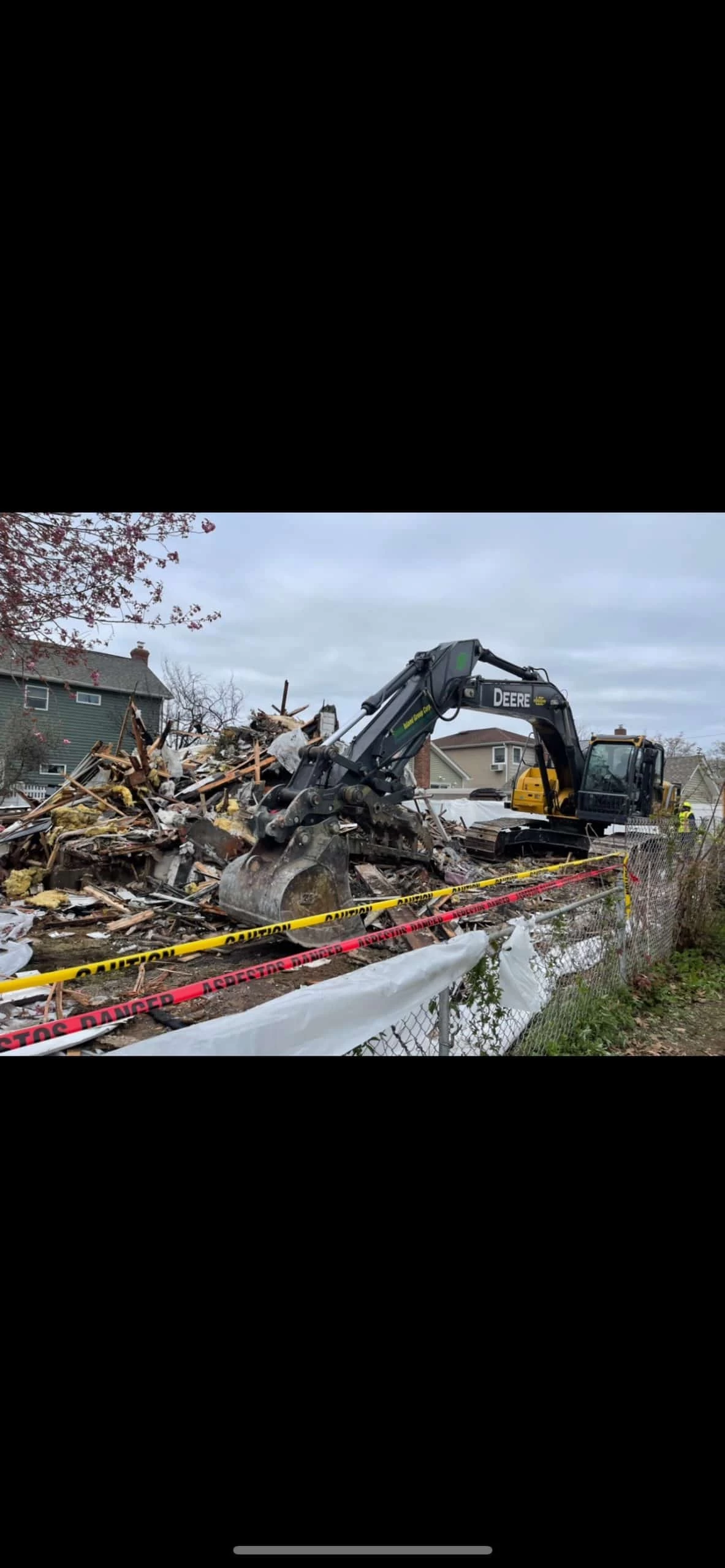
For Nassau County homeowners, there’s an added layer worth understanding. A significant portion of the county’s housing stock was built before 1980 — think Levittown, the surrounding communities in central Nassau, and much of the South Shore. Homes from that era commonly contain asbestos in floor tiles, pipe insulation, and ceiling tiles, as well as lead paint in walls and trim. When water damage exposes or disturbs those materials, you have a hazmat situation that has to be addressed before standard restoration work can continue. We handle asbestos abatement and lead abatement in-house, which means no waiting on a subcontractor, no coordination gaps, and no ambiguity about who’s responsible for what.
That matters more than most homeowners realize until they’re in the middle of a job and a general restoration crew tells them they can’t proceed until someone else comes out to handle the abatement. We don’t put you in that position.
Mold Removal Specialist Services for Nassau County Properties
Mold remediation in New York isn’t something any contractor can legally perform. Under Article 32 of the New York State Labor Law, anyone performing mold assessment or remediation for pay must hold a mandatory NYS DOL license. Nassau County adds another layer on top of that — the Environmental Hazard Remediation Provider (EHRP) license, issued by the Nassau County Fire Marshall under Local Law 13-2014. These are two separate credentials with significant training requirements, and operating without both is illegal.
We hold all required state and county licenses, including NYS DOL mold remediation, asbestos abatement, and lead abatement credentials, along with the Nassau County EHRP license. Before you hire anyone for mold work in Nassau County, it’s worth asking them to verify both. Most homeowners don’t know to ask. The ones who do tend to make much better hiring decisions.
Professional Mold Removal: What the Process Actually Involves
There’s a version of mold removal that involves bleach, a scrub brush, and a fan. That version doesn’t work for anything beyond surface-level growth on non-porous materials, and it does nothing for mold that’s already established inside wall cavities or under flooring. Professional mold removal is a different process entirely.
It starts with containment. We construct barriers using 6-mil polyethylene sheeting sealed to prevent cross-contamination, then establish negative air pressure inside the work area using HEPA-filtered ventilation units. This keeps mold spores from spreading to unaffected parts of the home during the remediation process — a critical step that’s easy to skip and expensive to fix if you don’t.
From there, affected materials are removed, treated, or both, depending on the extent of growth and the material type. Porous materials like drywall and insulation that have been colonized typically need to come out. Non-porous surfaces can often be treated in place. After remediation is complete, we conduct post-remediation verification — air quality testing to confirm that spore counts have returned to acceptable levels before the space is reoccupied. That final step is something many companies skip, and it’s the only way to know the job is actually done.
One thing New York State law is clear about: the same company cannot perform both the mold assessment and the mold remediation on the same property. That separation exists as a fraud-prevention measure, and it’s worth knowing about. If a company offers to assess and remediate without disclosing that they’re using a separate licensed assessor, that’s a red flag.
Black Mold Remediation and the Health Risks Worth Understanding
Black mold — Stachybotrys chartarum — produces mycotoxins that can cause respiratory issues, allergic reactions, and more serious health effects in people who are already immunocompromised, elderly, or very young. Prolonged exposure in enclosed spaces is the primary concern, and it’s most likely to occur when mold growth goes undetected for an extended period.
The more important point is that any active mold growth inside a home represents a health concern. Common effects across mold species include chronic coughing, sneezing, eye irritation, skin rash, and worsening asthma symptoms. People often attribute these symptoms to seasonal allergies or a lingering cold, not realizing the source is inside their walls.
In Nassau County, the coastal climate amplifies the risk. The ambient humidity along the South Shore — in communities like Freeport, Oceanside, Long Beach, and Massapequa — is consistently higher than inland areas, which means water intrusion events create favorable mold conditions faster than they would in drier climates. What might take 72 hours to become an active mold problem elsewhere can happen closer to 24 hours here.
Black mold also doesn’t always look the way people expect. It’s frequently dark green rather than pure black, has a slimy texture, and grows in areas with chronic moisture — behind drywall, under flooring, inside crawl spaces. It’s often invisible until the infestation is well established. That’s why post-water-damage mold inspection matters even when you can’t see anything obvious. Air sampling and surface testing are the only reliable way to know what’s actually present.
Water Damage Restoration in Nassau County: What to Do Next
The most expensive mistake Nassau County homeowners make after water damage isn’t hiring the wrong company. It’s waiting. Every hour between the moment water enters a structure and the moment professional drying equipment starts running is an hour of compounding damage — to materials, to air quality, and to the total cost of getting back to normal.
If you’re dealing with water damage right now, the priority is simple: stop the source if you can, document what you see for your insurance carrier, and call a company that can actually respond. Not tomorrow. Not after you’ve had time to think about it.
We’ve been doing this work across Nassau and Suffolk County for over 12 years. We carry every required state and county license, handle insurance billing directly, and offer financing up to $200,000 for situations where coverage falls short. If you’re not sure what you’re dealing with yet, that’s fine — the assessment is where we start. We’re available 24 hours a day, seven days a week, including holidays.
—
FREQUENTLY ASKED QUESTIONS
How much does water damage restoration cost in Nassau County, NY?
Most water damage restoration projects in Nassau County fall somewhere between $1,400 and $6,400, with the national average around $3,864 according to Angi. That range shifts significantly based on a few factors: how much water entered the space, what category it is (clean supply line water versus sewage backup), what materials were affected, and whether mold remediation is required. Nassau County projects often land at the higher end of national cost ranges because of local labor rates and the regulatory compliance requirements that come with licensed work in New York State. The best way to get an accurate number is an on-site assessment — we offer those at no charge.
How long does it take for mold to grow after water damage?
Mold can begin growing within 24 to 48 hours of water intrusion. In Nassau County’s coastal climate — particularly in South Shore communities like Freeport, Merrick, and Long Beach where ambient humidity is consistently elevated — that window can be even shorter. This is why water damage is treated as a time-sensitive emergency rather than something to assess over a few days.
Is water damage covered by homeowners insurance?
Standard homeowners insurance typically covers sudden and accidental water damage — a burst pipe, a failed appliance, an overflowing fixture. It generally does not cover gradual leaks, neglect, or flooding from external sources like storm surge or rising water. For Nassau County homeowners on the South Shore, that last point is critical: damage from coastal flooding usually requires a separate flood insurance policy through NFIP. If you’re unsure what your policy covers, we can help you document the damage in a way that supports your claim and communicate directly with your carrier.
What is water mitigation cost per square foot?
Water mitigation — the emergency response phase that stops further damage — typically runs between $3.75 and $7.50 per square foot depending on water category, materials involved, and the extent of saturation. That figure covers extraction and structural drying but not mold remediation or reconstruction, which are separate phases with their own cost ranges. For a rough estimate on your specific situation, an on-site assessment is the most reliable starting point.
Do I need a specially licensed contractor for mold work in Nassau County?
Yes, and this is something worth understanding before you hire anyone. New York State requires a mandatory NYS DOL mold remediation license for any paid mold work under Article 32 of the Labor Law. Nassau County adds a second requirement: the Environmental Hazard Remediation Provider (EHRP) license issued by the Nassau County Fire Marshall under Local Law 13-2014. These are two separate licenses, and operating without both is illegal. Penalties for unlicensed mold work can reach $10,000 per violation. Ask any contractor you’re considering to verify both credentials before work begins.