Summary:
If your home was built before 1980 and you’re planning a renovation, you’ve probably already wondered whether asbestos is something you need to deal with. The short answer: yes, it’s worth finding out before a contractor touches a single wall.
Nassau County’s housing stock is among the oldest in New York — the median home here was built in 1955. That puts the majority of residential properties squarely in the era when asbestos was a standard building material. It was in floor tiles, pipe insulation, ceiling tiles, roofing, and joint compound. Most of it is still there.
This guide covers what asbestos testing actually involves, when it’s required, what it costs, and why the contractor you choose in Nassau County matters more than most people realize.
What Professional Asbestos Testing Actually Involves
Asbestos testing isn’t a single action — it’s a process. A certified inspector visits the property, conducts a visual assessment to identify suspect materials, then collects bulk samples from those areas using proper containment protocols. Those samples go to a NYS DOH ELAP-certified laboratory for analysis under Polarized Light Microscopy, which determines whether asbestos is present and at what concentration.
The written report you receive documents every material tested, its location, its condition, and whether it qualifies as a regulated asbestos-containing material under EPA standards. That documentation isn’t just for your peace of mind — it’s what your contractor needs before pulling permits, and what a buyer’s attorney may ask to see before closing.
Air sampling is a separate layer of testing used during or after abatement work to confirm that fiber levels in the air are within safe limits. If you’re not doing abatement yet, bulk sampling is typically where you start.
Why DIY Asbestos Test Kits Fall Short for Nassau County Homeowners
Hardware store asbestos test kits exist, and yes, some people use them. But there are real limitations worth understanding before you go that route, especially if you’re planning a renovation or preparing to sell a property in Nassau County.
The first issue is sampling accuracy. Collecting a representative sample from a suspect material — say, a section of 9″x9″ vinyl floor tile or pipe insulation — requires knowing exactly where to sample, how to wet the area to suppress fiber release, and how to seal the sample without cross-contaminating adjacent surfaces. Without training, it’s easy to either collect a non-representative sample or inadvertently disturb the material in a way that releases fibers into the air. Neither outcome is good.
The second issue is the lab. DIY kits typically send samples to labs that are not accredited by NVLAP or certified under NYS DOH ELAP standards. That matters because Nassau County permit offices and renovation contractors need results from accredited laboratories. A negative result from a non-accredited lab won’t satisfy a permit requirement or hold up in a real estate transaction.
The third issue is legal sufficiency. NYS Industrial Code Rule 56 — the state regulation governing all asbestos removal in New York — requires that testing be performed by certified inspectors before abatement work begins. A DIY result doesn’t meet that standard. If you’re planning any renovation that will disturb suspect materials, professional testing isn’t optional — it’s the required first step.
There’s also a practical risk that doesn’t get talked about enough: if you disturb asbestos-containing material while attempting to collect a sample without proper PPE, you may have already exposed yourself to fibers before you even know the result. Professional inspectors use wetting agents, containment protocols, and appropriate protective equipment specifically to prevent that from happening.
The cost difference between a DIY kit and a professional inspection is real, but it’s narrow when you consider what’s actually at stake — your health, your renovation timeline, and in Nassau County’s market, a property worth close to $800,000.
When Is Asbestos Testing Required Before Renovation or Demolition in NY?
This is one of the most common questions we hear, and the honest answer is: more often than most homeowners expect.
Under NYS Industrial Code Rule 56, any renovation or demolition project that will disturb materials suspected of containing asbestos requires a certified inspection before work begins. That applies to residential and commercial properties alike. It’s not a suggestion — it’s a legal requirement enforced by the NYS Department of Labor’s Asbestos Control Bureau.
At the federal level, EPA NESHAP regulations require an asbestos bulk survey before any demolition or major renovation of a public or commercial building, regardless of when it was built. Non-compliance carries penalties of up to $70,117 per day per violation — a number that tends to get people’s attention quickly.
In Nassau County specifically, there’s an additional layer. The county requires that environmental remediation contractors hold an EHRP (Environmental Hazard Remediation Provider) license issued by the Nassau County Department of Health. That’s separate from — and in addition to — the NYS DOL asbestos certification. Many contractors who operate throughout Long Island hold the state license but not the county-specific EHRP credential. If you’re hiring someone to test or remediate asbestos in Nassau County, it’s worth asking for both.
For residential sellers, the trigger is often a home inspection or a buyer’s attorney flagging the age of the property. Pre-1980 homes in Garden City, Great Neck, or Levittown routinely come up in transactions where asbestos documentation is requested. Getting ahead of it before you list — rather than scrambling during the contract period — gives you more control over the outcome.
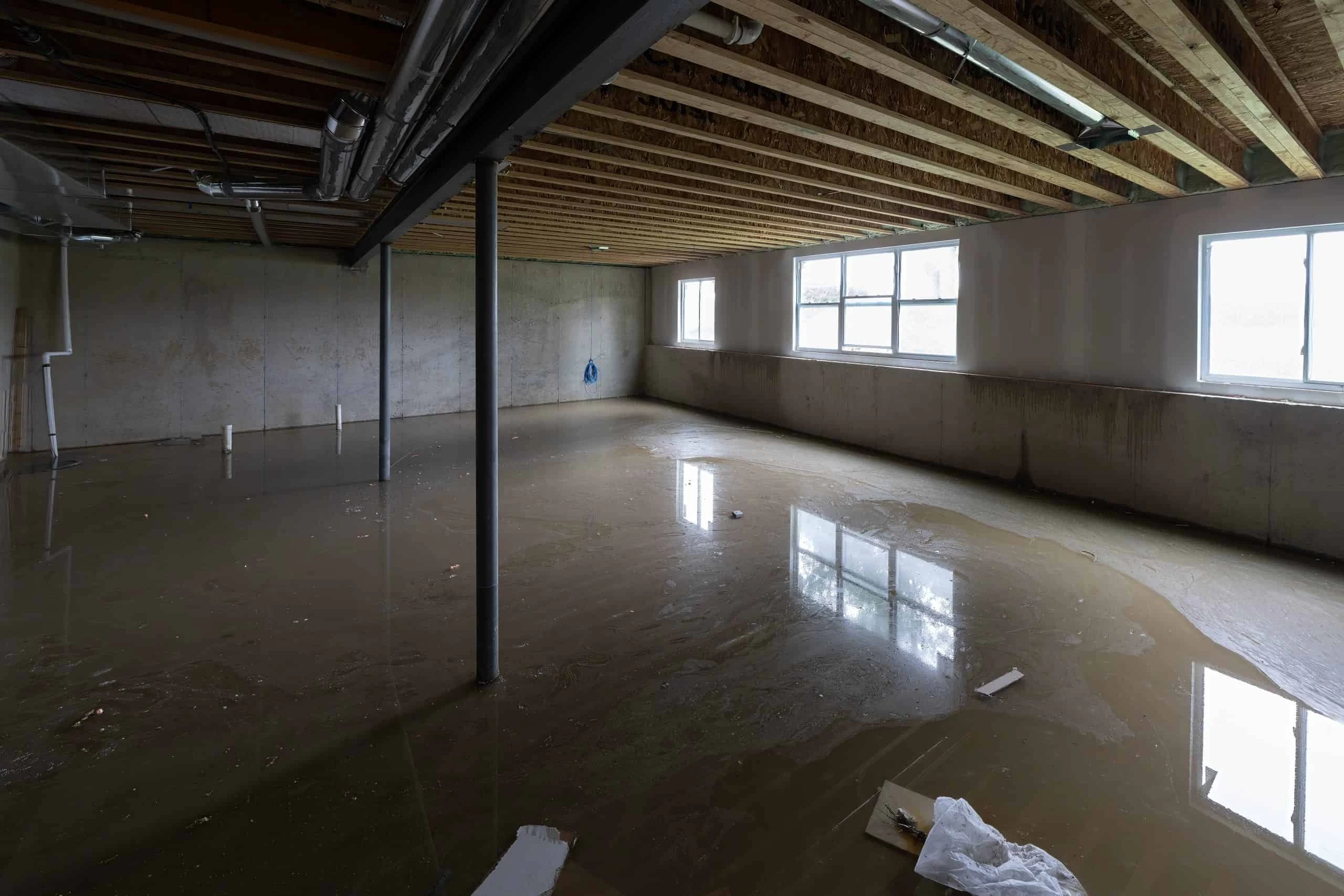
For homeowners planning kitchen remodels, bathroom renovations, or basement finishing projects, the trigger is the permit application. Nassau County permit offices frequently require documentation of asbestos clearance before issuing renovation permits for older structures. If your contractor hasn’t mentioned this, it’s worth asking before demolition day.
Hiring a Licensed Asbestos Removal Contractor in Nassau County
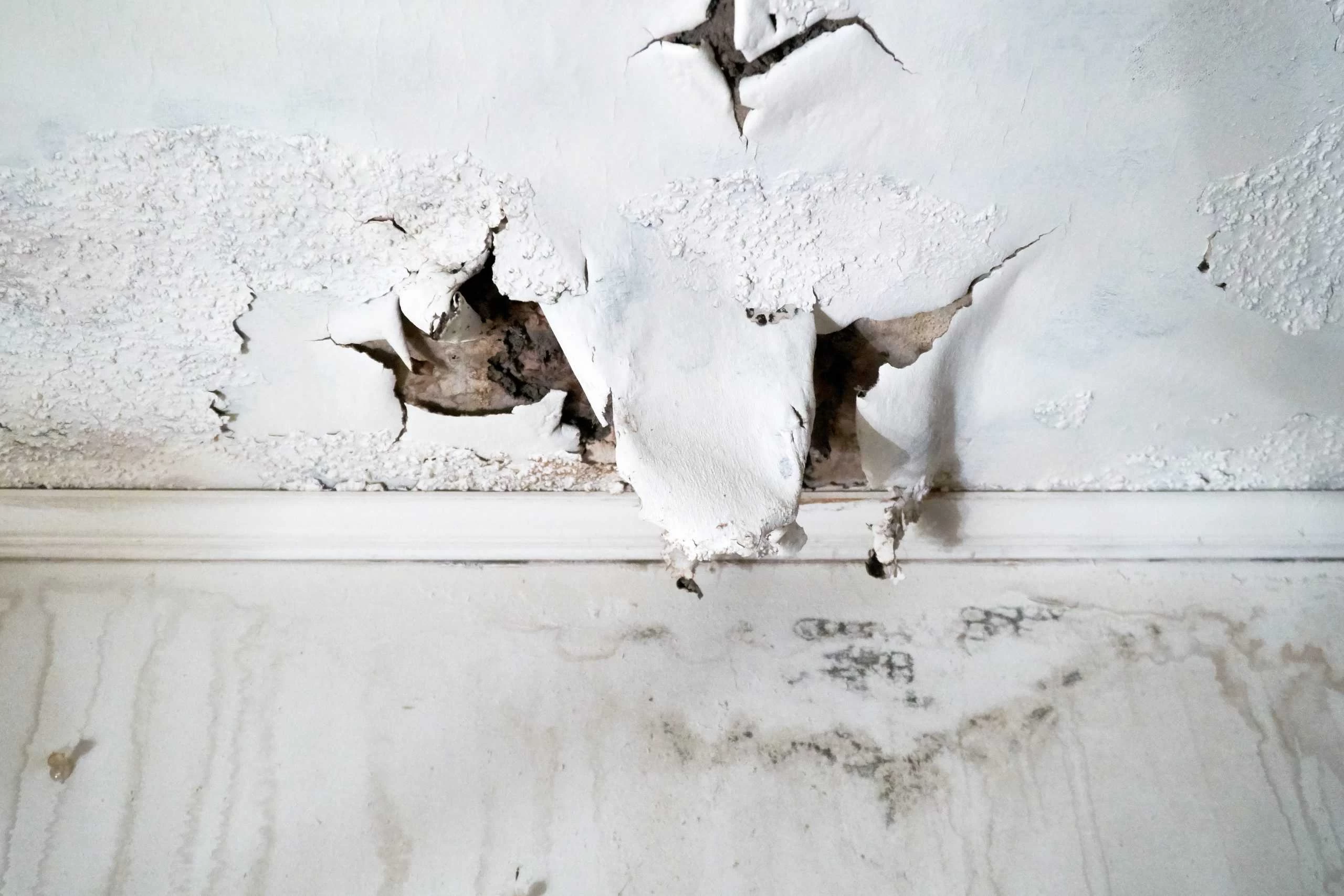
Once testing confirms the presence of asbestos-containing materials, the next decision is what to do about them. Not every situation requires immediate removal — undisturbed materials in good condition can often be managed in place through monitoring and encapsulation. But when renovation, deterioration, or demolition is involved, licensed abatement is required.
Choosing the right asbestos removal contractor in Nassau County means verifying credentials at two levels: NYS DOL asbestos certification and Nassau County EHRP licensing. You can confirm both through the NYS DOL’s public contractor database and the Nassau County Department of Health. Any contractor who can’t provide both upon request is a contractor worth walking away from.
When you work with us, we handle testing, abatement, and post-clearance air testing under one roof. This simplifies the process considerably. When the same licensed team manages the full scope, there’s no gap in accountability and no coordination burden on you.
What to Expect From an Asbestos Demolition Contractor in New York
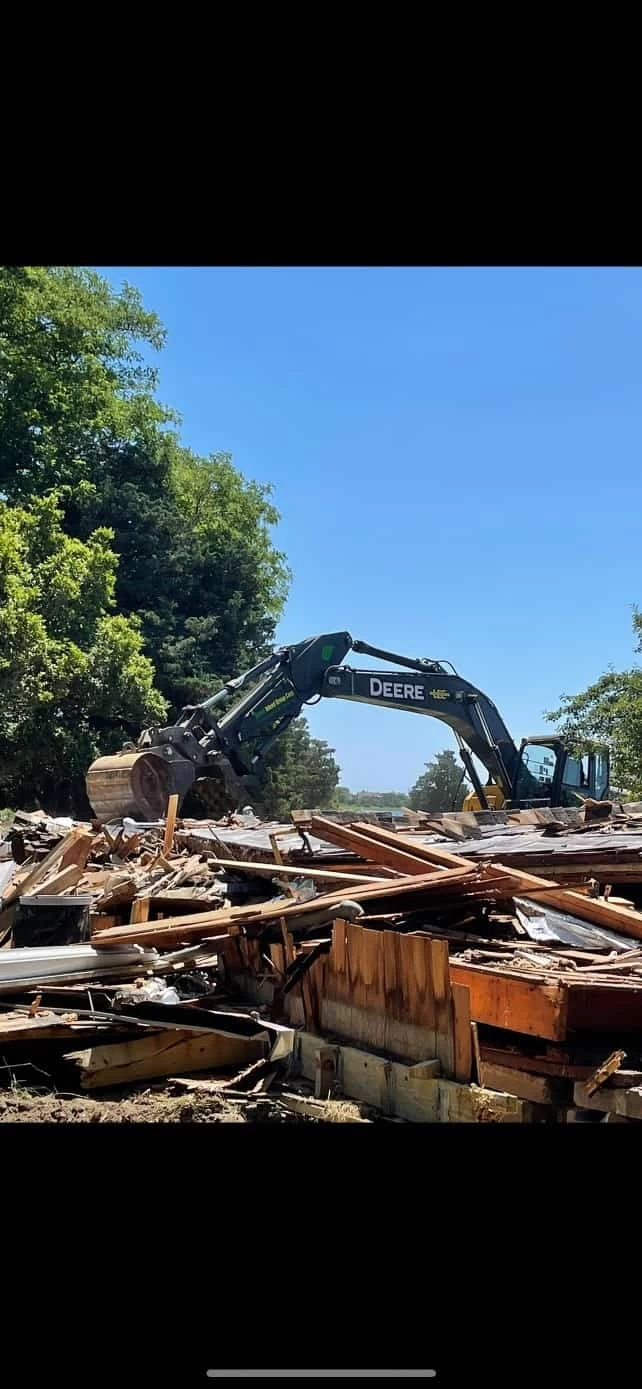
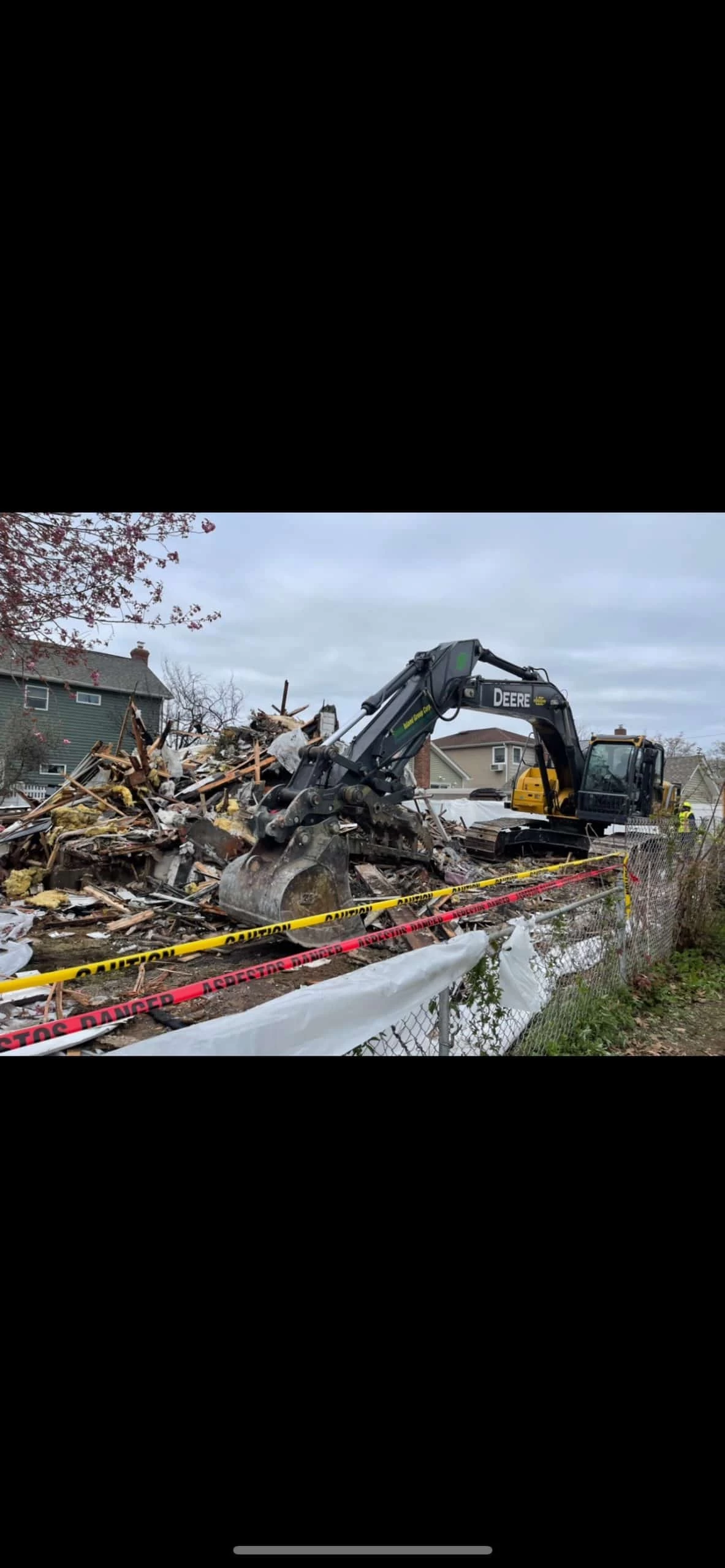
Demolition projects carry a higher level of regulatory scrutiny when it comes to asbestos, and for good reason. When a structure is torn down, any asbestos-containing materials that haven’t been properly identified and removed beforehand can be pulverized and released into the air — creating a hazard that extends well beyond the property line.
Before any demolition begins on a pre-1980 structure in New York, a certified asbestos inspector must conduct a thorough survey of the building. This isn’t a quick walkthrough — it involves collecting bulk samples from every suspect material category present, including insulation, flooring, roofing, siding, plaster, and joint compounds. The results determine what needs to be abated before demolition crews can proceed.
For commercial properties and larger residential demolitions, EPA NESHAP requires advance notification to the state before work begins. The notification timeline and documentation requirements are specific, and missing them can result in project delays and significant fines. An experienced asbestos demolition contractor will know exactly what needs to be submitted, to whom, and when.
In Nassau County, demolition activity is particularly active in Hempstead and surrounding commercial corridors, where older structures are regularly being redeveloped. The regulatory requirements are the same regardless of whether the project is a single-family teardown in Levittown or a commercial building in Mineola — the pre-demolition asbestos survey is mandatory, and the contractor performing the abatement must hold current NYS DOL and EHRP credentials.
One thing worth knowing: the asbestos demolition contractor and the demolition contractor don’t have to be the same company, but the sequencing matters. Asbestos abatement must be completed and cleared before general demolition begins. If you’re coordinating a project with multiple contractors, make sure this order is locked in before anyone shows up on site. Getting it backwards doesn’t just create a compliance problem — it can halt the entire project and create liability for everyone involved.
Nassau County Asbestos Abatement: What It Costs and What Affects the Price
Cost is usually the first question after someone gets a positive test result, and it’s a fair one. The range is wide, and understanding what drives the price helps you evaluate estimates more clearly.
For a standard residential asbestos inspection — visual assessment, sample collection, and lab analysis — you’re typically looking at $250 to $850 nationally, with whole-home comprehensive surveys running $1,200 to $2,000 or more. Pre-renovation and pre-demolition surveys for residential properties generally fall in the $600 to $1,500 range. In Nassau County, pricing tends toward the higher end of these ranges, reflecting the cost of living and the additional compliance requirements that come with operating in this market.
Post-abatement air clearance testing — the step that confirms safe reoccupancy after removal — typically costs $300 to $1,000 depending on the size of the space. This step is not optional if you want legal documentation that the work was completed properly, and it’s what allows your contractor to certify the space as safe.
For abatement itself, the range is broader. Small projects involving a single room or isolated pipe insulation might run $1,500 to $3,000. Moderate projects covering flooring, ceiling tiles, or multiple rooms typically fall between $3,000 and $10,000. Larger whole-house or commercial abatements can reach $50,000 or more depending on scope, accessibility, and disposal costs.
What drives cost up: friable materials (which release fibers more easily and require more intensive containment), hard-to-access locations like crawl spaces or mechanical rooms, larger square footage, and expedited timelines. What drives cost down: non-friable materials in good condition, straightforward access, and flexible scheduling.
One thing that shouldn’t drive your decision is sticker shock alone. Delaying testing or abatement on deteriorating materials doesn’t make the problem smaller — it typically makes it more expensive and more hazardous over time. We offer financing up to $200,000 with 0% APR options specifically because we don’t want cost to be the reason a family puts off work that protects their home and their health.
Asbestos Testing in Nassau County: What to Do Next
If you’re in a pre-1980 home in Nassau County — whether you’re planning a renovation, preparing to sell, or just dealing with materials that look like they’ve seen better days — professional asbestos testing is the right first step. Not because it’s required by law in many situations (though it often is), but because knowing what you’re dealing with gives you actual options. You can’t manage a problem you haven’t measured.
The testing process itself is straightforward when you’re working with a certified team. A licensed inspector assesses the property, collects samples properly, and sends them to an accredited lab. You get a written report that tells you exactly what’s there, where it is, and what condition it’s in. From there, you make informed decisions — not guesses.
What matters most in Nassau County is working with a contractor who holds both NYS DOL asbestos certification and the county-specific EHRP license. Those two credentials together mean the work is compliant at every level. We carry both, along with more than 12 years of experience and over 5,000 completed projects across New York State. If you have questions or want to schedule an assessment, reach out — we’re available around the clock.