Summary:
Most people searching for interior demolition contractors already have a general idea of what they want — tear out the old kitchen, gut the flood-damaged basement, strip the bathroom down to the studs. What they’re less sure about is whether what they’re describing is actually interior demolition, or whether the scope of their situation calls for something more. And in Nassau County, NY, where the average home is over 70 years old and the regulatory environment is more layered than most homeowners expect, getting that distinction right before you hire anyone matters a lot. Here’s what you need to know.
What Interior Demolition Actually Involves
Interior demolition — sometimes called selective demolition or a gut demo — means removing the inside of a structure while leaving the exterior shell intact. That could mean stripping a single room down to the framing, tearing out a finished basement after a flood, or gutting an entire floor of a commercial building before a full renovation. The exterior walls stay. The foundation stays. What goes is everything inside that needs to go.
This is different from full structural demolition, where the entire building comes down. Interior demo is surgical by nature. It requires a clear understanding of what’s load-bearing, where the mechanical systems run, and — critically in Nassau County — what hazardous materials might be present before anyone swings a tool.
What Does Interior Demolition Include?
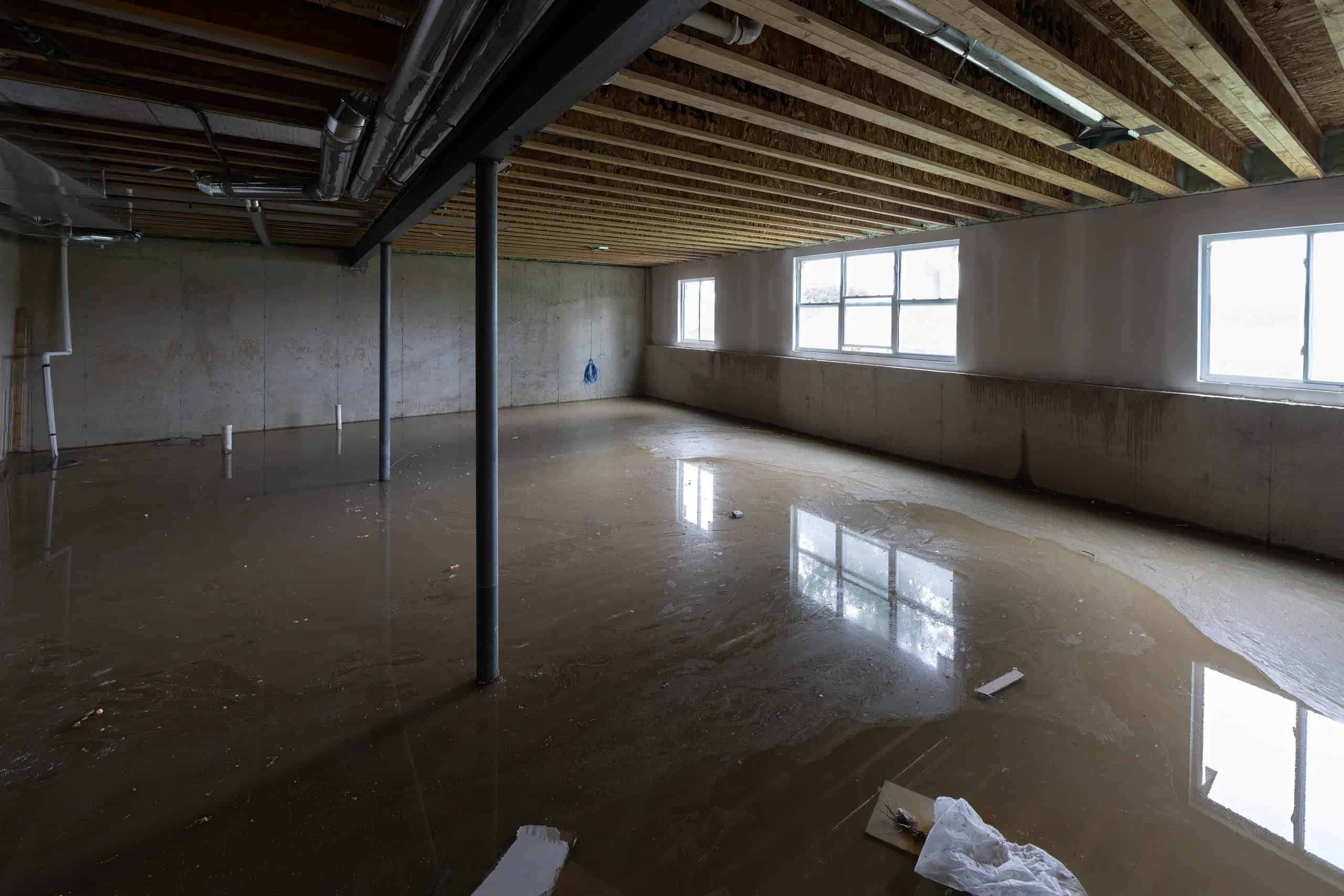
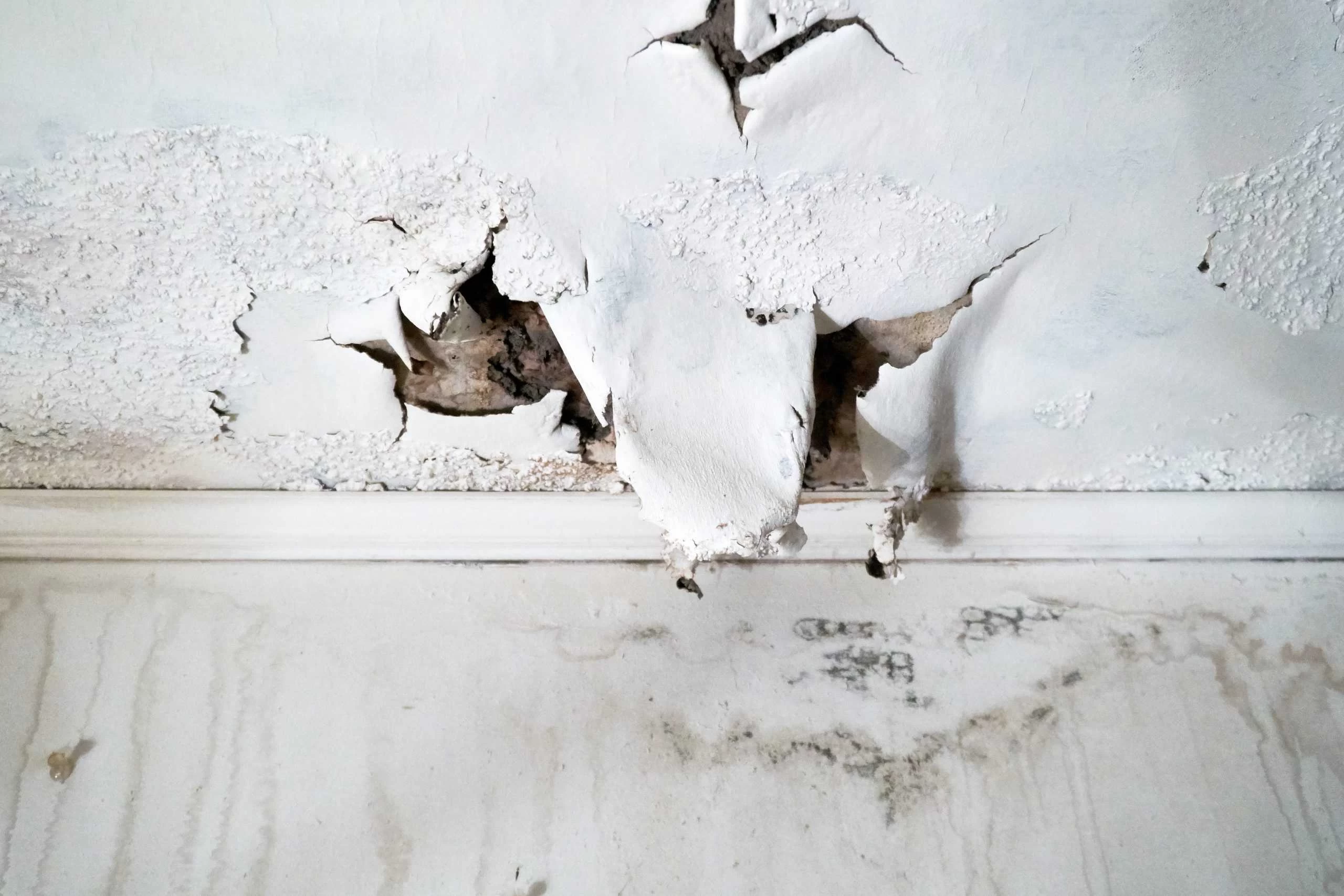
The scope varies depending on the project, but interior demolition typically covers the removal of drywall, plaster, flooring, ceilings, cabinetry, fixtures, insulation, and sometimes mechanical, electrical, and plumbing components — depending on what the renovation plan calls for. In post-damage situations, it often includes removing water-saturated materials, mold-affected drywall, and damaged subfloor before any restoration work can begin.
What makes interior demolition more complex than it looks from the outside is the sequencing. You can’t just start pulling walls. Load-bearing elements need to be identified. Utilities need to be properly disconnected or protected. And in Nassau County specifically, where the vast majority of the housing stock was built between the 1940s and 1970s, there’s almost always an additional step that catches homeowners off guard: the hazardous materials assessment.
New York State law requires that any disturbance of asbestos-containing materials over 100 square feet be overseen by a licensed asbestos contractor and performed by certified workers — and a pre-demolition survey must be completed before permits can be issued. In a county where homes routinely contain asbestos in floor tiles, pipe insulation, ceiling tiles, and roofing materials, this isn’t an edge case. It’s the norm. Skipping this step doesn’t just put your family at risk — it can trigger a stop-work order that shuts down your project entirely.
Lead paint is another factor. Banned for residential use in 1978, it’s still present in a significant portion of Nassau County’s older homes. Disturbing it without proper containment and handling protocols violates EPA regulations and creates real liability. A contractor who doesn’t ask about the age of your home before starting interior demolition is a contractor who hasn’t thought this through.
The good news is that when you work with a contractor who handles the hazmat assessment, abatement, permitting, and demolition under one roof, you’re not managing a relay race between separate specialists. The project moves in sequence, without the gaps that cause delays.
When Interior Demolition Is the Right Call in Nassau County
Interior demolition is the right approach when the structure itself is sound and the goal is renovation, restoration, or reconfiguration of the interior space. A kitchen remodel that requires gutting cabinets, flooring, and walls back to the framing. A basement that flooded and needs all the damaged materials removed before restoration can begin. A bathroom overhaul that starts from scratch. A commercial space being stripped for a new tenant build-out. In all of these cases, the building envelope stays — the work happens inside.
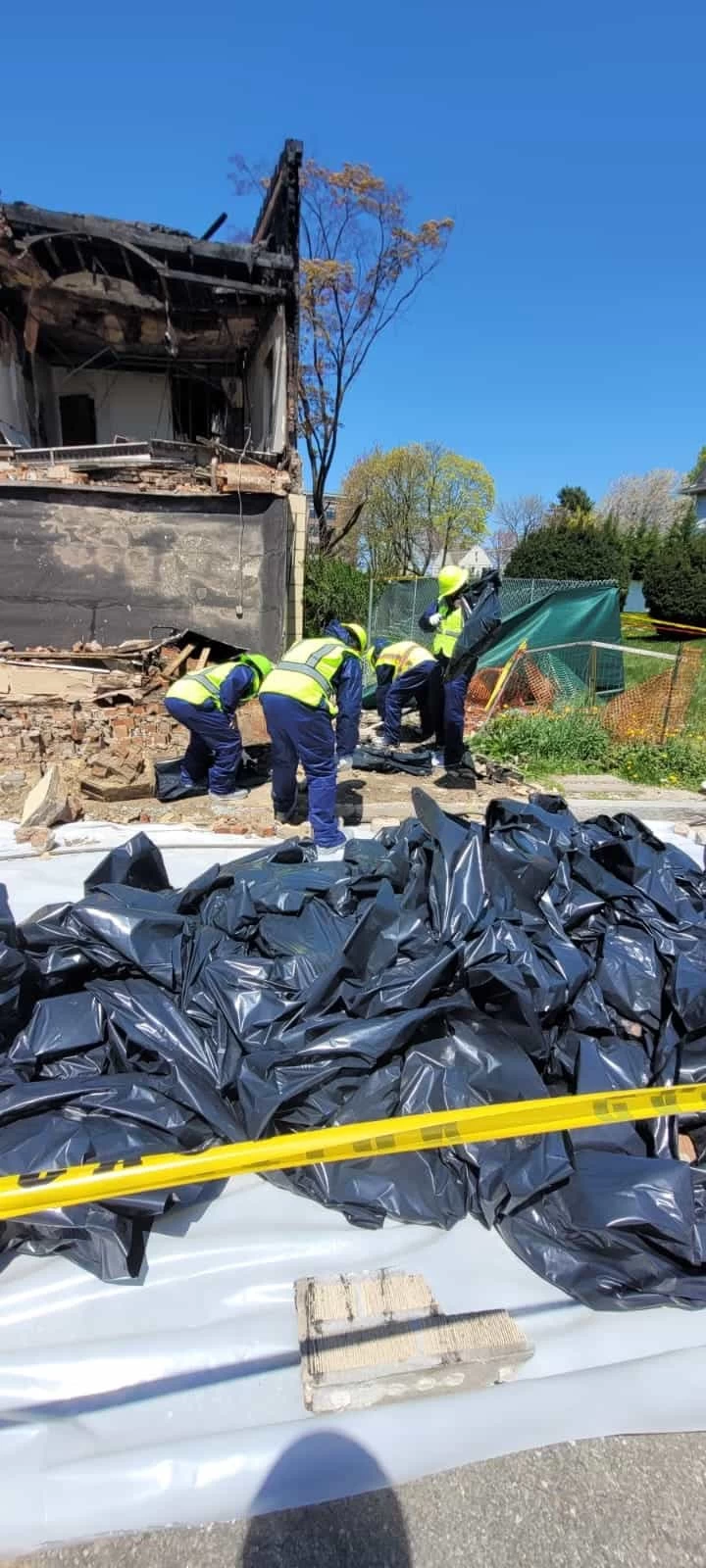
Full demolition — where the entire structure comes down to the foundation — makes sense in different circumstances. A home that’s been severely compromised by fire or structural failure. A teardown-rebuild project where the existing structure has no salvageable value. An estate property being cleared for new construction. When the cost of renovation exceeds the cost of starting over, or when the damage is simply too extensive to work around, full demo becomes the practical answer.
The mistake people make is assuming one is always cheaper than the other. Interior demolition that uncovers extensive mold contamination, structural rot, or widespread asbestos throughout the building can escalate significantly once the work begins. That’s not a reason to avoid it — it’s a reason to have the right contractor do a proper assessment before any work starts, so you’re not surprised mid-project.
For Nassau County homeowners on the south shore — in communities like Long Beach, Freeport, Oceanside, Baldwin, Merrick, and Massapequa — this is particularly relevant. These areas have been repeatedly affected by coastal flooding, and post-storm interior demolition is a recurring reality. When a home takes on water, the damage isn’t always visible from the surface. Mold can begin growing within 24 to 48 hours of water intrusion. What looks like a manageable gut job can turn into a more involved remediation project once the walls come open. Working with a contractor who can assess, remediate, and demo in one engagement is a practical advantage — not just a convenience.
Home Demolition Contractors: When the Whole Structure Has to Go
Home demolition contractors handle the full teardown — not just the interior, but the entire structure down to the foundation or slab. This is a different scope of work, a different permit process, and a different level of planning than interior demo. It’s not inherently more complicated, but it involves more coordination: utility disconnections, municipal notifications, debris volume management, and in Nassau County, NY, a Rodent Free Certification that must be obtained from the Nassau County Department of Public Works before a demolition permit will be issued.
That last requirement catches a lot of homeowners and out-of-area contractors off guard. It’s specific to Nassau County, it’s not optional, and skipping it means your project doesn’t start.
House Demolition Contractors: What Full Residential Teardowns Actually Require
A full residential teardown involves more moving parts than most homeowners anticipate. Before any physical work begins, the home needs to be disconnected from all utilities — gas, electric, water, sewer. In Nassau County, utility disconnection has to be coordinated with the relevant providers and documented before permits are issued. The Nassau County Department of Public Works also has requirements around dumpster placement on county roads and road openings for sewer-related work, which means even the logistics of debris removal involve county-level coordination.
The pre-demolition asbestos survey is required here too — arguably more so than in interior demo, since full demolition disturbs the entire structure. Any asbestos-containing materials present in the building must be identified, abated by a licensed contractor, and properly disposed of before the teardown proceeds. This is a New York State legal requirement, not a suggestion.
From a timeline standpoint, a full residential demolition in Nassau County typically involves the survey, abatement (if needed), permit approval, and then the physical teardown — which, for a standard single-family home, can be completed in a matter of days once everything is in order. The front-end permitting and preparation is where the timeline lives, and it’s where an experienced local contractor earns their value. Knowing which forms to file, which offices to contact, and which local requirements apply to your specific municipality within Nassau County is the difference between a project that moves and one that stalls.
For teardown-rebuild projects in Nassau County, where median home values sit around $800,000, the calculus often favors full demo over extensive renovation — particularly for homes with significant structural issues or those that have been heavily modified over the decades in ways that make renovation more complicated than starting fresh.
Commercial Demolition Contractors: How the Process Differs for Business Properties
Commercial interior demolition — often called strip-out work in the industry — follows the same basic principles as residential interior demo, but the scale, regulatory requirements, and operational considerations are different. A commercial space being gutted for a new tenant, a retail buildout being stripped back to shell condition, or an office floor being reconfigured all fall under this category. The work is interior, the structure stays, but the complexity goes up.
For commercial projects in Nassau County, NY, and the broader New York metro area, the permit process is more involved. If the work touches any structural elements, a licensed engineer typically needs to be involved. Occupied buildings require detailed planning around dust containment, debris management, and work scheduling to minimize disruption to other tenants or building operations. Asbestos surveys are mandatory for commercial properties regardless of size, and the notification requirements under New York State Industrial Code Rule 56 apply fully.
One area where commercial clients often underestimate the complexity is in mechanical, electrical, and plumbing disconnection. In a commercial building, these systems are frequently shared across floors or connected to central infrastructure. Improper disconnection doesn’t just create a code violation — it can affect other tenants, trigger building-wide inspections, and create significant liability. The sequencing of a commercial interior demo has to account for all of this before the physical work begins.
We work with commercial clients across Nassau County, Suffolk County, and Queens, including active contracts with Nassau County itself and multiple New York State agencies. That institutional experience translates directly into commercial demolition projects — the documentation standards, the compliance requirements, and the operational discipline that government contracts demand are the same disciplines that keep commercial demolition projects on schedule and out of regulatory trouble.
How to Choose the Right Interior Demolition Contractor in Nassau County
The right contractor for your project isn’t just the one who shows up first or quotes the lowest number. It’s the one who asks the right questions before they start — about the age of your home, the nature of the damage, what permits have been pulled, and whether a hazardous materials assessment has been done. In Nassau County, where the housing stock is old, the regulatory requirements are specific, and the stakes of getting it wrong are real, those questions matter.
Whether you’re dealing with a flooded basement on the south shore, planning a full gut renovation of a mid-century home, or managing a commercial strip-out before a new tenant moves in, the process is more involved than most people expect — and more manageable than it sounds when you’re working with someone who knows it well. We’ve been doing this work in Nassau County for over 12 years. If you’re not sure which type of demolition your project calls for, that’s exactly the kind of question we can help you answer.