Summary:
You pulled up the old carpet. Or maybe a contractor mentioned it during a walkthrough. Either way, you’re now looking at a floor full of 9×9 tiles with black adhesive underneath, and someone has said the word “asbestos.”
That moment stops a lot of renovation projects cold — and it should, because the next decision matters. Nassau County’s housing stock is older than most people realize, and the odds that those tiles contain asbestos are higher than most people want to hear. The good news is that this is a solvable problem. The less good news is that it has to be solved the right way. Here’s what that actually looks like.
How to Tell If Your Nassau County Floor Tiles Contain Asbestos
There’s no way to know for certain just by looking. But there are reliable indicators, and if your home was built in Nassau County between the 1940s and the late 1970s, the probability is high enough that you should treat those tiles as suspect until a lab says otherwise.
The most telling sign is size. The 9×9 inch tile format was the industry standard for asbestos-vinyl tiles for decades. If you’re looking at 9×9 tiles with black mastic adhesive underneath, the industry rule of thumb puts the likelihood of asbestos at around 90 percent. That’s not a guarantee, but it’s not a number you ignore either.
Twelve-by-twelve tiles can also contain asbestos, particularly in homes built before 1960, but the 9×9 format is the one that shows up most often in Nassau County homes from the postwar era.
Why Nassau County Homes Are Especially Likely to Have Asbestos Floor Tiles
Nassau County’s median home construction year is 1955. That single number tells you almost everything you need to know about the asbestos risk profile of this county’s housing stock. The statistical center of Nassau County’s residential real estate sits squarely in the peak manufacturing era for asbestos-containing vinyl floor tiles — a period running from roughly the 1920s through the early 1980s.
This wasn’t a fringe material. Manufacturers added asbestos fibers to vinyl and asphalt tiles because it made them more durable, more flexible, and more fire-resistant. It was the standard. Homes built during the postwar suburban boom — the kind that define communities like Levittown, Merrick, Uniondale, and Hempstead — were built with these tiles as a matter of course.
Levittown, which began construction in 1947 and became the template for mass-produced American suburban housing, is one of the highest-density asbestos tile environments in the country for exactly this reason. These weren’t corner-cutting decisions. This was simply how floors were built.
The black mastic adhesive that held those tiles down is its own concern. It frequently contained asbestos as well, which means that even if the tiles themselves are removed, the adhesive layer may still require testing and abatement. A lot of homeowners don’t find out about this until they’re mid-project. A complete abatement scope has to address both layers, not just the tiles on top.
For homes built before 1960, the risk is particularly concentrated. Tiles installed between 1920 and 1960 carry the highest likelihood of asbestos content. Post-1980 represents a meaningful drop-off, though some manufacturers continued producing asbestos-containing tiles until 1986. If your home sits anywhere in that window and you’re planning any work that touches the floor — renovation, demolition, water damage restoration — this needs to be resolved before anything else moves forward.
Can You Just Cover Asbestos Floor Tiles Instead of Removing Them?
This is one of the most common questions we hear, and the honest answer is: sometimes, but not always, and it depends on what you’re trying to accomplish.
Installing new flooring directly over undisturbed asbestos tiles is a recognized encapsulation method under EPA guidelines. If the tiles are intact — not cracked, crumbling, or friable — and the installation process doesn’t require cutting, drilling, sanding, or otherwise disturbing the existing surface, encapsulation can be a legitimate option. The tiles stay in place. The new flooring goes on top. The asbestos is contained rather than removed.
The catch is that this approach has real limitations. It doesn’t work for every flooring type. It doesn’t satisfy every building department’s requirements for permit sign-off. And in a real estate transaction, it doesn’t always satisfy the buyer’s inspector or the buyer’s attorney.
If you’re selling a Nassau County home and the pre-sale inspection flags suspected asbestos, “we covered it” is a different conversation than “here’s the clearance certificate.” Buyers increasingly require abatement as a condition of sale, and in a market as active as Nassau County’s, a deal can fall apart over exactly this kind of documentation gap.
There’s also the question of what happens next. Encapsulation works until it doesn’t — until a future renovation disturbs the floor, until a flood damages the subfloor, until the next owner decides to renovate the kitchen. At that point, the asbestos problem is still there, and the new owner is dealing with it without the benefit of knowing the full history.
If you’re planning to stay in the home long-term and have no immediate renovation plans that would disturb the floor, encapsulation may be worth discussing. If you’re renovating, selling, or dealing with water damage that’s already disturbed the tiles, removal is almost certainly the right answer.
Asbestos Tile Removal and Homeowners Insurance Coverage in Nassau County
Most Nassau County homeowners assume their insurance will cover asbestos removal if they’re forced to deal with it. The reality is almost the opposite, and it catches people off guard at the worst possible moment.
Standard homeowners policies — including broad “open peril” policies like HO-3 and HO-5 — classify asbestos as a pollutant. Pollution cleanup is excluded. That means a standalone asbestos tile removal project, even one you didn’t ask for and didn’t cause, typically won’t be covered. The policy simply doesn’t apply. This is true across most major carriers, and it’s a gap that a lot of policyholders don’t discover until they’re already mid-project and looking at the bill.
When Does Insurance Actually Cover Asbestos Removal?
There is a scenario where coverage becomes possible, and it matters for Nassau County homeowners specifically given the county’s coastal exposure and history of storm and flood damage.
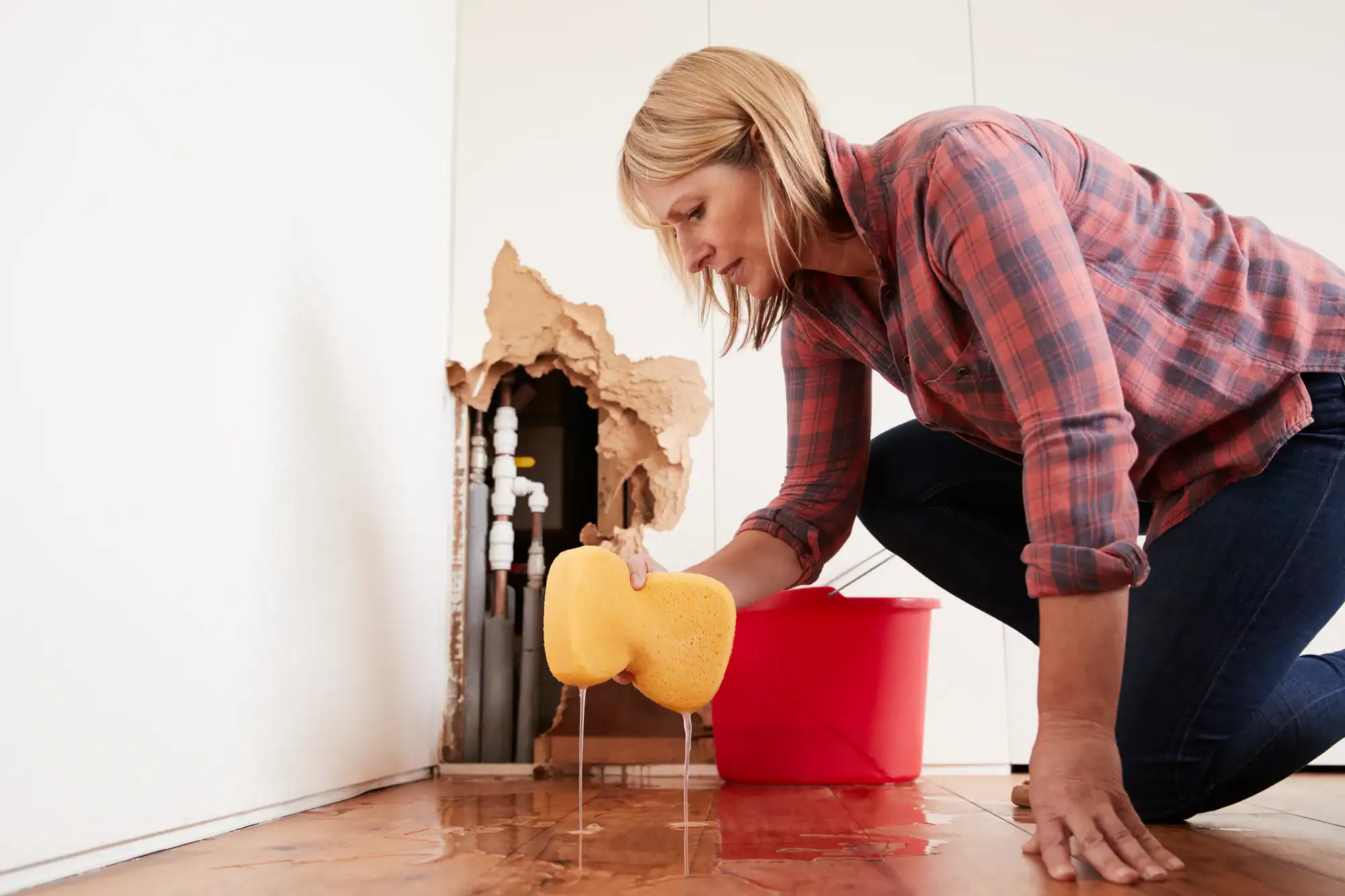
If a covered peril — a nor’easter, a burst pipe, a fire — disturbs asbestos-containing materials as part of the damage, the asbestos removal can become part of the covered repair. The logic is that the insurance company is paying to restore the property to its pre-loss condition, and if getting there requires asbestos abatement, that abatement may fall within the claim scope. It’s not automatic, and it’s not guaranteed, but it’s a real pathway that a lot of policyholders don’t know to pursue.
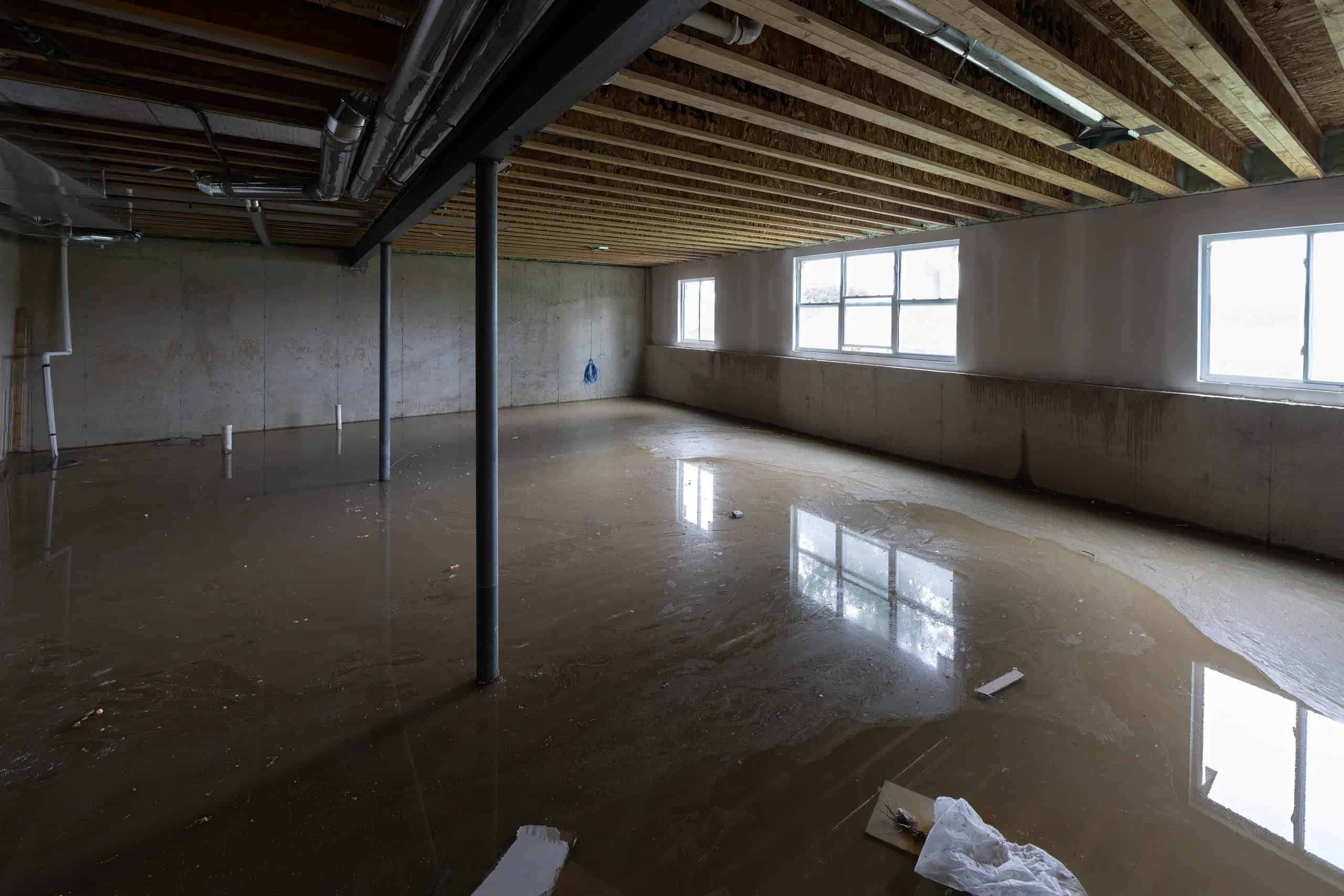
Nassau County’s south shore communities — Long Beach, Oceanside, Freeport, Baldwin — deal with regular flooding from nor’easters and coastal storms. When floodwater damages pre-1980 flooring, it disturbs the tiles and the mastic underneath, triggering mandatory abatement before any restoration can move forward. In those situations, the insurance claim and the abatement scope overlap, and how that claim is handled makes a significant difference in what the homeowner actually pays out of pocket.
We handle insurance billing directly and manage the claim paperwork on our end. That means when there’s a legitimate coverage pathway — when a storm or flood has disturbed the asbestos and created a covered claim — we work with the insurer directly so you’re not navigating that process alone while also dealing with a damaged home. When there’s no coverage pathway, we’re upfront about that too, and financing options are available up to $200,000 at 0% APR through Enhancify for projects that fall outside what insurance covers.
Why Hiring a Demolition Firm First Can Backfire
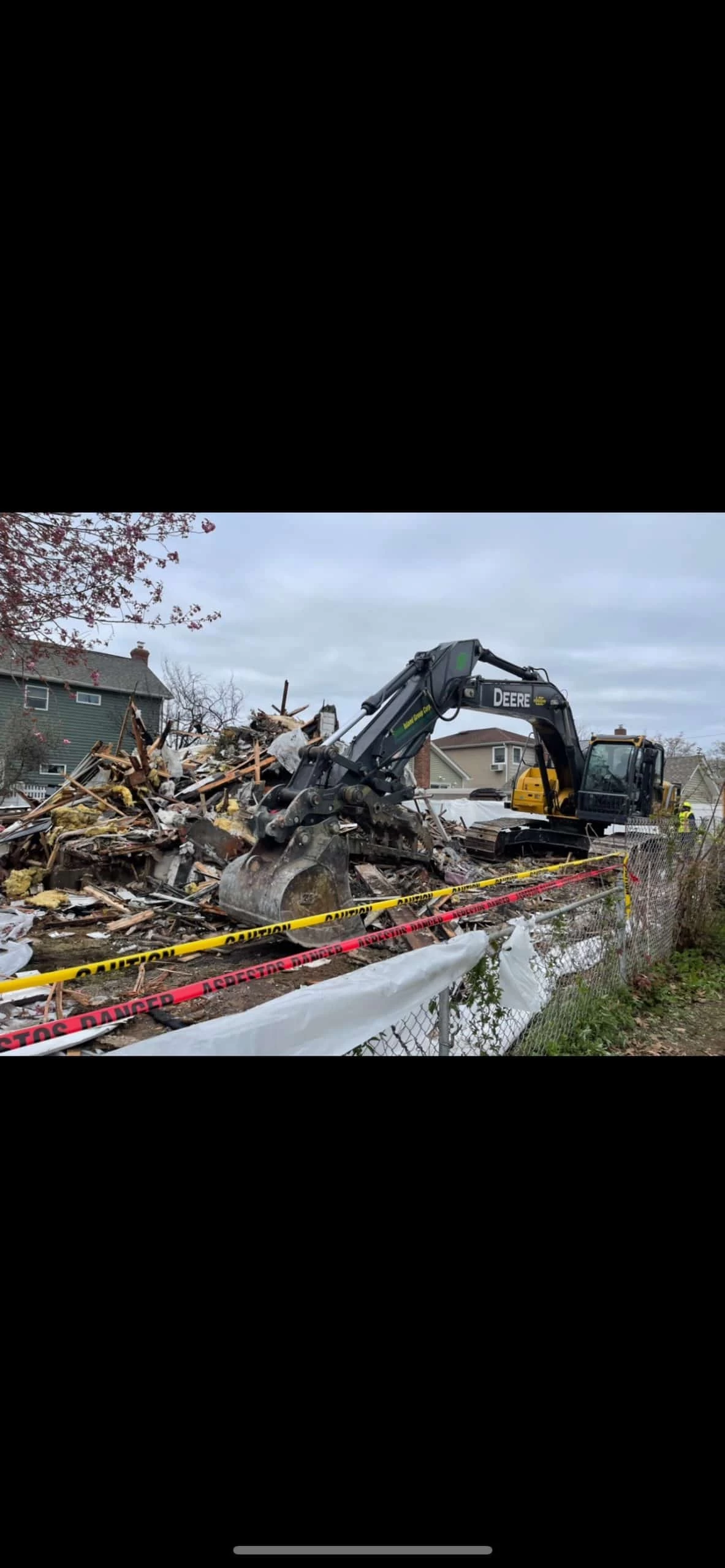
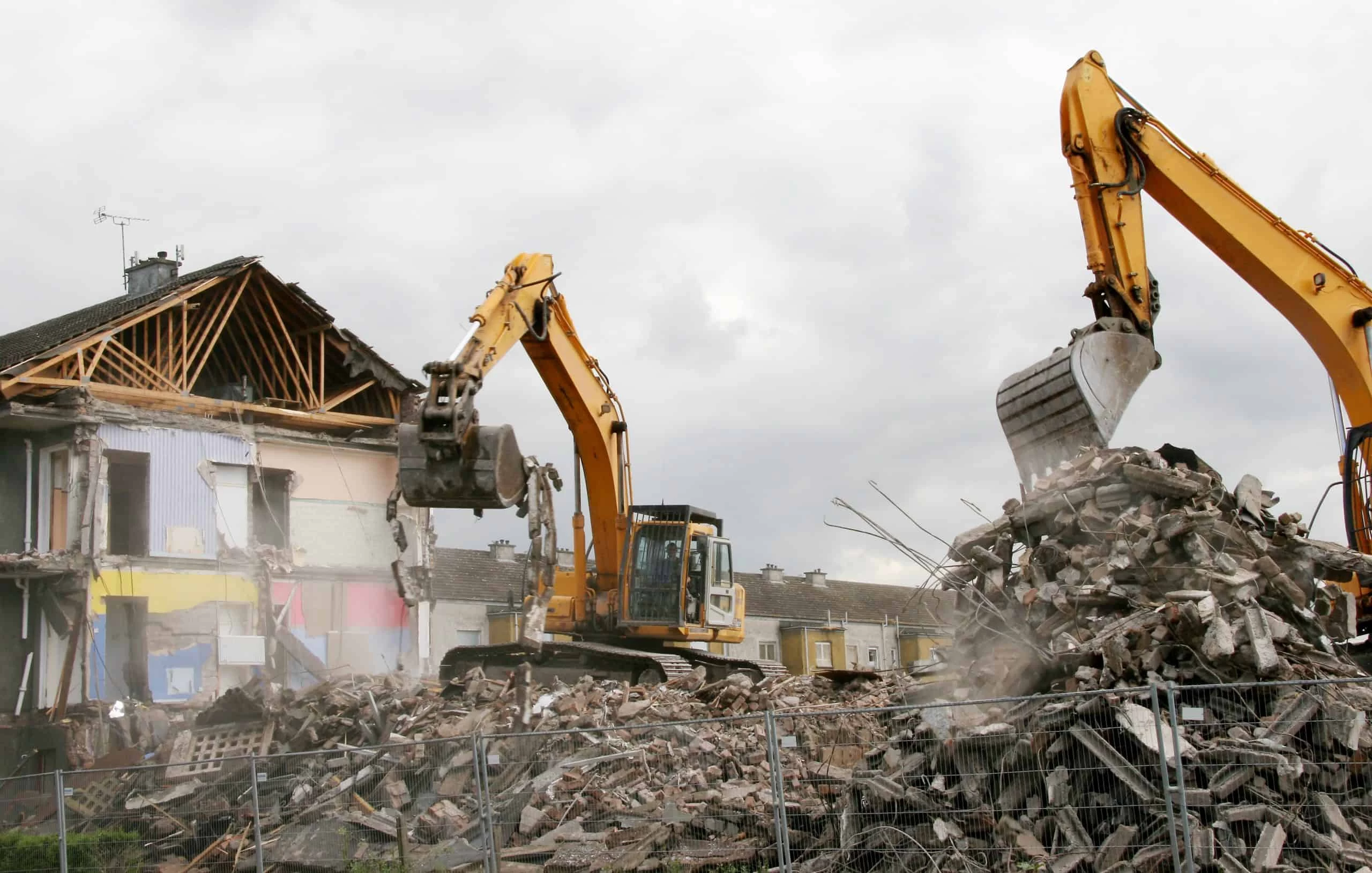
Here’s a scenario that plays out more often than it should. A Nassau County homeowner is planning a kitchen gut or a basement renovation. They hire a demolition firm to clear the space. The demo crew shows up, takes one look at the floor, and tells the homeowner they can’t touch it until a licensed asbestos abatement contractor clears the scope. The project stalls. The homeowner is now paying for two separate contractors, coordinating two separate schedules, and waiting on regulatory notifications that require a minimum of 10 working days before qualifying projects can begin under NYS Industrial Code Rule 56.
This isn’t the demolition firm being difficult. It’s the law. Under NYS ICR 56, if a pre-demolition asbestos survey confirms that the area to be demolished contains asbestos-containing materials, the property owner must have a licensed asbestos abatement contractor complete the removal before demolition workers can access that space. General demolition firms are not licensed for asbestos abatement. They cannot legally proceed through asbestos-containing materials.
The homeowner ends up managing a gap between two contractors that nobody planned for. The way around this is straightforward: use a contractor who holds both licenses and handles both scopes. We are licensed for asbestos abatement and demolition, and we handle both under one project, one team, and one invoice. There’s no coordination gap, no waiting for a second contractor to mobilize, and no situation where the demo crew is standing by while the abatement paperwork catches up.
Nassau County’s permit routing also adds a layer of local complexity — permits often move through the county health department before reaching the NYS Department of Labor, which can affect lead times by several business days. We know that process and account for it from the start, which keeps projects on schedule instead of discovering the delay mid-project.
For homeowners who are mid-renovation and suddenly facing an asbestos hold, or for those planning a project in a pre-1980 Nassau County home, getting the abatement and demolition scopes aligned from day one is the move that prevents the most expensive kind of delay.
What to Do Next If You Think Your Nassau County Home Has Asbestos Tiles
If your home was built before 1980 and you’re planning any work that touches the floor — renovation, demolition, or restoration after water or storm damage — the first step is testing, not guessing. Only a certified lab analysis can confirm whether asbestos is present, and that result determines everything that follows: the abatement scope, the regulatory notifications, the timeline, and the documentation you’ll need at the end.
Don’t disturb the tiles in the meantime. Intact asbestos tiles pose minimal risk. It’s the disturbance — cutting, sanding, breaking — that releases fibers. If the tiles are already damaged or if water damage has already disturbed them, that’s a more urgent situation and worth addressing quickly.
Green Island Group handles the full scope from initial survey through post-abatement air clearance testing and final documentation — including the clearance certificate you’ll need for permit sign-off, real estate transactions, or your own records. If you’re in Nassau County and you’re not sure what you’re dealing with, reaching out is the right first move.