Summary:
You’ve watched the videos. Maybe you’ve even priced out the dumpster rental. And on paper, doing your own demolition sounds like a reasonable way to save a few thousand dollars on a renovation project. But if your home is in Nassau County — and especially if it was built before 1980 — there’s a lot happening inside those walls that changes the math pretty quickly.
This isn’t about talking you out of anything. It’s about making sure you know what you’re actually signing up for before the first swing. Because in this county, what you don’t know can cost far more than what you were trying to save.
What Professional Demolition Services Actually Include
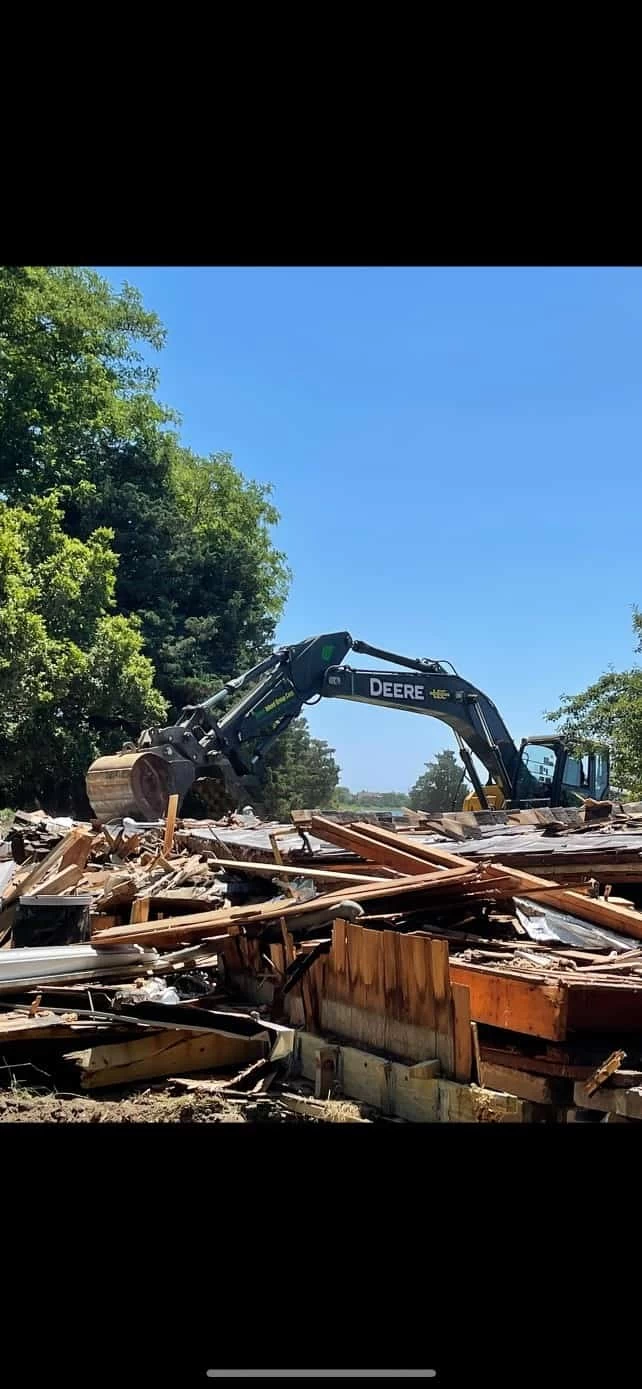
Most people picture demolition as the physical act of tearing something down. And yes, that’s part of it. But professional demolition services cover everything that happens before, during, and after the tear-down — and that surrounding work is where the real value lives.
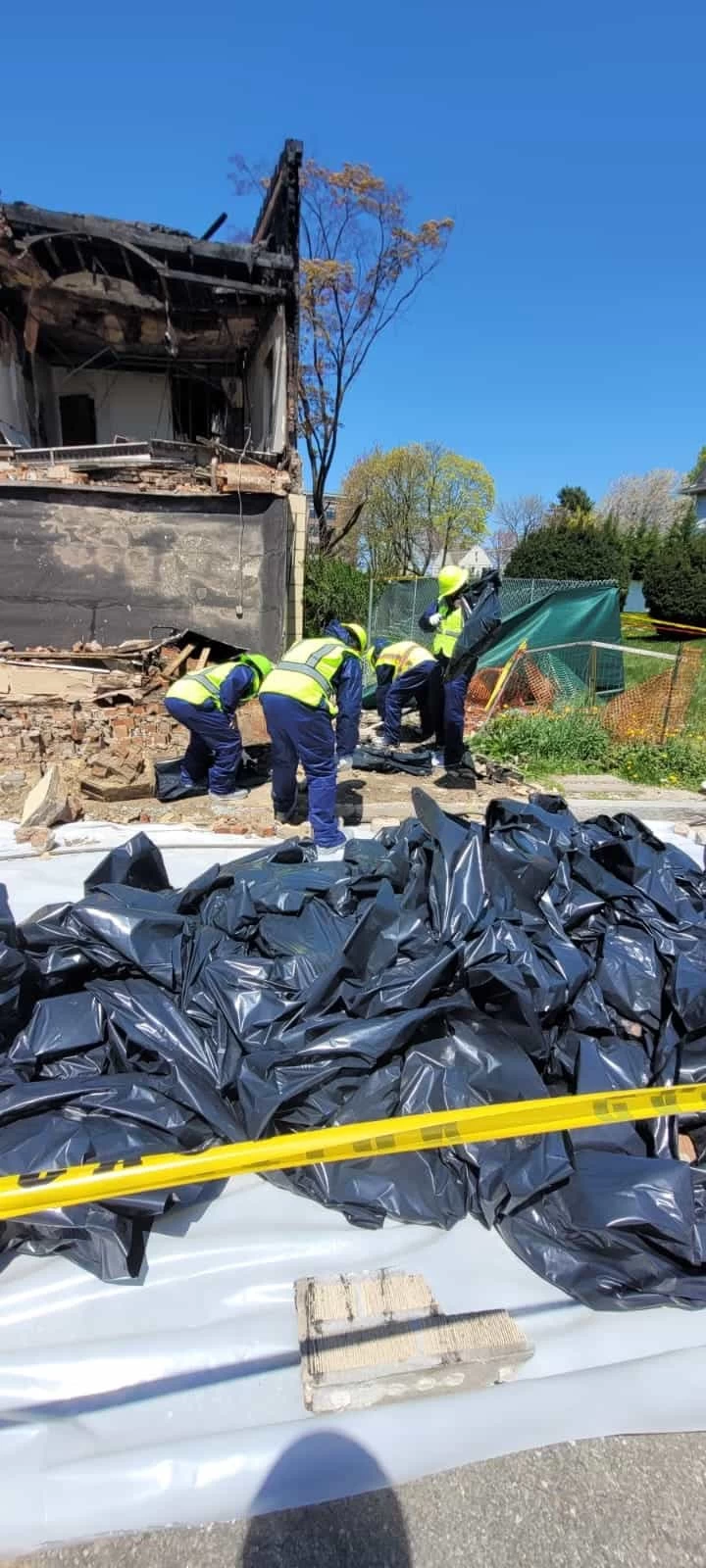
Before a single wall comes down, we conduct a structural assessment to identify load-bearing elements, map out utility lines, and flag anything that could turn a manageable project into an emergency. Permits are pulled. Hazardous materials are tested for. A plan is in place before anyone touches a tool.
During the job, proper containment, equipment, and disposal protocols keep the site safe and compliant. When it’s done, debris is removed and the site is left clean — not left for you to figure out.
Why Nassau County Homes Require More Than a Sledgehammer
Nassau County’s housing story is inseparable from the post-World War II suburban boom. Communities like Levittown were built almost overnight between 1947 and 1951, and the broader county saw its population nearly triple between 1940 and 1960. That growth was built on mass-produced homes using the construction materials of the era — and those materials are still inside walls across Hicksville, Massapequa, Oceanside, and Valley Stream today.
Asbestos was used in floor tiles, pipe insulation, ceiling textures, and roofing materials throughout the 1940s, 50s, 60s, and into the 70s. Lead paint was standard on virtually every surface until it was banned for residential use in 1978. If your home was built before 1980, there is a meaningful chance that both are present somewhere in the structure you’re planning to renovate or demolish.
New York State law requires an asbestos survey before any demolition work — not just in older buildings, but across the board. That survey must be conducted by a licensed asbestos inspector. If asbestos-containing material is found, licensed abatement must happen before demolition can proceed. This isn’t optional, and it isn’t something a homeowner can handle with a respirator from the hardware store.
The financial stakes in Nassau County are also unusually high. With median home values frequently exceeding $600,000 to $700,000, the consequences of unpermitted work — stop-work orders, mandatory remediation, disclosure complications at resale — aren’t abstract risks. They’re real numbers attached to your most valuable asset. Doing this correctly isn’t overcautious. It’s just smart.
What Happens When DIY Demolition Goes Wrong
The most common DIY demolition problems aren’t dramatic — they’re quiet. A homeowner opens up a wall and finds discolored insulation. They pull up old floor tiles and notice the adhesive underneath looks different. They don’t think much of it, keep working, and spend the next several days unknowingly disturbing asbestos-containing material without containment, without air monitoring, and without any of the protective measures that licensed abatement requires.
By the time a problem is identified — often when a subsequent contractor refuses to work in the space, or when a home inspector flags it during a sale — the remediation cost has grown well beyond what the original project would have cost with a professional from the start. We’ve seen this pattern repeatedly across Nassau County.
There’s also the permit issue. Many types of interior demolition in Nassau County require permits, and the county’s 64 incorporated villages each have their own building departments layered on top of county and state requirements. Unpermitted work doesn’t just attract fines — it creates a paper trail problem that follows the property, not just the owner. When you sell, you disclose. And if you can’t document that the work was done legally, buyers and their attorneys will notice.
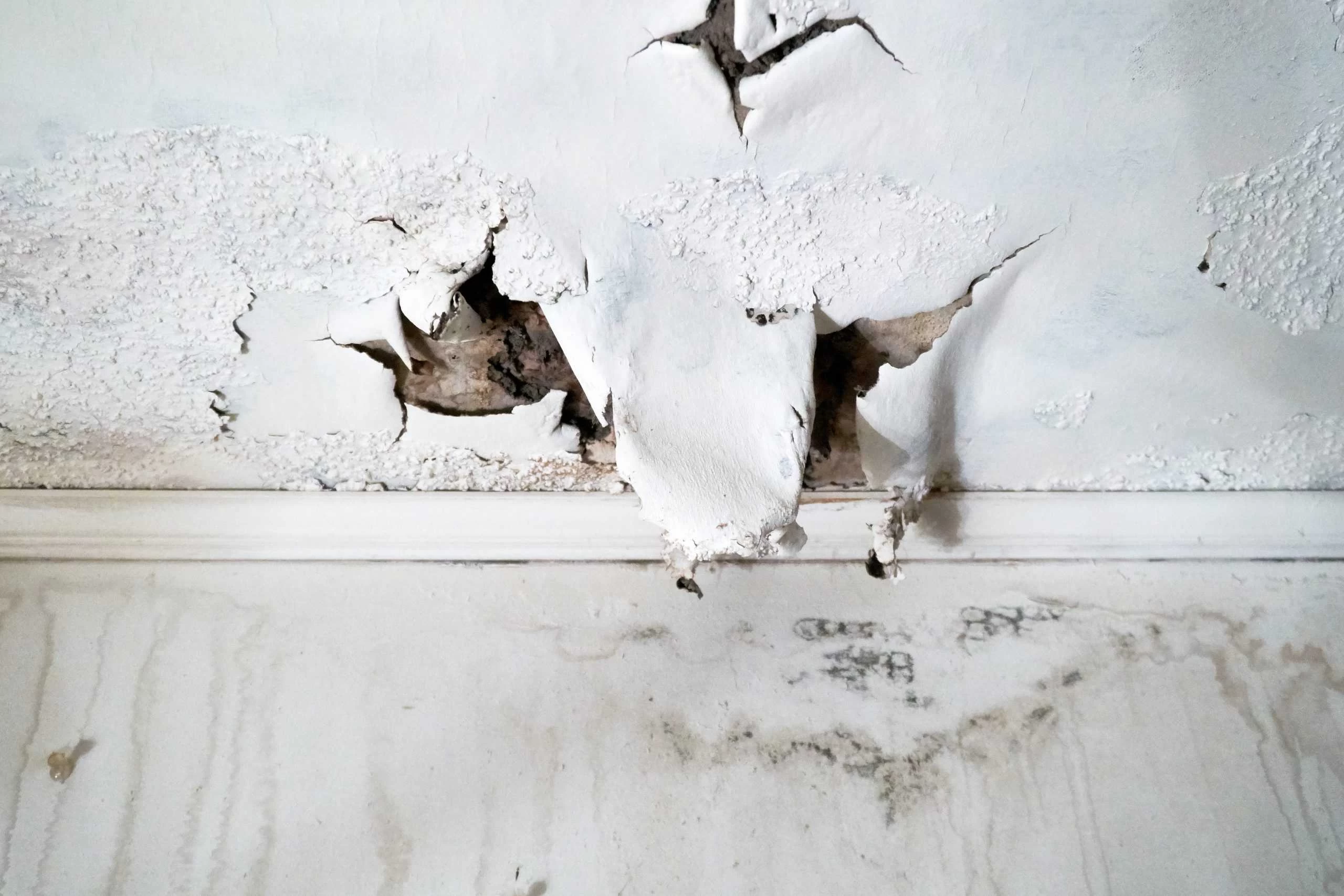
DIY demolition can also create new problems where none existed before. Demolition disturbs settled dust, breaks through walls that may have hidden moisture damage, and opens up cavities where mold has been growing quietly for years. Without professional containment in place, those spores don’t stay in one room.
Mould Removal Services: What Nassau County Homeowners Need to Know
Mould removal is one of those topics where the gap between what people think they know and what’s actually required is surprisingly wide. The instinct to grab a bottle of bleach and scrub the visible growth is understandable — but it addresses the surface while leaving the actual colony untouched inside the drywall, wood framing, or insulation behind it.
Professional mould removal services follow a defined process: assessment and moisture source identification, containment setup using negative air pressure and 6-mil polyethylene barriers, HEPA air scrubbing throughout the work, removal of contaminated materials, antimicrobial treatment of remaining surfaces, and independent post-remediation air quality testing to confirm the space is clear. Each step matters. Skipping any of them means the job isn’t finished — it just looks finished.
In New York State, mold remediation work performed for compensation requires a NYS Department of Labor license. Hiring an unlicensed contractor isn’t just a legal risk for them — it voids your ability to make an insurance claim and leaves you without any enforceable protection if the mold comes back.
How Demolition and Mold Are Connected — and Why One Company Should Handle Both
Here’s something that doesn’t get talked about enough: demolition and mold remediation are frequently the same project. When you open up walls, remove flooring, or tear out a bathroom in a Nassau County home that’s seen decades of humidity, storm flooding, or plumbing issues, you’re very likely to find mold. And if you’re working with a demolition-only contractor when that happens, the project stops.
They can’t touch the mold. You have to find a licensed remediator, get on their schedule, wait for them to complete their scope, and then bring the demolition contractor back. Meanwhile, you’re paying for delays, possibly living around an open construction zone, and managing two separate contracts with two separate companies — each of whom will point at the other if something goes wrong.
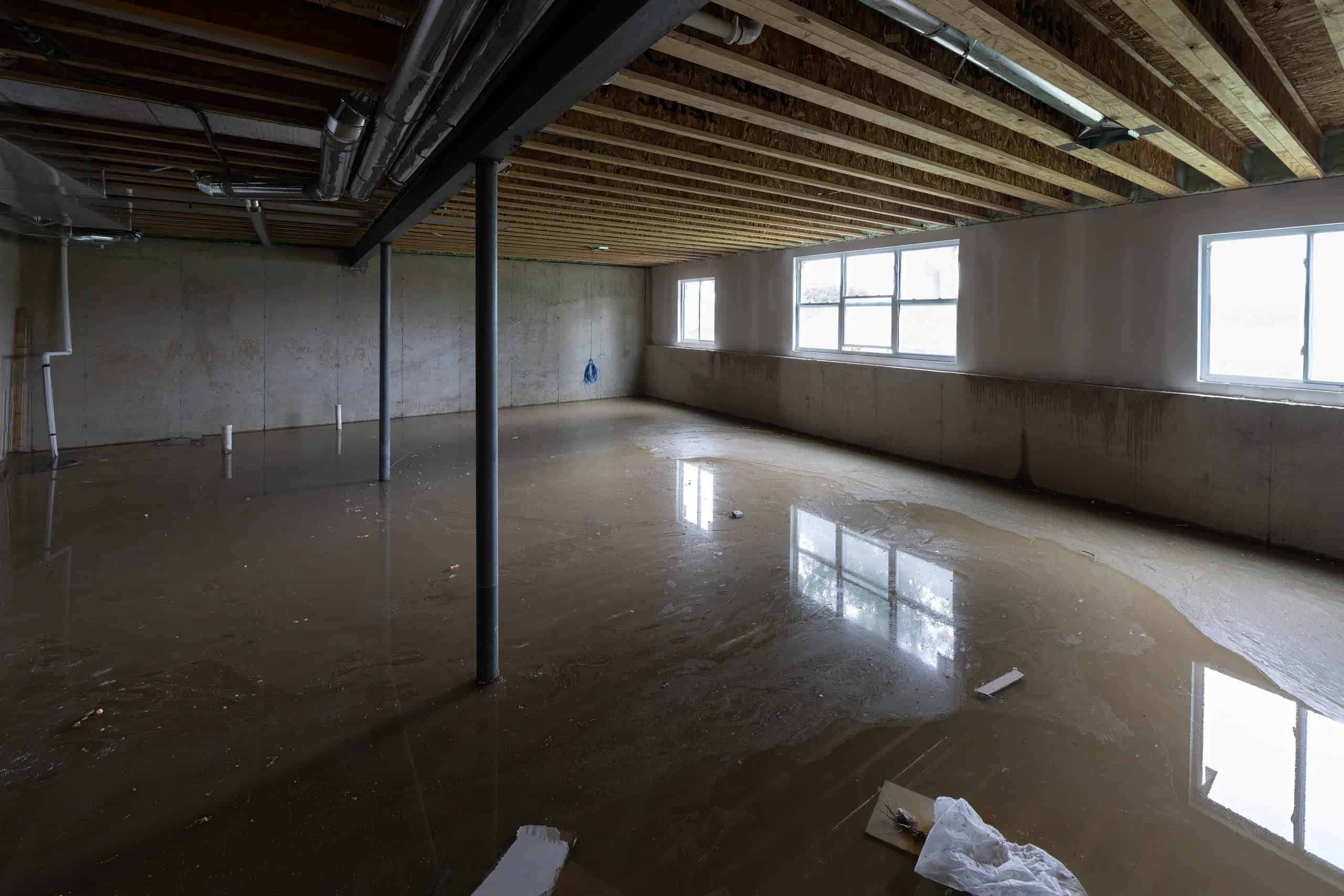
Nassau County’s South Shore communities — Long Beach, Freeport, Merrick, Oceanside — have lived with the legacy of Hurricane Sandy since 2012. Homes that took on water during that storm and haven’t had a full gut renovation since often have mold that’s been sitting behind walls for over a decade. The same is true for homes across the county that have dealt with basement flooding from nor’easters, ice dams, or burst pipes during winter months. In these situations, demolition and mold remediation aren’t two separate projects. They’re one.
We handle both under one roof. When our crew opens up a wall and finds contamination, we don’t stop — we contain it, assess it, and address it as part of the same project. No scheduling gaps, no liability finger-pointing, no second contract. For homeowners in Nassau County who are already dealing with a stressful renovation or emergency situation, that kind of continuity matters more than most people realize until they’ve experienced the alternative.
What Is a Mold Remediation Certificate of Completion and Why Does It Matter?
A mold remediation certificate of completion is a formal document issued at the end of a licensed mold remediation project. It confirms that the work was performed by a NYS DOL-licensed contractor, that it followed New York State standards, and that post-remediation air quality testing verified the space met clearance criteria before the job was closed out.
This document is not a formality. It’s your legal protection. If you’re filing an insurance claim for mold damage, your carrier will want documentation that remediation was performed correctly. If you’re selling your home in Nassau County and the buyer’s inspector finds evidence of past mold, the certificate of completion is what proves the issue was resolved — not just painted over or covered up. Without it, you’re relying on your word against the inspector’s findings, and that’s not a position you want to be in at the closing table.
A DIY mold removal project, no matter how thorough, cannot produce this document. It can only be issued by a licensed contractor who conducted the work according to NYS standards and had the results independently verified.
We provide a complete documentation package at the end of every mold remediation project: pre-remediation inspection findings, scope of work performed, post-remediation air monitoring results, disposal records, and the certificate of completion itself. For homeowners in Nassau County dealing with insurance claims, real estate transactions, or co-op board requirements, that paperwork is often as valuable as the remediation work itself.
Choosing the Right Demolition Contractor in Nassau County
The honest answer to “professional vs. DIY demolition” isn’t the same for every homeowner in every market. But in Nassau County — with its aging housing stock, coastal storm exposure, layered permit requirements, and high property values — the calculation tilts pretty clearly toward licensed professional services for anything beyond the most minor cosmetic work.
What matters most is finding a contractor who can handle what’s actually in front of them, not just what’s on the original scope. That means licensing for demolition, mold remediation, and asbestos abatement. It means permit experience across Nassau County’s municipalities. It means showing up when something unexpected is found and having the capability to deal with it on the spot.
If you’re planning a demolition project in Nassau County and want to understand exactly what’s involved — including whether mold or hazardous materials could be a factor — we’re ready to walk you through it. We offer financing up to $200,000 at 0% APR and 24/7 emergency response for situations that can’t wait.