Summary:
A fire doesn’t have to be catastrophic to turn your life upside down. Even a contained kitchen fire can leave smoke in every room, soot on every surface, and a home that doesn’t feel livable. The first thing most Nassau County homeowners want to know — after making sure everyone is safe — is what this is going to cost.
The honest answer is: it depends on more factors than most people expect. But that’s exactly what this guide is here to untangle. You’ll find real cost ranges, the variables that move the needle most, how insurance typically responds, and what makes fire restoration in Nassau County specifically a different conversation than the national averages suggest.
Fire Damage Restoration Cost: What Nassau County Homeowners Are Actually Paying
Nationally, fire damage restoration costs anywhere from $3,100 to $52,000, with most homeowners landing somewhere between $8,000 and $18,000 for a mid-range residential fire. The national average sits around $11,900 to $27,000 depending on which source you’re looking at — and that wide spread reflects just how much damage type and scope can vary.
In Nassau County, expect to land at the higher end of those ranges. Labor costs here track with the broader New York Metro market, which is among the most expensive in the country. A restoration project that might run $12,000 in the Midwest can easily reach $18,000 to $25,000 or more in Hempstead, Massapequa, or Garden City once you factor in local contractor rates and permit requirements.
The per-square-foot baseline for standard fire cleanup runs $4 to $7. Structural damage repairs climb significantly — often $15,000 to $25,000 per heavily affected room. Severe fires with widespread structural involvement can push total costs past $100,000.
Smoke Damage Cleanup Cost: The Bill Most Homeowners Don't See Coming
Smoke is deceptive. It moves through a home in minutes — through HVAC ducts, into wall cavities, through every porous surface it can reach — and the visible damage is often the smallest part of the problem. Smoke damage cleanup in Nassau County typically runs $2,000 to $12,000 for a whole-home remediation, with individual rooms costing $200 to $1,200 depending on how heavily they were affected.
What drives that range is the type of fire. A wood or paper fire produces a dry, powdery soot that’s difficult but manageable to clean. A kitchen grease fire or an electrical fire produces a wet, oily soot that bonds aggressively to surfaces and requires more intensive treatment — and costs more to remediate as a result. Electrical fires in particular, which are common in Nassau County’s older housing stock, tend to generate the heaviest soot contamination and often run $12,000 to $23,000 for a 2,500-square-foot home.
Here’s the part that catches many homeowners off guard: smoke doesn’t stay where the fire was. A contained fire in a first-floor kitchen can push smoke through the return air ducts and deposit soot throughout every room on both floors within the first hour. If your home has a forced-air heating system — which most Nassau County homes do — that ductwork becomes a distribution network for smoke contamination the moment the fire starts. HVAC cleaning isn’t an optional add-on after a fire. It’s a necessary part of the job, and it adds $500 to $2,500 to the total depending on system size.
Odor elimination is another line item that surprises people. Smoke odor molecules bond chemically with porous materials — drywall, wood framing, insulation, carpet, upholstery. They don’t fade on their own over time; they can actually intensify when humidity rises. Professional odor treatment using thermal fogging, ozone, or hydroxyl generators is the only way to fully eliminate smoke odor, and it’s a separate cost from surface cleaning. Attempting to mask the smell with sprays or candles doesn’t work, and it doesn’t satisfy insurance documentation requirements either.
Why Nassau County's Older Homes Add a Layer of Cost Most Guides Don't Mention
Nassau County is home to some of the most iconic post-war suburban housing in the country — including Levittown itself, built between 1947 and 1951. That history means a significant share of the county’s homes were constructed before 1980, and many before 1960. That matters enormously when a fire occurs.
Homes built before approximately 1980 frequently contain asbestos in pipe wrap insulation, floor tiles, ceiling tiles, and joint compound. Homes built before 1978 often have lead paint on walls, trim, and window components. When a fire damages these materials — or when restoration work disturbs them — New York State law requires proper abatement before structural repairs can proceed. Skipping this step isn’t just illegal; it’s a genuine health risk to your family and to the workers in your home.
The practical implication is that if you live in a pre-1980 home in Valley Stream, Freeport, Hicksville, or any of the county’s older communities, your restoration cost estimate needs to account for asbestos testing and potentially asbestos abatement as a separate line item. That work typically adds $1,500 to $10,000 or more depending on the scope and the materials involved. Not every restoration company is licensed to handle this. In New York, asbestos abatement requires a specific NYS Department of Labor license — and many general restoration contractors will subcontract it out, which adds cost, time, and a coordination gap in your project.
We hold the NYS DOL Asbestos license and the USEPA Lead/RRP certification in-house, which means we can assess, contain, and remediate hazardous materials as part of the same restoration project — no separate contractor, no scheduling gaps, no finger-pointing if something goes wrong. For Nassau County homeowners in older homes, this isn’t a minor detail. It’s often the difference between a smooth restoration and a project that stalls for weeks waiting on a subcontractor.
Fire Restoration Services Cost Breakdown by Damage Type
The total cost of fire restoration is really the sum of several distinct services, each with its own pricing. Understanding what each piece costs helps you evaluate an estimate intelligently — and ask the right questions before signing anything.
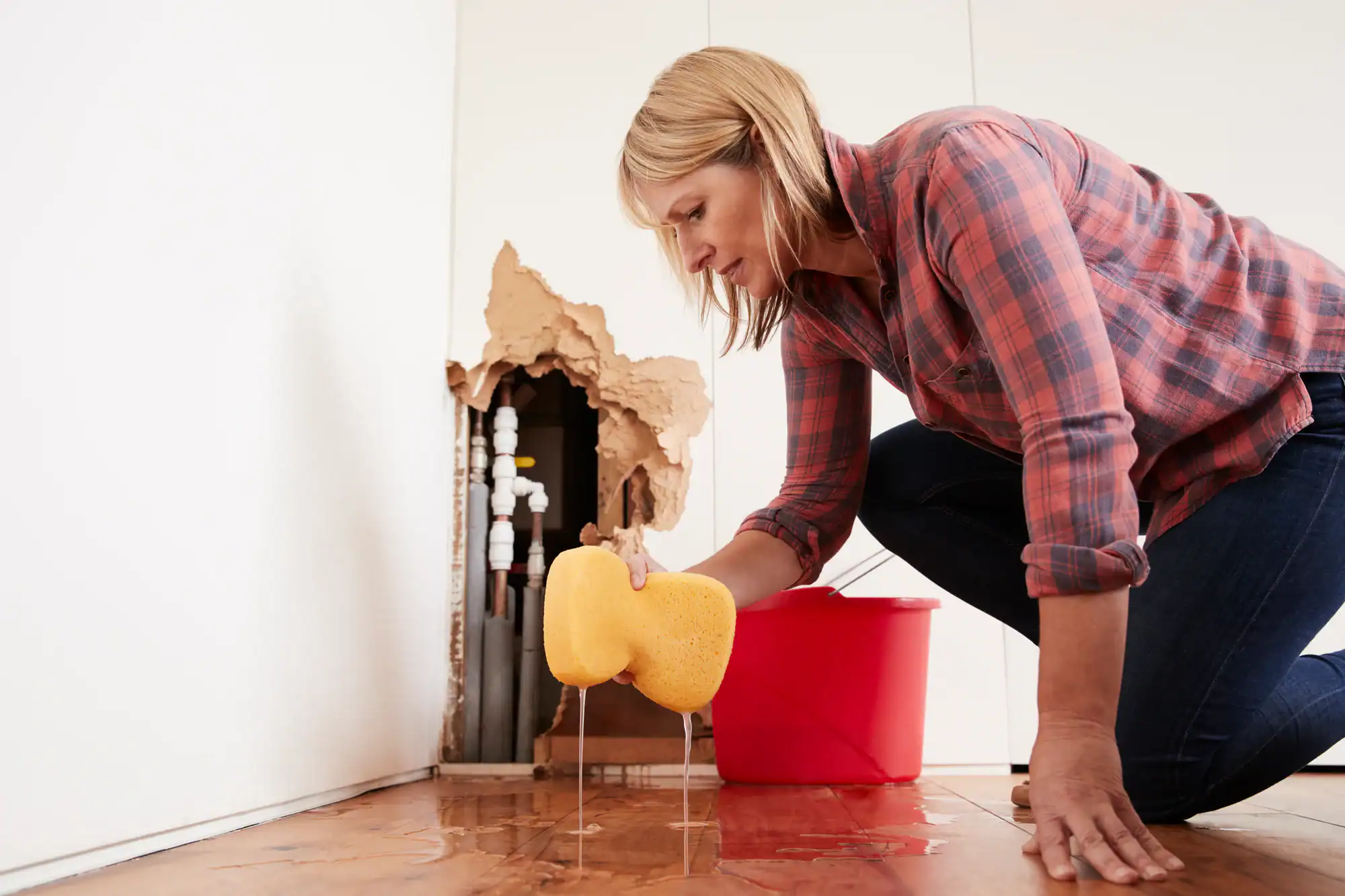
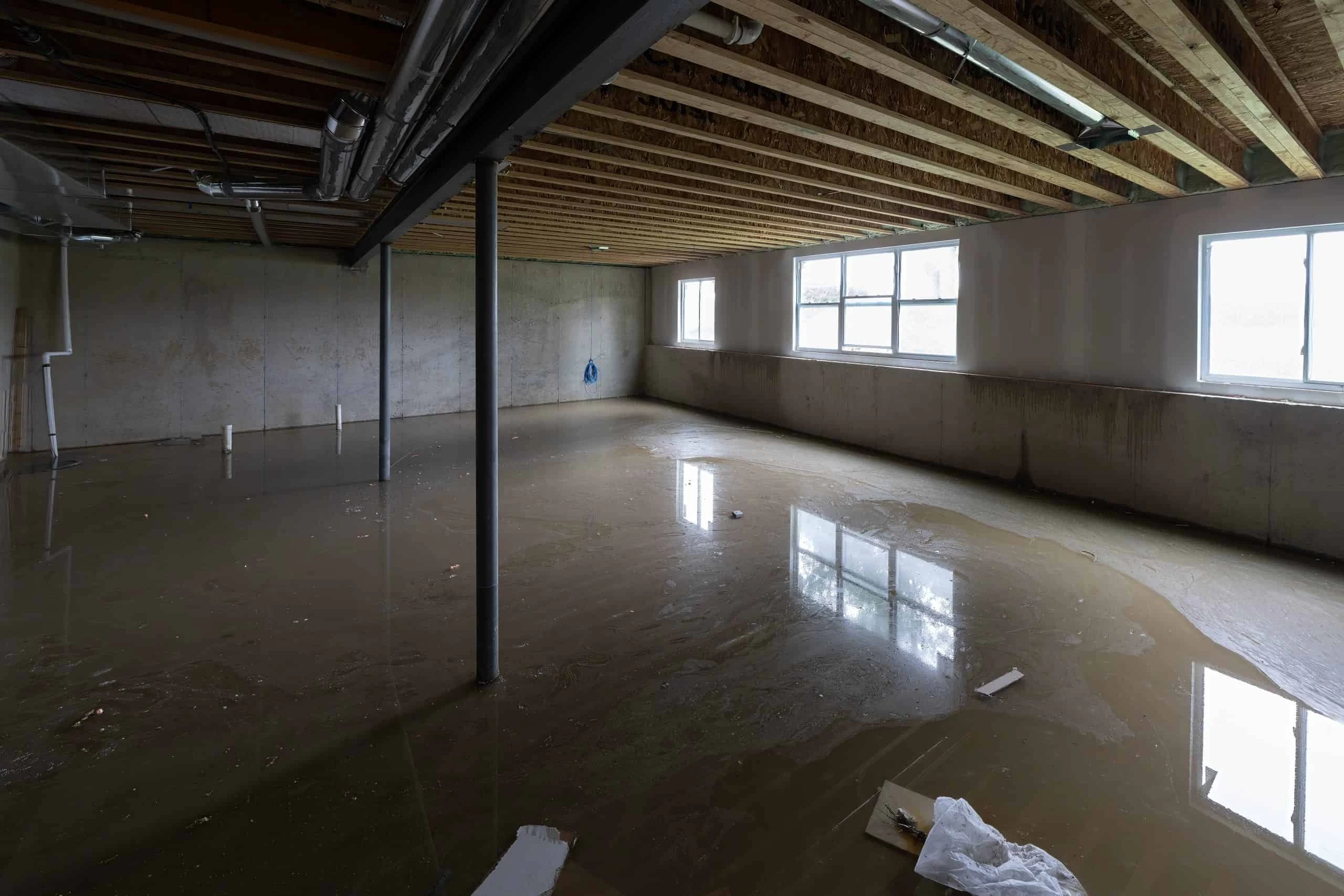
Emergency stabilization — board-up, water extraction from firefighting efforts, and initial dehumidification — is typically the first phase and often runs $1,000 to $3,000. This work needs to happen within 24 to 48 hours to prevent mold growth from the water used to extinguish the fire. Soot and debris removal runs $400 to $1,700 for standard cleanup. Content handling — cataloging, cleaning, and storing your personal belongings off-site during repairs — is a separate cost that varies widely based on volume and condition.
Structural repairs are where the largest numbers appear. Heavily damaged rooms can cost $15,000 to $25,000 each to restore. Full reconstruction for a home with extensive structural damage can reach $100 per square foot and beyond — in Nassau County’s labor market, that math adds up quickly.
Fire Damage Insurance Coverage: What Nassau County Homeowners Actually Get Paid
Most standard homeowners insurance policies cover three things after a fire: the dwelling itself (structural damage), your personal property, and additional living expenses (ALE) — meaning the cost of a hotel, rental home, and meals while your home is being restored. That’s the good news.
The more complicated news is that what your policy actually pays depends on whether you have replacement cost value (RCV) or actual cash value (ACV) coverage. RCV policies pay the full cost to repair or replace damaged items at current prices. ACV policies deduct depreciation — so a 15-year-old roof or a 20-year-old HVAC system gets paid out at a fraction of what it costs to replace. In Nassau County, where homes are often 40 to 70 years old, the difference between RCV and ACV can be tens of thousands of dollars on a single claim.
Your deductible also comes directly off the top of whatever the insurer pays. If your deductible is $5,000 and your restoration costs $35,000, your insurer cuts a check for $30,000 — and you’re responsible for the rest. Understanding this before work begins is critical, because it affects how you plan for out-of-pocket expenses and whether financing makes sense for your situation.
Under New York Insurance Law § 3404, your insurer is required to acknowledge your claim within 15 days and issue payment within 30 days of reaching a settlement. That’s a legal protection worth knowing about. However, the settlement process itself — adjuster visits, scope negotiations, documentation review — can take weeks. During that time, restoration work that prevents further damage (water extraction, mold prevention, board-up) should already be underway. Waiting for adjuster approval before beginning emergency mitigation can actually give the insurer grounds to reduce your payout if secondary damage worsens.
We work directly with insurance carriers, document damage in the format adjusters require, and bill insurers directly. That removes the administrative weight from a moment when you already have enough to manage.
What Happens When the Insurance Settlement Doesn't Cover Everything?
It happens more often than people expect. The adjuster’s scope of work comes in lower than the contractor’s estimate. Depreciation reduces the payout on an ACV policy. The deductible is larger than anticipated. Or the restoration uncovers additional damage — asbestos abatement, hidden mold from firefighting water, structural issues that weren’t visible in the initial assessment — that wasn’t included in the original claim.
In these situations, Nassau County homeowners are often left with a gap between what the insurance company pays and what the full restoration actually costs. For a home valued at $700,000 or more — which describes a large portion of Nassau County’s housing market — that gap can be significant.
We offer financing up to $200,000 at 0% APR. No other local restoration company we’re aware of offers this. The intent is straightforward: restoration work should begin when it needs to begin, not when the insurance check clears. Every day that soot sits on surfaces, it etches and corrodes. Every day that moisture from firefighting water sits in walls and subfloors, mold risk increases. Delaying restoration to wait on financing or insurance settlement doesn’t save money — it typically costs more in the long run because secondary damage compounds.
The timeline question matters too. Nassau County’s 64 incorporated villages each have their own building departments and permit processes. Structural restoration in Mineola goes through a different building department than structural restoration in Long Beach or Garden City. Permit timelines vary, and they’re not always predictable. A full restoration project — from emergency stabilization through structural repairs and final inspection — typically takes four to twelve weeks depending on damage scope and permit timelines. ALE coverage has limits, and understanding how long your temporary housing benefit lasts before you’re paying out of pocket is an important part of the financial planning conversation.
Finding the Right Fire Damage Restoration Company in Nassau County
The cost numbers in this guide give you a realistic starting point — but the contractor you choose matters just as much as the budget you’re working with. In Nassau County, where older homes, high labor costs, municipal permit complexity, and hazardous material requirements all come into play, you need a company that can handle the full scope of work legally and competently, without handing pieces of your project off to unlicensed subcontractors.
Look for IICRC certification, a Nassau County General Contractor license, state-issued asbestos and mold licenses if your home predates 1980, and proof of liability insurance and workers’ compensation. Ask directly whether they coordinate with your insurance carrier and whether they can handle hazardous material abatement in-house.
If you’re in the middle of this right now — or trying to get ahead of it — we’re available 24 hours a day, seven days a week. We serve Nassau County and the surrounding area, and we’re typically on-site within an hour of your call.