Summary:
You noticed something — a dark spot behind the toilet, a musty smell in the basement after last spring’s flooding, or a family member who keeps coughing at home but feels fine everywhere else. So you picked up a test kit at the hardware store, or you’re thinking about it. That’s a reasonable first move. But before you trust those results, it’s worth understanding what those kits actually measure — and more importantly, what they don’t. If you’re in Nassau County and you’re dealing with a real mold concern, we’ll help you make a smarter decision.
Professional Black Mold Testing vs. Home Test Kits: What's Actually Different
The core difference isn’t just equipment — it’s methodology. A home test kit works by leaving an open petri dish in a room and waiting for mold spores to fall onto the growth medium by gravity. Whatever lands in the dish over 48 hours gets cultured and sent to a lab. When we conduct professional inspections, we use calibrated air pumps to pull a measured volume of air through a spore-trap cassette, capture a controlled sample, and send it to an accredited laboratory for analysis alongside an outdoor baseline sample for comparison.
That baseline comparison is everything. Without knowing what mold levels look like outside your home, there’s no way to determine whether what’s inside is elevated or just normal background. DIY kits skip this step entirely — which means even a positive result tells you almost nothing about whether your home has a problem.
How Dangerous Is Black Mold — and Why the Species Identification Matters
Not all mold is equally dangerous, and “black mold” is one of the most misunderstood terms in home health. People use it to describe any dark-colored mold growth, but the species that earns the most concern — Stachybotrys chartarum — is a specific organism that produces trichothecene mycotoxins. Exposure symptoms can include persistent respiratory irritation, eye and throat irritation, chronic coughing, and in high-exposure situations, more serious neurological effects. Children, elderly residents, and anyone with a compromised immune system are at higher risk.
Here’s the part that most DIY kit instructions don’t tell you: Stachybotrys is a slow-growing mold. In a petri dish culture, it gets outcompeted by faster-growing species almost every time. That means the one mold Nassau County homeowners are most worried about is also the one most likely to go undetected by a standard home kit. A negative result from a $30 kit is not the same as a clean bill of health.
When we perform air sampling with AIHA-accredited laboratory analysis, we identify every species present and their concentration per cubic meter of air. That’s what allows us to tell you whether what’s in your home is a normal background level or something that requires action. Without species identification and concentration data, you’re making decisions in the dark.
There’s also the moisture source problem. Stachybotrys doesn’t grow on surfaces that get occasionally damp — it thrives in areas with sustained, chronic moisture. Finding it means there’s a water intrusion problem that hasn’t been resolved. A petri dish won’t locate that source. Thermal imaging will. We use infrared cameras to detect temperature variations behind walls and under floors that indicate hidden moisture — the kind of slow leak or vapor intrusion that feeds mold growth long before it becomes visible.
Mold Health Risks Nassau County Homeowners Shouldn't Underestimate
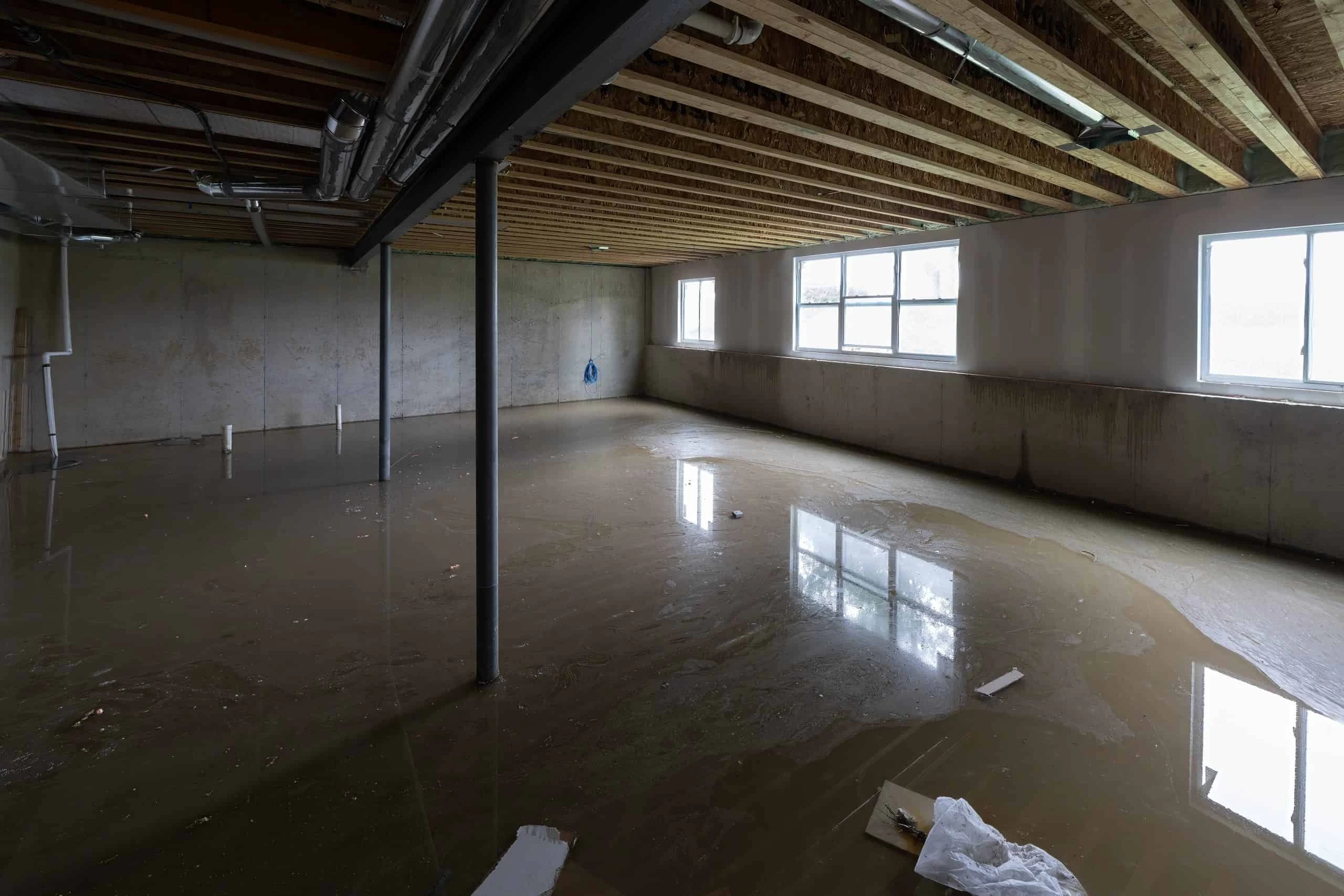
According to a 2022 NIOSH report, roughly 47% of American homes have some level of mold or dampness. That number isn’t surprising to anyone who’s spent time working in Nassau County homes — particularly along the South Shore. Communities like Freeport, Oceanside, Merrick, Massapequa, and Long Beach sit in low-lying areas with naturally high water tables and a documented history of flood exposure. Hurricane Sandy in 2012 drove water into thousands of basements and crawl spaces across Nassau County, and more than a decade later, we still encounter mold during renovations that traces directly back to that event.
OSHA recognizes mold exposure as a legitimate workplace and residential health hazard. Symptoms can appear immediately or develop over time with repeated exposure — stuffed nose, eye irritation, wheezing, persistent cough, and throat irritation are the most commonly reported. What makes residential mold particularly difficult to catch is that symptoms often improve when people leave the home and return when they’re back inside. That pattern — feeling better at work, worse at home — is one of the clearest signals that indoor air quality is the problem.
The challenge is that no federal agency has established a safe airborne mold concentration limit. There’s no number you can point to and say “this is fine” or “this is dangerous” in the same way you can with lead or carbon monoxide. That’s precisely why professional assessment matters. An experienced inspector reads the results in context — the species present, the concentration relative to outdoor baseline, the moisture conditions in the home, the age and construction of the building — and gives you a clear picture of what’s actually happening and what, if anything, needs to be done about it.
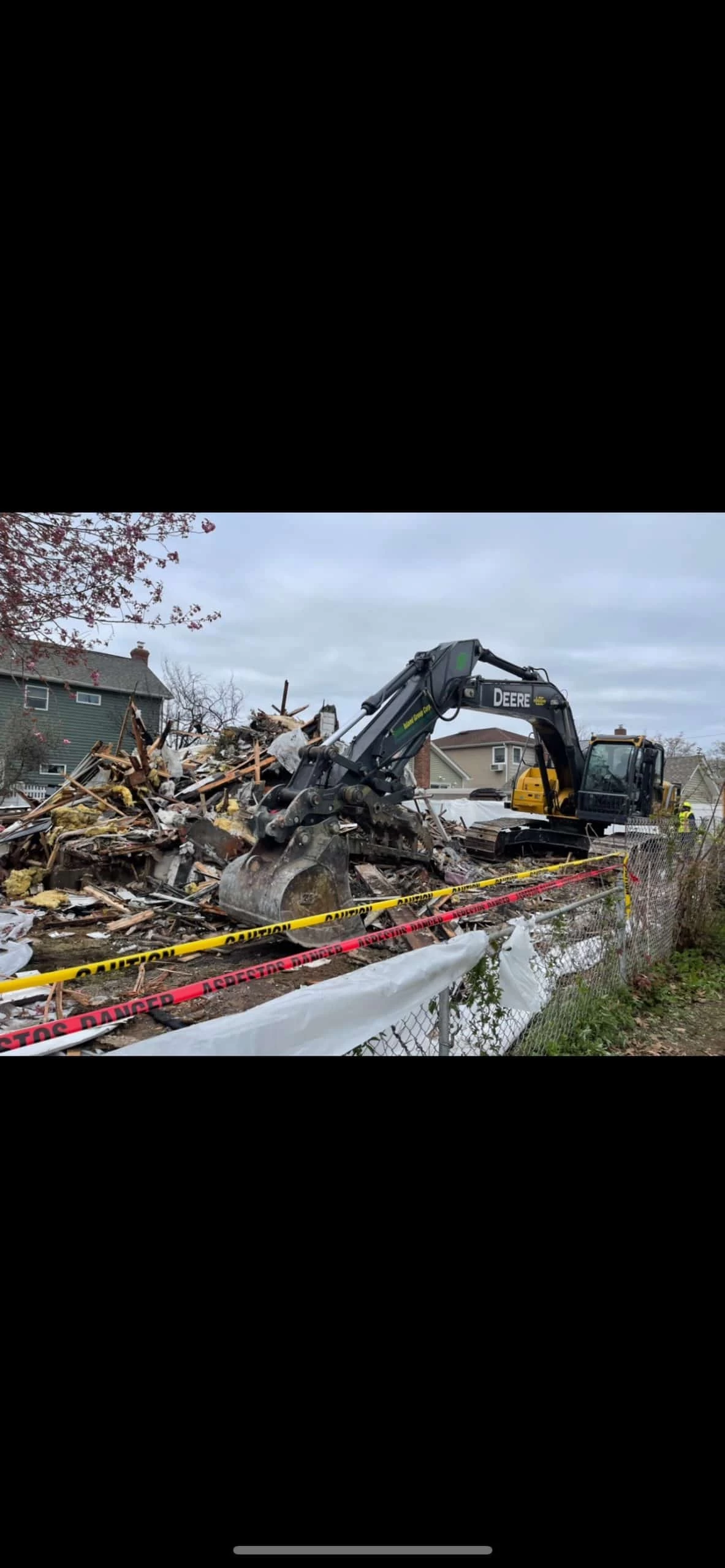
For Nassau County homeowners specifically, that context includes the region’s coastal humidity, the prevalence of pre-1980 construction, and the real possibility that a mold problem and an asbestos problem are sharing the same wall cavity. Many homes built between 1945 and 1975 — the core of Nassau County’s postwar suburban buildout — contain asbestos in pipe insulation, floor tiles, and ceiling materials. When mold remediation requires opening walls in those homes, that’s not just a mold job anymore.
Cost of Mold Inspection in Nassau County: What You Should Expect to Pay
Professional mold inspection typically runs between $299 and $1,043 nationally, with most standard residential assessments landing around $300 to $670. Black mold-specific testing — which involves more extensive air sampling and surface analysis — generally falls between $500 and $1,000. Larger homes or situations requiring comprehensive whole-home assessment can run higher.
Compare that to a DIY kit: $10 to $50 at the hardware store, plus $40 to $100 in lab analysis fees that are usually disclosed after purchase. So the actual cost of a DIY test is often $50 to $150 — for results that may tell you very little. The gap in cost between a home kit and professional testing is smaller than most people expect, and the gap in accuracy is much larger.
What Does a Professional Mold Inspection Actually Include?
A thorough professional mold inspection isn’t just someone walking through your home with a flashlight. It starts with a visual assessment — looking for visible mold growth, water staining, warped materials, and any signs of past or ongoing moisture intrusion. That’s followed by moisture mapping using calibrated moisture meters and thermal imaging cameras to identify areas behind walls, under floors, and above ceilings where water is present but not yet visible.
Air sampling is where the real diagnostic work happens. We use spore-trap cassettes to pull measured air samples from multiple locations inside the home, always paired with an outdoor control sample. Those samples go to an accredited laboratory for analysis, and the results come back as a species-by-species breakdown with concentration levels per cubic meter of air. Surface or bulk samples are collected from any areas of visible growth to confirm species identification.
The final piece is a written report — something that documents what was found, where, at what concentration, and what it means. That report is what makes professional testing worth doing. It’s usable for insurance claims, real estate transactions, contractor bids, and landlord disputes. A petri dish result from a home kit is not. If you’re buying or selling a home in Nassau County, or if you’ve filed an insurance claim after water damage, that documentation isn’t optional — it’s the whole point.
Post-remediation clearance testing is the step most people don’t think about until after the job is done. Once mold has been removed, air sampling needs to confirm that spore levels have returned to safe background concentrations before the space is reoccupied. Without clearance testing, you have no objective proof the remediation worked. We follow IICRC S520 standards throughout the process, which includes this final verification step.
Does New York State Require a License to Test or Remove Mold in Nassau County?
Yes — and this is something Nassau County homeowners genuinely need to know. Under Article 32 of the NYS Labor Law, which took effect in January 2016, anyone performing mold assessment or mold remediation in New York State must hold a valid NYS Department of Labor mold license. There are three separate license categories: Mold Assessor, Mold Remediation Contractor, and Mold Abatement Worker. Each requires its own DOL-approved training, application, and minimum liability insurance of $50,000.
The rule that protects you most is the one that gets overlooked most often: in New York State, the same company cannot legally perform both the mold assessment and the mold remediation on the same project. That separation exists specifically to prevent a conflict of interest — a contractor who profits from finding mold has a financial incentive to find it. If a company offers to test your home and then immediately quote you a remediation job in the same conversation, that’s a red flag in New York. Ask for their license number before anyone starts work.
We operate in full compliance with Article 32, as well as NYS, NYC, and USEPA regulations for all abatement work. We’re NYS and NYC M/WBE certified and have worked with the NYS Office of General Services — which means our licensing, insurance, and work standards have been vetted at the state level, not just self-reported. That matters when you’re inviting someone into your home to assess a potential health hazard.
Enforcement of Article 32 has been tightening. In 2025, the NYS DOL has been actively stepping up audits and penalties for unlicensed mold work — fines can exceed $10,000, and contractors can be barred from performing mold work until properly licensed. For Nassau County homeowners, that regulatory environment is actually a consumer protection tool, but only if you use it. Verify before you hire.
When to Call a Professional for Black Mold Testing in Nassau County
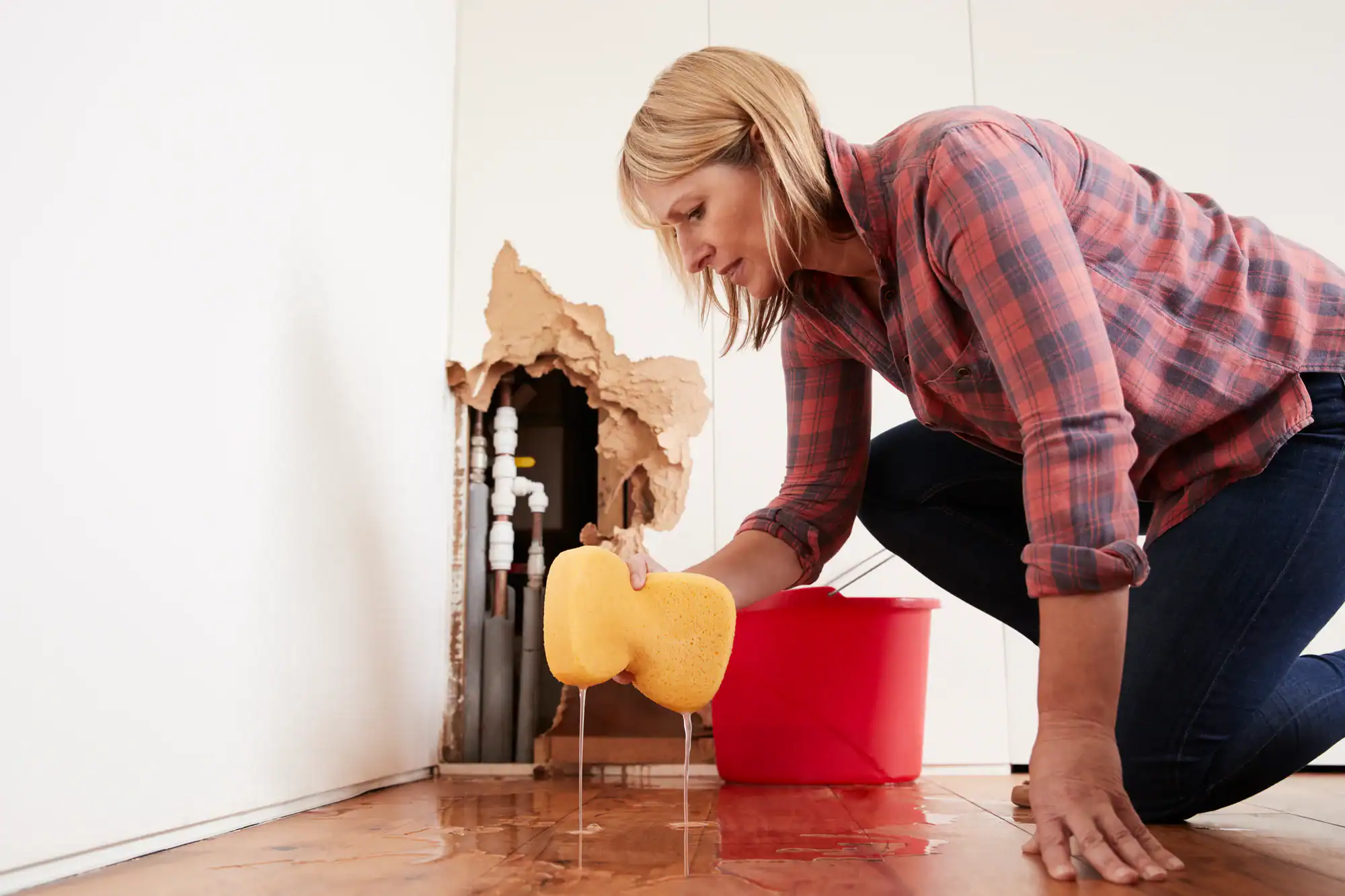
If you’ve had water damage, a pipe leak, a flooded basement, or you’re noticing a persistent smell that wasn’t there before — don’t wait for a DIY kit to give you a maybe. The 24-to-48-hour window for mold to begin colonizing wet surfaces is real, and Nassau County’s coastal humidity means conditions here are more favorable to mold growth than most inland markets.
Professional black mold testing gives you something a home kit can’t: a clear, documented answer. Species identified, concentrations measured, moisture sources located, and a written report you can actually use. For homes along the South Shore or anywhere with a history of flooding, that level of certainty isn’t a luxury — it’s the baseline for making a smart decision about your home and your family’s health.
We’ve been handling mold and asbestos abatement across Nassau and Suffolk County for over 12 years, with more than 5,000 completed projects in New York State. If you’re ready to get a real answer, reach out — we’re available 24/7 and we’ll tell you exactly what you’re dealing with.