Summary:
Why Response Time Matters After Storm Damage
The first 24-48 hours after storm damage determine how extensive your repairs will be. Water that sits untreated quickly leads to mold growth, which can start within 24-72 hours in Long Island’s humid climate. Exposed structural elements deteriorate rapidly when left unprotected.
Professional storm damage restoration teams understand this timeline. We arrive with industrial-grade equipment to extract water, secure openings, and begin the drying process immediately. This isn’t about convenience—it’s about preventing thousands of dollars in additional damage that compounds every day you wait.
The difference between emergency response and delayed action often means the difference between minor repairs and major reconstruction.
What Happens When Storm Damage Sits Untreated
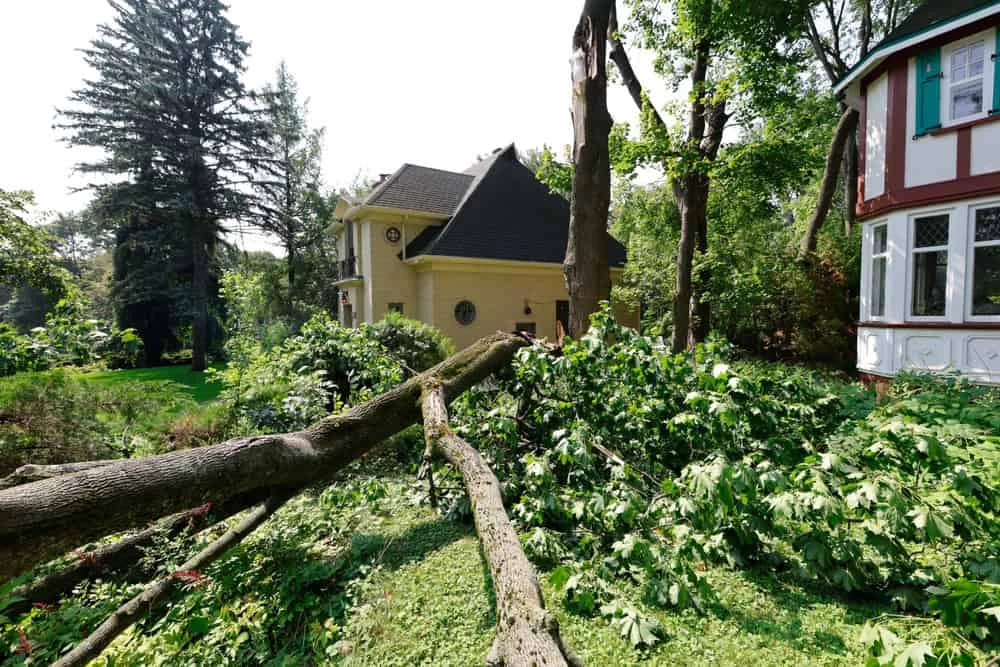
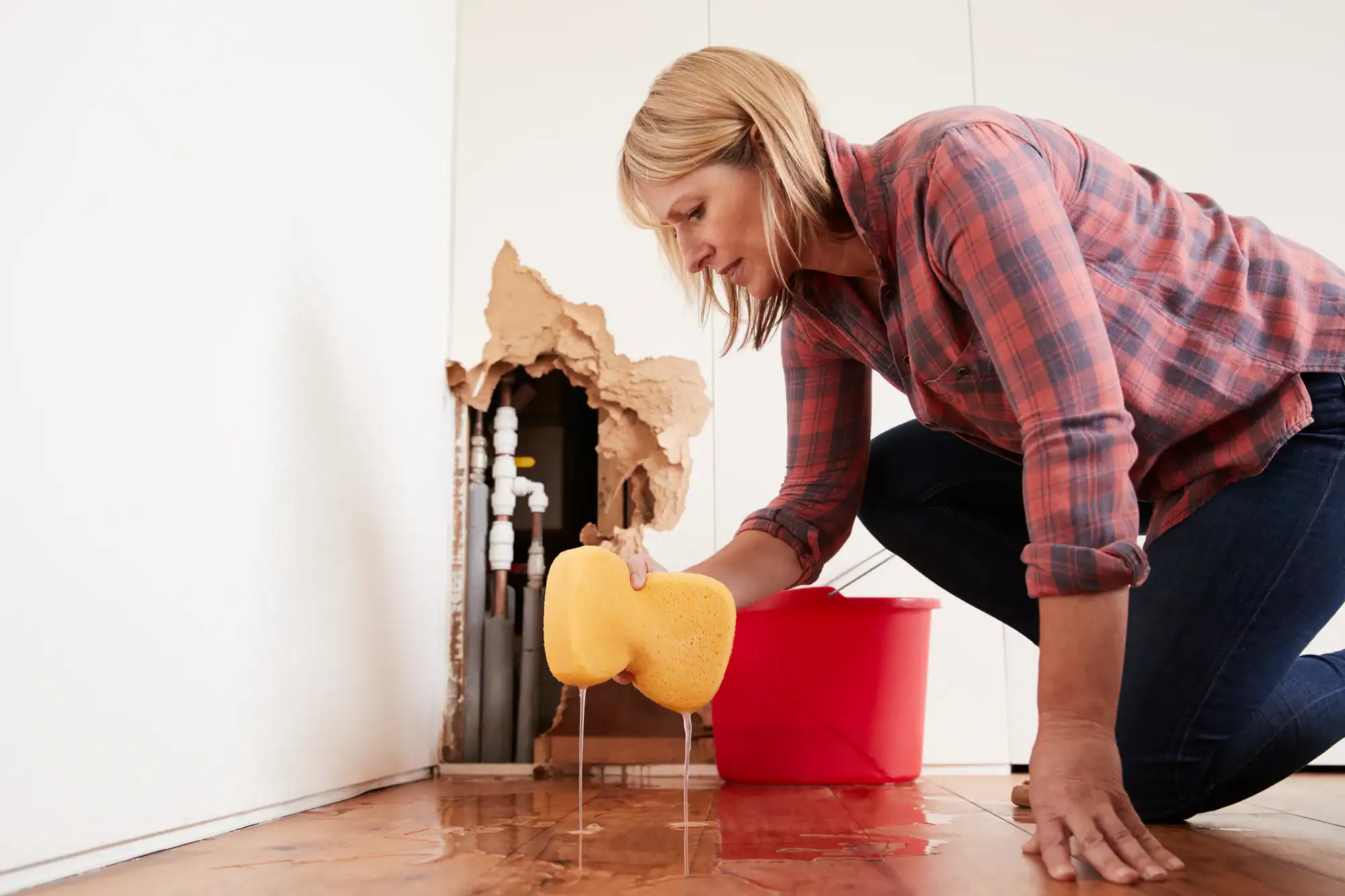
Storm damage creates a domino effect that accelerates quickly. Water infiltration doesn’t just damage what you can see—it seeps into wall cavities, under flooring, and into insulation where it’s invisible but destructive.
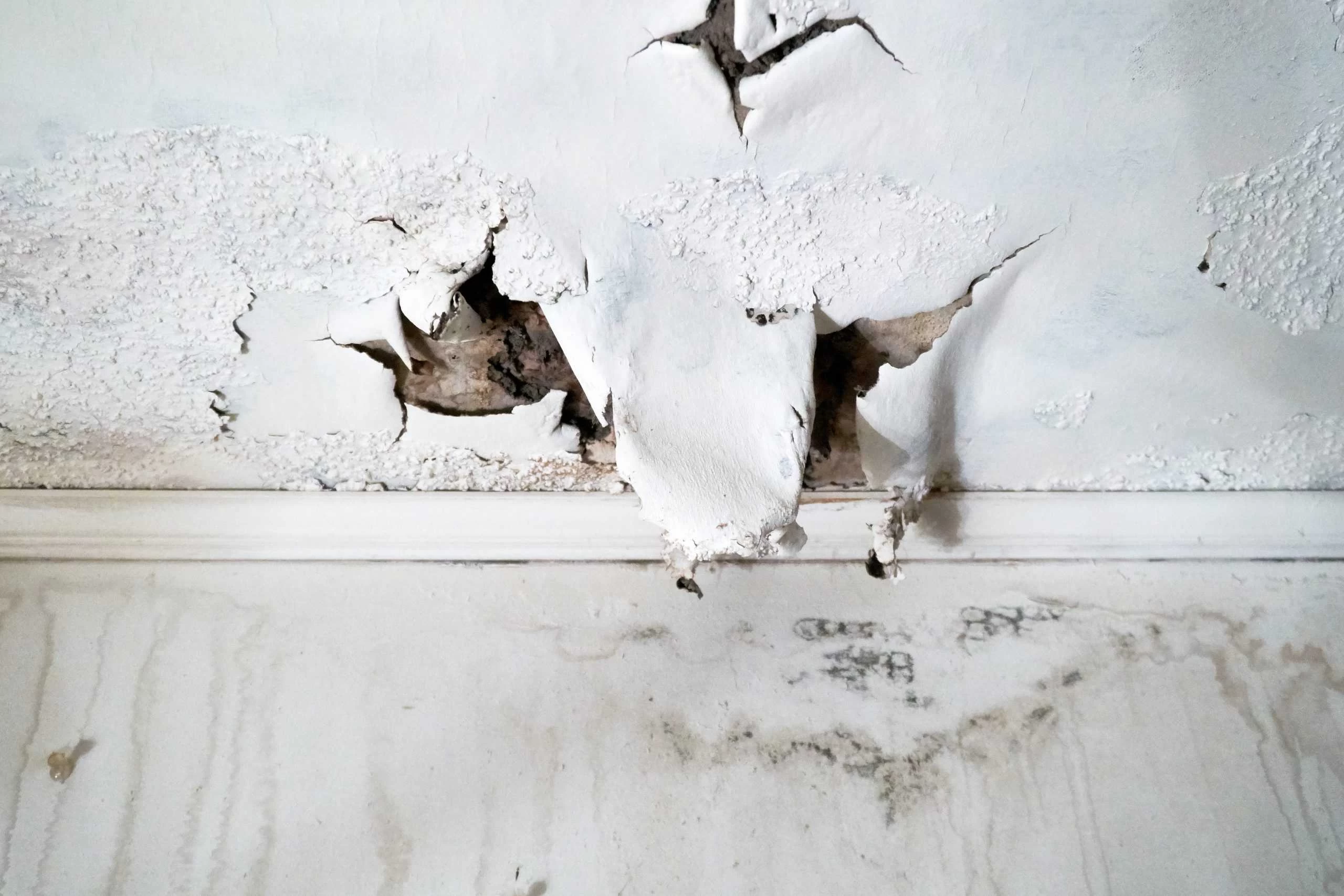
Within the first week, you’ll notice musty odors as mold spores begin colonizing damp areas. Wood framing starts to swell and warp, compromising structural integrity. Electrical systems exposed to moisture become safety hazards. Metal components begin rusting, and drywall starts deteriorating from the inside out.
Insurance adjusters know these patterns too. The longer you wait to report and address storm damage, the more likely they are to question whether secondary damage was caused by the storm or by negligence. This can complicate your claim and potentially reduce your coverage.
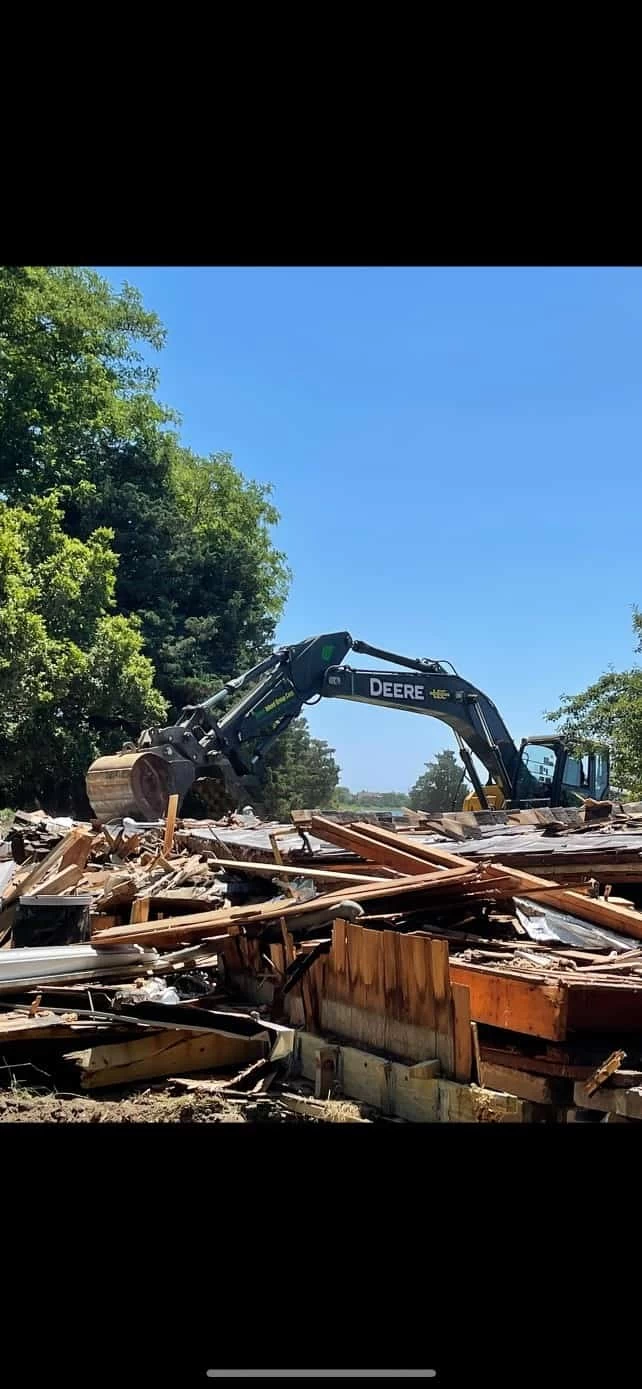
What starts as manageable storm damage repair becomes a major restoration project requiring permits, structural work, and months of displacement. The financial impact grows exponentially, often exceeding insurance coverage limits for homeowners who didn’t act quickly enough.
The Insurance Clock Starts Ticking Immediately
Your insurance company expects you to take reasonable steps to prevent further damage after a storm. This isn’t just good practice—it’s typically required by your policy. Failing to act promptly can give insurers grounds to deny portions of your claim.
Most homeowners insurance policies require you to report storm damage within a reasonable timeframe, usually within days or weeks of the event. But beyond reporting, you’re expected to mitigate ongoing damage. This means covering exposed areas, removing standing water, and securing your property against additional weather exposure.
Professional storm damage restoration companies understand these insurance requirements intimately. We document everything, work directly with adjusters, and ensure that mitigation efforts meet industry standards. This documentation becomes crucial evidence that you acted responsibly to protect your property.
The restoration company you choose should be able to bill your insurance directly, handle the paperwork, and communicate with adjusters on your behalf. This removes the burden from you during an already stressful time and ensures nothing falls through the cracks that could jeopardize your coverage.
Long Island's Storm Damage Restoration Challenges
Nassau and Suffolk Counties face unique storm damage challenges that require local expertise. Our coastal location means we deal with hurricane storm surge, nor’easters, and severe thunderstorms that can dump inches of rain in hours.
The August 2024 flooding that devastated parts of Suffolk County demonstrated how quickly “thousand-year” storms can overwhelm drainage systems and flood homes that have never experienced water damage before. Many homeowners discovered their standard homeowners insurance didn’t cover flood damage, creating additional financial stress during recovery.
Local restoration companies understand these regional weather patterns and have experience with the specific types of damage Long Island storms cause.
Why Long Island Weather Patterns Demand Specialized Response
Long Island’s geography creates unique storm damage scenarios that require specialized knowledge and equipment. Our position between the Atlantic Ocean and Long Island Sound means we get hit from multiple directions during major storms. Coastal flooding combines with inland precipitation to create complex damage patterns.
The soil composition across Nassau and Suffolk Counties affects how water moves during storms. Areas with poor drainage can experience flooding even during moderate rainfall events. Older neighborhoods with aging infrastructure are particularly vulnerable to basement flooding and sewer backups.
Winter storms bring their own challenges with ice dams, frozen pipes, and roof collapses from snow loading. The freeze-thaw cycles common in our climate can exacerbate existing damage, turning minor issues into major problems by spring.
We understand Long Island’s climate and know how to prioritize repairs based on seasonal weather patterns. We understand which materials work best in our humid summers and harsh winters, and we can predict where secondary damage is most likely to occur based on local building practices and environmental conditions.
Choosing the Right Storm Damage Restoration Company
Not all restoration companies are equipped to handle Long Island’s diverse storm damage scenarios. You need a team with local experience, proper licensing, and the equipment to respond immediately when disaster strikes.
Look for companies that offer 24/7 emergency response with actual arrival times, not just availability. The best restoration companies in Nassau and Suffolk Counties can be on-site within an hour of your contact, not the next business day. We arrive with industrial-grade water extraction equipment, moisture detection tools, and temporary protection materials.
Insurance experience matters enormously. Companies that work regularly with major insurance carriers understand the documentation requirements, preferred repair methods, and communication protocols that keep your claim moving smoothly. We bill your insurance directly and provide detailed reports that satisfy adjuster requirements.
Local reputation speaks volumes in our tight-knit Long Island communities. Check recent reviews specifically mentioning storm damage work, and ask for references from recent projects in your area. The best restoration companies have relationships with local building inspectors, permit offices, and specialty contractors needed for complex repairs.
Getting Your Storm Damage Restoration Started Right
When storm damage strikes your Nassau or Suffolk County home, every hour counts toward your recovery timeline and total repair costs. The right restoration company will respond immediately, handle your insurance coordination, and restore your property to better-than-before condition.
Don’t let storm damage compound into a major reconstruction project. Professional emergency response, proper mitigation techniques, and experienced insurance handling make the difference between a manageable recovery and a prolonged ordeal.
Green Island Group has helped thousands of Long Island homeowners recover from storm damage with fast response times, direct insurance billing, and quality workmanship that stands up to our challenging climate. When the next storm hits, you’ll know who to contact for the professional response that protects your home and your peace of mind.