Summary:
You already know you have a problem. Maybe a tenant complained. Maybe you spotted it during a walkthrough. Maybe you had a water intrusion event last season and you’ve been watching the corner of that basement utility room ever since. Whatever brought you here, you’re not looking for a lecture on why mold is bad — you’re looking for someone who actually understands what you’re managing and can help you deal with it the right way. This page is for Nassau County landlords and property managers who need straight answers about commercial mold remediation: how it works, what the law requires, and what to look for in a contractor.
What Commercial Mold Remediation Actually Involves
Commercial mold remediation isn’t the same as wiping down a bathroom tile. In a commercial or multi-family building, mold typically means hidden moisture, compromised materials, and a root cause that hasn’t been addressed — which is exactly why surface treatments fail and why the same property ends up with the same problem six months later.
Real remediation starts with finding where the moisture is coming from. That means using thermal imaging cameras and moisture meters to locate what you can’t see — mold behind drywall, under flooring, inside wall cavities. Once the source is identified and contained, the affected materials are physically removed. Not sprayed. Not painted over. Removed. That’s the standard the industry now requires, and it’s the only approach that actually works long-term.
Mold Remediation and Restoration: Why the Process Doesn't End at Mold Removal
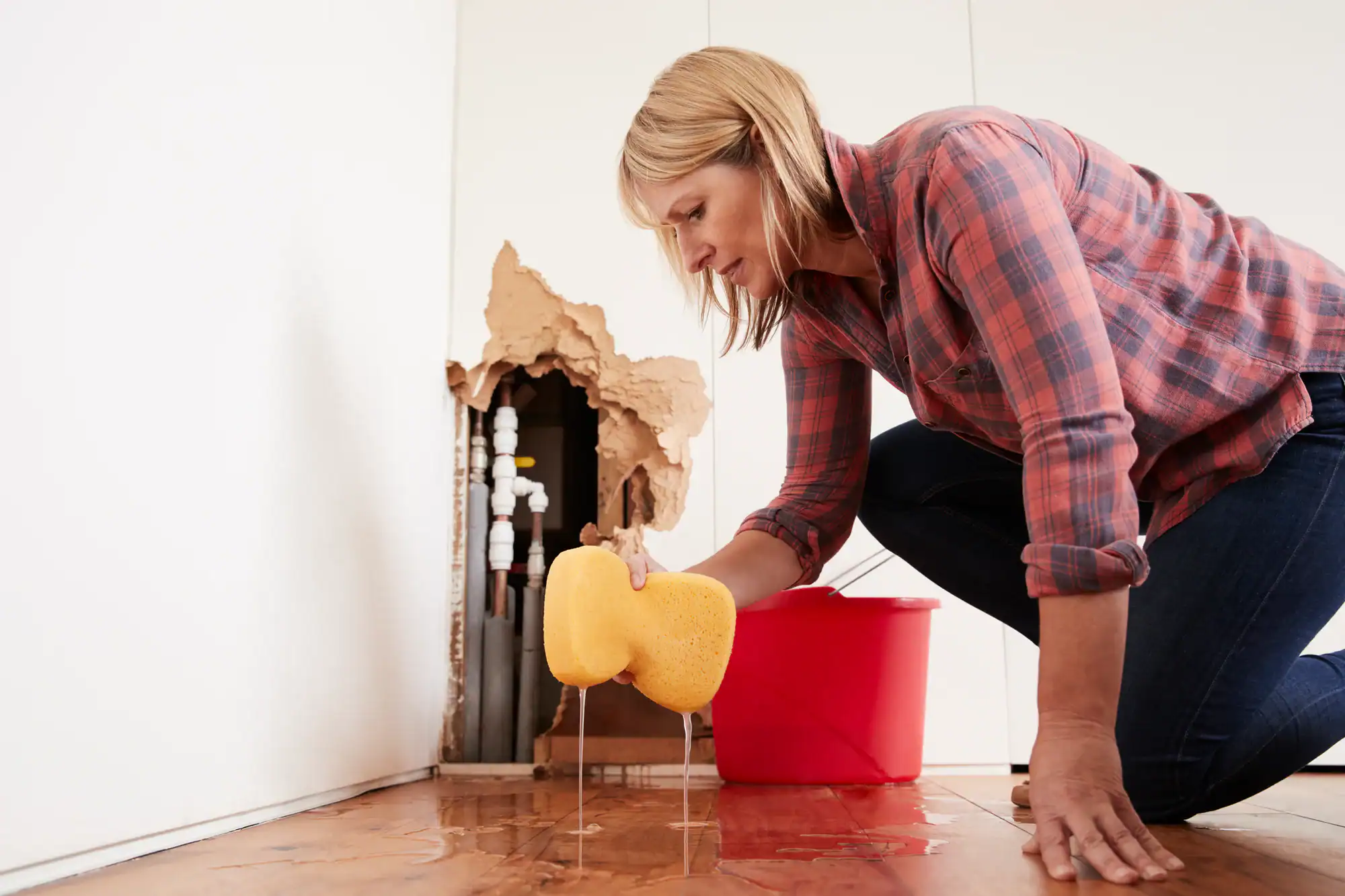
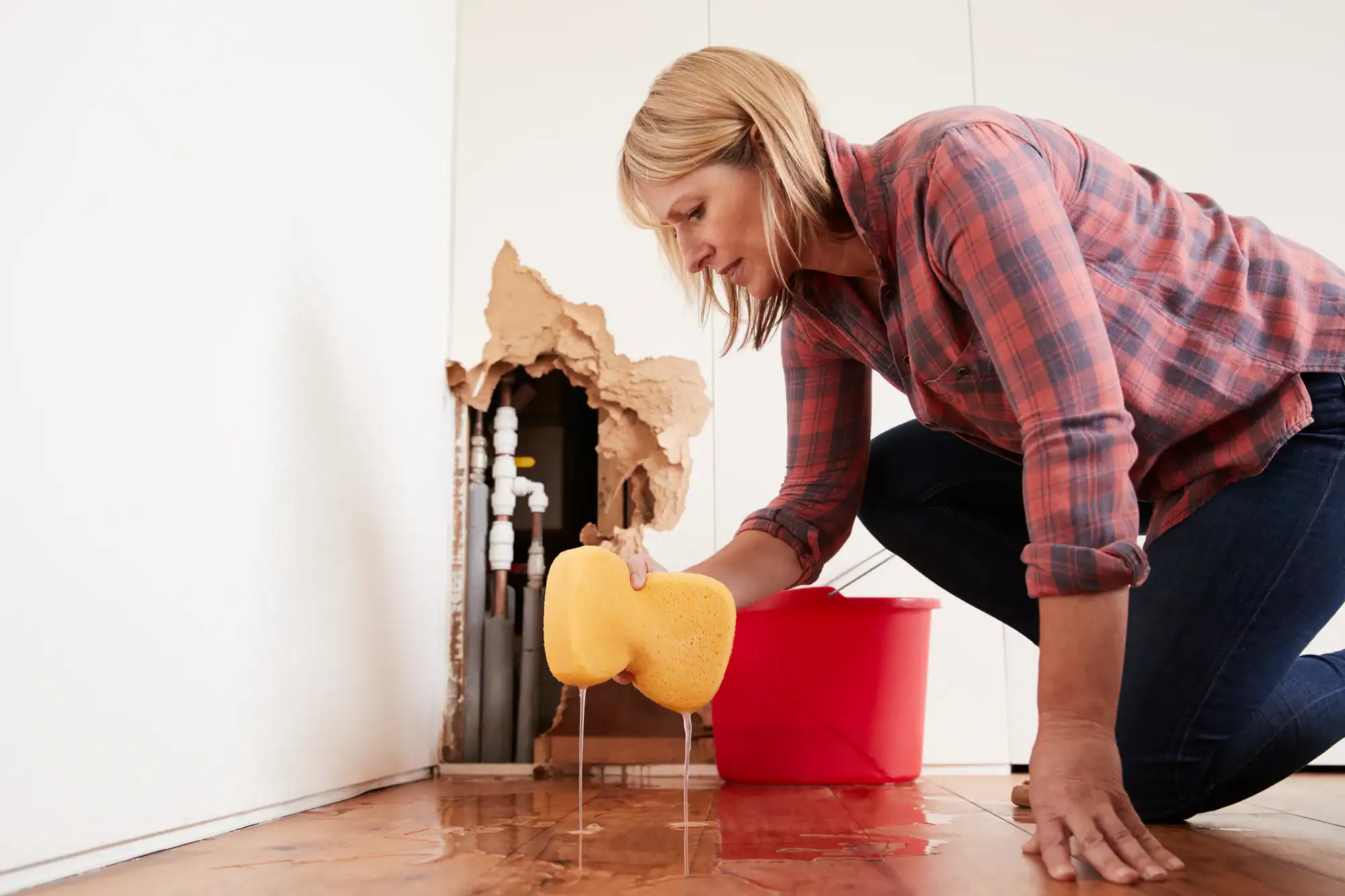
Here’s where a lot of property managers get caught off guard. They hire a mold company, the mold gets removed, and then they find out the contractor doesn’t do structural repairs. Now they’re coordinating a second vendor for drywall replacement, a third for flooring, and the unit is sitting vacant while everyone waits on everyone else. That’s a real operational cost — not just in money, but in time, tenant relations, and lost rent.
Mold remediation and restoration are two sides of the same job. Remediation addresses the mold itself: containment, removal of contaminated materials, HEPA air filtration, and post-remediation clearance testing to confirm the space is clean. Restoration addresses what comes after: replacing the drywall, repairing the subfloor, restoring the space to a livable, rentable condition. When those two things happen under one roof, with one contractor and one project timeline, the whole process moves faster and costs less to manage.
We hold Nassau County, Suffolk County, and NYC General Contractor licenses, which means we handle both sides in-house. We’re not referring out the structural work or waiting on a subcontractor’s schedule. The mold comes out, the repairs go in, and you get one point of contact from start to finish — which matters a lot when you’re managing multiple units and don’t have time to babysit a three-vendor job.
This also matters for documentation. Insurance carriers want a complete picture of the damage, the remediation scope, and the restoration work. When one company handles the full chain, the paperwork is cleaner, the timeline is clearer, and the claim moves faster. That’s not a small thing when you’re trying to get a unit back online.
Black Mold Removal Contractors: What Nassau County Property Managers Should Know Before Hiring
Black mold — Stachybotrys chartarum — gets a lot of attention, and for good reason. It tends to grow in areas with sustained moisture exposure, like chronically damp basements, flooded crawl spaces, or HVAC systems that have been cycling condensation for months. In Nassau County’s aging post-war building stock, those conditions aren’t rare. A lot of the multi-family housing along the South Shore and through communities like Hempstead, Freeport, and Baldwin was built between 1945 and 1970 — original plumbing, minimal vapor barriers, and construction materials that absorb moisture and hold it.
If you suspect black mold, the first thing to understand is that DIY treatment is not a solution. Bleach on a porous surface like drywall or wood framing kills what’s visible on the surface, but the root structure — the hyphae — stays intact inside the material. The mold comes back. Professional removal means physically taking out the contaminated material and disposing of it properly, not treating it in place.
The second thing to understand is the legal framework. Under New York State Labor Law Article 32, any mold project affecting more than 10 square feet requires a licensed mold remediator. That’s not a suggestion — it’s a state law that’s been in effect since January 1, 2016, and the NYS Department of Labor has been increasing enforcement activity. The law also requires that the mold assessment and the remediation be performed by separate, independently licensed parties. The same company cannot write the remediation plan and execute it on the same project. That independence clause exists specifically to protect property owners from conflicts of interest.
What this means practically: if you hire a contractor who isn’t Article 32 licensed, you’re not just getting substandard work — you’re creating a liability. If a tenant gets sick, if a building inspector flags the work, if an insurance claim gets denied because the remediation wasn’t performed by a licensed party, the exposure lands on you. Verifying Article 32 licensing before signing anything isn’t overcautious — it’s the baseline.
Mold Removal and Restoration in Nassau County: Why Local Conditions Change the Equation
Nassau County has a specific set of conditions that make mold a more persistent problem here than in most suburban markets. The county sits on a glacial outwash plain with sandy, permeable soil and a naturally high water table. Below-grade spaces — basements, utility rooms, ground-floor commercial units — are in chronic contact with soil moisture regardless of weather. Add Long Island’s maritime humidity, which runs 65–70% in summer, and you have an environment where mold doesn’t need a dramatic event to get started. It just needs time and a damp wall.
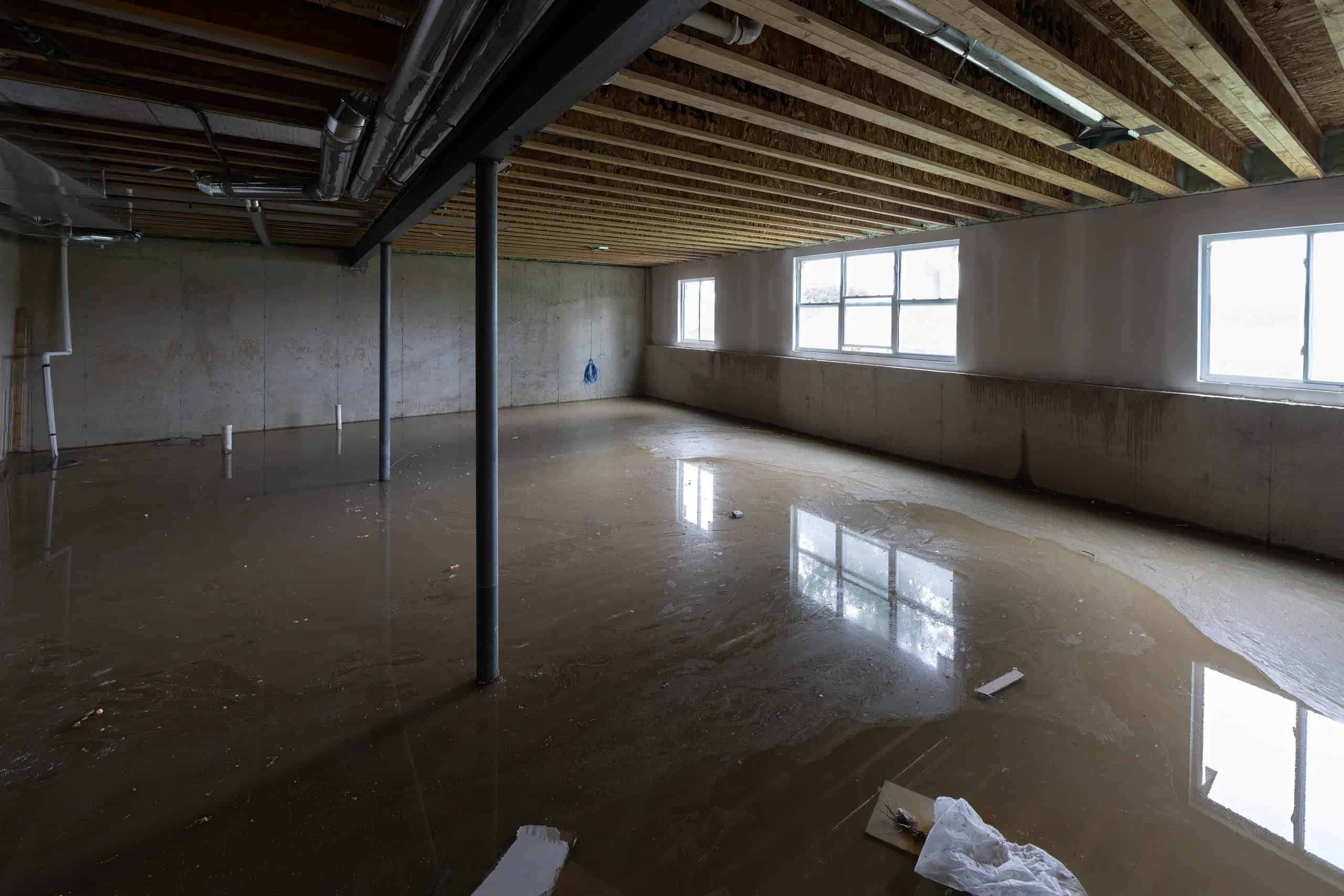
The South Shore communities face an additional layer of risk. Long Beach, Island Park, Freeport, Oceanside, and Baldwin have all experienced significant storm surge flooding — Hurricane Sandy in 2012 and Tropical Storm Ida in 2021 being the most recent large-scale events. After Sandy, FEMA reclassified large portions of these communities into higher flood risk zones. Many commercial property owners in those areas now carry NFIP flood insurance and have seen firsthand what happens when water intrusion isn’t addressed within the critical 24–48 hour window before mold activates.
How Nassau County's Climate and Building Stock Drive Repeat Mold Problems
The 24–48 hour window is real, and in Nassau County’s coastal humidity, it can feel even shorter. Mold spores are always present in the air — what activates them is moisture. Once a surface stays damp for more than a day, spores begin colonizing. Within 48 hours, visible growth can appear on porous materials like drywall, wood framing, and insulation. By the time a property manager has assessed the damage, called a contractor, and gotten a crew scheduled, that window is often already closed.
This is why 24/7 emergency response isn’t just a marketing line — it’s a functional requirement for commercial mold work in Nassau County. A burst pipe in a commercial building on a Friday night, a storm surge event that floods a ground-floor retail unit on a Sunday, an HVAC leak that’s been dripping into a wall cavity for a week before anyone noticed — these aren’t scenarios where you can wait until Monday morning. We deploy around the clock because the damage doesn’t wait either.
We’ve been working in Nassau County and Suffolk County for over 12 years. We know the South Shore flooding patterns. We know what the soil conditions do to below-grade spaces in older buildings along Sunrise Highway and Merrick Road. We know the building stock — the original plaster walls, the crawl spaces with no vapor barriers, the aging cast-iron plumbing that fails quietly before it fails loudly. That local familiarity changes how we assess a job and what we look for when we’re scoping the work.
It also informs how we document for insurance. Mold claims in Nassau County often involve NFIP flood policies, standard homeowner or commercial property policies, and sometimes both. Each carrier has different documentation requirements, and getting the paperwork wrong — or incomplete — can delay or reduce a claim. We handle insurance billing directly, which means we produce the documentation the carrier needs and manage that process so you’re not stuck in the middle.
What Nassau County Landlords Ask Before Hiring a Mold Remediation Company
The questions we hear most from property managers in Nassau County tend to cluster around three things: legal compliance, scope uncertainty, and what happens to their tenants during the work. Those are the right questions to be asking.
On compliance: yes, Article 32 licensing is required for any mold project over 10 square feet in New York State. We are licensed. You can verify mold remediator licensing through the NYS Department of Labor. If a contractor can’t point you to their license, that’s a hard stop before the conversation goes any further.
On scope: the honest answer is that the full extent of mold damage often isn’t visible until work begins. Thermal imaging and moisture metering give us a much clearer picture upfront than a visual inspection alone, but once materials start coming out, sometimes the damage runs further than expected. We walk you through what we find before we proceed. You’re not getting surprise charges after the fact — you’re getting a clear scope, and if that scope changes, we explain why before we move forward.
On tenants: whether occupants need to be temporarily relocated depends on the size of the affected area, the type of mold, and the building layout. For contained remediation in a single unit or utility space, the rest of the building typically stays occupied. For larger infestations involving HVAC systems or shared spaces, temporary relocation may be necessary. We set up containment barriers and run HEPA air filtration to prevent cross-contamination, and we’ll give you a clear answer about what your tenants’ situation looks like before work starts — not after.
One more thing worth knowing: we hold NYS and NYC M/WBE certification and have active contracts with Nassau County, Suffolk County, the NYS Office of General Services, and the Dormitory Authority of New York, among others. We mention this not to impress but because it’s a meaningful signal for commercial clients. Government entities don’t contract with companies that cut corners on compliance or documentation. If the state trusts us with their facilities, we can handle your building.
Choosing the Right Commercial Mold Remediation Company in Nassau County
The short version: mold in a commercial or multi-family property is a legal issue as much as a maintenance one. New York State Article 32 sets the compliance floor, Nassau County’s climate and building stock make recurrence the norm when work isn’t done correctly, and the difference between a contractor who handles the full scope and one who just removes the mold is often the difference between resolving the problem and revisiting it.
What you’re looking for is a licensed, locally experienced contractor who can handle the remediation, the restoration, and the insurance documentation — without handing off pieces of the job to parties you’ve never met. That’s a short list in Nassau County.
If you’re managing a mold situation right now — or trying to get ahead of one before the next storm season — Green Island Group is available around the clock. Reach out and we’ll tell you exactly what you’re dealing with.