Summary:
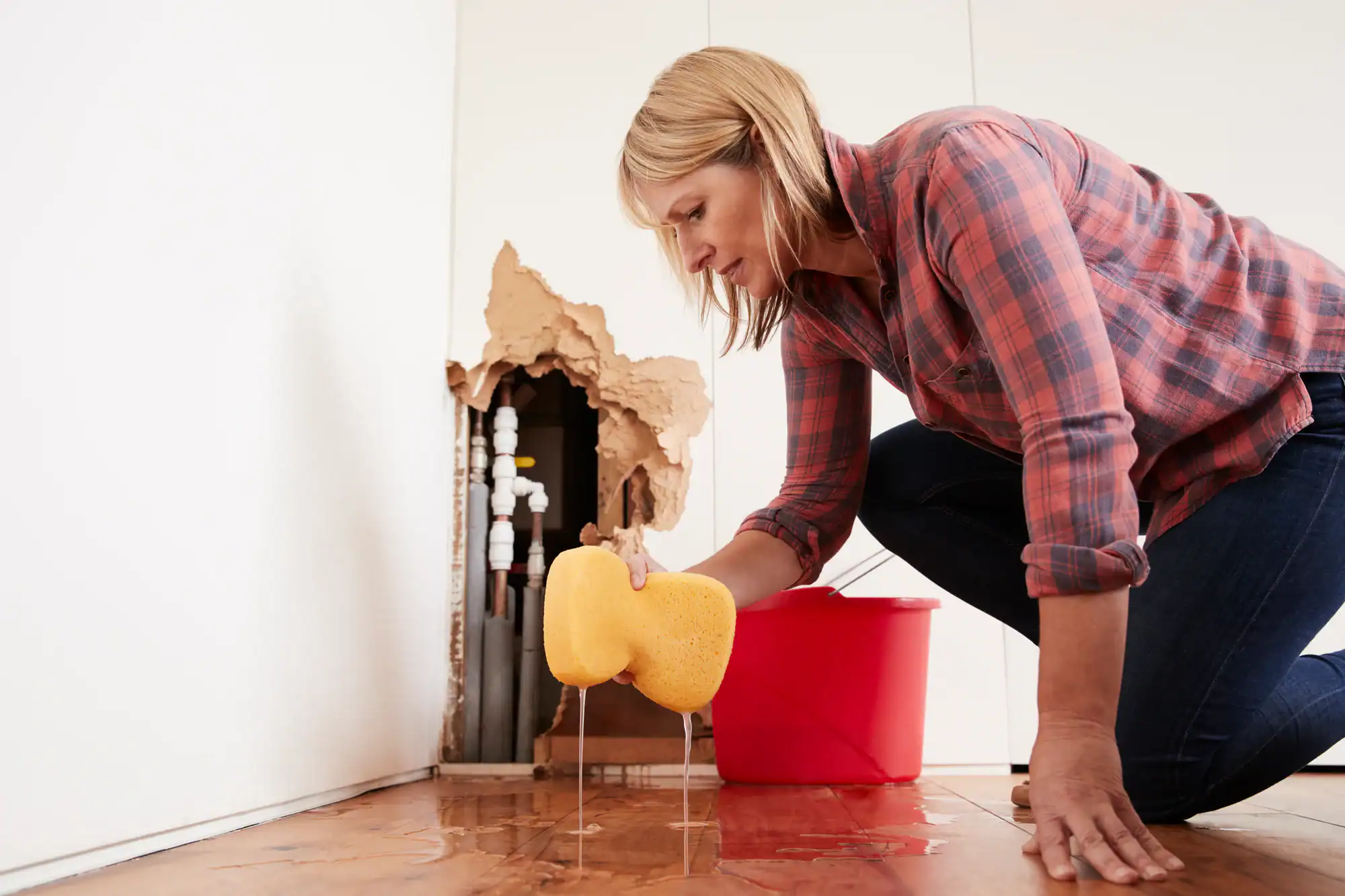
You came downstairs and found water. Maybe it was an inch, maybe it was a foot. Either way, your first instinct is to get it out — and fast. That part makes sense. What most homeowners don’t realize is that removing the standing water is only the beginning. The decisions you make in the next 24 to 72 hours will determine whether your basement gets back to normal or becomes a much bigger, much more expensive problem. This page covers what proper basement cleanup actually looks like, what the risks are when steps get skipped, and how to protect your home and your family through the process.
Water Flooding in Basement: What's Actually Happening Inside Your Walls
Most people think of basement flooding as a surface problem. Get the water out, run a fan, move on. But water doesn’t stay on the surface. It moves into drywall, insulation, wood framing, and concrete — materials that hold moisture long after the floor looks dry. That hidden saturation is where mold starts, and it doesn’t take long.
The EPA puts the mold growth window at 24 to 48 hours under the right conditions. In a Nassau County basement in late spring or summer — warm, humid, and freshly flooded — those conditions exist almost by default. By the time you can smell something musty, the mold is already established.
That’s why basement cleanup after flooding isn’t just about extraction. It’s about moisture mapping, structural assessment, and drying the materials that aren’t visible — not just the floor you can see.
Basement Flooded With Water: Why the First 72 Hours Define the Outcome
The first thing to understand is that not all basement flooding is the same. A burst pipe in January is very different from storm surge coming through your foundation during a nor’easter, and both are different from a sewage backup. Restoration professionals classify water damage into three categories — clean water, gray water, and black water — and the category determines how the cleanup has to be handled.
Black water, which includes sewage backup and contaminated storm water, is biohazardous. It can’t be safely cleaned with consumer products or rental equipment. It requires professional extraction, antimicrobial treatment, and in many cases, controlled demolition of materials that absorbed the contaminated water. Nassau County’s aging stormwater infrastructure — particularly in communities where storm and sewer lines share capacity — means sewage backup during heavy rain is more common than most homeowners expect.
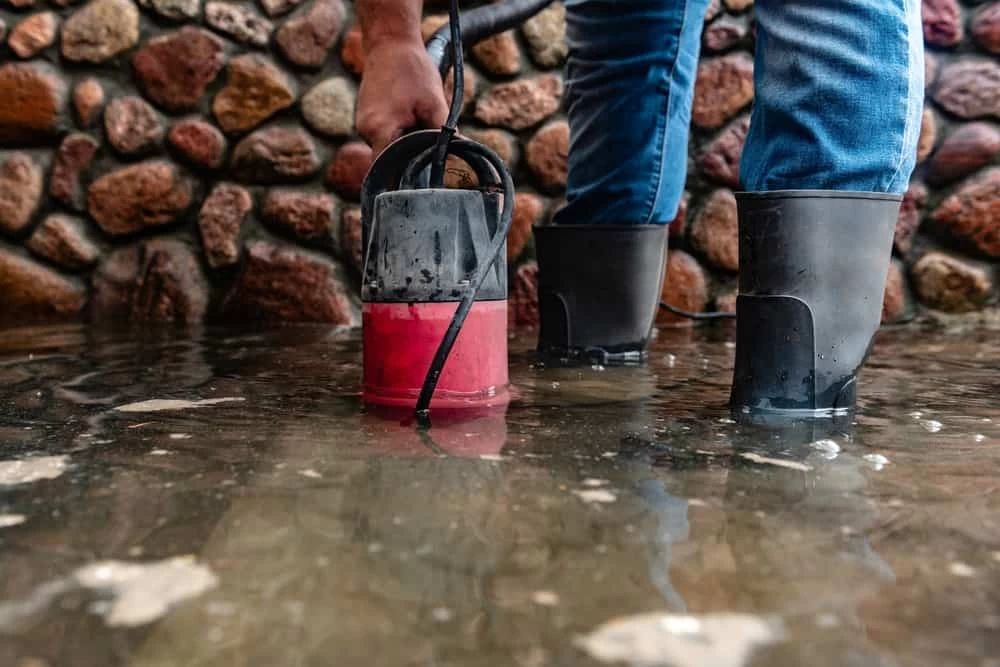
Once the water category is established, the next step is extraction. Professional-grade truck-mounted extractors pull water out at a rate that consumer wet-dry vacuums simply can’t match. After extraction comes moisture mapping — using thermal imaging cameras and calibrated moisture meters to find saturation inside walls, under flooring, and in structural cavities. This step is what separates a real remediation from a surface cleanup. Skip it, and you’re essentially drying the outside of a wet sponge and calling it done.
From there, industrial dehumidifiers and air movers run continuously — sometimes for several days — while technicians monitor moisture readings and maintain drying logs. Those logs aren’t just paperwork. Insurance companies require them to process water damage claims. If you cleaned up the basement yourself and didn’t document the drying process, your claim may be denied or significantly reduced.
The 72-hour mark is significant because that’s roughly when structural materials — drywall, insulation, wood framing — begin to cross from salvageable to unsalvageable. Catching the damage early enough means less demolition, less reconstruction, and a faster return to normal. Waiting, or doing a partial job, almost always costs more in the long run.
Cracks in Basement Floor Leaking Water: What They're Telling You About Your Foundation
A crack in your basement floor might look minor. It might have been there for years. But when water starts coming through it, that crack is telling you something worth paying attention to.
Basement floor cracks that leak water are typically caused by hydrostatic pressure — the force of groundwater pushing up against the underside of your slab. In Nassau County’s southern communities like Freeport, Oceanside, Merrick, and Wantagh, the water table sits close enough to the surface that hydrostatic pressure is a chronic issue, not just a storm-event problem. Homes in these areas can experience water intrusion through floor cracks even during dry weather if the water table rises after heavy rain.
The concern isn’t just the water itself. When hydrostatic pressure is significant enough to force water through a floor crack, it can also compromise the structural integrity of the slab over time. Settlement, widening cracks, and undermined concrete are all possible outcomes if the root cause isn’t addressed. A surface patch might stop the visible leak temporarily, but it doesn’t resolve the pressure driving it.
Wall cracks — particularly horizontal cracks in poured concrete or block foundation walls — carry a different and more serious implication. Horizontal cracking can indicate lateral soil pressure against the foundation, which is a structural concern that goes well beyond a basement cleanup conversation. If you’re seeing horizontal cracks in your foundation walls alongside water intrusion, that warrants a professional structural assessment before any cleanup work begins.
For Nassau County homeowners in mid-century homes — the Levittown-era construction, the post-war Cape Cods in Valley Stream and Hicksville, the ranch homes in Massapequa — there’s an additional layer of complexity. Homes built between the 1940s and 1970s frequently contain asbestos in floor tiles, pipe insulation, and ceiling materials. If a basement cleanup involves removing flooring or disturbing existing materials, those materials need to be tested before demolition begins. In New York State, asbestos abatement requires a specific NYS DOL license. We hold that license, which means we can handle the full scope of what a flooded basement in an older Nassau County home might involve — without stopping work to bring in a separate contractor.
How to Prevent Basement Flooding Before the Next Storm Hits
After going through a basement cleanup, most homeowners want to know one thing: how do I make sure this doesn’t happen again? It’s a fair question, and the honest answer is that prevention depends entirely on why the flooding happened in the first place.
Water gets into basements through a few different pathways — foundation cracks, overwhelmed drainage systems, sump pump failure, and groundwater infiltration among them. Each one has a different solution, and treating the wrong cause is a fast way to spend money without solving the problem.
Sump Pump Failure and Drainage Problems: The Most Common Causes of Basement Flooding in Nassau County
Sump pump failure is one of the leading causes of basement flooding on Long Island, and it tends to happen at the worst possible moment — during a storm, when the pump is working hardest. Nassau County’s South Shore communities sit on a glacial outwash plain with a naturally high water table. In areas like Long Beach, Baldwin, and Rockville Centre, sump pumps aren’t a backup system — they’re running regularly. When a pump fails during a heavy rain event, the basement fills fast.
The fix isn’t complicated, but the follow-through matters. A functioning sump pump with a battery backup and a water-level alarm covers most scenarios. The battery backup is the part most homeowners skip, and it’s the part that matters most during a storm, when power outages are common. If your pump is more than seven to ten years old, it’s worth having it inspected — not after the next flood, but before it.
Drainage is the other side of the equation. Gutters that direct water toward the foundation, grading that slopes inward rather than away from the house, and downspouts that terminate too close to the basement wall are all common contributors to water intrusion. These are relatively low-cost fixes that make a meaningful difference. A professional assessment can identify which of these factors are contributing to your specific situation and prioritize them accordingly.
Interior drainage systems — French drains installed inside the basement perimeter — are a longer-term solution for homes with persistent water intrusion that can’t be fully addressed from the exterior. They don’t stop water from entering the foundation, but they manage and redirect it before it can pool on the floor. In Nassau County’s older housing stock, where exterior waterproofing would require significant excavation, interior drainage is often the more practical path.
What doesn’t work is a surface patch applied to a crack in a wet foundation wall. It may hold for a season, but hydrostatic pressure will find another path. Prevention that actually lasts starts with understanding the source — which is why a professional evaluation after a flooding event is worth doing even if the cleanup itself goes smoothly.
Do I Really Need a Professional for Basement Cleanup?
It’s a reasonable question. Renting a water pump and a dehumidifier costs a fraction of hiring a professional restoration company. And for a very minor, contained water event on a hard surface — a small appliance leak on a concrete floor, caught within a few hours — a careful DIY response might be adequate.
But most basement flooding events in Nassau County don’t fit that description. Storm surge, sump pump failure during a heavy rain, or sewage backup from an overwhelmed municipal system are not minor events. They involve large volumes of water, potentially contaminated water, and materials that absorb moisture faster than rental equipment can remove it.
Here’s the practical reality: rental dehumidifiers are designed to maintain comfortable indoor humidity. They are not designed to extract moisture from inside walls and structural cavities. The difference matters because that’s where mold grows — not on the surface, but inside the material. A rental setup that leaves your basement smelling fine after a week may still be harboring mold colonies behind the drywall that won’t become visible for another month.
There’s also the insurance angle. If you’re filing a water damage claim, your insurer will want documentation — moisture readings, drying logs, a scope of work. A DIY cleanup produces none of that. We generate the documentation that supports your claim and protects you if the insurer questions the extent of the damage.
For Nassau County homeowners in pre-1980 homes, there’s a legal dimension as well. New York State requires a NYS DOL Mold Contractor License for mold remediation above a certain scope, and a separate NYS DOL Asbestos Contractor License for any asbestos abatement work. Hiring an unlicensed contractor — or attempting to remove materials yourself without knowing what’s in them — creates liability that goes well beyond the cost of the cleanup. We hold both licenses, and we carry them specifically because Nassau County’s housing stock makes them necessary, not optional.
When to Call for Basement Cleanup Help in Nassau County, NY
If your basement has flooded, the window for getting it right is shorter than most people think. The first 24 to 48 hours matter more than anything that comes after. Hidden moisture, mold risk, structural concerns, and the potential for hazardous materials all converge in that window — and the decisions made early on determine how complicated and costly the recovery becomes.
Getting the water out is the first step, not the last one. What comes after — moisture mapping, structural assessment, proper drying, documentation, and where necessary, mold or asbestos abatement — is what actually protects your home and your family.
If you’re dealing with a flooded basement in Nassau County and want to understand what you’re actually facing, we’re available around the clock. We’ve been doing this work on Long Island for over 12 years, and we’re licensed for every part of it.