Water Remediation Contractor Nassau County, NY

Hire the Right Contractor Before It Gets Worse

Most water damage jobs in Nassau County get complicated fast. Know exactly what credentials to verify — and why the wrong hire can cost you far more than the cleanup itself.

Built On Trust

Credentials That Actually Matter Here

Nassau County Licensed Contractor

We hold a Nassau County General Contractor license — a credential many restoration companies operating in this county simply don't have.

NYS DOL Mold and Asbestos Licensed

New York mandates separate mold remediation licensing. We hold both the NYS DOL Mold and Asbestos licenses required to work legally in Nassau County homes.

IICRC Certified Water Damage Technicians

Our technicians are IICRC certified — the industry's recognized standard for water damage restoration, structural drying, and microbial remediation work.

Direct Insurance Billing, No Upfront Cost

We bill your insurance carrier directly in most cases. You pay your deductible — not the full restoration cost — while we handle the paperwork.

Peeling paint on interior ceiling caused by water damage and moisture infiltration.

Long Island Water Damage Restoration

Nassau County Water Damage Is Its Own Problem

Nassau County sits on a high water table, bordered by the Atlantic Ocean on the south and Long Island Sound to the north. When it floods here — whether from a burst pipe in Levittown, a sewage backup in Freeport, or storm surge pushing through a basement in Long Beach — the conditions that follow are different from anywhere else. Coastal humidity accelerates mold growth. Older homes along the south shore and in communities like Merrick or Wantagh contain asbestos in pipe insulation and floor tiles that require licensed handling before any restoration work can begin. Choosing the wrong water remediation contractor in Nassau County doesn’t just slow down your recovery. It can expose you to unlicensed mold work, hidden structural damage, and insurance claim complications that take months to untangle. This page exists to help you avoid that.

Basement Flooding Cleanup Nassau County

What a Complete Restoration Actually Looks Like

Most contractors stop at drying. Here’s what separates a full restoration from a job that leaves you with problems six months later.
Hidden moisture behind walls gets found and addressed — not assumed dry because the surface feels that way.
Mold prevention starts on day one, within the critical 24–48 hour window before spores begin establishing in wall cavities.
If asbestos or lead is uncovered in your pre-1980s home, work doesn’t stop — we handle abatement in-house and keep the project moving.
You deal with one company from emergency extraction through finished reconstruction — no handoff to a second general contractor mid-project.
Your insurance carrier gets billed directly, so you’re not fronting thousands of dollars while waiting for reimbursement.
Every step of the drying process gets documented with moisture readings, so you have a clear record if your insurer asks for proof of completion.

Your Next Step

Ready to Get Started?

Get help with your restoration from a local team serving Nassau and Suffolk County.

Local Experience. Complete Support.

A Team You Can Count On

NYS & NYC M/WBE Certified

Government-verified credentials that support accountability and compliance.

Licensed In-House Abatement

Our own NYS asbestos abatement licenses help keep your project moving.

Financing Up to $200,000

Options including 0% APR help bridge insurance gaps and settlement delays.

5,000+ Projects. 12+ Years.

Local experience restoring homes across Nassau and Suffolk County.
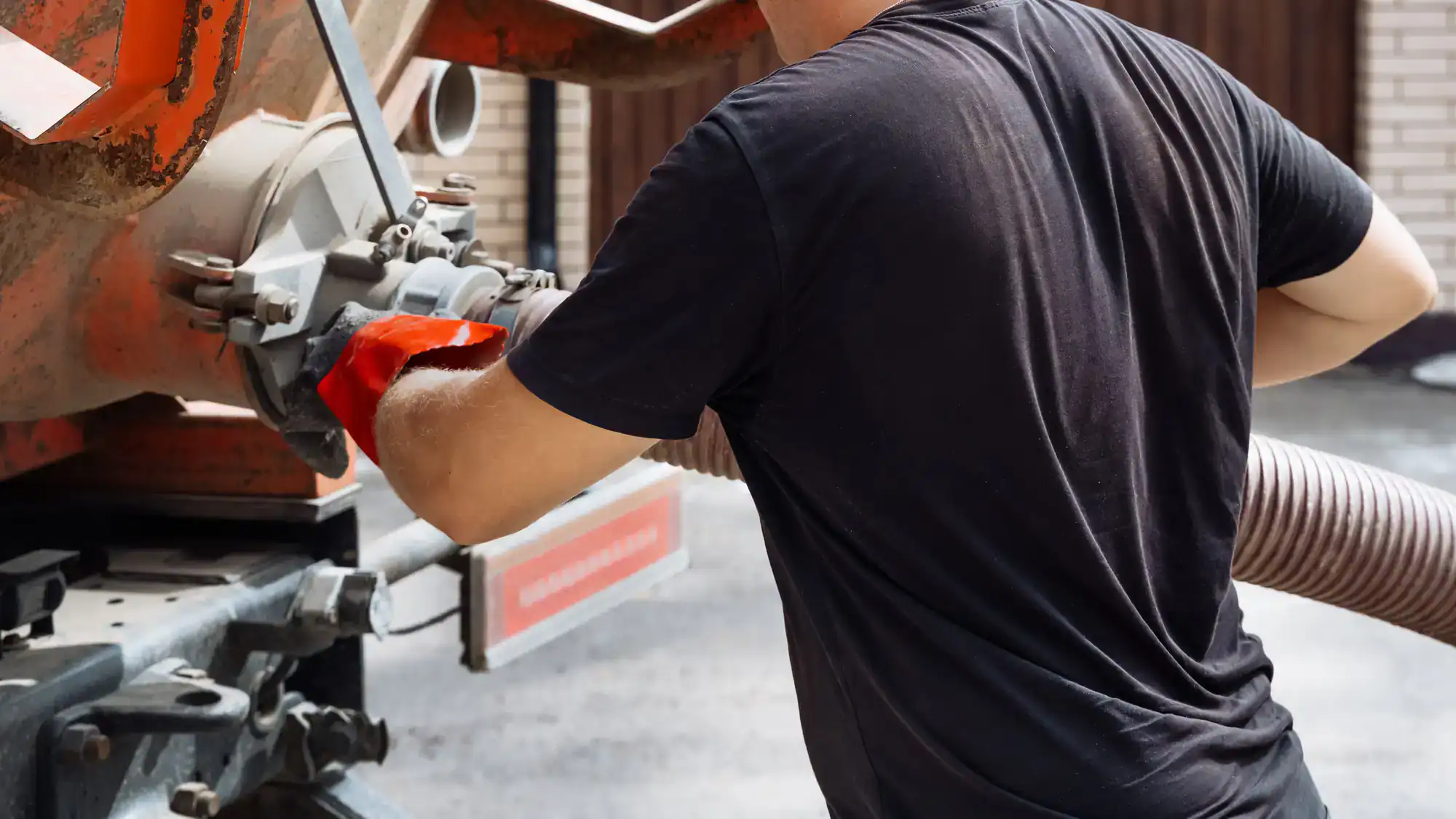
Worker Sewage Cleanup Outdoors Suffolk County New York

Emergency Sewage Cleanup Long Island

Sewage Backup Is Not a Plumbing Problem

When sewage backs up into a basement in Nassau County, what you’re dealing with is classified as Category 3 water damage — what the industry calls black water. This isn’t a shop-vac and bleach situation. It requires full decontamination protocols, personal protective equipment, licensed waste handling, and complete replacement of any porous materials that came into contact with the contamination. Nassau County’s aging sewer infrastructure, particularly in older communities along the south shore, makes sewage backup a real and recurring event — not an edge case. If a contractor shows up without the proper certifications, the right equipment, or a documented decontamination protocol, they’re not equipped to do this job safely. We are. Our emergency sewage cleanup process follows IICRC S500 Category 3 standards, and our team is on call around the clock because sewage backup doesn’t wait for business hours.

Water Damage House Repair Costs NY

Why Nassau County Jobs Often Cost More Than Expected

Basement flood cleanup typically runs between $3 and $7 per square foot for straightforward water extraction and drying. But in Nassau County, straightforward is the exception. Homes built before 1980 — which describes the majority of the housing stock in communities from Valley Stream to Syosset — frequently contain asbestos in floor tiles, pipe insulation, and joint compound. Discovering that mid-project doesn’t pause the water damage. It means licensed abatement has to happen before restoration can continue. Sewage backup events, which fall into a more serious damage category, average higher per square foot because of the decontamination requirements involved. Mold remediation adds additional cost when moisture isn’t controlled quickly. The average water damage insurance claim runs around $13,954 nationally, but complex jobs in older Nassau County homes can run well beyond that depending on what’s found. The clearest way to protect yourself financially is to hire a contractor who can handle every phase without subcontracting — and to get the insurance claim filed correctly from the start.
Water leaking from a residential ceiling, indicating a plumbing or roof issue.
1.svg

Assessment and Moisture Mapping

We use thermal imaging cameras and calibrated moisture meters to find water where you can't see it — behind walls, under floors, inside cavities.

2.svg

Extraction, Drying, and Containment

Industrial extractors remove standing water. Commercial dehumidifiers and air movers run continuously, with readings taken daily to confirm actual structural drying progress.

3.svg

Abatement, Reconstruction, and Closeout

If hazardous materials are present, we handle abatement in-house. Then reconstruction begins — same crew, same company, no handoffs, no gaps in accountability.

Frequently Asked Questions

In New York, mold remediation requires a mandatory NYS Department of Labor Mold license — one of the few states in the country with this requirement. Any project involving 10 square feet or more of mold falls under NYS Article 32, which also requires a separate licensed assessor and remediator. Beyond mold, contractors working in Nassau County’s older housing stock should hold a NYS DOL Asbestos license, a USEPA Lead certification, and a Nassau County General Contractor license specifically. IICRC certification — particularly the Water Damage Restoration Technician credential — is the recognized professional standard for the restoration work itself. We hold all of these. Ask for each of these by name before signing anything. A legitimate contractor will have them documented and ready to show you.
No. Insurance carriers often have preferred vendor relationships, but you are not legally required to use the company they suggest. You have the right to choose your own water remediation contractor, and your insurance coverage applies regardless of who you hire — as long as the work is documented properly and meets the policy requirements. What matters most is that your contractor understands how to work with insurance adjusters, documents every phase of the restoration with moisture readings and photos, and bills the carrier directly. We do all of that. The preferred vendor recommendation from your insurer is a suggestion, not a condition of your claim.
The EPA and IICRC both note that mold can begin establishing on damp surfaces within 24 to 48 hours of a water event. In Nassau County, that window is particularly tight. The county’s proximity to the Atlantic Ocean and Great South Bay creates a persistently humid coastal climate that accelerates mold growth compared to inland markets. A basement in Freeport or a crawl space in Oceanside after a flood event is exactly the kind of environment where mold takes hold fast — often in wall cavities and under flooring where you won’t see it until it’s a much larger problem. Getting extraction and drying equipment in place within that first 24 hours isn’t just good practice. In this climate, it’s the difference between a drying job and a mold remediation job.
In Nassau County, where most of the housing stock was built between the 1940s and 1970s, this is not a rare situation. Asbestos was commonly used in pipe insulation, floor tiles, ceiling tiles, and joint compound in homes built before 1980. When water damage exposes these materials — or when demolition is needed to access wet structural components — a licensed asbestos contractor must handle abatement before any restoration work can continue. An unlicensed contractor who disturbs asbestos-containing materials creates serious health and legal liability for you as the homeowner. We hold the NYS DOL Asbestos license and handle abatement in-house, which means the project doesn’t stop and you don’t have to find a second company to come in and pick up where someone else left off.
Water mitigation refers to the emergency phase — stopping the source, extracting standing water, and setting drying equipment to prevent further damage. Most water damage companies do this part and then hand you off. Full restoration goes the rest of the way: removing damaged materials, addressing any hazardous substances uncovered, rebuilding structural components, and returning the space to its pre-loss condition. The gap between those two things is where a lot of Nassau County homeowners get stuck — they finish mitigation and then spend weeks trying to find a general contractor to complete the rebuild, often while equipment is still running in their home. We handle both phases under one roof, which shortens the timeline considerably and keeps accountability in one place throughout.
Surface dryness is not structural dryness. This is one of the most common misunderstandings homeowners have after a water event, and it’s how hidden mold problems develop. Moisture travels behind baseboards, into wall cavities, under flooring, and into structural framing — areas that feel or look dry to the touch but still hold enough moisture to support mold growth. The only reliable way to confirm structural dryness is with calibrated moisture meters and thermal imaging cameras that detect temperature differentials indicating hidden moisture. Our technicians take readings throughout the drying process and document them, so you have a clear, dated record showing when the structure actually reached acceptable moisture levels — not just when the equipment was picked up.

Cities we provide Water Remediation Contractor on Long Island: What to Verify In