Summary:
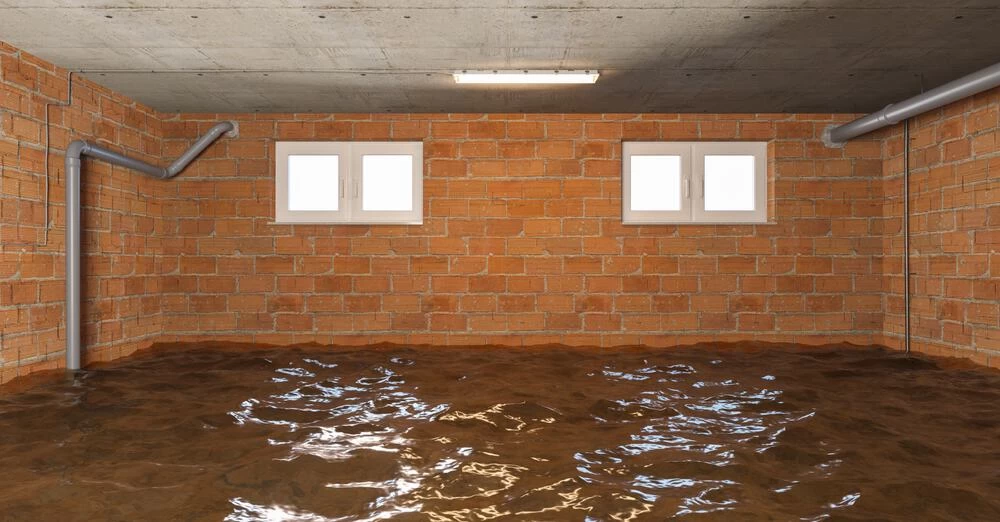
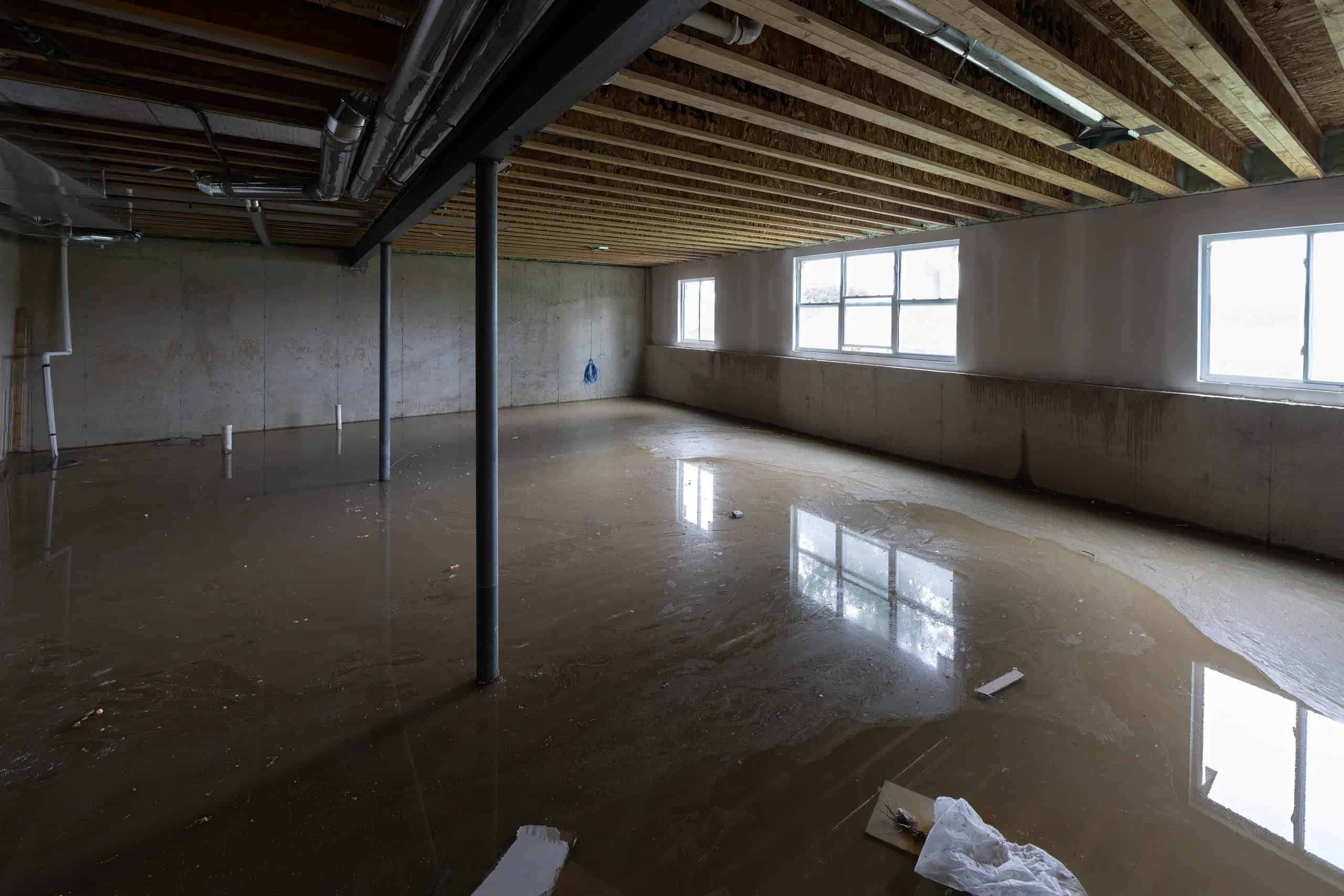
If you’re dealing with a flooded basement right now, you already know the feeling — the sinking realization that something is seriously wrong, and the immediate pressure to figure out what to do next. But here’s what most people don’t realize: in Nassau County, the problem is almost always bigger than it looks. The water you can see is only part of it. What’s already soaking into your walls, your framing, and your subfloor is the part that turns a cleanup job into a months-long headache.
This guide explains why Long Island basements flood the way they do, what real cleanup looks like, and how to avoid the mistakes that haunt homeowners long after the water is gone.
How to Fix a Flooded Basement the Right Way
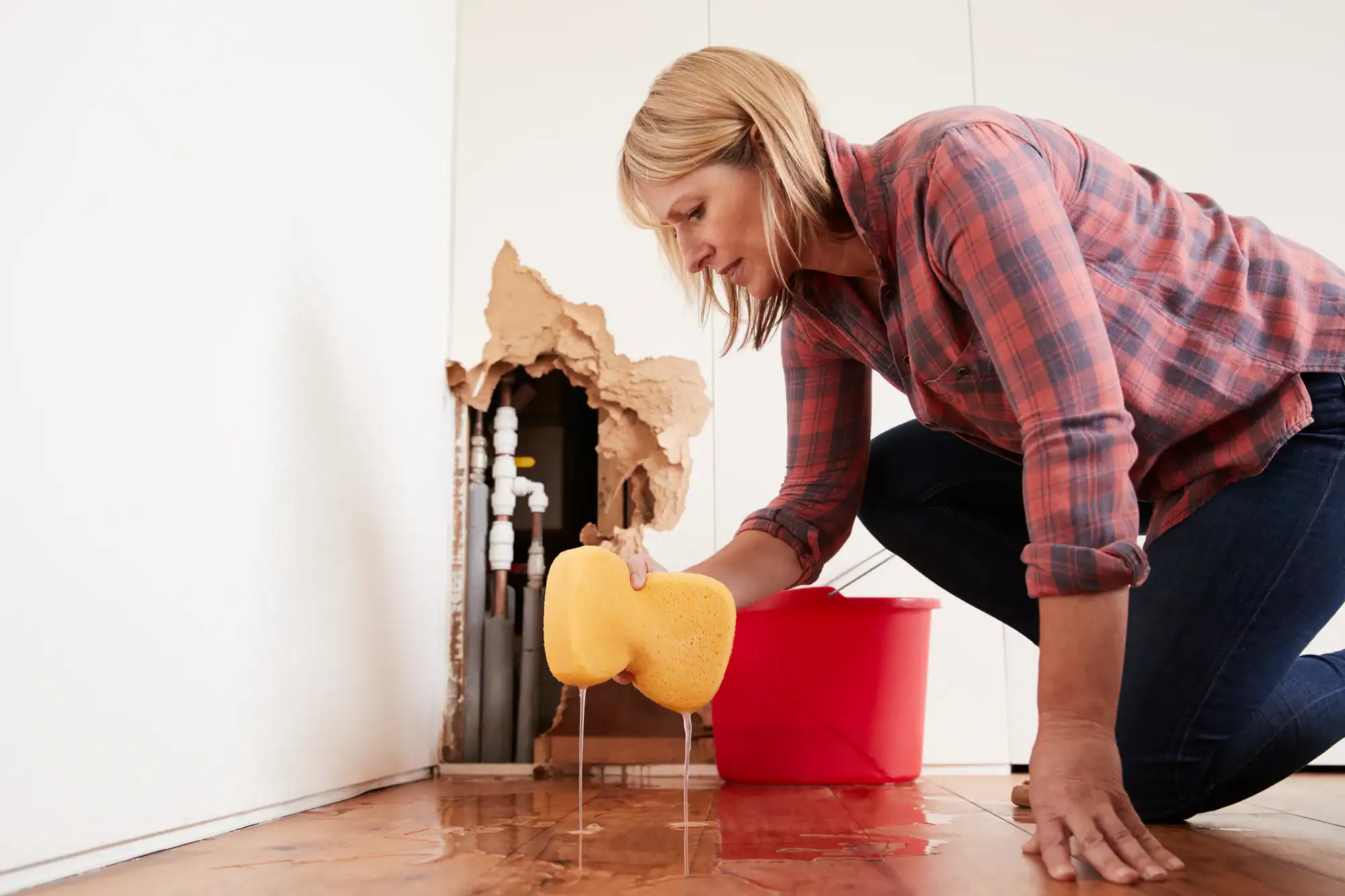
The instinct when you find water in your basement is to grab whatever you have — a wet vac, some towels, a box fan — and start moving. That’s understandable. But consumer-grade equipment and a few hours of effort can’t do what a flooded basement actually needs. The drying rates simply aren’t there.
Moisture that looks gone to the eye is still very much present inside your walls and under your flooring, and that’s where mold starts. Proper cleanup follows a documented process. It starts with moisture mapping — using thermal imaging cameras to locate water that’s migrated into cavities you can’t see. Then comes extraction, followed by structural drying with commercial-grade dehumidifiers and air movers that pull far more moisture per day than anything available at a hardware store.
Throughout that process, we take readings and log them — not as a formality, but because that documentation is what your insurance company needs to process your claim without a fight.
Water Damage on Long Island: Why the Clock Moves Faster Here
The EPA puts the mold window at 24 to 48 hours. That’s how long you have between water intrusion and the beginning of mold colonization — assuming conditions are average. In Nassau County in July and August, conditions are not average. Long Island’s summer humidity consistently runs above 70 percent, which compresses that window even further.
Moisture that might take two days to become a mold problem in a drier climate can become one faster here, especially in a below-grade space with limited airflow. This isn’t meant to alarm you — it’s just the reality of where you live.
Nassau County’s south shore communities sit in some of the most flood-prone geography on the East Coast. The canal belt running through Freeport, Oceanside, Baldwin, Merrick, Bellmore, Wantagh, Seaford, and Massapequa can experience flooding from multiple directions in a single storm event: surge pushing inland from the bay, canal water overflowing its banks, and groundwater rising through basement slabs all at once. Long Beach and Island Park, sitting on barrier island terrain, face the most direct storm surge exposure of any community in the county.
Even in central Nassau — Hempstead, Roosevelt, Uniondale — the flooding story is different but no less serious. There, it’s less about coastal surge and more about aging infrastructure, flat drainage grades, and a water table that sits close enough to the surface that heavy rain alone can push water through basement walls and floor joints. These homes weren’t built with vapor barriers. Many are still running original plumbing from the 1950s. The waterproofing, whatever existed originally, has long since degraded.
The point is that water damage on Long Island doesn’t behave like water damage in a newer home in a drier climate. The conditions here — the housing stock, the geography, the humidity — mean that what might be a minor issue elsewhere can escalate quickly. That’s why the first few hours after you discover a flooded basement matter more than most people realize.
What to Look for in a Flood Cleanup Company in Nassau County
Not every contractor who shows up after a storm can legally do what your Nassau County basement actually needs. That’s not a knock on anyone — it’s just a fact about New York State’s licensing requirements, which are stricter than most states in the country.
Mold remediation in New York requires a specific NYS Department of Labor Mold Remediation Contractor license. This is a legal requirement, not an optional credential. A general contractor without it cannot legally perform mold remediation work, and if they do it anyway, any damage they cause or miss is your problem, not theirs. The same applies to asbestos. Nassau County’s median home was built in 1955, which means the majority of the housing stock predates the widespread phase-out of asbestos-containing materials. Asbestos floor tiles, pipe insulation, and joint compound are common in these homes. Disturbing those materials without an NYS DOL Asbestos Handling License isn’t just a shortcut — it’s illegal, and it creates a liability that lands on you.
Then there’s lead paint. Any home built before 1978 is presumed to contain it, and disturbing lead-painted surfaces during a restoration project requires USEPA Lead/RRP Certification. In Nassau County, where most of the housing stock falls into that category, this isn’t an edge case — it’s the norm.
When you’re evaluating who to call, ask specifically about these licenses. Ask whether they hold a Nassau County General Contractor License for the rebuild work. Ask how they document the drying process for insurance purposes, and whether they communicate directly with your adjuster or leave that to you. The answers will tell you quickly whether you’re talking to a company that does this work properly or one that’s going to leave you with a cosmetically dry basement and a moisture problem that surfaces six weeks later.
We hold all of these credentials — the NYS DOL Mold license, the NYS DOL Asbestos license, the USEPA Lead/RRP certification, the IICRC Water Damage Restoration certification, and the Nassau County General Contractor License. We also hold active contracts with Nassau County directly, as well as multiple New York State agencies. That kind of institutional relationship isn’t something a contractor earns by making promises — it comes from a track record of doing the work correctly, on government facilities, under procurement requirements that don’t leave room for shortcuts.
Basement Flood Repair: From Cleanup Through Full Rebuild
Cleanup is step one. Once the water is extracted and the space is properly dried and documented, the repair phase begins — and this is where a lot of homeowners run into a problem they didn’t anticipate. The restoration company handled the water. Now they need a separate contractor for the mold remediation. Then another one for the drywall and flooring. Each handoff creates delays, disputes over what the previous crew left behind, and gaps in accountability that are genuinely difficult to resolve.
We handle the full scope in-house — from the first extraction through mold remediation, framing, drywall, flooring, and finishing. One team, one point of contact, no handoffs. For Nassau County homeowners, that also means all structural rebuild work is performed under our Nassau County General Contractor License, which means permitted work that passes inspection — not a patch job that creates complications when you sell.
Does Homeowners Insurance Cover a Flooded Basement in Nassau County?
This is the question almost everyone asks, and the answer is more complicated than most people expect — especially on Long Island. Standard homeowners policies do not cover flooding from external water sources. If a storm pushes water into your basement, or the water table rises and seeps through your slab, that’s flood damage — and it requires a separate flood insurance policy through the National Flood Insurance Program or a private carrier.
Many Nassau County homeowners in flood zones carry both a standard homeowners policy and a separate NFIP flood policy. That dual-policy situation creates a claims process that’s genuinely difficult to navigate on your own. The two policies cover different causes, different scopes, and different dollar amounts, and coordinating between them while also managing a restoration project is a lot to handle.
Water backup coverage is another piece that trips people up. Standard policies exclude damage from sewer backups and sump pump failures — which are among the most common causes of basement flooding during heavy storms across Nassau County. If you don’t have a water backup endorsement on your policy, that kind of damage may not be covered at all.
We handle insurance documentation and adjuster communication directly. That means we provide the moisture logs, thermal imaging records, and photographic documentation that adjusters need to process claims, and we communicate with them on your behalf so you’re not stuck translating between a restoration crew and an insurance company while also trying to live in your house. We also offer financing up to $200,000 at 0% APR through Enhancify for situations where coverage has gaps, deductibles are high, or the cause of flooding isn’t covered by your current policy.
What Happens If You Don't Fully Dry a Flooded Basement
This is the question most homeowners don’t think to ask until it’s too late. The visible water is gone. The floor feels dry. The walls look fine. And then six weeks later, there’s a smell. Or a stain. Or someone in the house starts having respiratory issues that didn’t exist before.
Moisture trapped behind drywall, under flooring, and inside framing doesn’t announce itself. It just sits there, in the dark, at the humidity levels that Nassau County summers reliably provide, and it grows. By the time mold becomes visible on a surface, it has typically been colonizing behind that surface for weeks. The surface mold is the symptom. The structure is the problem.
This failure mode is more common in Nassau County than most people realize, and part of the reason is Hurricane Sandy. Homes that were flooded in October 2012 and cosmetically repaired — water removed, surfaces dried to the eye, walls patched — without professional moisture mapping and structural drying are still presenting with chronic moisture problems and concealed mold more than a decade later. Restoration crews working in Freeport, Baldwin, Long Beach, and Massapequa regularly find Sandy-era water damage behind walls that was never properly treated. The homeowners often had no idea.
The only reliable way to know whether hidden moisture is present is thermal imaging and moisture testing. Visual inspection isn’t enough. A space that looks dry can still have moisture readings in framing and wall cavities that will produce mold within weeks. That’s why documentation matters — not just for insurance, but for your own confidence that the job was actually finished and not just the visible part of it.
We use thermal imaging cameras as a standard part of every inspection, not as an add-on. The drying logs and moisture readings we produce aren’t just paperwork — they’re the record that tells you the job was done to the standard it needed to be.
Getting Basement Flood Cleanup Right the First Time
Nassau County’s flooding problem is real, it’s structural, and it’s not going away. The housing stock is old, the water table is high, and the coastline is unforgiving. What you do in the first 48 hours after water enters your basement will determine whether this becomes a cleanup job or a months-long remediation project.
The most important thing you can take from this guide is that visible dry isn’t the same as actually dry — and that the contractor you call needs to be licensed for everything your Nassau County home is likely to contain, not just the easy parts. That means mold, asbestos, lead paint, and structural rebuild work, all under one roof and one point of accountability.
If you’re dealing with a flooded basement right now, or you want to understand your options before the next storm hits, Green Island Group is available 24/7 and can be on-site within an hour of your call.