Summary:
Finding a mold remediation company isn’t hard. Finding one you can actually trust — one that’s properly licensed, knows what they’re doing, and won’t disappear after cashing your check — that’s where it gets complicated. Nassau County homeowners are dealing with aging housing stock, coastal humidity, and a post-Sandy awareness that mold is never just a cosmetic issue. The stakes are real. So is the risk of hiring the wrong company. This page breaks down what reputable mold remediation actually looks like, how to verify it, and what separates a company worth calling from one worth avoiding.
What Makes a Reputable Mold Remediation Company in New York
Reputation in this industry isn’t built on a nice website or a five-star average. It’s built on verifiable credentials, documented processes, and the kind of track record that holds up when you actually check. In New York, there’s a concrete legal framework that defines the minimum standard — and a lot of companies operating in Nassau County don’t meet it.
The baseline is New York State’s Article 32 mold licensing law, which has been in effect since January 2016. Under this law, it is illegal for any company to perform mold remediation without a valid NYS Department of Labor mold contractor license. That’s not a technicality — it carries civil penalties. But in Nassau County specifically, state licensing is only half the requirement.
Nassau County's Dual-Licensing Requirement Most Homeowners Don't Know About
Here’s something that catches a lot of Nassau County homeowners off guard: the county has its own layer of environmental licensing on top of what New York State requires. Any contractor performing mold remediation work in Nassau County must hold an EHRP license — Environmental Hazard Remediation Provider — issued by the Nassau County Department of Health. The technicians doing the actual on-site work need EHRT credentials on top of that. Most companies advertising in Nassau County don’t hold both. Some don’t hold either.
This dual-licensing structure exists for a reason. Nassau County’s coastal geography, aging housing stock, and history with storm flooding — particularly after Hurricane Sandy in 2012 — created a level of environmental hazard exposure that the county decided needed its own oversight. The South Shore communities hit hardest by Sandy, places like Long Beach, Freeport, Oceanside, and Baldwin, saw widespread mold infestations that took years to fully address. The licensing requirements that followed were a direct response to the contractors who showed up unprepared, unlicensed, and in some cases made things worse.
When you’re vetting a company, ask directly: do you hold a current NYS DOL mold contractor license and a Nassau County EHRP license? Both should be verifiable. If a company hesitates or can’t produce documentation, that’s your answer.
Beyond licensing, look for IICRC certification — specifically the AMRT (Applied Microbial Remediation Technician) designation, which requires 28 hours of classroom training and a proctored exam. It’s the industry’s gold standard for mold remediation competency, and it tells you the people doing the work have been trained to an objective standard, not just on the job.
One more thing worth knowing: under New York State law, the same company cannot legally perform both the mold assessment and the remediation on the same property. It’s a conflict of interest the law specifically prohibits. If a company offers to inspect your home and then immediately quote you for the work, that’s not just a red flag — it may be a violation of Article 32.
Red Flags to Watch for When Choosing a Mold Remediation Company
The mold remediation industry has a documented problem with bad actors. A well-known investigation found that five out of eight companies called to a home with no mold diagnosed “black mold” anyway. That kind of dishonesty isn’t rare, and Nassau County homeowners — with high-value properties and real urgency — are a target for it.
The most common red flag is pressure. A company that insists you need to sign a contract today, that the situation is more dangerous than it looks, or that gives you a verbal estimate with no written scope is worth walking away from. We provide a written remediation plan before any work begins. That’s not a courtesy — under New York State law, a licensed mold assessor is required to produce one.
Watch out for companies that use bleach as their primary treatment method. Bleach penetrates roughly one-sixteenth of an inch, which means it handles surface appearance but leaves the underlying structure untreated. It doesn’t work on porous materials like drywall or wood framing, and it does nothing to address the moisture source driving the growth. Any company that leads with bleach is telling you something important about their process.
Another red flag is a company that can’t tell you what happens after the job is done. Post-remediation clearance testing — conducted by an independent assessor, not the same company that did the work — is how you verify the job was actually completed successfully. If a company doesn’t mention this step, or actively discourages it, walk away.
Finally, ask about insurance. Liability coverage and workers’ compensation are non-negotiable. An uninsured crew working in your home means you’re potentially liable if someone gets hurt. It’s a simple question with a simple answer — and any company worth hiring will have documentation ready.
How to Evaluate Local Mold Remediation Companies in Nassau County
Once you’ve confirmed the basics — licensing, insurance, written process — the next step is understanding whether a company is actually equipped to handle your specific situation. Not every mold job is the same, and Nassau County properties in particular tend to present complications that generic mold-only companies aren’t built for.
The county’s housing stock skews heavily toward post-WWII construction. Many homes in Garden City, Rockville Centre, Valley Stream, and along the LIRR corridor were built in the 1940s through 1960s, which means finished basements, aging plumbing, and in many cases, asbestos-containing materials in walls, floors, and ceilings. When mold remediation requires opening up those areas, you need a contractor who can handle both hazards — not one who stops work when they find something unexpected.
Questions to Ask Before Hiring a Local Mold Remediation Company
The questions you ask before hiring matter more than the reviews you read afterward. Most homeowners ask about price first. That’s understandable, but it’s the wrong starting point. Price without context — scope, process, timeline, and what’s included — tells you almost nothing.
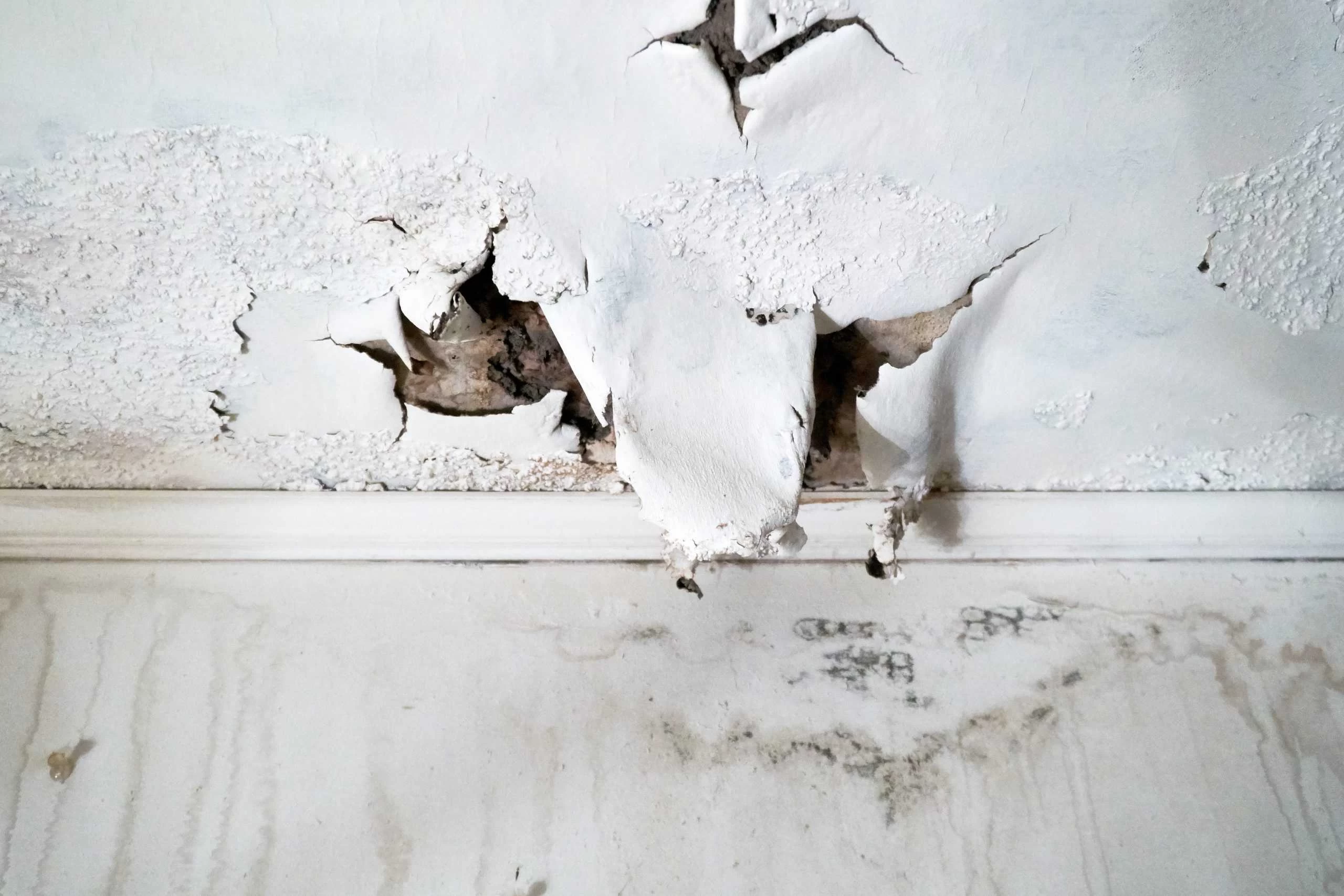
Start by asking how they identify the moisture source. Mold is always a symptom of a moisture problem, and any remediation that doesn’t address the source will fail. A good company uses thermal imaging cameras and moisture meters to map the full extent of the problem, including areas behind walls and under flooring where mold is invisible to the eye. If a company quotes you based on a visual walkthrough alone, they’re guessing.
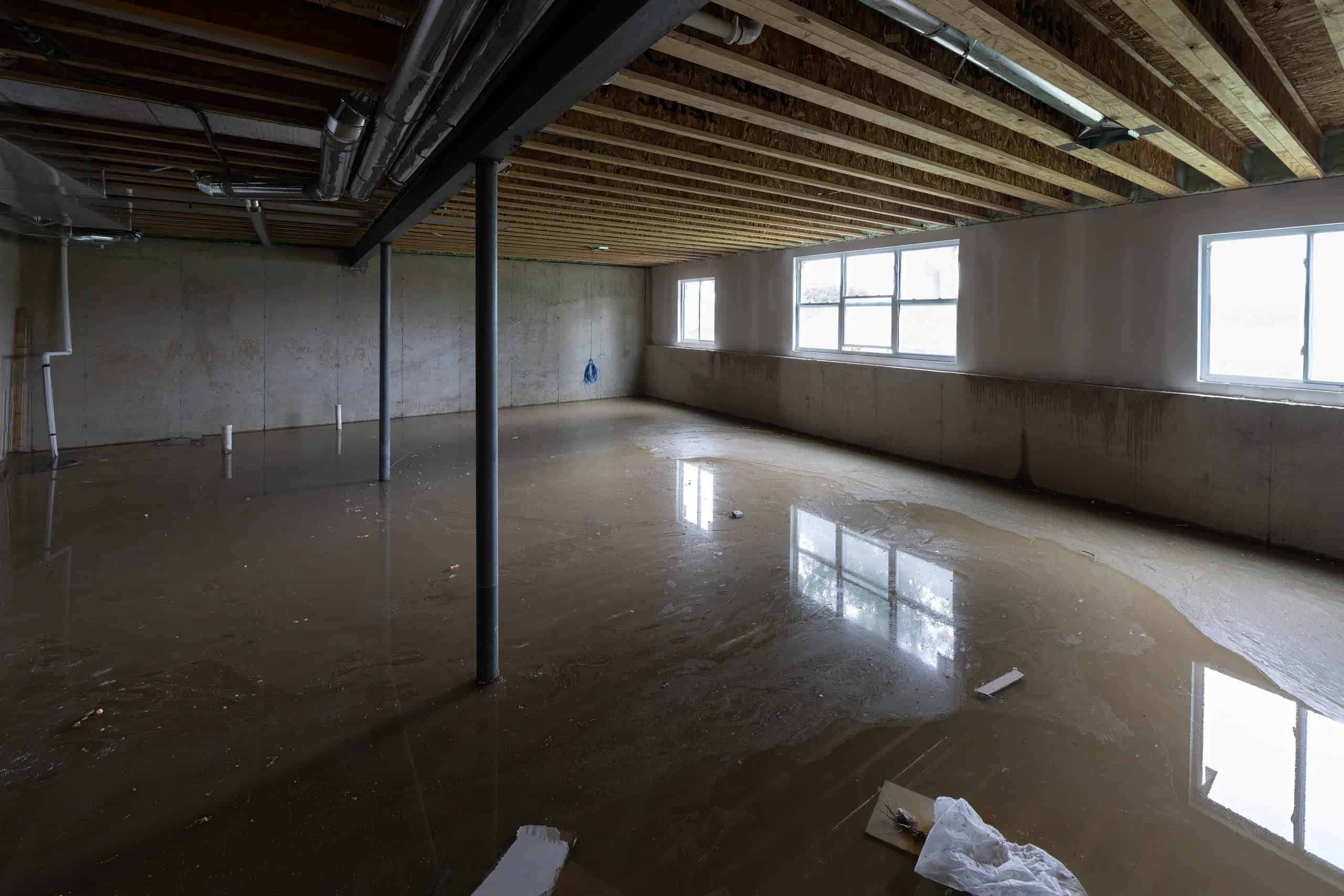
Ask whether they handle water damage restoration as well. In Nassau County, where storm events and flooding are recurring concerns — especially in low-lying South Shore communities near the water table — mold and water damage almost always go together. A company that only remediates mold leaves you hiring a second contractor for the structural drying and repairs. That creates gaps in accountability and often extends the timeline significantly.
Ask about their experience with insurance claims. Many Nassau County homeowners don’t realize that mold resulting from a covered water damage event — a burst pipe, storm flooding, an appliance failure — may be covered by their homeowner’s policy. But navigating that claim requires documentation, communication with adjusters, and knowledge of what insurers need to process it. We handle that process on your behalf, which means you get the documentation you need and clear communication with your adjuster.
Finally, ask for references from jobs in Nassau County specifically. A company that has worked extensively in the area will understand the local housing stock, the regulatory environment, and the particular challenges that come with coastal humidity and aging infrastructure. That local depth matters.
What a Commercial Mold Remediation Company Needs to Handle Differently
Commercial mold remediation is a different animal from residential work, and not every company is equipped for it. If you’re managing a commercial property, an office building, a retail space, or a municipal facility in Nassau County, the stakes are higher — and so are the requirements.
The scale alone changes the equation. Commercial remediation events average between $15,000 and $30,000, and larger properties can run well beyond that. The liability exposure is greater too. A business that remains partially operational during remediation needs containment protocols that are more rigorous than what a residential job requires. Employees, customers, and tenants can’t be exposed to airborne spores during the process, which means the containment setup, negative air pressure systems, and HEPA filtration all need to be sized and managed at a commercial level.
There’s also the matter of regulatory compliance. Commercial properties in Nassau County are subject to the same NYS Article 32 requirements and Nassau County EHRP licensing rules as residential work — but the documentation requirements, the scale of the remediation plan, and the post-clearance testing process are more involved. A contractor who primarily does residential work may not have the systems, staffing, or insurance coverage to handle a commercial job properly.
Government and institutional buildings add another layer. Contractors working on state or municipal properties in New York need to meet additional vetting requirements. The NYS Office of General Services, for example, maintains an approved contractor list — and getting on that list requires proof of licensing, insurance, financial stability, and compliance history. We’ve already passed that level of scrutiny, which means we’re equipped to work on state and municipal properties. For a commercial property owner or facilities manager evaluating contractors, that kind of institutional approval is a meaningful differentiator.
If you’re dealing with a commercial mold situation in Nassau County, the most important question isn’t just “can they do the job” — it’s “are they actually set up to do this kind of job.” The answer requires looking at licensing, insurance limits, staffing, equipment capacity, and documented experience with commercial-scale projects.
Choosing the Right Mold Remediation Company in Nassau County
The short version: verify licenses at both the state and county level, get everything in writing, make sure the moisture source is part of the plan, and don’t let anyone do both the assessment and the remediation. Those four things alone will eliminate most of the bad options.
Nassau County’s combination of coastal humidity, aging homes, and strict dual-licensing requirements makes it a market where cutting corners has real consequences — for your health, your property value, and your legal standing if you ever need to sell. With a median home value of $684,700, the financial argument for getting this right the first time is straightforward.
We’ve completed over 5,000 projects across Nassau County, handling mold, water damage, and structural repairs under one roof. We’re available around the clock, and we’re familiar with every corner of the county — from the South Shore communities to the North Shore and everything in between. If you need mold remediation in Nassau County, we offer financing options that make the cost manageable.