Summary:
Most Common Water Damage Causes in Oceanside NY
Oceanside homeowners face a perfect storm of water damage risks. Your coastal location brings unique challenges that require different preparation than typical suburban flooding.
Storm surge tops the list during hurricane season and nor’easters. When high winds push ocean water inland, it can overwhelm drainage systems and flood streets within hours. Heavy rainfall compounds the problem, especially when it coincides with high tide cycles.
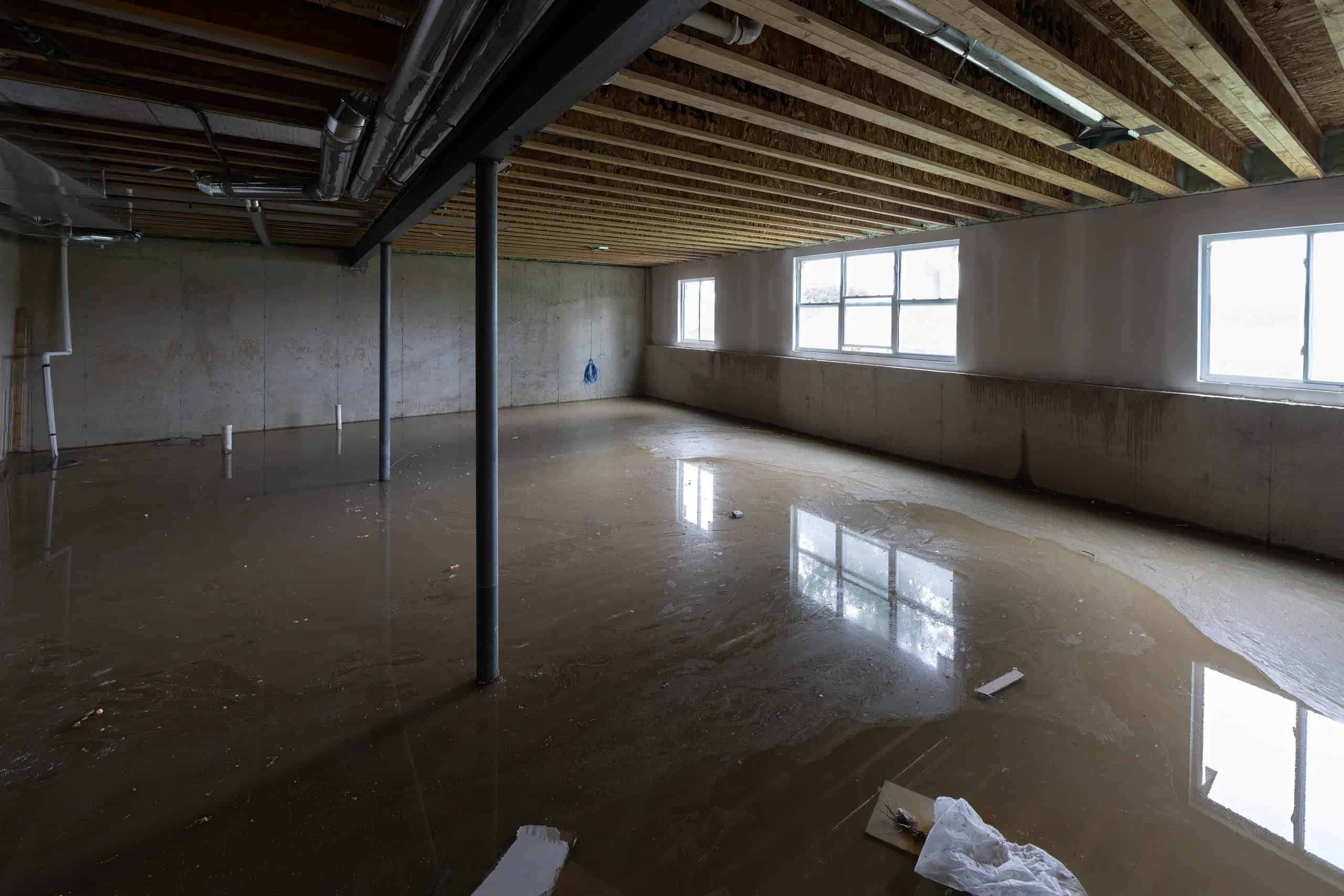
The area’s aging infrastructure creates additional vulnerabilities. Many homes have older plumbing systems prone to sudden failures, while the high water table makes basements particularly susceptible to groundwater intrusion even during moderate rain events.
Why Sump Pumps Fail When You Need Them Most
Your sump pump is your basement’s first line of defense, but these systems fail more often than homeowners realize. Power outages during storms render most pumps useless right when you need them most. Without electricity, even the best pump becomes dead weight in your basement.
Mechanical failures happen gradually, then suddenly. Float switches stick or break, discharge pipes clog with debris, and pump motors burn out from overuse during heavy rain periods. The average sump pump lasts only seven years, but poor maintenance can cut that lifespan in half.
Many homeowners discover their pump problems too late. A pump that worked fine last spring might fail during the first major storm of the season. Regular testing is essential, but most people never think to check their system until water starts rising.
Installation issues create hidden vulnerabilities. Pumps placed on uneven surfaces, incorrect discharge line connections, or inadequate basin sizing can all lead to failure when water levels spike. Even properly installed systems can be overwhelmed if they’re undersized for your home’s specific drainage needs.
The discharge location matters more than most realize. If your pump dumps water too close to your foundation, you’re essentially recycling the same water back into your basement. Proper discharge should direct water at least 10-20 feet away from your home, preferably where natural grading carries it further from your property.
Storm Surge and Coastal Flooding Patterns
Oceanside’s geography makes it particularly vulnerable to storm surge flooding. The community sits along the South Shore of Nassau County, where barrier islands provide some protection but can’t stop all storm-driven water from reaching inland areas.
High tide timing amplifies flood risks dramatically. When storms coincide with high tide cycles, even moderate weather events can cause significant flooding. Local residents report dealing with flood conditions “two or three times a year” during particularly high tides, and that’s without major storm activity.
The Nautical Mile and surrounding low-lying areas flood regularly, sometimes under two feet of water that makes streets impassable. Saltwater intrusion during these events creates additional challenges beyond typical freshwater flooding, requiring different cleanup approaches to prevent long-term damage to building materials and systems.
Nassau County’s commercial development has reduced the land’s natural ability to absorb water. Combined with abundant canals and inlets throughout the area, this creates a landscape where water has limited options for natural drainage during heavy rain or storm surge events.
Climate patterns suggest these challenges will intensify. Sea level rise and changing storm patterns mean today’s “moderate” flooding events may become tomorrow’s major disasters. Understanding your property’s specific flood risk and elevation relative to local waterways helps you prepare more effectively for both routine high-tide flooding and major storm events.
Emergency Response Steps Every Oceanside Homeowner Should Know
When water starts entering your home, the first few minutes determine how much damage you’ll face. Having a clear action plan eliminates the panic that leads to costly mistakes.
Safety comes first, always. Never enter flooded areas where electrical outlets, appliances, or your breaker box might be submerged. Water and electricity create deadly combinations that claim lives every year during flood events.
Document everything before you start cleanup. Take photos and videos of the water source, damage to floors and walls, and any affected belongings. This documentation proves crucial for insurance claims and helps restoration professionals understand the full scope of damage.
Immediate Safety and Utility Shutdown Procedures
Your first priority is cutting off utilities safely. If you can reach your main electrical panel without entering wet areas, shut off power to affected zones immediately. When in doubt, contact your utility company or an electrician rather than risk electrocution.
Water shutoff locations vary by home design, but most main valves are in basements, utility areas, or near water heaters. In warmer climates, the valve might be outside on an exterior wall or in a ground box near the street. Knowing these locations before an emergency saves critical time when every minute counts.
Gas shutoffs require special attention if your water heater is leaking. Turn the gas supply valve to the “off” position, typically located near the base of the tank. For electric water heaters, shut off power at the breaker panel to prevent damage and safety hazards.
Never attempt utility shutoffs if they require entering standing water or wet areas. Your safety is more important than preventing additional property damage. Professional emergency responders have proper equipment and training to handle these situations safely.
Create a family emergency plan that includes utility shutoff locations, emergency contact numbers, and evacuation routes. Practice these procedures during calm weather so everyone knows their role when stress levels are high during an actual emergency.
Our Professional Water Damage Restoration Process
We follow systematic approaches that homeowners can’t replicate with household equipment. Our process starts with comprehensive damage assessment using moisture detection equipment that identifies hidden water behind walls and under floors.
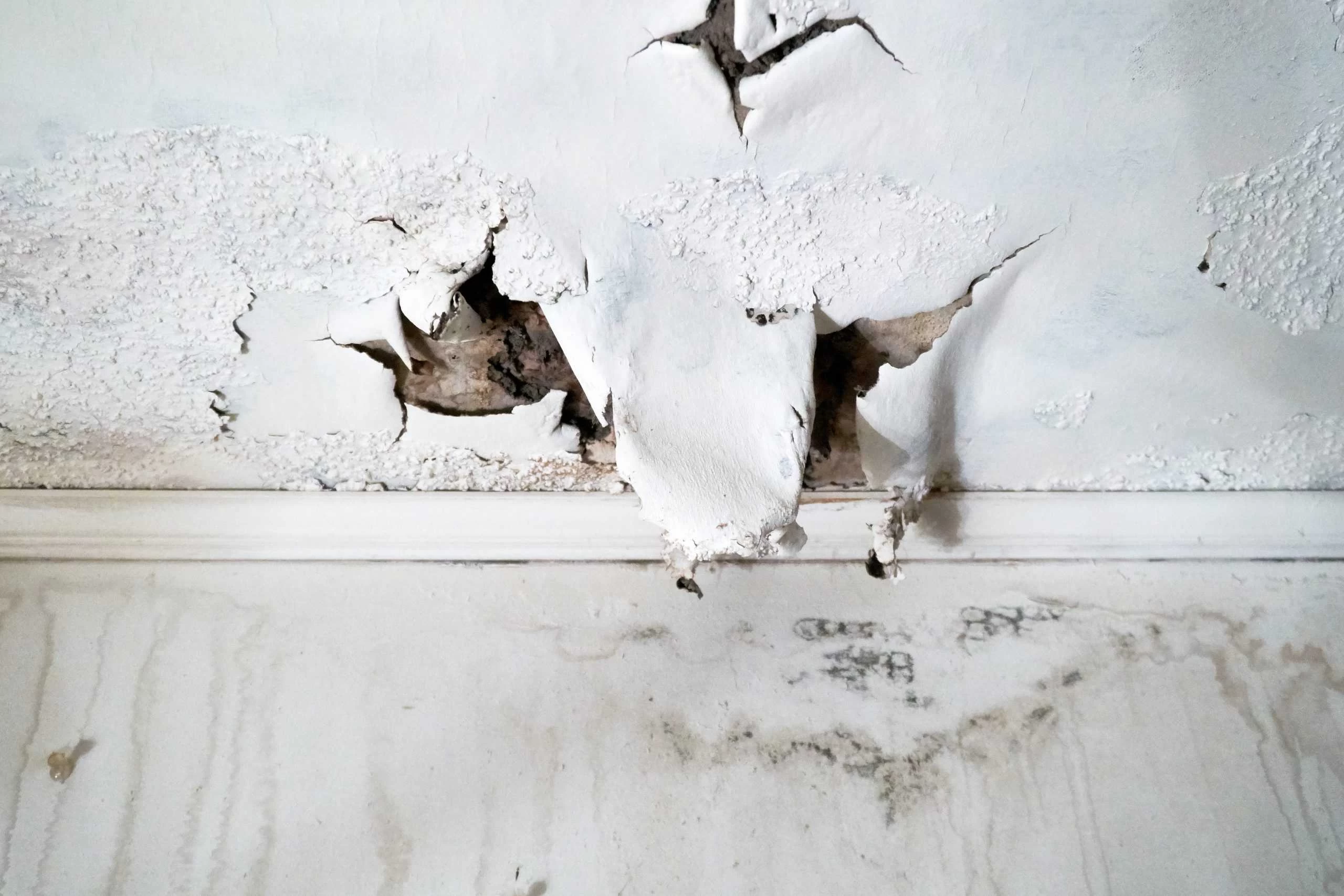
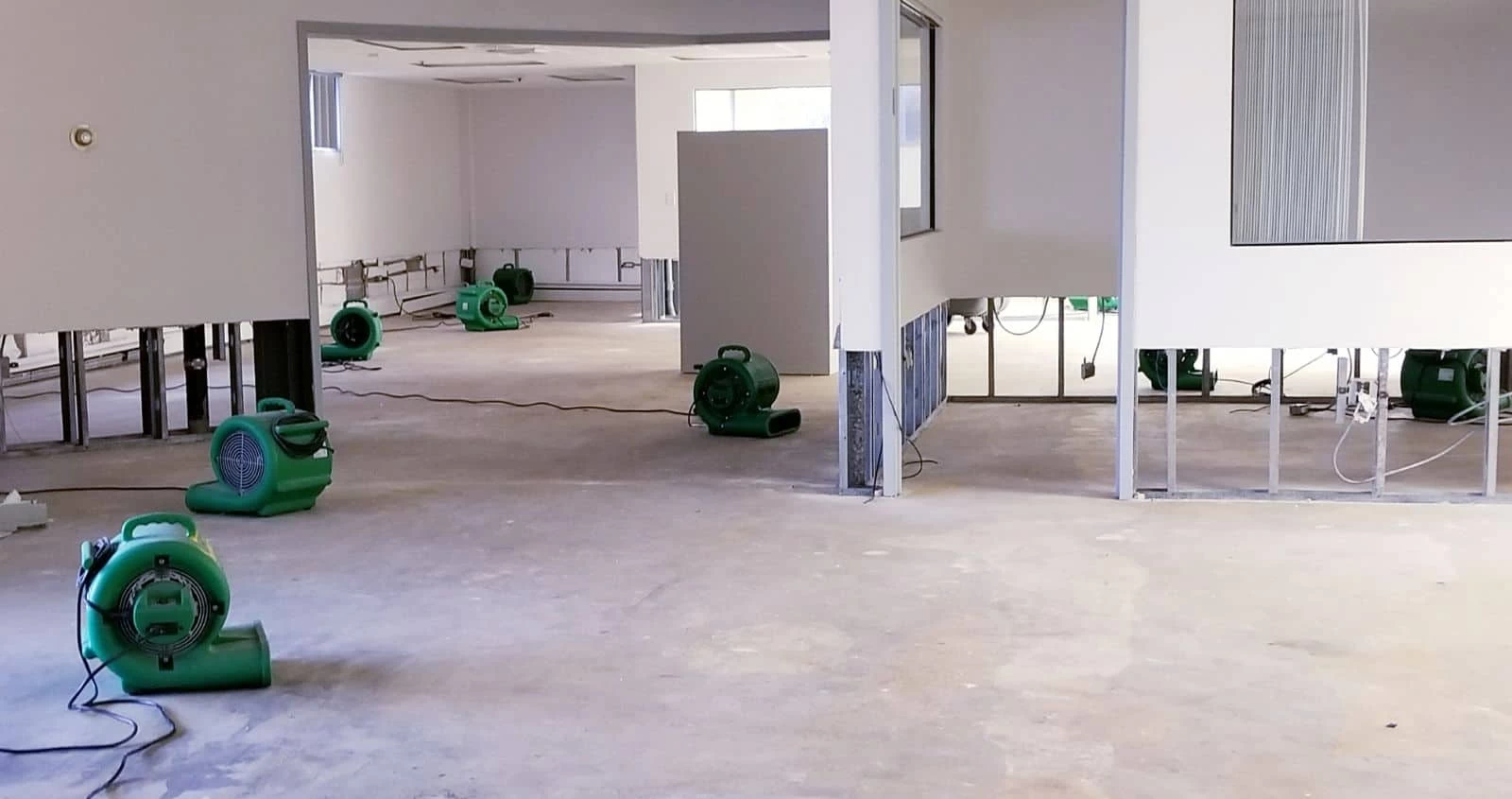
Water extraction comes next, using powerful pumps and specialized vacuums designed for flood cleanup. Industrial-grade dehumidifiers and air movers then begin structural drying, which prevents mold growth that can start within 24-48 hours of water exposure.
Moisture monitoring continues throughout the drying process. Our technicians use meters to ensure all affected materials reach proper dryness levels before restoration work begins. This scientific approach prevents future problems that DIY methods often miss.
Sanitization and antimicrobial treatments address health concerns, especially important with coastal flooding where saltwater and potential sewage contamination create additional risks. We use professional-grade products and application methods to ensure thorough treatment of all affected surfaces.
The restoration phase rebuilds damaged structures using materials and methods that meet current building codes. This might include replacing drywall, flooring, insulation, and other materials that can’t be properly cleaned and dried. Throughout the process, we document everything for insurance purposes, including photos, moisture readings, and detailed repair lists.
Insurance coordination is often the most valuable service we provide. We understand policy language, know what documentation insurers require, and can often bill directly to reduce your out-of-pocket expenses during an already stressful time.
Protecting Your Oceanside Home from Water Damage
Water damage in Oceanside isn’t just a possibility—it’s a reality every homeowner faces. From storm surge and high tides to sump pump failures and aging infrastructure, your coastal location brings unique challenges that require preparation and quick response.
The key is having a plan before you need it. Know your utility shutoff locations, keep emergency supplies accessible, and understand when to call professionals versus attempting DIY solutions. Most importantly, don’t wait until water is rising to think about these issues.
When water damage does occur, time is your enemy. Mold growth, structural damage, and insurance complications all worsen with delay. We understand the local challenges Oceanside homeowners face and can respond quickly with the right equipment and expertise to minimize damage and get your life back to normal.