Summary:
What to Do Immediately After Water Damage Strikes Your Home
The first few hours after water damage determine everything. Your safety comes first, then protecting your property. Don’t panic, but do move fast.
Start by ensuring everyone’s safety. If there’s standing water near electrical outlets or appliances, shut off the power at the main breaker before entering the area. Never walk through standing water if electricity could be involved.
Once it’s safe, document everything. Take photos and videos of all damaged areas, furniture, and belongings before moving anything. Your insurance company will need this evidence, and it could mean the difference between a smooth claim and a headache that lasts months.
How to Stop Water Damage From Getting Worse
Every minute counts when water is actively damaging your home. The longer water sits, the deeper it penetrates into walls, flooring, and furniture.
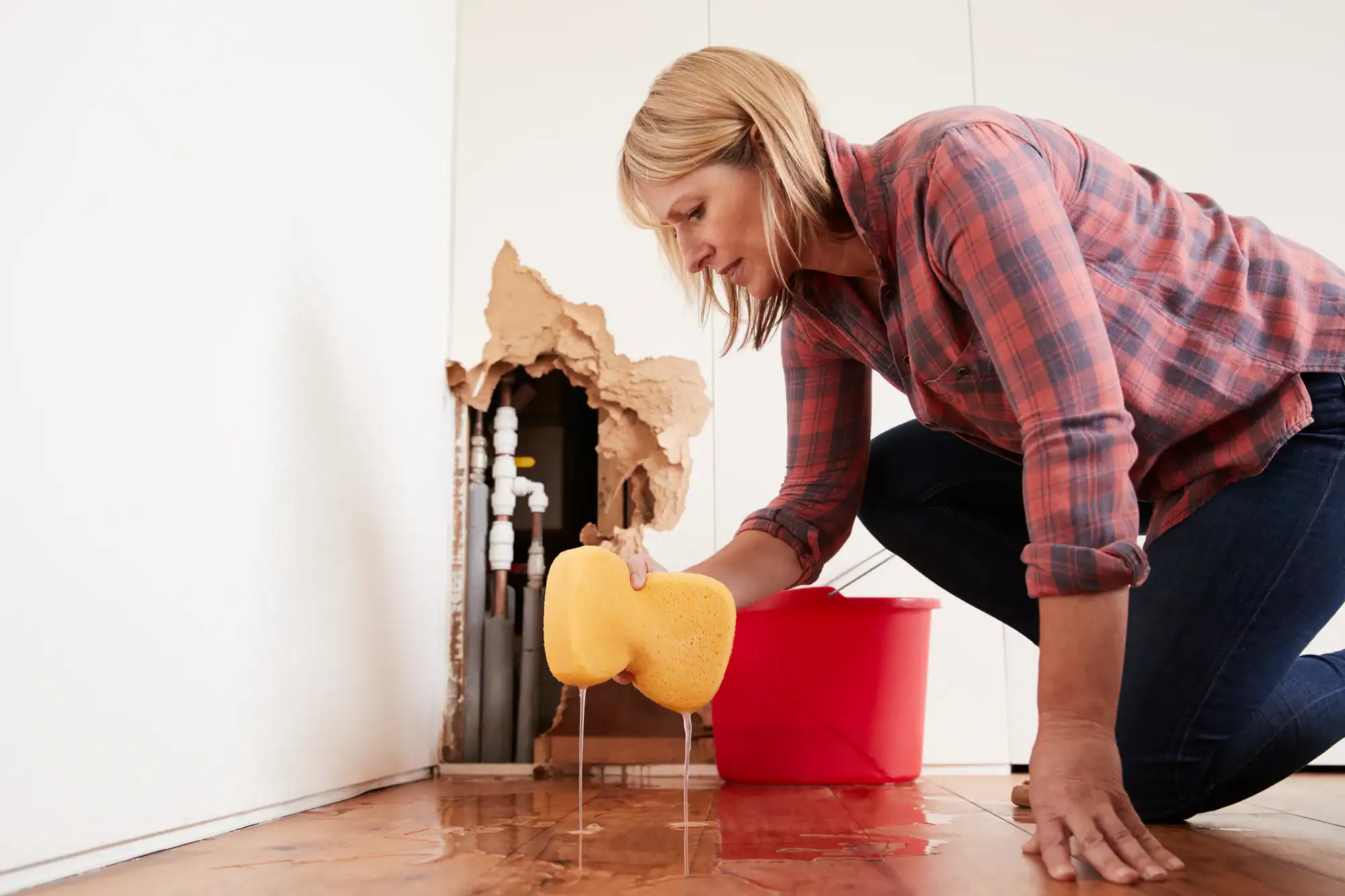
If you can safely access the water source, shut it off immediately. For burst pipes, locate your main water shutoff valve—usually near where the water line enters your house. If flooding is coming from outside, there’s not much you can do about the source, but you can still limit damage inside.
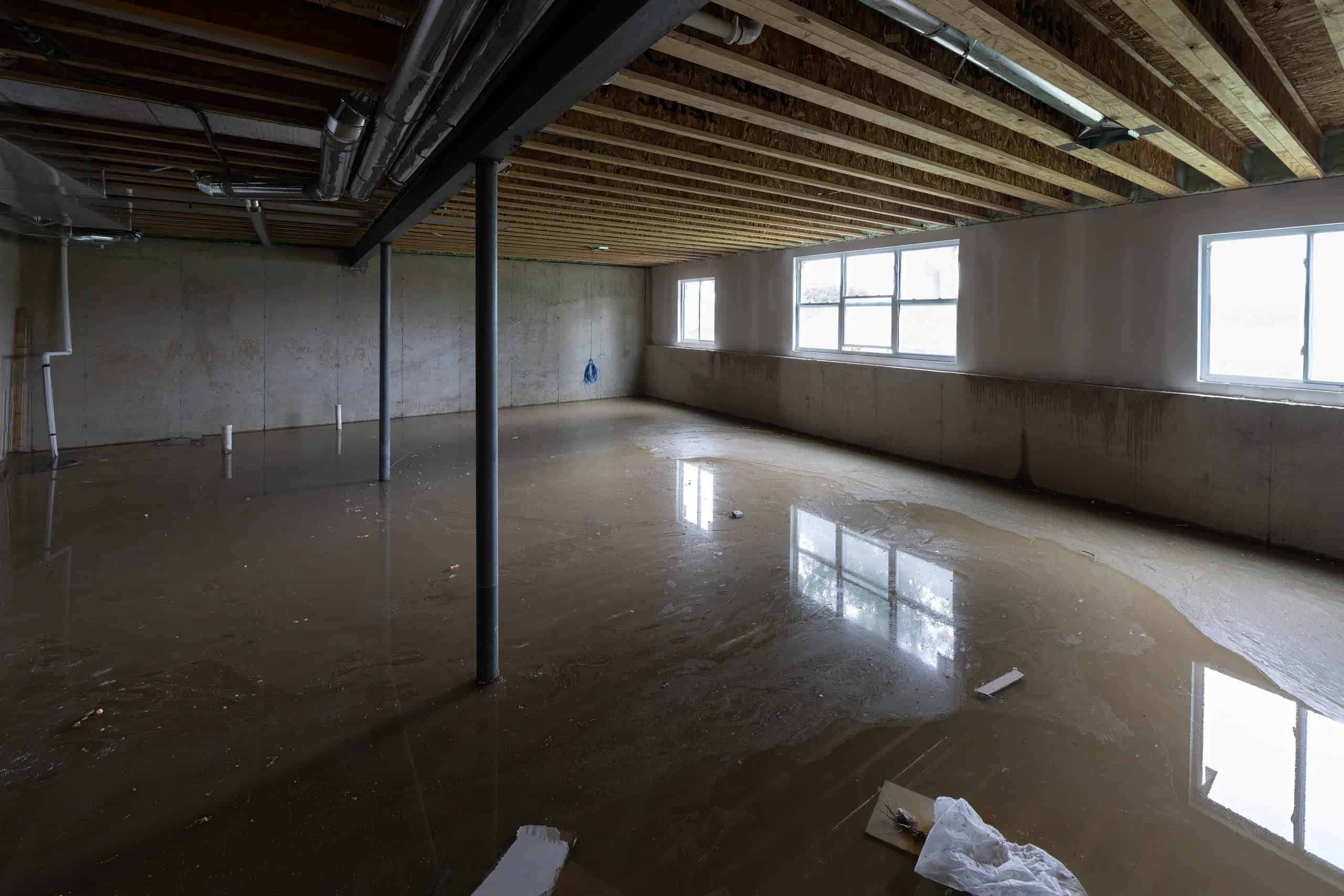
Remove standing water if possible, but only if it’s safe to do so. Small amounts can be mopped up or removed with a wet vacuum. For larger amounts, you’ll need professional equipment. Don’t use a regular vacuum cleaner on wet areas—it’s dangerous and will damage the machine.
Move furniture and belongings to dry areas. Lift furniture legs onto blocks or aluminum foil to prevent further water absorption. Remove wet rugs, curtains, and any items that can be saved. The faster you get belongings away from moisture, the more you can salvage.
Open windows and doors if weather permits to increase air circulation. Set up fans if you have them, but keep electrical equipment away from wet areas. Good airflow helps prevent mold growth and speeds the initial drying process.
Why You Need Professional Help Within 24-48 Hours
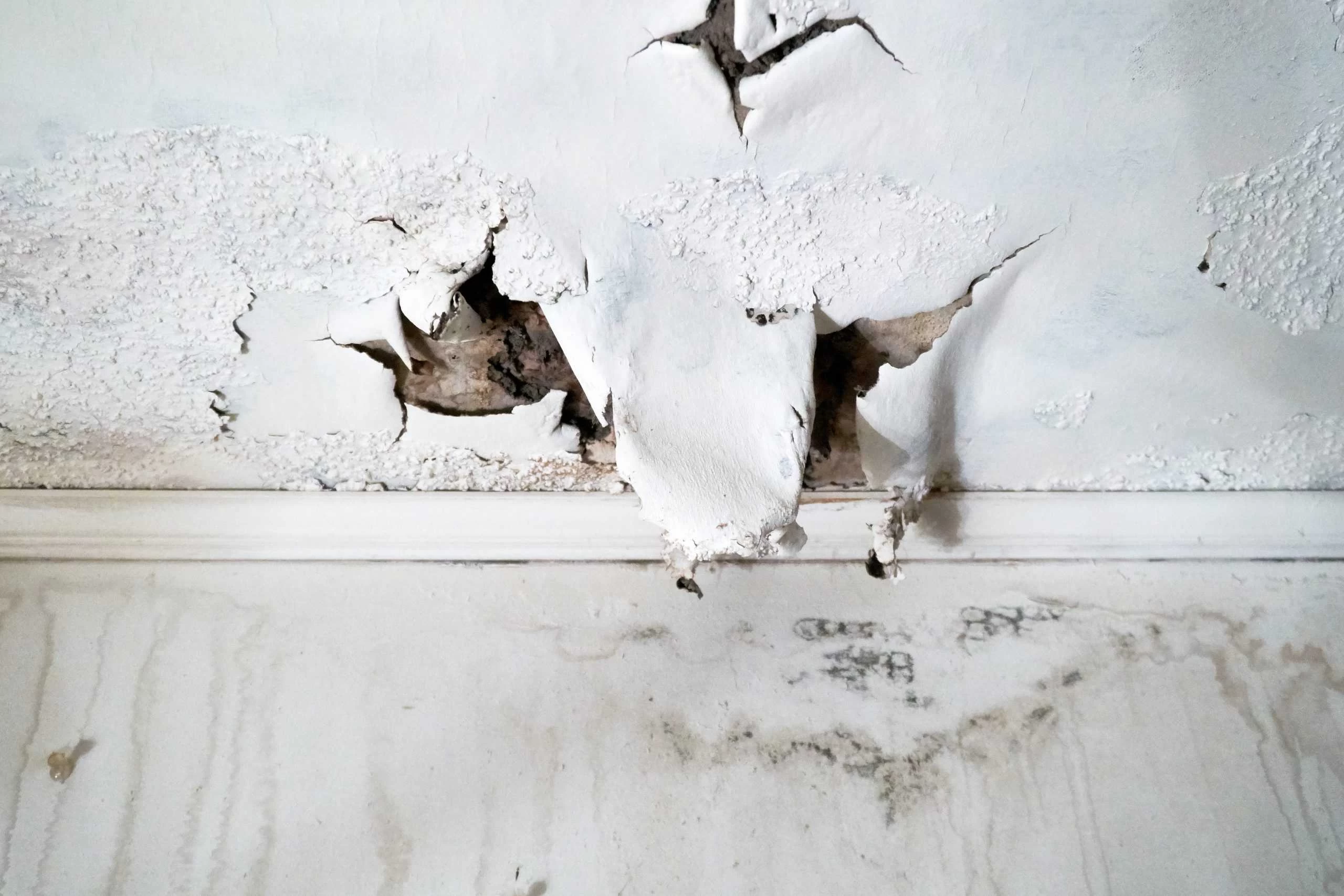
Here’s what most homeowners don’t realize: the clock is ticking on something much worse than water damage. Mold can start growing within 24 to 48 hours in the right conditions. Once mold takes hold, you’re looking at a much bigger, more expensive problem.
Professional water damage restoration companies like us have industrial-grade equipment that removes moisture from places you can’t even see. Hidden moisture in wall cavities, under flooring, and in insulation creates the perfect environment for mold growth. Regular fans and dehumidifiers from the hardware store simply aren’t powerful enough to handle serious water damage.
Nassau and Suffolk County homes face unique challenges that make professional help even more critical. The high humidity levels, especially during summer months, accelerate mold growth. Salt air from coastal areas can complicate drying and cause additional corrosion issues. Many Long Island homes have basements that are naturally prone to moisture problems.
Professional restoration teams also understand the insurance process. We document everything properly, communicate directly with adjusters, and know what evidence insurance companies need to approve claims quickly. This can save you weeks of back-and-forth with your insurance company.
The cost of waiting often exceeds the cost of immediate professional help. What starts as water extraction and drying can turn into mold remediation, structural repairs, and complete reconstruction if you delay. Professional teams can often prevent secondary damage that would cost thousands more to fix later.
How Professional Water Damage Restoration Actually Works
Professional water damage restoration follows a proven process that most homeowners never see. Understanding these steps helps you know what to expect and why each phase matters.
The process starts with a complete assessment. Technicians use moisture meters, thermal imaging cameras, and other specialized tools to find all the water—including moisture you can’t see. This step determines the scope of work and prevents surprises later.
Next comes water extraction using powerful pumps and truck-mounted vacuums that remove thousands of gallons per hour. Then begins the critical drying phase using industrial dehumidifiers and air movers strategically placed throughout your home.
Water Extraction and Moisture Detection Technology
Professional water extraction goes far beyond what any homeowner can accomplish with household equipment. Truck-mounted extractors can remove hundreds of gallons per minute, while portable units handle areas vehicles can’t reach.
Moisture detection technology finds water damage you’d never discover on your own. Thermal imaging cameras show temperature differences that reveal moisture behind walls and under flooring. Moisture meters measure the exact water content in different materials, helping technicians know when everything is truly dry.
This technology is especially important in Long Island homes where water can travel through older construction methods and settle in unexpected places. Many Nassau County homes built decades ago have unique architectural features that can trap moisture in hard-to-reach spaces.
Professional teams also understand how different materials absorb and release moisture. Hardwood floors, drywall, insulation, and carpeting all have different drying requirements. What works for one material can damage another, so proper assessment prevents costly mistakes.
The extraction phase removes the obvious water, but the real work happens during the drying phase. Even after visible water is gone, materials can retain enough moisture to cause problems later. Professional equipment monitors humidity levels and adjusts automatically to create optimal drying conditions.
Drying, Dehumidification, and Mold Prevention Process
The drying phase is where professional restoration really shows its value. Industrial dehumidifiers remove moisture from the air while air movers create airflow patterns that accelerate evaporation from wet materials.
This isn’t random fan placement. Restoration professionals understand psychrometry—the science of air and moisture interaction. We calculate exactly how many air movers and dehumidifiers are needed based on the size of affected areas, types of materials involved, and current humidity levels.
Mold prevention starts immediately, not after everything is dry. Antimicrobial treatments applied during the drying process prevent mold spores from taking hold. This is especially critical in Long Island’s humid climate where mold can establish itself quickly.
We monitor the drying process continuously using data loggers that track temperature and humidity levels 24/7. We adjust equipment placement and settings based on real-time data, ensuring optimal drying conditions around the clock.
The process typically takes 3-5 days for most residential water damage, but can vary based on the extent of damage and materials involved. Rushing this phase to save time often leads to problems later, so we follow established protocols regardless of pressure to finish quickly.
We also address air quality during the drying process. HEPA air scrubbers remove airborne contaminants and improve indoor air quality while drying equipment operates. This protects your family’s health during the restoration process.
Getting Your Nassau County Home Back to Normal
Water damage feels overwhelming when it first happens, but the right response makes all the difference. Acting quickly, documenting everything, and calling professionals within the first 24-48 hours protects both your property and your family’s health.
Remember that every hour you wait increases the risk of mold growth and secondary damage. What seems like a manageable problem can quickly become a major reconstruction project without proper intervention.
We have helped thousands of Nassau and Suffolk County homeowners through water damage emergencies, from small pipe leaks to major flood events. Our 24/7 response team understands the unique challenges Long Island homes face and has the experience to restore your property quickly and completely.