Summary:
Emergency Restoration Services: First Response That Prevents Further Damage
The first 24-48 hours after property damage determine whether you face a manageable restoration or a complete reconstruction project. Emergency restoration services stop ongoing damage while creating conditions for successful recovery.
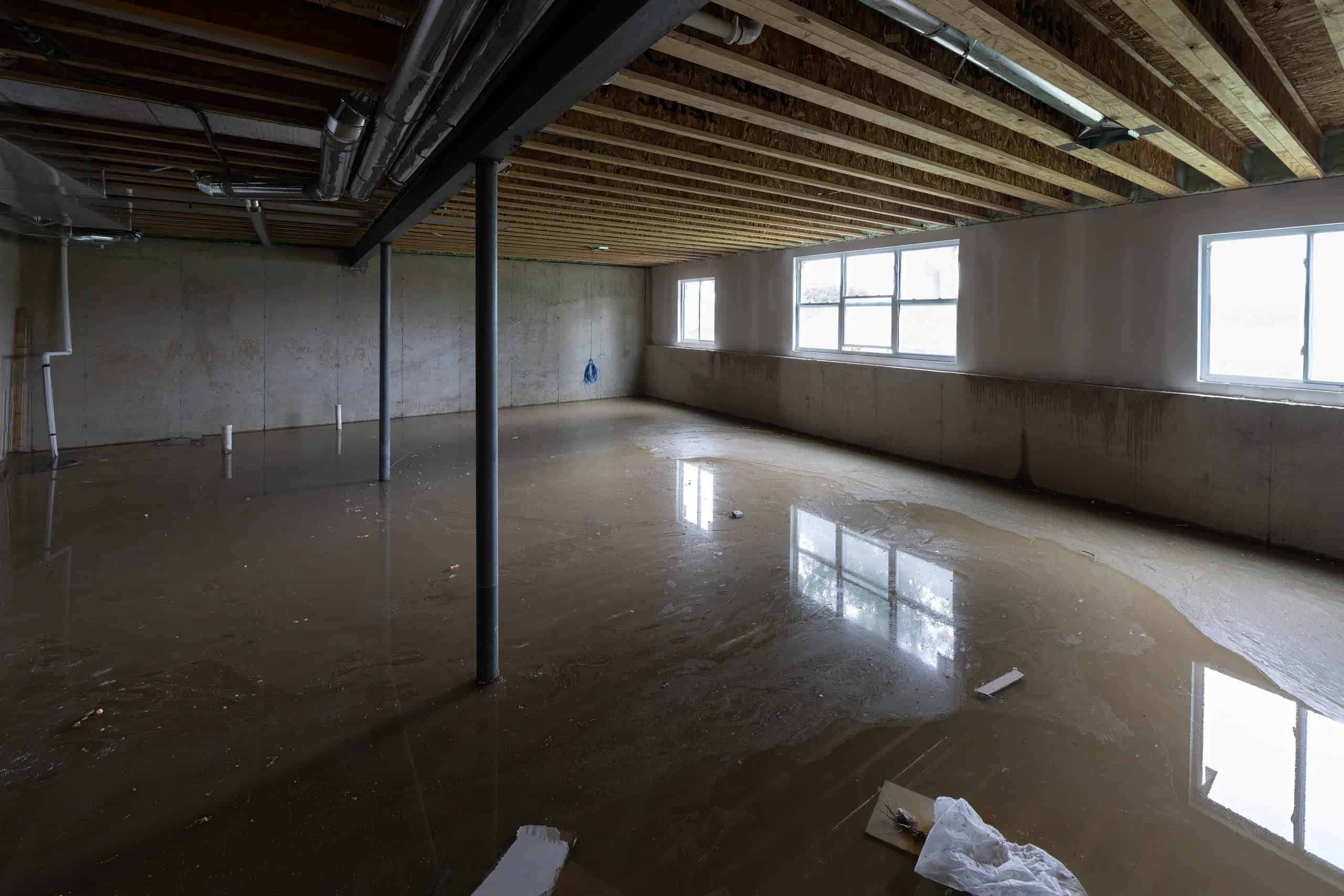
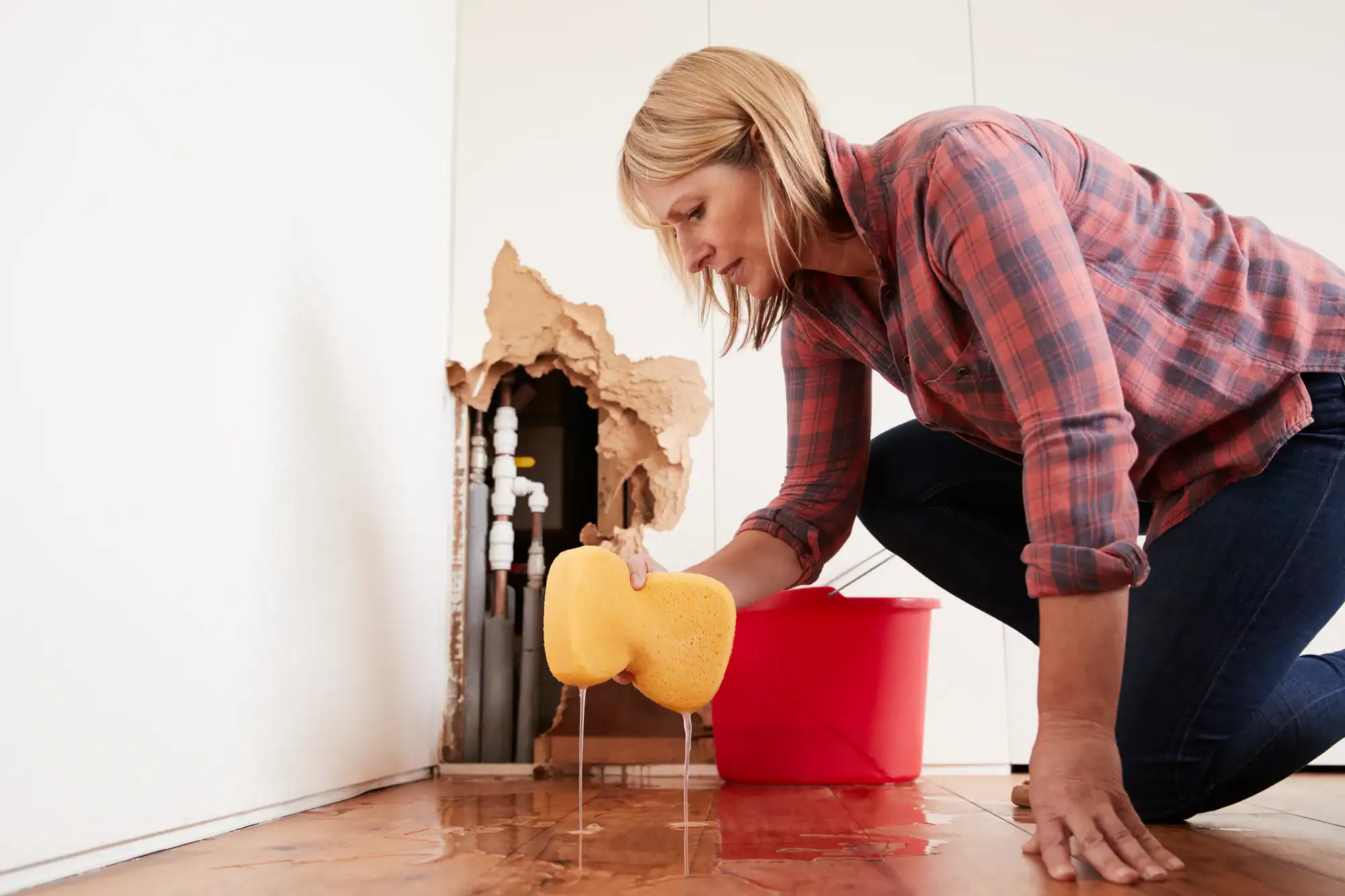
Water damage restoration begins with immediate extraction using truck-mounted pumps capable of removing thousands of gallons per hour. Industrial dehumidifiers and air movers create controlled drying conditions that prevent mold growth and structural damage. Moisture detection equipment identifies hidden water in wall cavities and subfloor areas that household methods can’t reach.
Fire damage restoration requires immediate board-up services to secure your property from weather and theft. Smoke damage repair starts with specialized cleaning compounds that neutralize acidic residues before they permanently etch surfaces. Content pack-out services protect salvageable belongings while restoration work proceeds.
Storm damage repair focuses on emergency tarping and structural stabilization. Wind damage can compromise roof integrity in ways that aren’t immediately obvious. Professional assessment identifies structural issues that could worsen without immediate attention. Temporary repairs prevent additional damage while permanent solutions are planned and implemented.
Specialized Equipment That Makes the Difference
Professional restoration services use equipment designed for rapid, thorough recovery. Thermal imaging cameras detect invisible moisture and temperature variations. Without the use of dangerous chemicals, hydroxyl generators eliminate smells and impurities at the molecular level.
Commercial-grade extraction equipment removes water from carpets, padding, and subflooring in minutes rather than hours. Desiccant dehumidifiers work in conditions where traditional dehumidifiers fail, removing moisture even in cold temperatures. Air scrubbers with HEPA filtration remove airborne contaminants during restoration work.
Documentation and Insurance Coordination
Professional restoration services use equipment designed for rapid, thorough recovery. Thermal imaging cameras detect invisible moisture and temperature variations. Without the use of dangerous chemicals, hydroxyl generators eliminate smells and impurities at the molecular level.
Commercial-grade extraction equipment removes water from carpets, padding, and subflooring in minutes rather than hours. Desiccant dehumidifiers work in conditions where traditional dehumidifiers fail, removing moisture even in cold temperatures. Air scrubbers with HEPA filtration remove airborne contaminants during restoration work.
Comprehensive Damage Remediation: Addressing Every Type of Property Damage
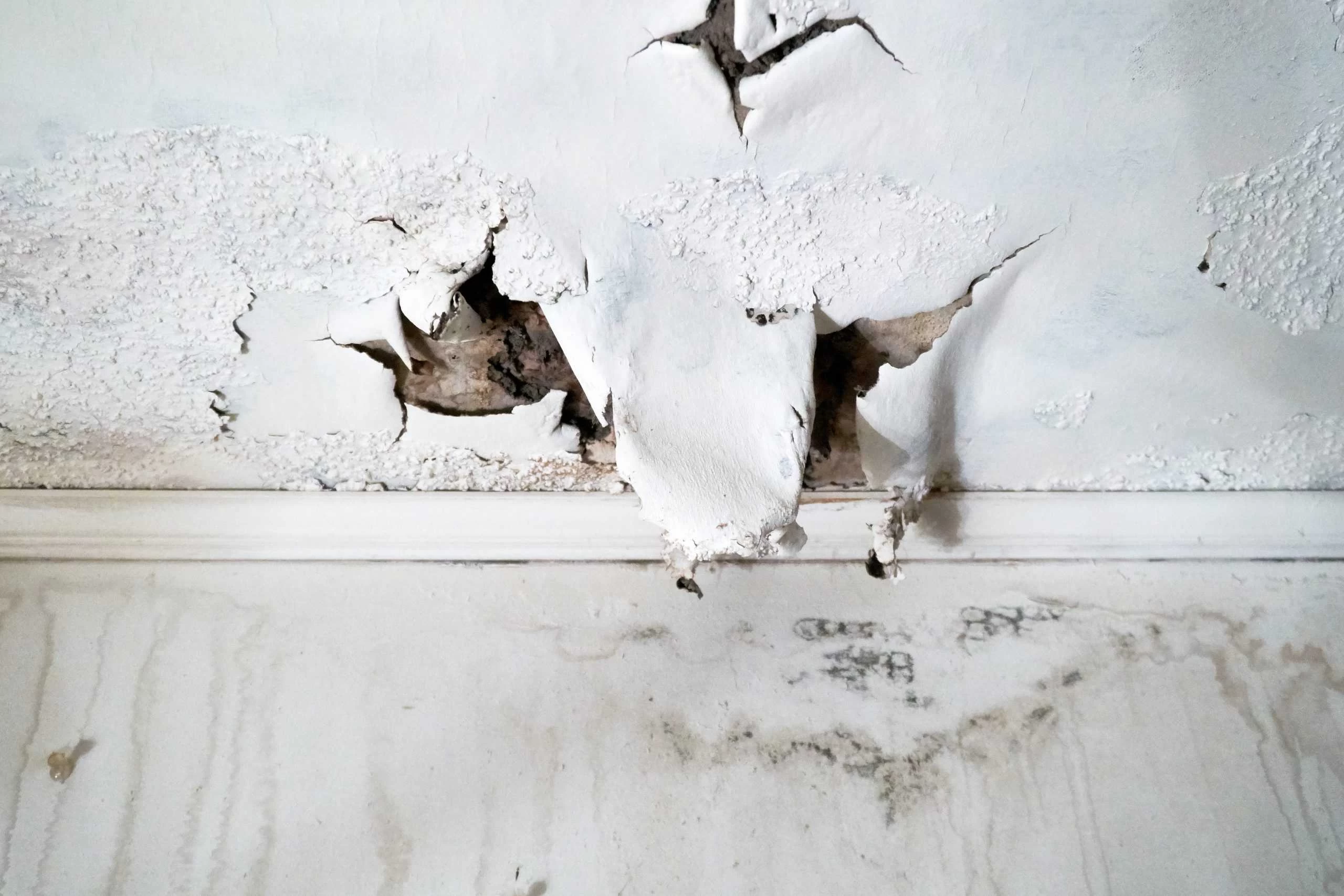
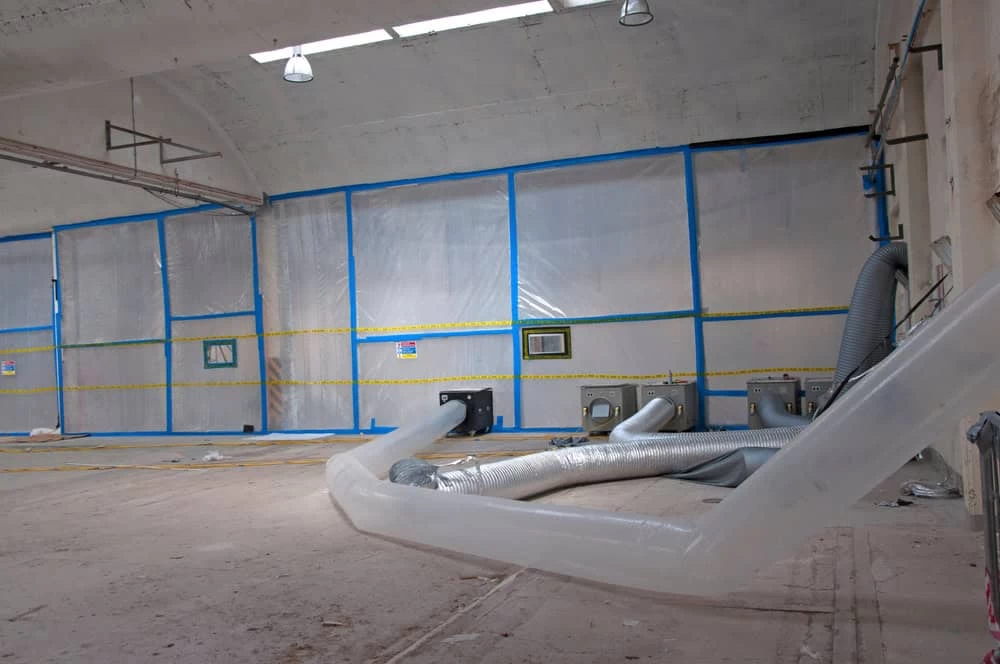
Long Island properties face diverse damage types requiring specialized remediation approaches. Mold remediation involves containment systems that prevent spore spread during removal. Negative air pressure machines create controlled environments, while antimicrobial treatments eliminate contamination at the source.
Sewage cleanup requires hazmat protocols that protect workers and occupants from dangerous pathogens. Category 3 contamination demands complete removal of affected materials rather than cleaning attempts. Specialized disposal procedures meet environmental regulations while protecting public health.
Asbestos removal follows strict EPA guidelines with licensed technicians and certified disposal methods. Lead abatement uses containment systems that prevent dust contamination during removal. Both processes require air monitoring to verify safe completion before occupancy.
Demolition services range from selective removal to complete structural teardown. Controlled demolition preserves salvageable materials while safely removing damaged components. Dumpster rental provides appropriate waste containers for different material types, from construction debris to hazardous waste requiring special handling.
Advanced Remediation Techniques for Complex Damage
Structural drying uses psychrometric calculations to determine optimal equipment placement and drying goals. Class 4 water damage requires specialty drying techniques for materials like hardwood, plaster, and stone. Injection drying systems target moisture trapped in wall cavities without unnecessary demolition.
Mold remediation begins with containment barriers constructed from 6-mil polyethylene sheeting and sealed with duct tape. HEPA air scrubbers maintain negative pressure while workers wear respirators rated for mold spore protection. Antimicrobial treatments use EPA-registered fungicides applied with electrostatic sprayers.
Reconstruction Services: Building Back Better
Bathroom remodeling following water damage incorporates moisture-resistant materials like cement board substrates and waterproof membranes. Kitchen remodeling uses cabinet construction techniques that resist humidity and temperature changes common in coastal environments.
Reconstruction planning considers Long Island’s specific challenges, including coastal wind loads, flooding potential, and humidity levels. Building materials selection prioritizes durability and moisture resistance. Upgraded electrical and plumbing systems meet current codes while improving property value and safety.
Your Long Island Property Deserves Professional Restoration Services
Property damage creates stress, disruption, and financial concerns that affect every aspect of your life. Professional restoration services eliminate uncertainty by providing comprehensive solutions backed by experience, proper equipment, and industry knowledge. You get your property back in better condition than before damage occurred, with the peace of mind that comes from knowing the job was done right. Contact us today to discuss how our restoration services can help you recover from property damage quickly and completely.