Summary:
Understanding Long Island's Unique Restoration Challenges
Long Island’s coastal location creates restoration challenges you won’t find inland. Salt air accelerates corrosion of metal components, while high humidity levels promote mold growth even in seemingly dry areas. The island’s mix of older homes and newer construction means restoration services must adapt to different building materials and techniques used across decades of construction.
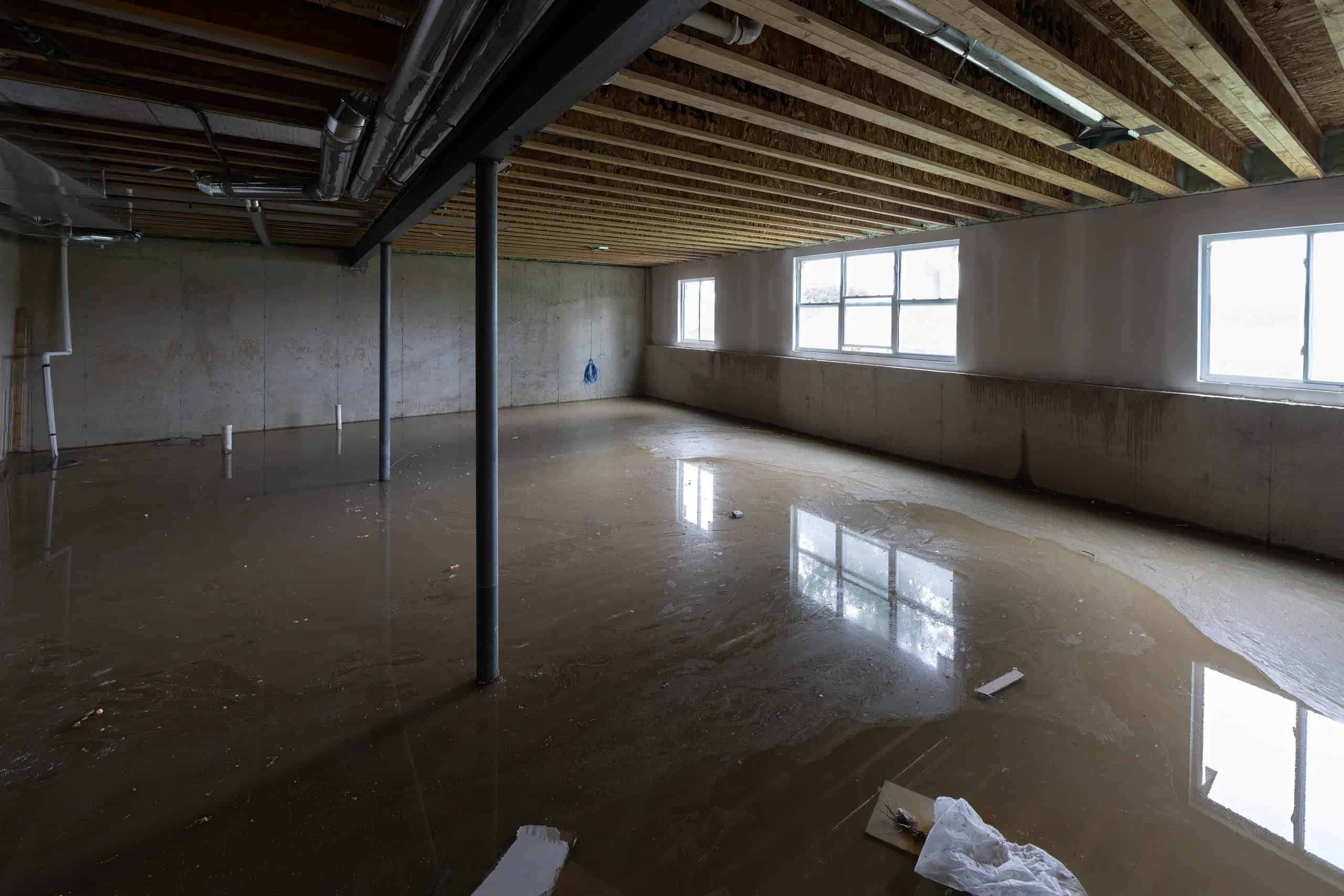
Storm damage from nor’easters and hurricanes brings particular problems. Wind-driven rain penetrates building envelopes in ways that typical rainstorms don’t, often causing damage that isn’t immediately visible. Basement flooding from storm surge affects foundations and mechanical systems in patterns specific to coastal areas. These conditions require restoration services that understand both the immediate damage and the long-term effects of salt water exposure.
Your property’s age also influences the restoration approach needed. Homes built before 1978 may contain lead paint or asbestos materials that require specialized handling during restoration. Even newer homes can have construction details that trap moisture or create pathways for water damage that aren’t obvious until professionals assess the situation. Understanding these factors helps restoration services develop approaches that address your specific property’s vulnerabilities.
Water Damage Restoration Beyond Surface Cleanup
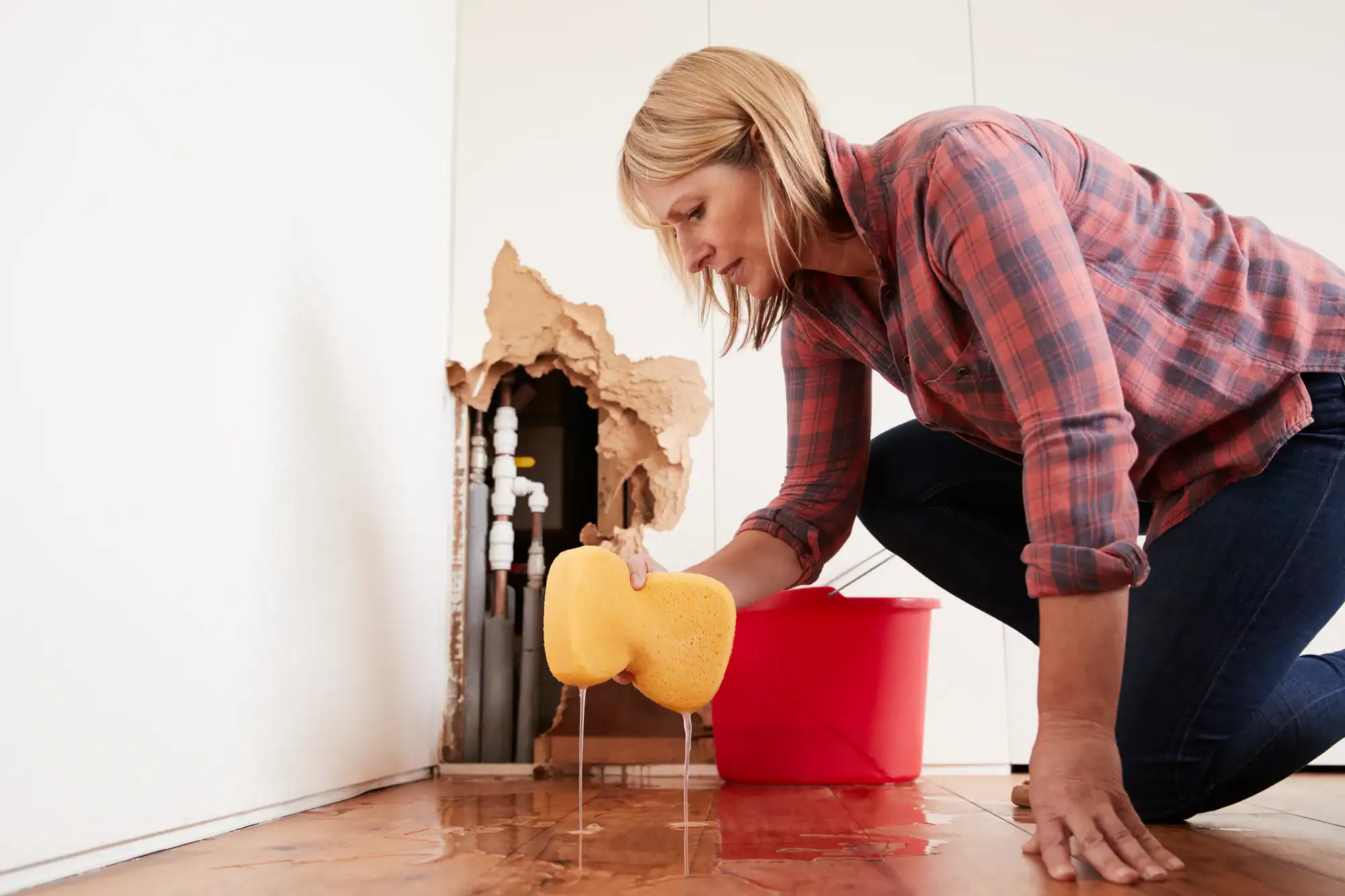
Water damage restoration starts with removing standing water, but that’s just the beginning. Water wicks into building materials through capillary action, often traveling several feet from the original source. Drywall can absorb water up to 24 inches above the visible waterline, while hardwood flooring can cup and buckle as moisture moves between boards.
Professional water damage restoration uses moisture meters and thermal imaging to map the full extent of water penetration. Industrial dehumidifiers and air movers create controlled drying conditions that prevent secondary damage like mold growth. The process typically takes 3-5 days for structural drying, depending on the materials involved and ambient conditions.
Fire Damage Restoration and Smoke Remediation
Water damage restoration starts with removing standing water, but that’s just the beginning. Water wicks into building materials through capillary action, often traveling several feet from the original source. Drywall can absorb water up to 24 inches above the visible waterline, while hardwood flooring can cup and buckle as moisture moves between boards.
Professional water damage restoration uses moisture meters and thermal imaging to map the full extent of water penetration. Industrial dehumidifiers and air movers create controlled drying conditions that prevent secondary damage like mold growth. The process typically takes 3-5 days for structural drying, depending on the materials involved and ambient conditions.
Mold Remediation and Indoor Air Quality Restoration
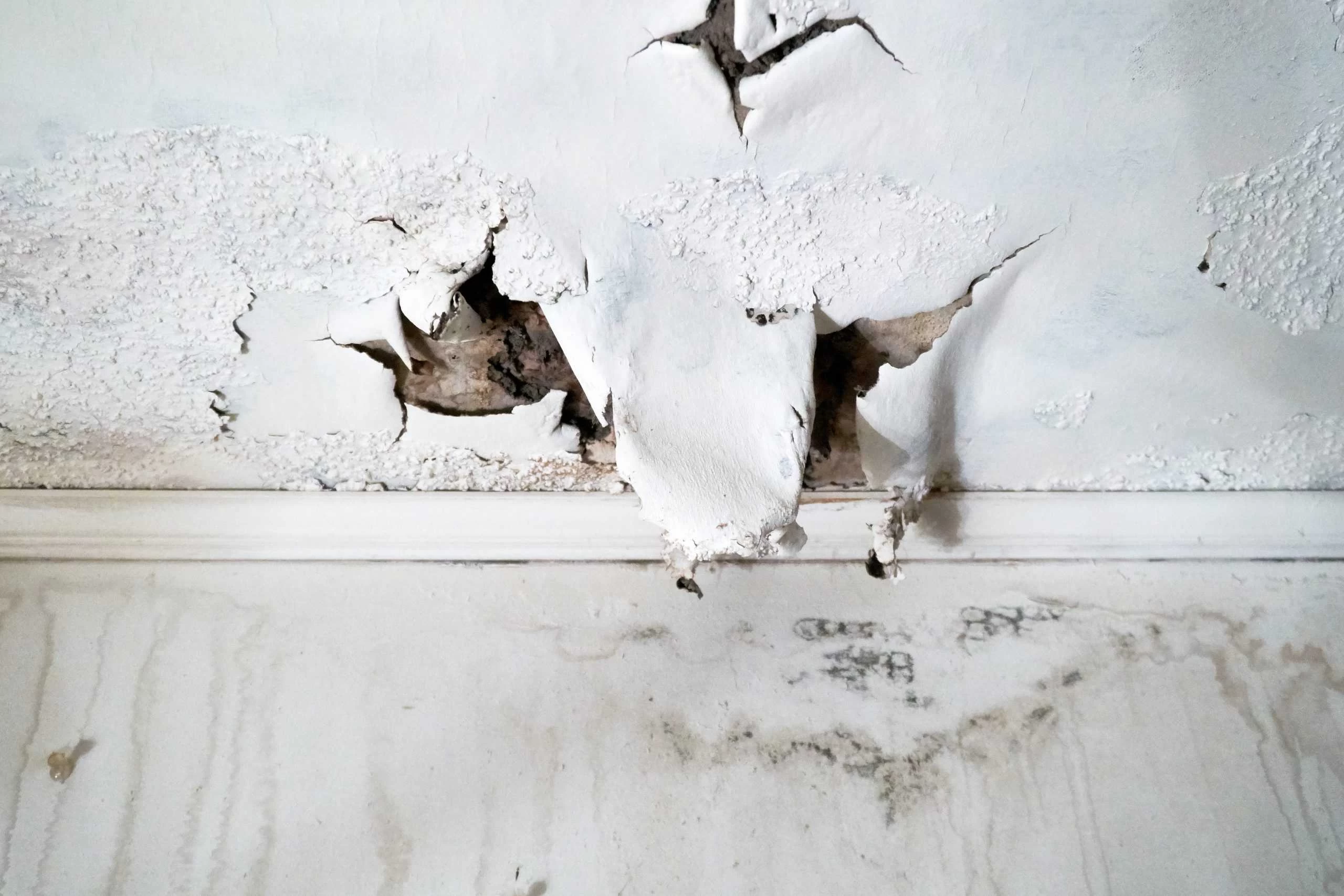
Mold remediation goes beyond killing visible mold growth. Spores become airborne during disturbance, potentially spreading contamination to previously unaffected areas. Professional mold remediation creates containment barriers using negative air pressure systems that prevent cross-contamination during the removal process.
The process starts with moisture source identification and elimination. Mold grows wherever moisture levels exceed 60% relative humidity for extended periods. This can happen behind walls, under flooring, or in crawl spaces where you can’t see the problem developing. Infrared cameras and moisture meters help locate these hidden moisture sources that fuel ongoing mold growth.
Remediation involves removing contaminated materials that can’t be effectively cleaned, then treating remaining surfaces with antimicrobial solutions. HEPA air filtration runs continuously during work to capture airborne spores. After remediation, independent testing verifies that spore counts have returned to normal background levels before reconstruction begins.
Storm Damage Repair and Emergency Services
Storm damage repair requires an immediate response to prevent secondary damage. Wind damage compromises building envelopes, allowing water intrusion that can cause extensive damage within hours. Emergency tarping and board-up services protect your property while permanent repairs are planned and scheduled.
Restoration services coordinate with insurance adjusters to document damage accurately and advocate for appropriate coverage. This includes identifying damage that might not be immediately obvious, such as roof membrane tears or foundation shifts that could cause problems months later. Proper documentation during the initial assessment protects your interests throughout the claims process.
Specialized Services: Asbestos and Lead Abatement
Asbestos and lead abatement require specialized certifications and containment procedures that go beyond general restoration work. These materials are commonly found in Long Island homes built before 1978, and disturbing them during restoration work can create serious health hazards if not handled properly.
Professional abatement involves creating sealed work areas with negative air pressure systems, using specialized removal techniques that minimize fiber or dust generation, and following strict disposal protocols for contaminated materials. Workers use supplied-air respirators and disposable protective clothing that’s disposed of as hazardous waste. Air monitoring throughout the process verifies that containment is maintained and that clearance standards are met before normal occupancy resumes.
Your Complete Long Island Restoration Solution
Effective property restoration combines immediate emergency response with thorough recovery planning that addresses both visible damage and underlying problems. Long Island properties face notable challenges from coastal conditions, aging infrastructure, and varied construction types that require experienced professionals who understand local conditions. From water extraction and structural drying to complete reconstruction, restoration services should provide flawless coordination that gets your life back to normal as quickly as possible. Contact us to discuss your specific restoration needs and learn how our experience with Long Island properties can help you recover from damage completely and permanently.