Summary:
Emergency Response and Damage Assessment Services
Time determines everything when property damage occurs. Water spreads into structural materials within hours, creating conditions for mold growth and wood rot that multiply your restoration costs. Fire damage continues affecting your property through ongoing chemical reactions and structural weakening that worsen without immediate intervention.
Our restoration services begin with 24/7 emergency response that stops damage progression before it becomes catastrophic. We arrive with industrial dehumidifiers, air movers, and containment equipment that stabilize conditions while we assess the full scope of damage. This immediate response often saves thousands in additional repair costs.
The assessment phase identifies both visible damage and hidden problems that inexperienced contractors miss. Water travels through wall cavities and under flooring where it causes structural damage you won’t see for weeks. Fire damage affects electrical systems and HVAC components that create safety hazards requiring immediate attention. We use moisture meters, thermal imaging cameras, and air quality monitors to map the complete damage footprint.
Documentation happens simultaneously with stabilization work. Insurance companies require detailed damage assessments with photographic evidence and moisture readings to process claims efficiently. We provide this documentation in formats that speed claim approval and prevent disputes that delay your restoration timeline.
Water Damage Restoration and Structural Drying
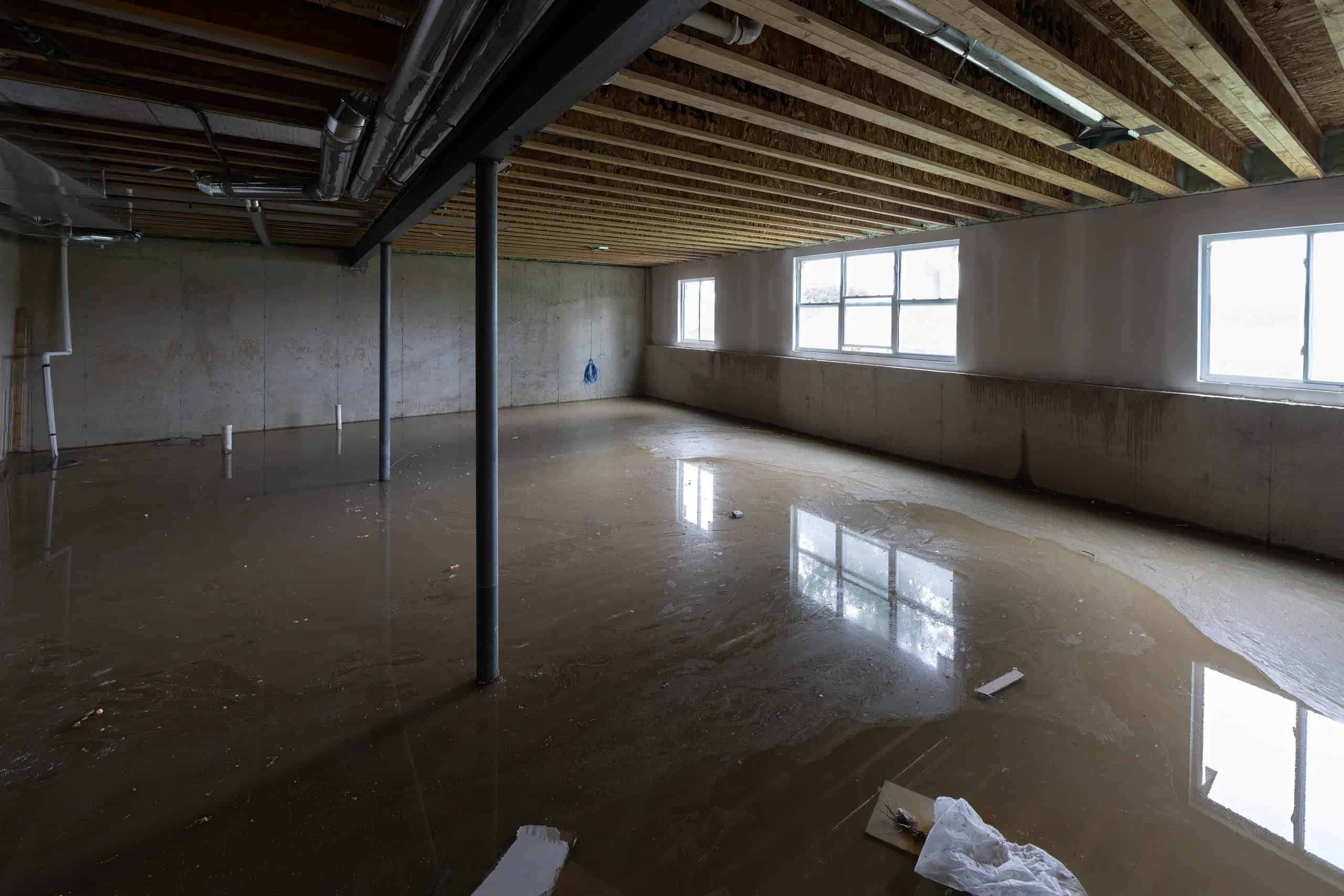
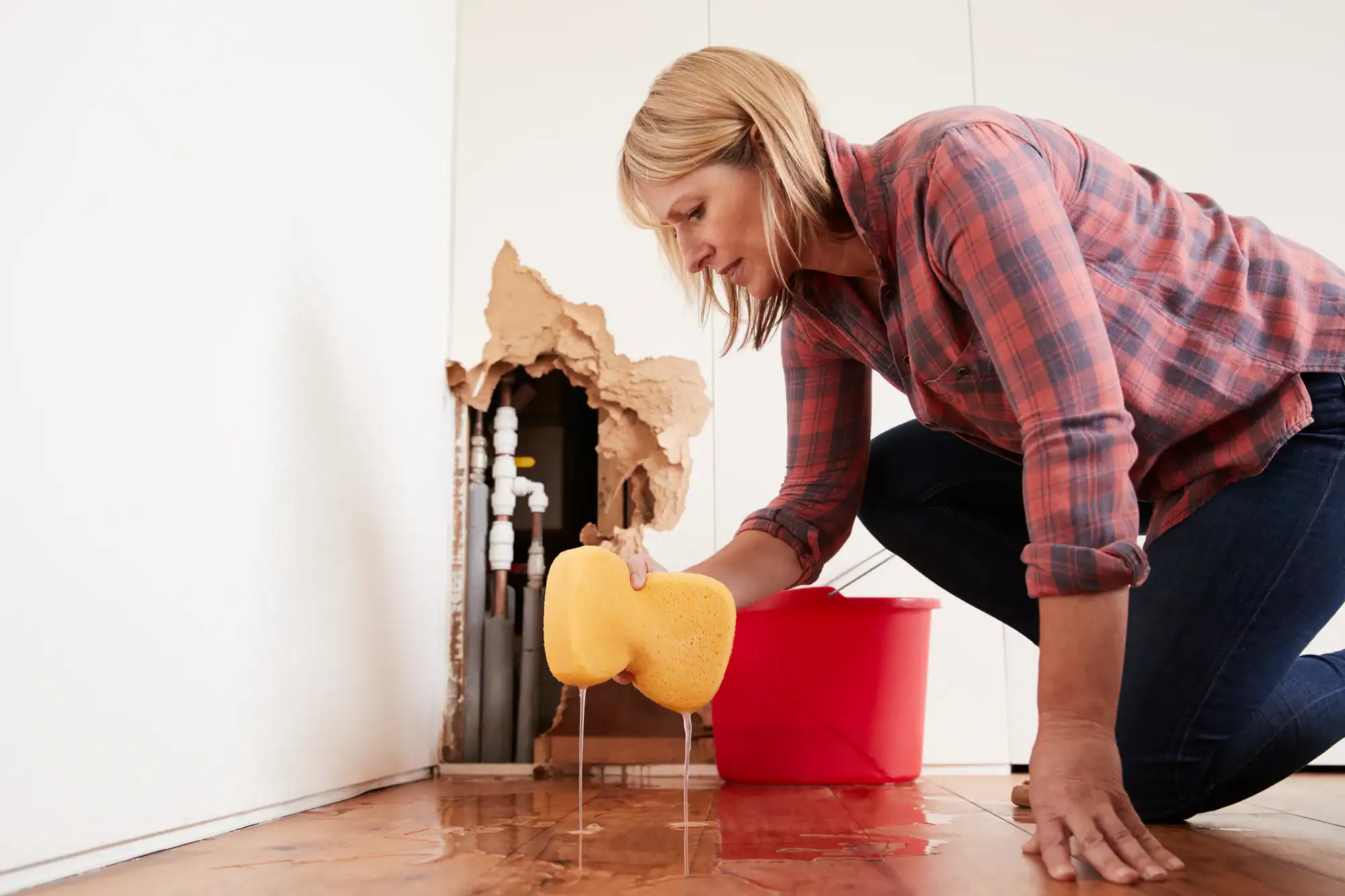
Water damage restoration requires removing standing water, then extracting moisture from materials that absorbed it. Standard wet vacuums and fans don’t create the controlled drying conditions needed to prevent mold growth and structural damage.
We use commercial-grade extractors that remove water from carpets and padding, then position high-velocity air movers and refrigerant dehumidifiers to create rapid drying conditions. Temperature and humidity levels are monitored continuously because improper drying creates ideal mold growth conditions.
The process typically takes 3-5 days for complete structural drying, but this varies based on materials affected and weather conditions. We test moisture levels daily and won’t consider the job complete until readings return to normal ranges.
Fire Damage Restoration and Smoke Removal
Water damage restoration requires removing standing water, then extracting moisture from materials that absorbed it. Standard wet vacuums and fans don’t create the controlled drying conditions needed to prevent mold growth and structural damage.
We use commercial-grade extractors that remove water from carpets and padding, then position high-velocity air movers and refrigerant dehumidifiers to create rapid drying conditions. Temperature and humidity levels are monitored continuously because improper drying creates ideal mold growth conditions.
The process typically takes 3-5 days for complete structural drying, but this varies based on materials affected and weather conditions. We test moisture levels daily and won’t consider the job complete until readings return to normal ranges.
Mold Remediation and Indoor Air Quality Services
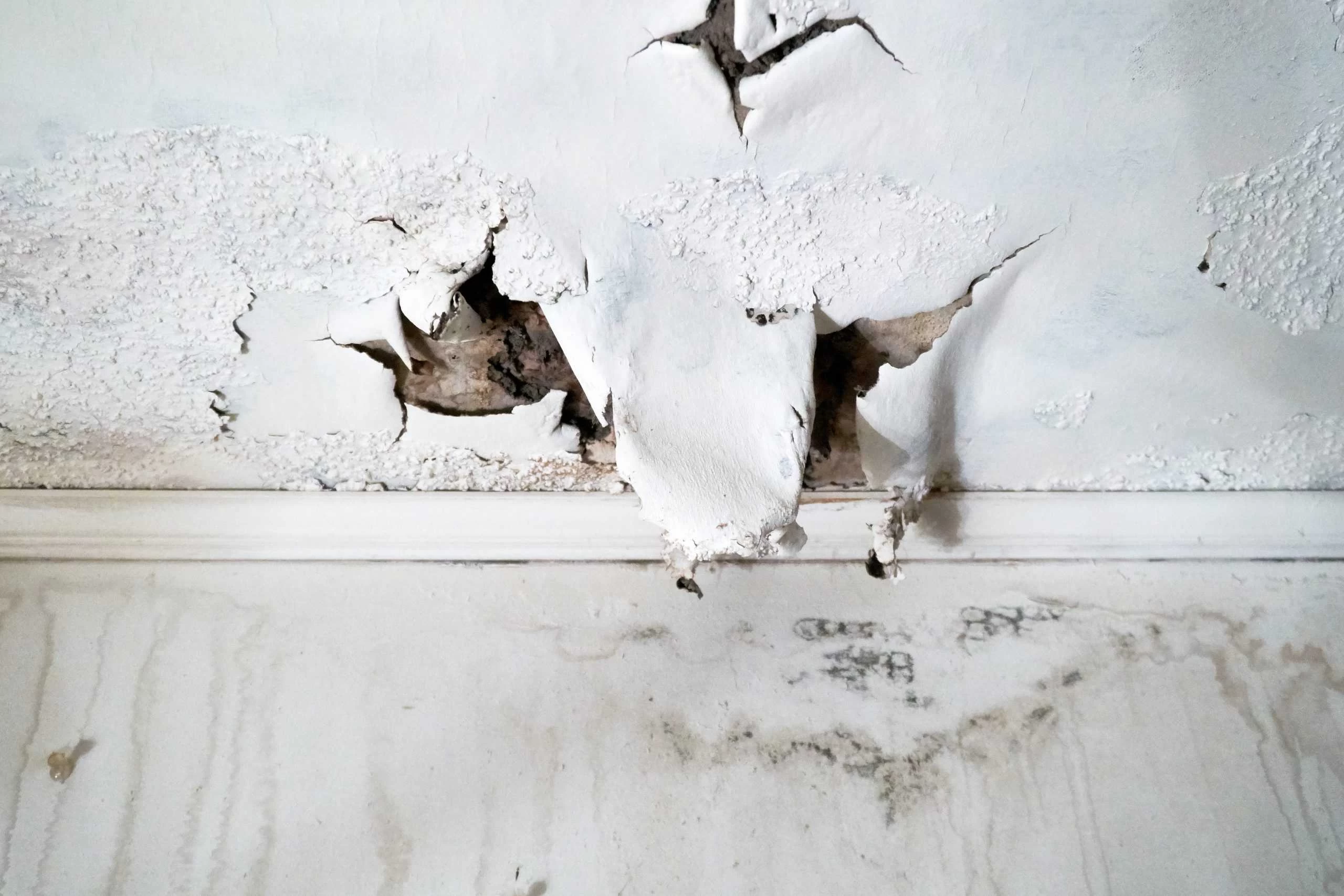
Mold problems require immediate professional intervention because spores spread rapidly through your property’s air circulation system. Long Island’s humid climate creates ideal mold growth conditions, especially after water damage or in poorly ventilated areas like basements and bathrooms.
Our mold remediation process starts with containment to prevent spore dispersal during removal work. We use negative air pressure systems and HEPA filtration to capture airborne spores while removing contaminated materials. All affected porous materials like drywall and insulation require complete removal because cleaning doesn’t eliminate mold from these surfaces.
The remediation process includes treating structural materials with antimicrobial solutions that prevent regrowth. We also identify and correct moisture sources that caused the original problem. Without addressing underlying moisture issues, mold will return regardless of how thoroughly it’s removed.
Air quality testing by independent laboratories confirms successful remediation before we consider the project complete. This testing documents that spore levels have returned to normal ranges and provides the documentation you need for insurance claims and future property transactions.
Demolition and Debris Removal Services
Restoration projects often require selective demolition to remove damaged materials and access hidden damage. This isn’t the same as general demolition because restoration work requires preserving salvageable materials while safely removing contaminated ones.
We use dust control methods and containment barriers during demolition to prevent spreading contaminants throughout clean areas. Hazardous materials like asbestos and lead require special handling and disposal procedures that most general contractors aren’t qualified to perform.
Dumpster rental and debris removal are coordinated with the demolition schedule to maintain safe working conditions. Different types of debris require separate disposal methods, especially when hazardous materials are involved.
Storm Damage Repair and Structural Restoration
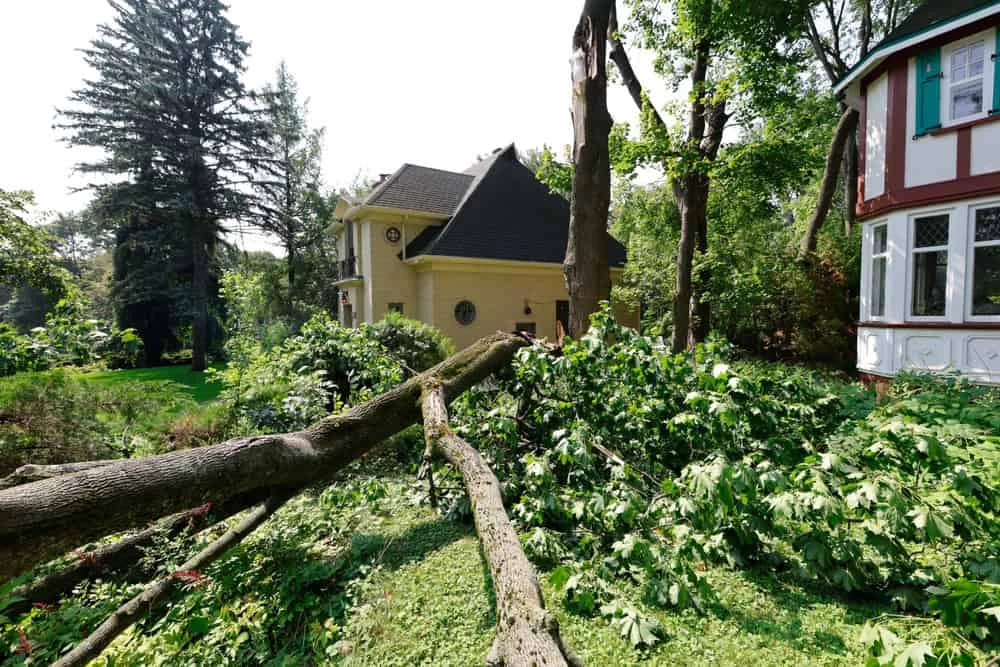
Long Island storms create multiple types of damage simultaneously. Wind removes roofing materials and breaks windows, allowing water intrusion that creates secondary damage throughout your property. Tree damage can affect structural integrity and utility systems.
Our storm damage repair begins with emergency board-up and tarping services that prevent additional water intrusion while permanent repairs are planned. We work directly with your insurance adjuster to document all damage and coordinate repair schedules.
Structural repairs include foundation work, framing repairs, and roof reconstruction using materials rated for Long Island weather conditions. We also address electrical and plumbing systems damaged during storms, providing complete restoration rather than temporary fixes.
Choosing Complete Restoration Services for Your Long Island Property
Property damage requires immediate professional response and coordinated restoration services that address every aspect of recovery. From emergency water extraction through complete reconstruction, you need restoration services that handle multiple damage types with certified expertise.
Working with restoration services that manage the entire process eliminates coordination problems between multiple contractors while ensuring consistent quality standards throughout your project. Insurance companies also prefer working with single-source restoration providers because it simplifies claim processing and accountability.
When damage affects your Long Island property, contact restoration services that combine emergency response capabilities with complete reconstruction expertise. Green Island Group provides the integrated restoration services that get your property back to pre-loss condition efficiently and safely.