Summary:
If you’ve found mold in your crawl space — or you suspect it’s there — you’re probably trying to figure out two things at once: how bad is it, and what’s this going to cost me? Those are exactly the right questions, and they’re harder to answer than they should be, mostly because quotes in Nassau County can vary wildly depending on who you call.
This is a straightforward breakdown of what crawl space mold removal actually costs on Long Island, what drives those costs up or down, and what you should expect from any contractor you hire — including us.
What Mold in Crawl Space Removal Costs in Nassau County, NY
Nassau County mold remediation runs between $14 and $28 per square foot — noticeably higher than the national average. For a standard crawl space job, most homeowners here are looking at somewhere between $1,500 and $7,500 depending on how far the mold has spread, how accessible the space is, and whether contaminated materials like insulation or wood framing need to come out.
That range is wide, and it’s wide for a reason. A small isolated patch discovered early is a very different job than a crawl space where mold has worked its way into the subfloor joists and the insulation is saturated. The sooner it’s caught, the lower the cost — which is why the homeowners who spend the most are usually the ones who waited.
Why Nassau County Mold Removal Costs More Than the National Average
A few things push costs higher on Long Island compared to what you’d see quoted in national averages. The first is labor — Nassau County’s market simply costs more to operate in than most of the country. The second is regulatory: New York State’s Article 32 Mold Law, which went into effect in 2016 partly in response to post-Sandy remediation fraud right here on Long Island, requires that a licensed NYS DOL Mold Assessor inspect the space and produce a written work plan before any remediation contractor can touch it. That assessor is a separate, licensed professional — and their fee is part of the total project cost.
The third factor is Nassau County’s housing stock itself. A large share of homes here were built between the 1940s and 1970s, during the post-war suburban expansion that turned Long Island into one of the most densely populated suburban counties in the country. Those homes were built before vapor barriers in crawl spaces were standard practice. Decades later, many of those crawl spaces have never been properly sealed, and they’ve been quietly accumulating moisture ever since.
Add in Long Island’s coastal humidity — the kind that makes summers here feel heavier than inland markets — and you have conditions where mold can establish itself faster than most homeowners realize. What might take several days to take hold in a drier climate can happen in 36 hours in Nassau County during July or August. South shore communities like Freeport, Oceanside, Long Beach, and Island Park face additional exposure from the Atlantic and Great South Bay, which keeps ambient moisture elevated even between rain events.
There’s also the question of co-occurring hazards. In pre-1980 Nassau County homes, crawl space remediation sometimes uncovers asbestos-containing materials — pipe insulation, floor tiles, or old duct wrap. When that happens, you need a contractor who holds both a NYS DOL Mold Remediation license and a NYS DOL Asbestos license, or you’re looking at coordinating two separate contractors and two separate schedules. That adds cost and time. We hold both licenses in-house, which is one of the practical reasons our clients in older Nassau County neighborhoods don’t end up dealing with that coordination problem.
What Drives the Price Up — and What Keeps It Down
The single biggest cost driver in crawl space mold removal is how far the mold has spread before remediation begins. Mold doesn’t stay in one place — it follows moisture, and in a crawl space, moisture tends to travel. A small patch near a foundation vent can spread across floor joists and into subfloor decking within weeks if the moisture source isn’t addressed. By the time it’s visible or detectable by smell in the living area above, the infestation is often much larger than the homeowner expects.
Accessibility matters too. Crawl spaces in Nassau County’s older ranch-style and Cape Cod homes vary significantly in height and entry configuration. A crawl space with limited clearance takes longer to work in, which increases labor time and therefore cost. If the space requires significant material removal — saturated insulation, compromised wood framing, deteriorated vapor barriers — those materials need to be properly contained and disposed of under state environmental guidelines, which adds to the project total.
What keeps costs down is straightforward: catching it early and fixing the moisture source at the same time. Remediation without moisture correction is a temporary fix. If the ground moisture, plumbing leak, or poor drainage that caused the mold in the first place isn’t resolved, mold will return — and you’ll be paying for remediation again. Any contractor worth hiring will identify and address the moisture source as part of the project scope, not as an afterthought.
Post-remediation clearance testing is another cost line that’s worth understanding upfront. Under NYS Article 32, after remediation is complete, a licensed assessor conducts independent air testing to confirm the space meets clearance standards. This isn’t optional for projects of 10 square feet or more — it’s required by law, and it’s actually a benefit to you. It means the job is verified by someone who didn’t do the work, not just declared complete by the contractor who did.
Black Mold Removal Cost, Attic Mold, and Basement Mold in Nassau County, NY
Crawl spaces aren’t the only place mold shows up in Nassau County homes — and if you’re comparing costs across different areas of your home, it helps to understand how the numbers differ by location.
Each area of a home presents different access challenges, different material types, and different moisture sources. The cost breakdowns below reflect Nassau County conditions specifically, not national averages.
Black Mold Removal Cost: What to Expect for Stachybotrys
Black mold — the species most people are thinking of when they use the term, Stachybotrys chartarum — costs more to remediate than standard mold growth. The reason is containment. Stachybotrys requires a higher level of physical isolation during removal, more intensive personal protective equipment for technicians, and more careful disposal of contaminated materials. In a Nassau County, NY crawl space, black mold remediation typically runs $2,000 to $6,000 or more depending on the extent of the infestation.
One important clarification: not all dark-colored mold is Stachybotrys. Mold comes in many colors and species, and visual identification alone isn’t reliable. A licensed NYS DOL Mold Assessor can confirm the species through sampling — which is one of the reasons the assessment step matters before any work begins. Knowing what you’re dealing with determines the correct remediation protocol and the true cost of the job.
If your crawl space mold has been identified as black mold, or if you’re concerned it might be, that’s a situation where cutting corners on the contractor you hire carries real risk — both to your health and to the structural integrity of your home.
Attic Mold Removal Cost and Basement Mold Remediation Cost in Nassau County, NY
Attic mold remediation in Nassau County, NY generally runs between $1,000 and $7,000, depending on how accessible the attic is and how extensively the mold has spread. Attics in Nassau County homes are a frequent problem area — particularly in the Cape Cod-style homes common throughout communities like Syosset, Plainview, Bethpage, and Hicksville. When a nor’easter produces ice dams at the eave, meltwater backs up under shingles and soaks structural elements. The mold that results often isn’t visible until months later, when the damage is already significant.
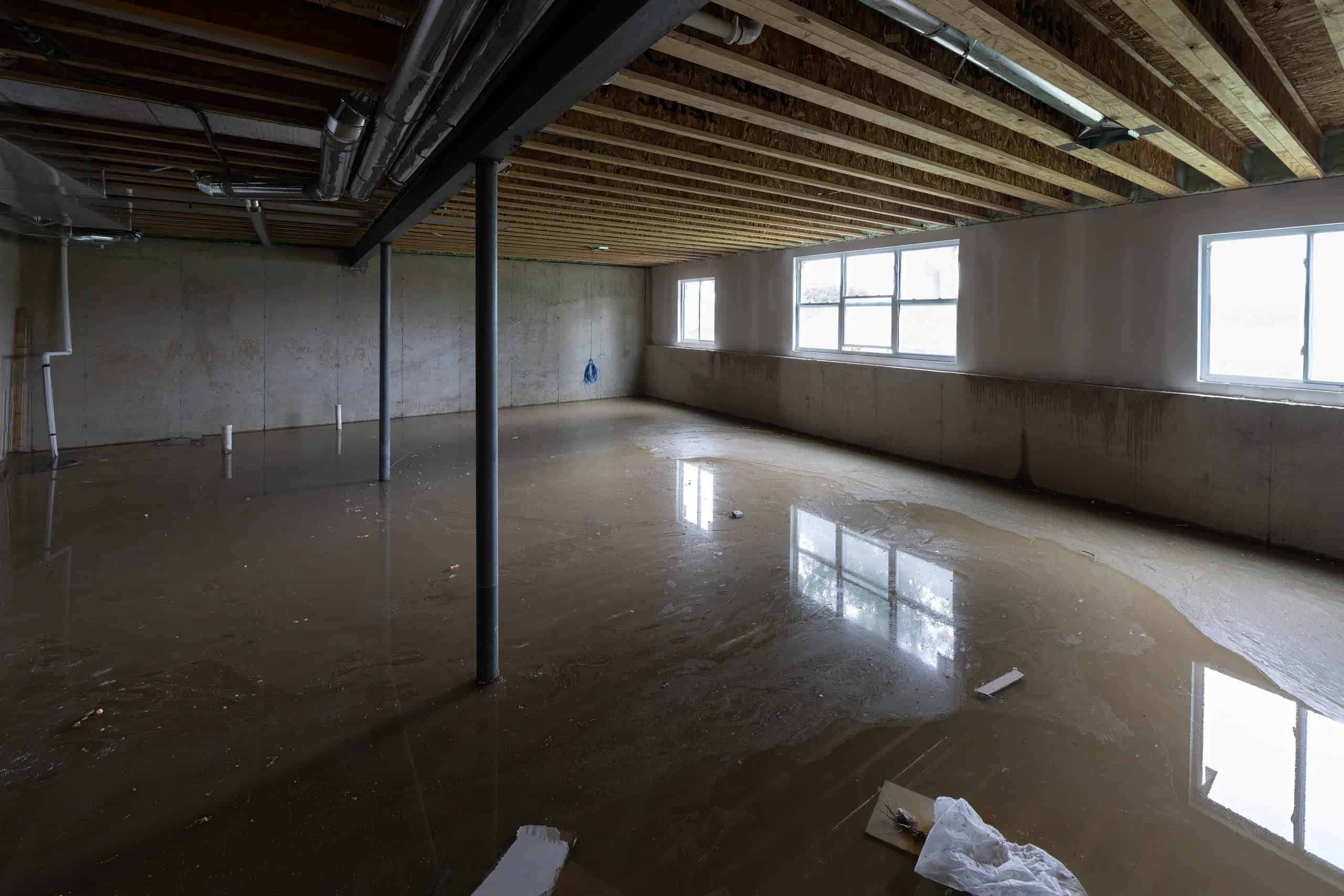
Basement mold remediation costs in Nassau County, NY typically range from $500 to $3,000 for contained areas, though more extensive basement infestations can run higher. Long Island’s sandy, permeable soil and relatively high water table mean groundwater finds its way into below-grade spaces more readily than in regions with denser soil. Basements and crawl spaces in Nassau County are structurally predisposed to moisture — it’s not a question of whether water is present, but how well it’s managed.
Understanding the average cost of mold remediation across these different areas of your home matters if you’re trying to budget realistically. The honest answer is that the total cost depends on scope, location within the home, and whether the moisture source is addressed. A job that’s done correctly the first time — with proper containment, material removal, moisture correction, and post-clearance testing — costs more upfront than a surface treatment. It also doesn’t come back.
For homeowners facing costs that feel out of reach, we offer financing up to $200,000 at 0% APR through Enhancify. That’s available because we know these projects can hit at the worst possible time, and we’d rather help you get it done right than have you delay because of the bill.
How to Choose a Mold Remediation Contractor in Nassau County, NY
The most important thing you can do before hiring anyone for crawl space mold removal in Nassau County is verify their NYS DOL Mold Remediation license. It’s publicly searchable on the Department of Labor’s website. Any contractor performing mold work on a project of 10 square feet or more without that license is operating illegally — and if something goes wrong, you have no legal recourse.
Beyond licensing, ask whether they handle insurance billing directly, whether they’ll address the moisture source as part of the scope, and whether a post-remediation clearance test is included. Those three questions will tell you a lot about whether you’re talking to someone who does this work properly or someone who will spray a surface and move on.
If you’re in Nassau County and you want a straightforward conversation about what you’re dealing with — no pressure, no vague estimates — Green Island Group is available 24/7 and handles the insurance paperwork directly so you’re not navigating that process alone.