Summary:
What's the Real Difference Between Demolition and Deconstruction?
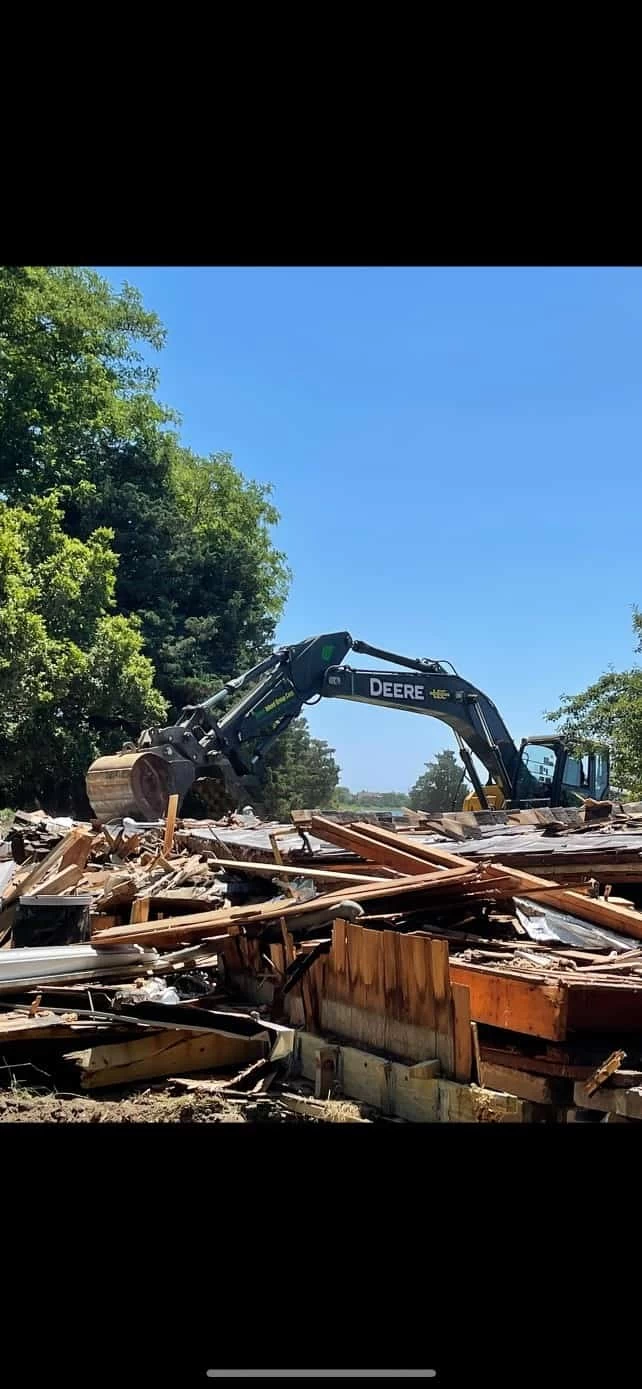
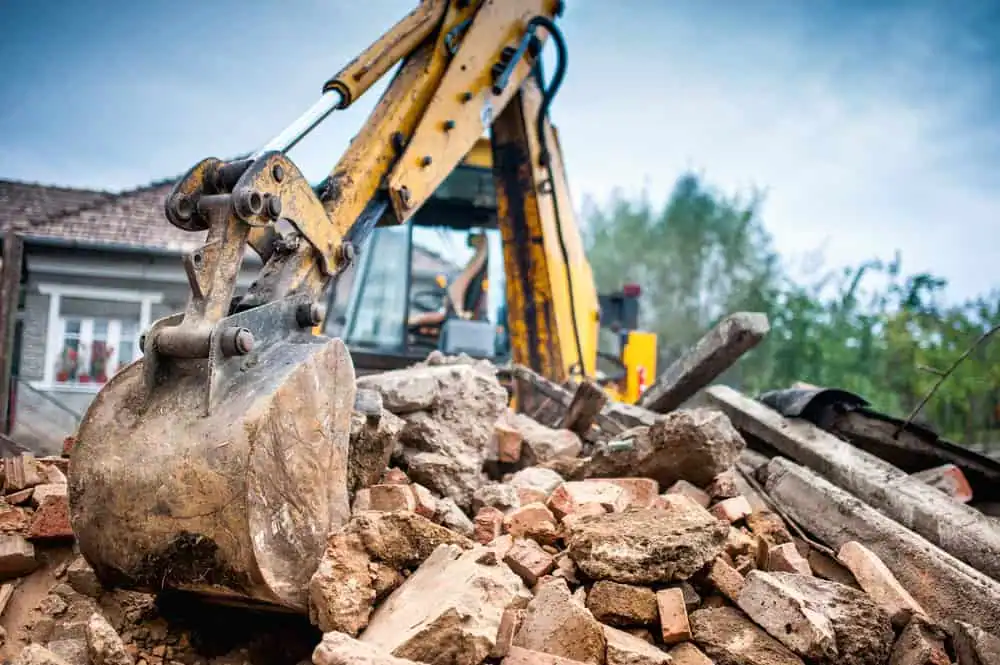
Demolition is fast and loud. Machines tear everything down, mix it all together, and haul it away in dumpsters. You pay disposal fees on every ton, and you’re done.
Deconstruction is methodical. It’s the careful dismantling of structures to preserve materials for reuse. Instead of destroying value, you’re extracting it—piece by piece, room by room.
In New York’s market, this distinction matters more than anywhere else. New York City no longer has any disposal facilities and must export all the waste it doesn’t recycle. The closure of Fresh Kills Landfill, New York City’s last remaining landfill, has resulted in a $400 million annual increase in the NYC Department of Sanitation’s budget since 1996. Those costs get passed down to you.
The Business Case for Salvage: Double-Sided Savings
Here’s where deconstruction gets interesting for your bottom line. You’re not just avoiding disposal costs—you’re creating new revenue streams.
Deconstruction offers significant economic advantages through the resale and reuse of salvaged materials. These materials, such as lumber, windows, doors, and fixtures can be removed from old buildings and reused or repurposed, providing cost savings for homeowners and contractors. In practical terms, this means materials that would cost you $50 per ton to dispose of can instead generate $200-500 per ton in salvage revenue.
The math works because NYC’s building stock contains materials that are both higher quality and more expensive than today’s alternatives. People who work with wood know that the best quality wood comes from old growth trees. Old growth lumber offers a close, clear grain with few knots, and is generally harder and more stable with fewer defects than wood from younger trees. Compared with virgin wood that can be purchased today, old growth lumber can span more than twice the distance of younger, lighter woods.
But the real money isn’t just in lumber. A New York City demolition project can yield a trove of architectural features, artifacts, fixtures, and ornaments that can be reclaimed for reuse. With architects, designers, and homeowners increasingly on the hunt for treasures from bygone eras, we often salvage items ranging from doors, hardware, mantels, and vintage bathtubs to large stained glass windows, complete staircases, and entire paneled rooms.
Think about it: a vintage light fixture that costs $30 to throw away might sell for $300-3,000 at architectural salvage shops. Multiply that across an entire building, and you’re looking at project economics that completely flip.
How to Identify High-Value Salvage Materials
Not everything in a building is worth salvaging, but knowing what to look for can make the difference between a profitable deconstruction and an expensive exercise.
Start with the obvious money makers. “Cherry-picking” can yield valuable appliances, light fixtures, hardware, architectural millwork, and other custom accessories. These items require minimal labor to remove but command premium prices in NYC’s architectural salvage market.
Your highest-value targets include original hardwood flooring, especially wide-plank or parquet. Vintage bathroom fixtures—clawfoot tubs, pedestal sinks, original tile work. Architectural millwork like crown molding, wainscoting, built-in cabinetry. Original doors, especially solid wood or with period hardware. Stained glass windows, decorative metalwork, and any custom stonework or brick.
Commonly salvaged materials include lumber which can be repurposed in new construction or renovations and fixtures such as doors, windows, sinks, lighting fixtures and hardware. The lumber recovered from older buildings is often higher quality than what is available in the marketplace. Other materials like bricks, metals, and stone are often in good condition and can be reused for future projects.
The key is condition assessment. A door that’s been painted over multiple times might still have solid bones underneath. Original brick can be cleaned and repointed. Even damaged stained glass often has salvageable pieces that collectors prize.
Don’t overlook the basics either. Copper plumbing, steel beams, and even concrete can have value—especially when you factor in avoided disposal costs. NYC has high landfill costs, meaning that it is economically advantageous for transfer stations to divert many materials.
On-Site Sorting and Local Recycling Options in New York
The logistics of deconstruction come down to smart sorting and knowing where materials can go. In New York, you have more options than most places—but only if you plan ahead.
Source separation generally yields the highest recycling rate and the best price for materials. We locate separate containers on the job-site, sorting out recyclable materials as they are collected, and delivering each container to the processor when full.
Your sorting strategy should match your end markets. High-value architectural elements get careful handling and direct sales. Standard construction materials get sorted for recycling facilities. Everything else gets evaluated for disposal versus donation.
Setting Up Efficient On-Site Material Sorting
Efficient sorting starts with the right containers and clear protocols. Contractors typically collect C&D waste in “minis”: 0.5 cu yd containers, though larger containers – 1 or 2 cu yd and even 20–35 cu yd containers may be used. But for deconstruction, you need a different approach.
We set up separate staging areas for different material types. High-value salvage gets protected storage—covered areas where architectural elements won’t get damaged. Clean lumber gets stacked and sorted by species and dimensions. Metals go into separate containers to maximize scrap value.
The key is training your crew on what goes where. A piece of vintage millwork thrown into the general debris container just cost you hundreds of dollars. But the same piece carefully removed, cleaned, and properly stored might generate significant revenue.
The best opportunities for source separation tend to occur during the demolition services and excavation phases of a project, when more C&D waste is generated and one contractor is scheduling the work. Additionally, demolition and excavation work can generate relatively homogenous waste streams.
We create a simple identification system. Color-coded tags or areas help workers quickly sort materials without slowing down the job. We document everything with photos—both for insurance and for marketing salvaged materials later.
Consider the sequence of deconstruction too. Remove the highest-value items first, when you have the most time and care available. Work systematically through the building to avoid damaging materials you plan to salvage.
Where to Take Materials: NYC's Recycling and Salvage Network
New York has a surprisingly robust network of facilities that want your construction materials—if you know where to look and what they accept.
For architectural salvage, Big Reuse has two building material reuse centers in NYC that divert over 2000 tons of building material each year for reuse. Materials accepted include doors, appliances, plumbing fixtures, lumber, kitchen cabinets, and flooring. They’ll even pick up larger items, making the logistics simpler.
Harlem’s Demolition Depot is a New York institution. Run by owner Evan Blum, a 42-year veteran of the salvage industry, the store is noted in the book 111 Shops in New York That You Must Not Miss. The store contains items large and small, from the quirky, one-of-a-kind 1930s soda fountain suite, down to a vintage pink soap dish fixture.
For standard construction materials, a construction & demolition debris handling and recovery facility (CDDHRF) is a publicly or privately owned facility that receives uncontaminated construction and demolition debris (C&D debris) generated or excavated from construction, remodeling, repair, or demolition of structures, buildings and roads. This includes waste materials such as concrete, brick, soil, wood, wallboard, tile, carpeting, roofing shingles, and asphalt pavement. A CDDHRF might store these wastes, process them to extract recyclable or reusable materials, store recovered materials, or carry on any combination or all of these activities.
The key is matching materials to the right facility. Clean wood goes to wood recyclers. Mixed C&D debris goes to processing facilities that can sort and recover value. Metals go to scrap dealers who pay by weight and type.
Don’t forget about donation options either. Habitat for Humanity’s ReStore in Queens also accepts donated building materials. While you won’t get cash, you’ll avoid disposal fees and potentially qualify for tax deductions.
Making Deconstruction Work for Your Next New York Project
The choice between demolition and deconstruction isn’t just about environmental responsibility—it’s about project economics that can significantly impact your bottom line. Deconstruction offers significant economic advantages through the resale and reuse of salvaged materials. These materials, such as lumber, windows, doors, and fixtures can be removed from old buildings and reused or repurposed, providing cost savings for homeowners and contractors.
With New York’s high disposal costs and growing demand for reclaimed materials, deconstruction represents a real opportunity to turn waste expenses into revenue streams. The key is proper planning, material identification, and connecting with the right network of salvage buyers and recycling facilities.
When you’re ready to explore deconstruction for your next project, we bring the expertise to maximize both material recovery and cost savings while ensuring all work meets New York’s strict safety and environmental regulations.