Summary:
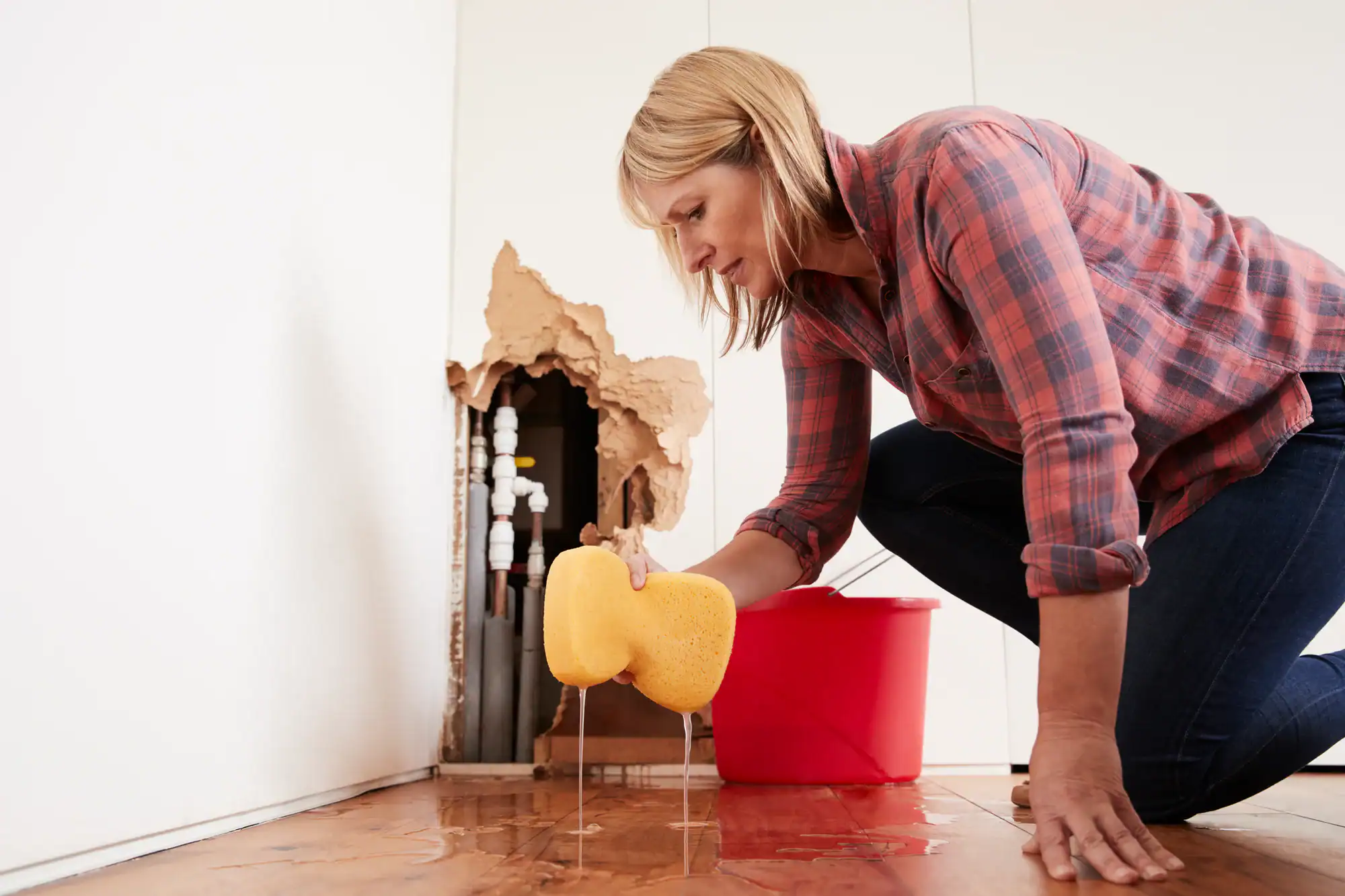
You come home to water spreading across your kitchen floor. The dishwasher seal gave out, or the washing machine hose finally let go. Your first instinct is to call your insurance company — but before you do, you want to know: is this actually covered?
It depends. And that answer frustrates a lot of Nassau County homeowners, because the line between “covered” and “not covered” isn’t always obvious. The good news is that most appliance-related water damage is covered under a standard homeowners policy — but there are real exceptions, and the way you handle the first few hours matters more than most people realize.
Here’s what you need to know.
Does Homeowners Insurance Cover Water Damage from Appliances?
The short answer is yes — usually. Standard homeowners insurance covers water damage that is sudden and accidental. If your washing machine hose bursts, your dishwasher overflows, or your water heater ruptures without warning, the resulting damage to your floors, walls, and belongings is typically covered under your dwelling and personal property coverage.
What your policy won’t cover is the appliance itself. Insurance pays for the damage the failure caused — not the repair or replacement of the machine that failed. For that, you’d need a home warranty or appliance insurance.
The other major exception is gradual damage. If a hose has been slowly dripping behind your washing machine for months and you didn’t catch it, your insurer will likely deny that claim on the grounds that it was a maintenance issue, not a sudden event. That distinction — sudden versus gradual — is the single most important factor in whether your claim gets approved.
What Appliances Are Typically Covered Under a Homeowners Policy?
Most appliance-related water damage claims fall into a handful of categories, and it helps to know how insurers tend to treat each one.
Washing machines are one of the most common sources of water damage claims. A burst supply hose, a malfunctioning pump, or a door seal failure on a front-loader can release a significant amount of water in a short time. If the failure was sudden and you weren’t aware of any pre-existing issue, the resulting water damage is generally covered. The average appliance leak causes around $10,849 in damage — far more than most homeowners expect when they picture a “small” hose leak.
Dishwashers follow the same logic. A sudden overflow or a supply line failure that soaks your kitchen floor and subfloor is a covered event. What gets trickier is when the damage is found weeks after the fact, because at that point, an adjuster may argue the leak was ongoing and should have been caught sooner.
Water heaters are a slightly different situation. A tank that suddenly ruptures and floods your utility room or basement is typically covered. But water heaters have a known lifespan — usually 8 to 12 years — and if yours is well past that and your insurer can argue the failure was foreseeable, you may face pushback. Keeping records of routine maintenance and knowing the age of your appliances matters more than most homeowners realize.
HVAC systems, refrigerators with ice makers, and even sump pumps can also be sources of covered water damage claims, though sump pump failures often require a separate endorsement. If you’re not sure whether your policy includes water backup or sump pump coverage, it’s worth a call to your agent before something goes wrong.
Does Home Insurance Cover Water Damage from a Leaking Pipe?
Pipe leaks follow the same “sudden and accidental” rule that governs appliance coverage — but the details matter a lot.
A pipe that bursts suddenly, whether from a freeze in winter or a pressure failure, is almost always a covered event. The damage it causes to your walls, flooring, ceilings, and personal belongings falls under your standard dwelling and personal property coverage. This is one of the more straightforward water damage scenarios for insurers.
Where things get complicated is with slow leaks. A pinhole leak in a supply line that seeps behind a wall for weeks or months before it’s discovered is typically excluded. Insurers classify this as gradual damage — the kind of thing that regular home maintenance should catch. The fact that it wasn’t visible doesn’t always change that determination, which is why a lot of Nassau County homeowners are surprised when claims like this get denied.
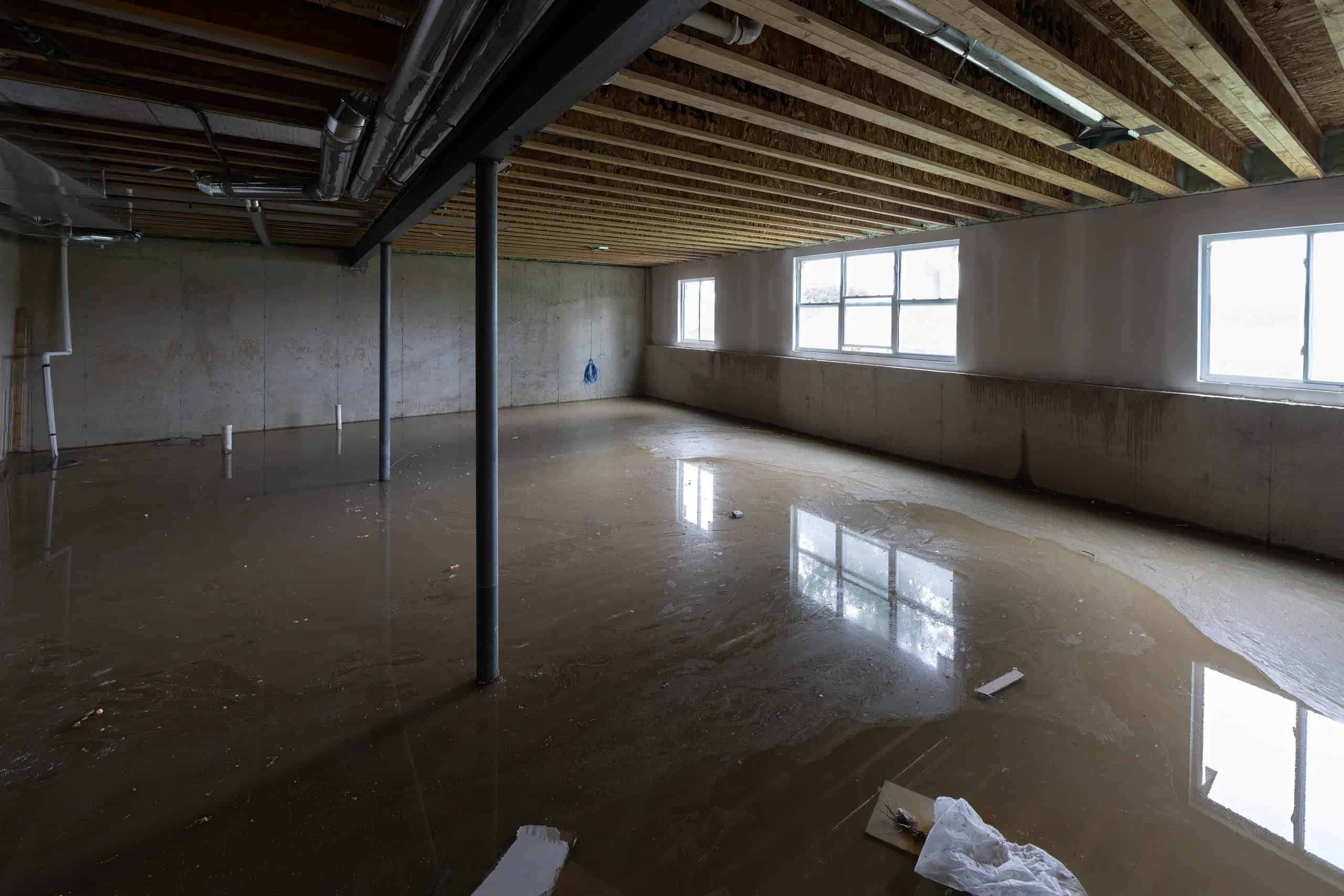
There’s also an important distinction between a pipe leak inside your home and water entering from outside. A burst pipe in your basement is an internal event and is generally covered. Groundwater seeping through your foundation walls after a heavy rain is not — that falls into flood territory, which requires separate coverage entirely. In Nassau County, where many homes sit close to tidal waterways, canals, and the Great South Bay, this distinction comes up more often than you’d think.
The practical takeaway: if you find water damage and you’re not sure whether it qualifies as sudden or gradual, document everything immediately — photos, the location of the source, the extent of visible damage — before anything is moved or dried. That documentation is often what determines whether a borderline claim gets approved or denied.
Does Home Insurance Cover Flood Damage in Nassau County?
This is where a lot of Nassau County homeowners run into real confusion — and it’s an expensive misconception to have.
Standard homeowners insurance does not cover flood damage. Full stop. Flooding caused by storm surge, overflowing waterways, heavy rain that overwhelms drainage systems, or any water that enters your home from the outside is specifically excluded from standard policies. To be covered for that, you need a separate flood insurance policy, typically through the National Flood Insurance Program (NFIP) or a private insurer.
Nassau County has a significant number of homes in FEMA-designated Special Flood Hazard Areas, particularly along the south shore in communities like Freeport, Oceanside, Long Beach, Massapequa, and Merrick. Many homeowners in these areas carry both a standard homeowners policy and an NFIP flood policy — but still aren’t sure which one applies when something goes wrong.
Flood Insurance vs. Homeowners Insurance: What Nassau County Residents Need to Know
The distinction between flood damage and standard water damage isn’t just a technicality — it determines which policy pays and whether you’re covered at all.
Here’s the clearest way to think about it: if the water came from inside your home — a burst pipe, an overflowing appliance, a failed water heater — that’s water damage, and your homeowners policy is the one that applies. If the water came from outside your home — rising water from a storm, a backed-up storm drain, tidal overflow, or runoff from a neighbor’s property — that’s flood damage, and only a flood insurance policy covers it.
This distinction matters enormously in Nassau County. After Superstorm Sandy in 2012, a lot of south shore homeowners learned the hard way that their standard policies didn’t cover the storm surge that flooded their homes. Many of those homeowners now carry NFIP flood policies, but the confusion about which policy applies to which scenario hasn’t fully gone away. We still see Nassau County homeowners who assume their flood policy covers an appliance leak, or vice versa.
If you’re in Merrick, Baldwin, Valley Stream, or anywhere near a tidal inlet or canal, it’s worth revisiting your coverage before the next major storm season. The August 2024 flooding that hit Nassau and Suffolk counties — severe enough to prompt a state emergency response — was a reminder that these aren’t hypothetical concerns. Knowing which policy covers which type of water event isn’t just good planning. It’s the difference between a manageable claim and a financial disaster.
What to Do When Your Water Damage Claim Is Denied in Nassau County
A denial isn’t the end of the road, but you need to move quickly and strategically.
Insurance companies deny water damage claims for a handful of consistent reasons: they classify the damage as gradual rather than sudden, they argue the homeowner was negligent in maintaining the appliance or plumbing, they determine the damage source was a flood rather than an internal event, or the documentation submitted with the claim wasn’t strong enough to support the scope of damage reported. In some cases, it’s a legitimate determination. In others, it’s a dispute worth fighting.
If your claim is denied, start by requesting the denial in writing with a specific explanation of the reason. Review that reason against your actual policy language — not the summary, the full document. Insurance policies are dense, but the section on water damage exclusions is usually clear enough to evaluate whether the denial aligns with what your policy actually says.
The most effective tool in a claim appeal is documentation. Photos taken immediately after the damage occurred, moisture readings from a professional restoration assessment, and a written scope of damage from a certified contractor give you concrete evidence to counter a vague denial. Adjusters work from what’s in front of them — if your initial claim was light on documentation, a more thorough submission on appeal can genuinely change the outcome.
This is an area where working with an experienced restoration company makes a real difference. When we respond to a water damage call in Nassau County, we document everything — photos, moisture meter readings, affected materials, and a written scope — specifically formatted in a way that insurance adjusters can use. That documentation doesn’t just support the initial claim. It supports the appeal if the first submission gets pushed back. For Nassau County homeowners dealing with older homes — many built in the 1940s through 1970s in communities like Levittown, Hicksville, and Uniondale — the scope of water damage can be more extensive than it first appears, which makes thorough documentation even more critical to getting a fair settlement.
Nassau County Water Damage Help: What to Do After an Appliance Leak
Most appliance-related water damage is covered by a standard homeowners policy — but the outcome depends heavily on how quickly you respond, how thoroughly the damage is documented, and whether the cause is clearly categorized as sudden and accidental rather than gradual or flood-related.
For Nassau County homeowners, the added complexity of flood zones, aging housing stock, and post-Sandy insurance landscapes means these questions come up more often and with higher stakes than in many other markets.
If you’re dealing with water damage right now — or trying to figure out what your options are after a claim denial — we’re available 24/7 and can be on-site within one to two hours. We handle the documentation, work directly with your insurance company, and take the process from water extraction through final repairs so you’re not coordinating multiple contractors while your home sits damaged. Reach out to us directly and we’ll walk you through exactly what comes next.