Summary:
You’ve probably already seen the cost ranges online — $3,000 here, $75,000 there — and none of it has made you feel any better about what’s sitting in front of you. That spread isn’t a mistake. It reflects a real problem with how fire cleanup costs get reported: different sources are measuring completely different scopes of work and calling it the same thing.
If your home is in Nassau County, there’s an additional layer that almost no national cost guide accounts for. We’ll get to that. But first, let’s sort out why the numbers vary so wildly — because once you understand that, the rest of this gets a lot easier to navigate.
Fire Restoration Costs: Why the Range Is So Wide
The short answer is that “fire cleanup” means different things depending on who’s quoting it. Some contractors and cost guides are pricing remediation only — soot removal, smoke odor control, debris hauling, and water extraction from firefighting efforts. Others are pricing the full restoration: new drywall, flooring, roofing, electrical work, and finishes. Those are two very different scopes, and when you blend them together in a single average, you get a number that’s accurate for nobody.
On Long Island specifically, minor kitchen fires tend to run $3,000 to $10,000 for cleanup and remediation. Full-home restoration following a major fire can reach $50,000 to $200,000 or more. The remediation work alone typically costs $4 to $7 per square foot. Once structural reconstruction enters the picture, that number can jump to $20 or more per square foot depending on finishes and the extent of the damage.
What Fire Cleanup Actually Includes — Beyond the Burned Areas
Most homeowners picture fire cleanup as removing the charred material and scrubbing the walls. The reality is considerably more involved, and the parts people don’t expect are often the parts that drive the cost.
Smoke and soot don’t stay in the room where the fire started. They travel through the air, settle on every surface, and — critically — get pulled into your HVAC system, where they redistribute throughout the entire structure every time the heat or air conditioning runs. Cleaning the fire room and leaving the ductwork untouched isn’t a completed job. It’s a job that will leave your home smelling like smoke indefinitely and continue circulating fine particulate matter through the air your family breathes.
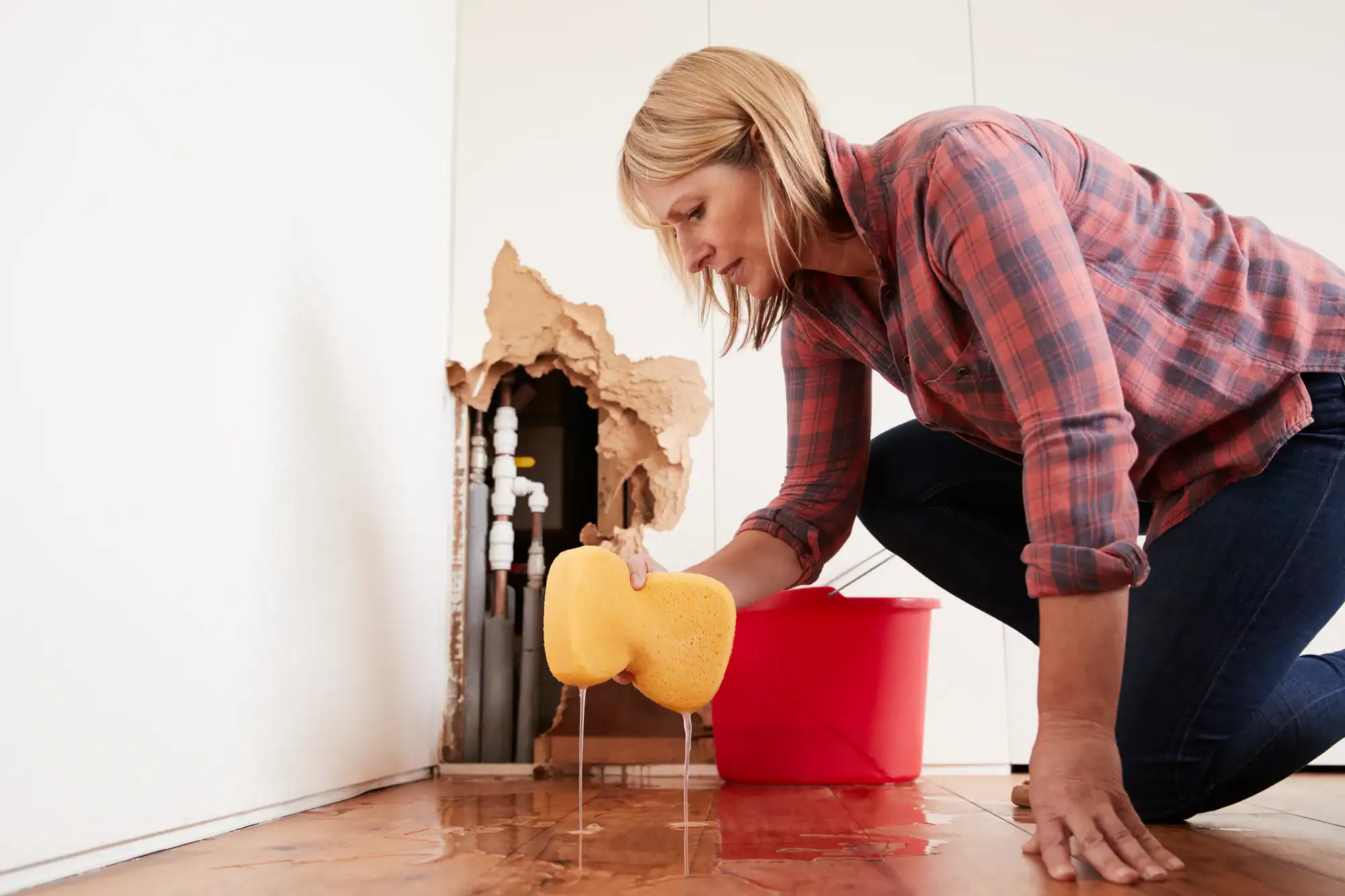
Then there’s the water. Whether the fire was controlled by your sprinkler system, a garden hose, or a fire department crew, water was introduced into your home under pressure and in volume. That water soaks into subfloor, insulation, and wall cavities — areas that don’t dry on their own within a reasonable timeframe. Mold begins growing within 24 to 48 hours of water introduction. Structural drying using commercial-grade dehumidifiers and thermal imaging isn’t optional; it’s what separates a completed restoration from a mold problem that shows up six months later. Water damage cleanup from firefighting efforts typically adds $1,000 to $6,000 to the overall project cost.
Smoke residues also create acids that continue etching and discoloring surfaces the longer they sit. Porous materials like drywall, wood framing, and insulation absorb odor molecules deeply — deeply enough that replacing carpets and drapes alone won’t eliminate the smell. Professional odor neutralization requires fogging, ozone treatment, or hydroxyl generators applied throughout the full structure, not just the affected rooms.
Water Damage Carpet Cleaning After a Fire: What Happens to Flooring
Carpet takes a hit from two directions in a fire event: soot and smoke from above, and firefighting water from below. The combination is almost always unrecoverable for the carpet itself, but the more important question is what happened underneath it.
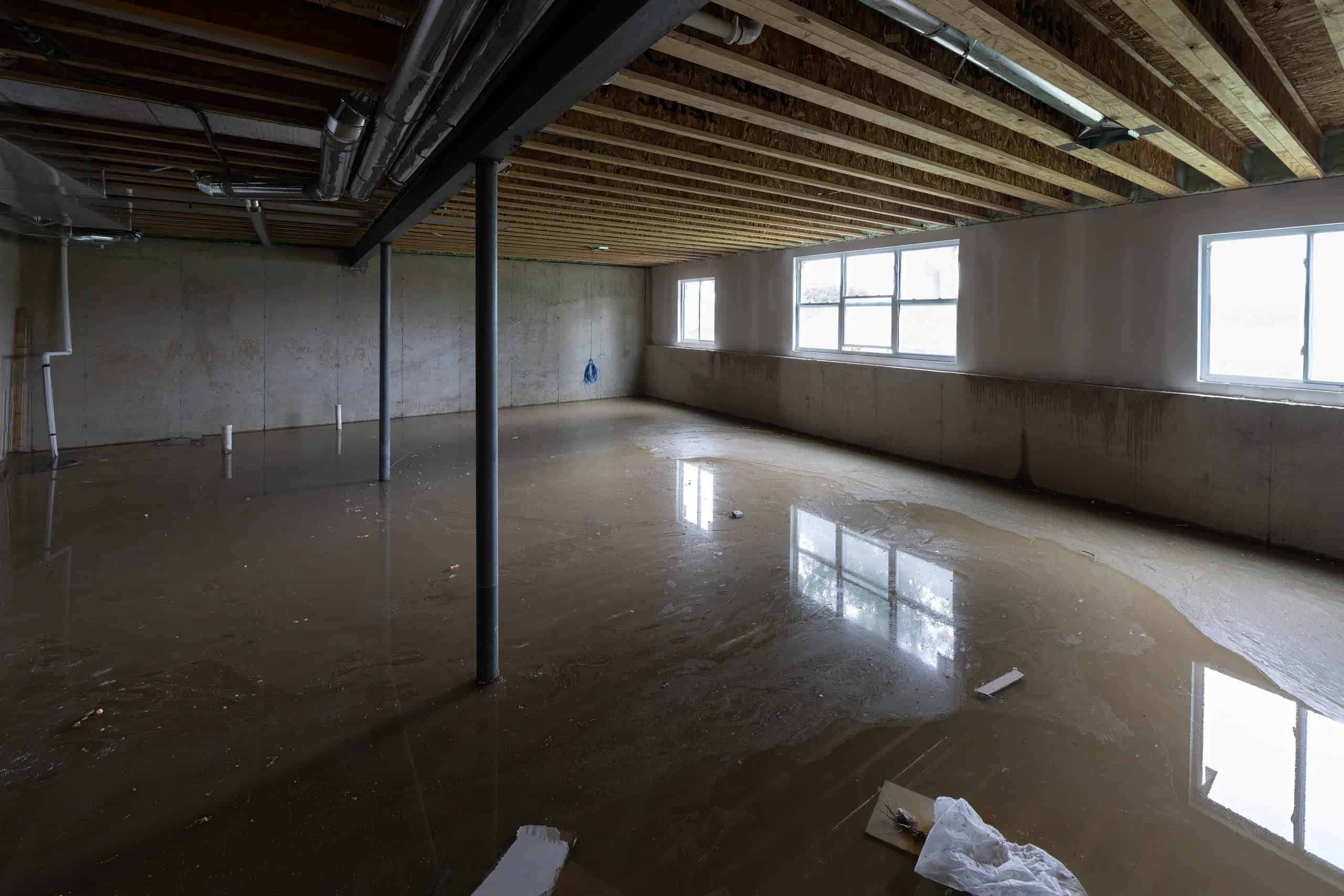
Water damage carpet cleaning after a fire isn’t really about saving the carpet — it’s about assessing what the water did to the subfloor and the structure beneath it. Water that soaks through carpet and into a wood subfloor creates ideal conditions for mold growth within 24 to 48 hours, particularly in Nassau County’s south shore communities like Oceanside, Long Beach, Freeport, and Merrick, where the water table sits close to the surface and structural drying takes longer than in drier climates.
The process involves extracting standing water, removing saturated flooring materials, and using thermal imaging to identify moisture that has migrated into wall bases and subfloor cavities that aren’t visible to the eye. Industrial dehumidifiers run continuously until moisture readings reach acceptable levels — and those readings are documented, not estimated. That documentation matters when your insurance adjuster is reviewing the scope of the claim.
In Nassau County homes built in the 1950s and 1960s — which describes most of Levittown, East Meadow, Westbury, and Elmont — the subfloor situation is often more complicated than it looks at first. Older construction methods, original adhesives, and decades of settling mean that water doesn’t always travel where you’d expect it to. Getting it right requires equipment and experience, not just a wet-dry vacuum and a fan.
Restoration Water Damage Experts and the Nassau County Factor Most Estimates Miss
Here’s the part that most national cost guides — and many local contractors — don’t mention upfront: in Nassau County, the age of your home changes the legal requirements for fire cleanup, and that changes the cost.
Nassau County’s median home was built in 1955. That means the vast majority of homes in communities like Valley Stream, Garden City, New Hyde Park, Lynbrook, and Floral Park predate 1978 — the year federal standards for asbestos and lead paint were tightened. Under New York State Industrial Code Rule 56, any disturbance of asbestos-containing material covering 10 square feet or more requires licensed abatement before demolition can proceed. Fire damage that requires tearing out walls, ceilings, or flooring almost always crosses that threshold.
Why Pre-1978 Nassau County Homes Add a Cost Layer Most Contractors Don't Catch Early
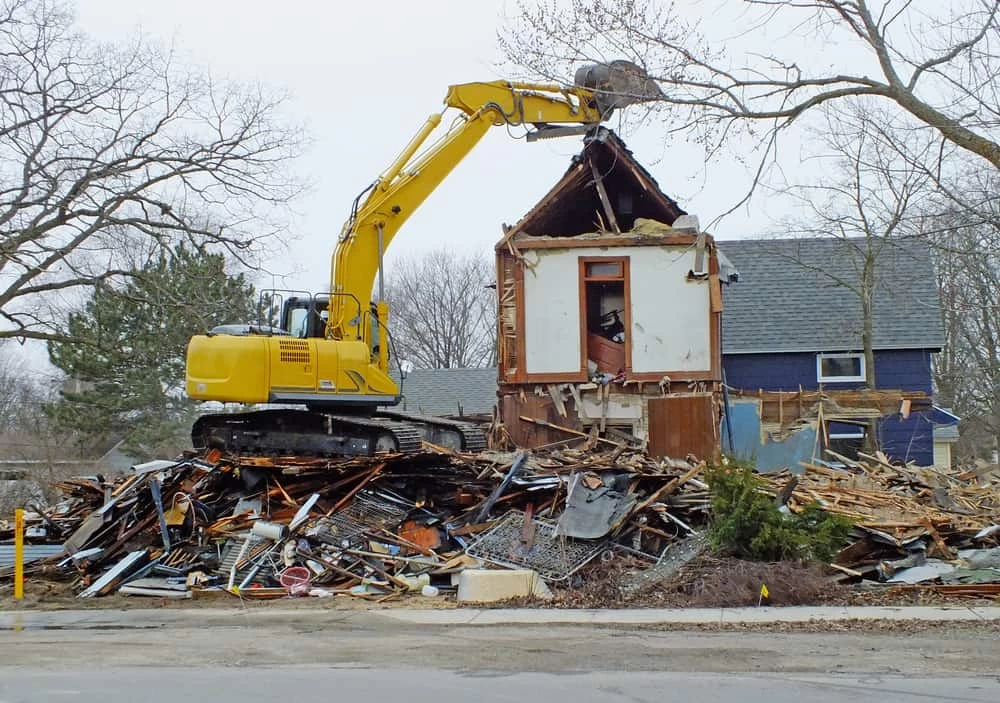
The problem isn’t that asbestos and lead abatement are unexpected — it’s that many restoration contractors discover them mid-project, after demolition has already begun, because they don’t hold the licenses required to handle them. When that happens, the job stops. A separate licensed abatement contractor has to be brought in, the schedule extends, and the homeowner is left coordinating between multiple vendors while their home sits partially demolished.
In Nassau County’s pre-1980 housing stock, asbestos-containing materials appear in predictable places: vinyl floor tiles in below-grade family rooms, joint compound in drywalled walls, and pipe insulation in oil-fired heating distribution systems. A thorough assessment before demolition begins — not after — is what separates a project that stays on budget from one that doesn’t.
We hold both a NYS DOL Asbestos license and a USEPA Lead certification alongside our IICRC Water and Fire Damage credentials and Nassau County General Contractor license. That means when we assess a fire-damaged home in Massapequa or Great Neck, we’re looking at the full picture from the start — not discovering a problem halfway through the job that requires stopping work and calling someone else. It’s a practical difference that shows up in the final cost and the final timeline.
Furnace Puffback Cleanup on Long Island: The Fire Damage Type Nassau County Homeowners Encounter Most
There’s a specific type of fire damage that’s disproportionately common in Nassau County and rarely explained in national cost guides: furnace puffback. If your home runs on oil heat — which describes a large share of Nassau County’s housing stock — your oil burner can accumulate unburned fuel that ignites explosively in the combustion chamber. When that happens, petroleum-based soot gets ejected through the duct system and distributed throughout every room in the heated zone.
Puffback events tend to cluster in November through January, when oil burners that sat dormant through summer are restarted for the first time. The soot produced by a puffback is oily, sticky, and clingy in a way that standard fire soot isn’t — it adheres to walls, ceilings, and contents differently and requires specific cleaning protocols to remove without smearing it deeper into surfaces.
The scope of a puffback cleanup is whole-house by definition. Even rooms that show no visible soot have been contaminated through the duct system. That means surface remediation throughout the structure, full HVAC duct cleaning, and odor neutralization — not just a wipe-down of the mechanical room. Homeowners in Hempstead, Levittown, and Merrick who’ve dealt with puffback often describe the initial damage as “not that bad” until a thorough assessment reveals soot on every surface in every room.
Insurance coverage for puffback damage varies by policy. Some homeowners insurance policies cover it as a sudden and accidental event; others require a specific endorsement. Documenting the full scope of the damage with photographs, moisture readings, and a detailed written assessment before any cleaning begins is essential for a complete claim — and it’s a step that’s easy to skip when you’re trying to move fast.
Choosing the Right Fire Cleanup Company in Nassau County
The cost of fire cleanup on Long Island is genuinely variable — not because contractors are inconsistent, but because the scope of the work depends on factors that only become clear once someone who knows what they’re looking at walks through your home. The age of the structure, the type of fire, the extent of water introduction, the condition of the HVAC system, and the presence of asbestos or lead all affect what the job actually requires.
What matters most at this stage isn’t finding the lowest estimate — it’s finding a contractor who can assess the full scope honestly, handle every phase without stopping to bring in outside help, and document the damage in a way that supports your insurance claim rather than complicating it.
If you’re dealing with fire damage in Nassau County and want a straight answer about what you’re actually looking at, we at Green Island Group offer 24/7 emergency response, direct insurance billing with no upfront costs, and the full license stack required to handle everything from initial assessment through final reconstruction — under one roof, with one point of contact throughout.