Summary:
A fire in your home is disorienting in a way that’s hard to describe until you’ve been through it. The smoke smell, the visible damage, the immediate question of where your family sleeps tonight — and somewhere underneath all of that, the nagging uncertainty about what your insurance policy is actually going to do for you. Most people pay their premiums for years without ever really knowing what they’re covered for. Then something happens, and suddenly it matters enormously. This page is here to give you a straight answer on what standard homeowners insurance covers after fire damage, where the common gaps are, and what the claims process actually looks like from start to finish.
What Homeowners Insurance Actually Covers After a Fire
The short answer is: more than most people expect, but less than most people assume. A standard homeowners insurance policy typically covers four things after a fire — the structure of your home, your personal belongings, temporary housing while repairs are underway, and liability if someone was injured on the property during the incident.
Dwelling coverage pays to repair or rebuild the physical structure: walls, roof, flooring, framing, windows. Personal property coverage replaces what was inside — furniture, clothing, electronics, appliances. Additional Living Expenses, or ALE, covers the cost of staying somewhere else while your home is being restored, including hotel bills and meals above your normal spending.
What people often miss is that smoke damage and the water used to fight the fire are also covered under a standard fire claim. Both are treated as direct consequences of the covered loss — not separate events requiring separate claims. That distinction matters, and we’ll come back to it.
Home Insurance Claim Process After Fire Damage: What to Expect Step by Step
The process starts before the restoration company even arrives. Your first call after ensuring everyone is safe should be to your insurance carrier to report the loss. Most major insurers have 24-hour claim lines. From there, an adjuster is assigned to your case — their job is to evaluate the damage and determine what the policy covers.
Here is where a lot of homeowners make an expensive mistake: they start cleaning up before the adjuster has seen the property. Understandably, you want to do something. But removing debris, throwing out damaged items, or wiping down surfaces before everything is documented can significantly reduce your claim. The adjuster needs to see the full picture. So do we. Before anything is touched, photograph and video every room, every damaged surface, every ruined belonging you can identify.
Once the adjuster completes their inspection, they produce a scope of work and a cost estimate. This is not automatically the final word. If the estimate doesn’t account for smoke penetration inside your walls, soot in your HVAC ductwork, or water damage in your subfloor from firefighting efforts, you have the right to dispute it. We work directly with your adjuster and can document and justify a more comprehensive scope when the initial estimate falls short. That difference can be substantial, sometimes tens of thousands of dollars on a Nassau County home.
Timeline-wise, most insurers are required under New York State law to acknowledge a claim within a defined window and issue a coverage decision within a reasonable timeframe. In practice, straightforward residential fire claims often see initial payment within two to four weeks of the inspection, though complex claims or disputes can stretch longer. Knowing what to expect keeps you from making rushed decisions out of frustration.
One more thing worth understanding: you are not required to use the contractor your insurance company recommends. In New York State, you have the right to choose your own restoration company. We work on your behalf — not within the insurer’s cost parameters, but with your best outcome as the priority.
Why Fire Damage Claims Get Denied or Underpaid — and How to Protect Yourself
Claim denials are less common than underpayments, but both happen more often than they should. Understanding the reasons behind them is the best way to avoid them.
The most clear-cut denial reasons are intentional fires and gross negligence — an uncleaned chimney that’s been flagged for years, a known faulty space heater that was left running unattended. Insurers also deny claims on properties that were vacant for an extended period, since most policies have occupancy requirements. And if there are material errors on your original insurance application, a carrier may use that as grounds to contest coverage.
More commonly, though, claims aren’t denied outright — they’re underpaid. This happens when damage isn’t fully documented, when the adjuster’s scope of work misses secondary damage like smoke inside the HVAC system or water-saturated wall cavities, or when the homeowner doesn’t know to push back. It also happens when homeowners don’t realize that bringing their home up to current building code during repairs isn’t automatically covered. Electrical panel upgrades, updated plumbing configurations, current fire suppression requirements — these fall under what’s called ordinance or law coverage, and it requires a specific endorsement on your policy. Many Nassau County homeowners, particularly those in Levittown-era homes built in the 1940s through 1960s, discover this gap the hard way when restoration uncovers outdated wiring or systems that code now requires to be replaced.
The practical protection against underpayment is thorough, professional documentation from the start. Every damaged surface photographed. Every affected system tested. Every cost justified with industry-standard pricing. When we work on a fire damage claim, we compile that documentation and submit it directly to the insurance carrier — not because it’s a nice extra service, but because it’s what determines whether you get a fair settlement.
Water Damage Claims and Home Insurance: The Fire Connection Nassau County Homeowners Miss
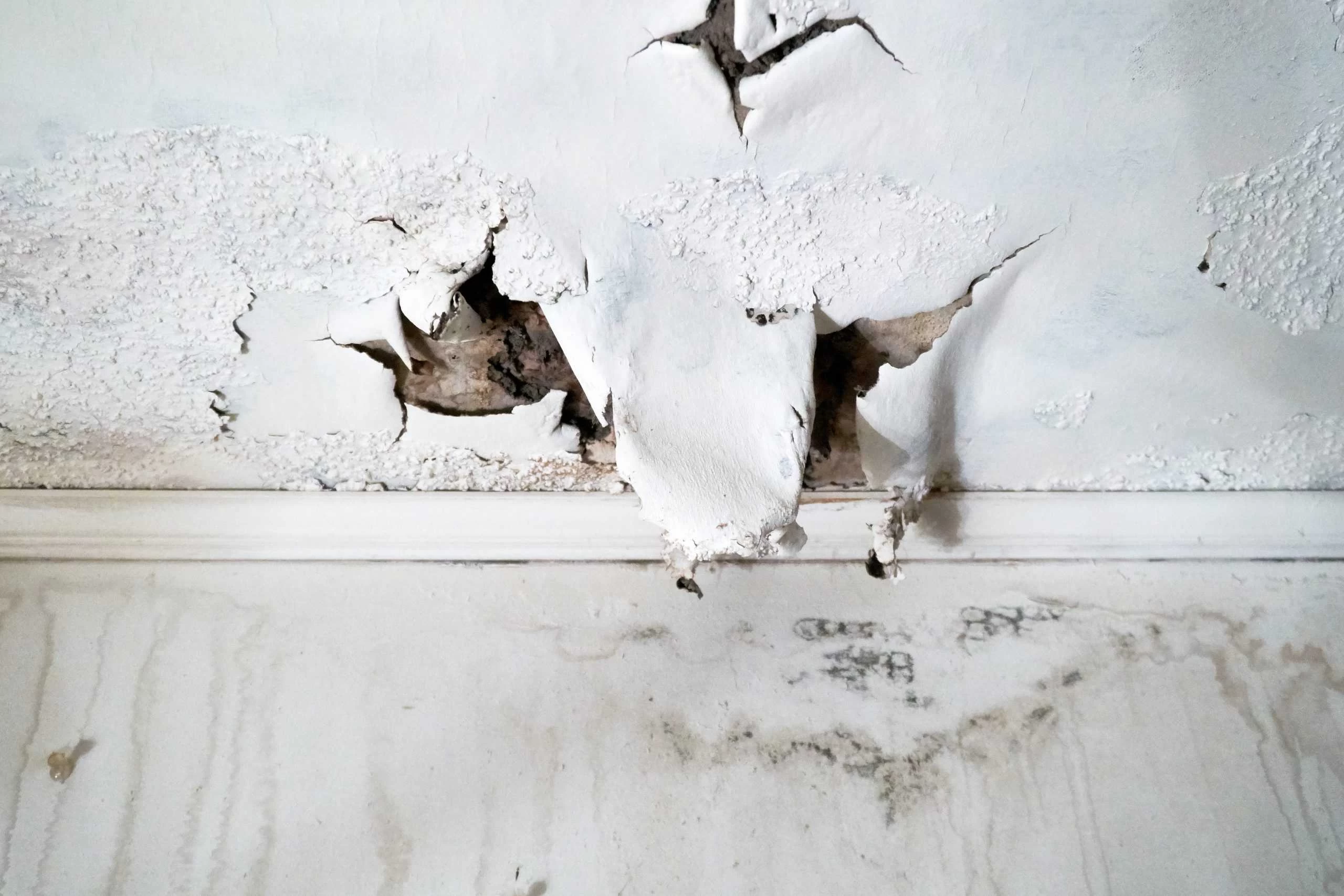
One of the most consistent points of confusion we see after a fire is the water damage question. Firefighters use a lot of water. That water soaks into subfloors, saturates drywall, pools in basements, and creates conditions for mold growth within 24 to 48 hours if it isn’t addressed. Homeowners often assume this is a separate problem requiring a separate claim — or worse, that it isn’t covered at all.
It is covered. Water damage resulting directly from firefighting efforts is treated as a consequence of the original fire loss and falls under your standard homeowners insurance claim. You do not need a separate water damage claim for hose water. What you do need is documentation that clearly connects the water damage to the fire event, and a restoration company that knows how to present that connection to an adjuster.
Does Homeowners Insurance Cover Water Damage From Rain After a Fire?
This is where it gets more nuanced, and it’s a question that comes up often in Nassau County — especially for homeowners along the South Shore in communities like Long Beach, Oceanside, Freeport, and Massapequa, where weather exposure is a real factor.
If a fire damages your roof or exterior walls and rain subsequently enters through those openings before repairs can be made, that rain damage is generally covered as part of the fire claim. The logic is the same: the fire created the vulnerability, so the resulting damage flows from the covered loss. However, the insurer will expect you to have taken reasonable steps to prevent further damage — tarping the roof, boarding up openings — as soon as it was safe to do so. Failure to mitigate is one of the grounds insurers use to reduce or deny secondary damage claims.
What is not covered by standard homeowners insurance is rain or stormwater that enters through pre-existing vulnerabilities unrelated to the fire. If your roof was already compromised before the fire, the insurer may contest coverage for rain intrusion through that area. This is why the pre-loss condition of your home matters, and why a thorough inspection that distinguishes fire-related damage from pre-existing conditions is important from the very first day.
For Nassau County homeowners near the water, it’s also worth being clear on the flood insurance distinction. Standard homeowners insurance does not cover flooding from external sources — rising groundwater, storm surge, overflowing waterways. That requires a separate flood insurance policy through the National Flood Insurance Program or a private insurer. If your home experienced both fire damage and flood-related water intrusion from a storm, those are two separate claims under two separate policies. The Hurricane Sandy experience taught a lot of Nassau County families this lesson the hard way, and it’s worth knowing before you need it.
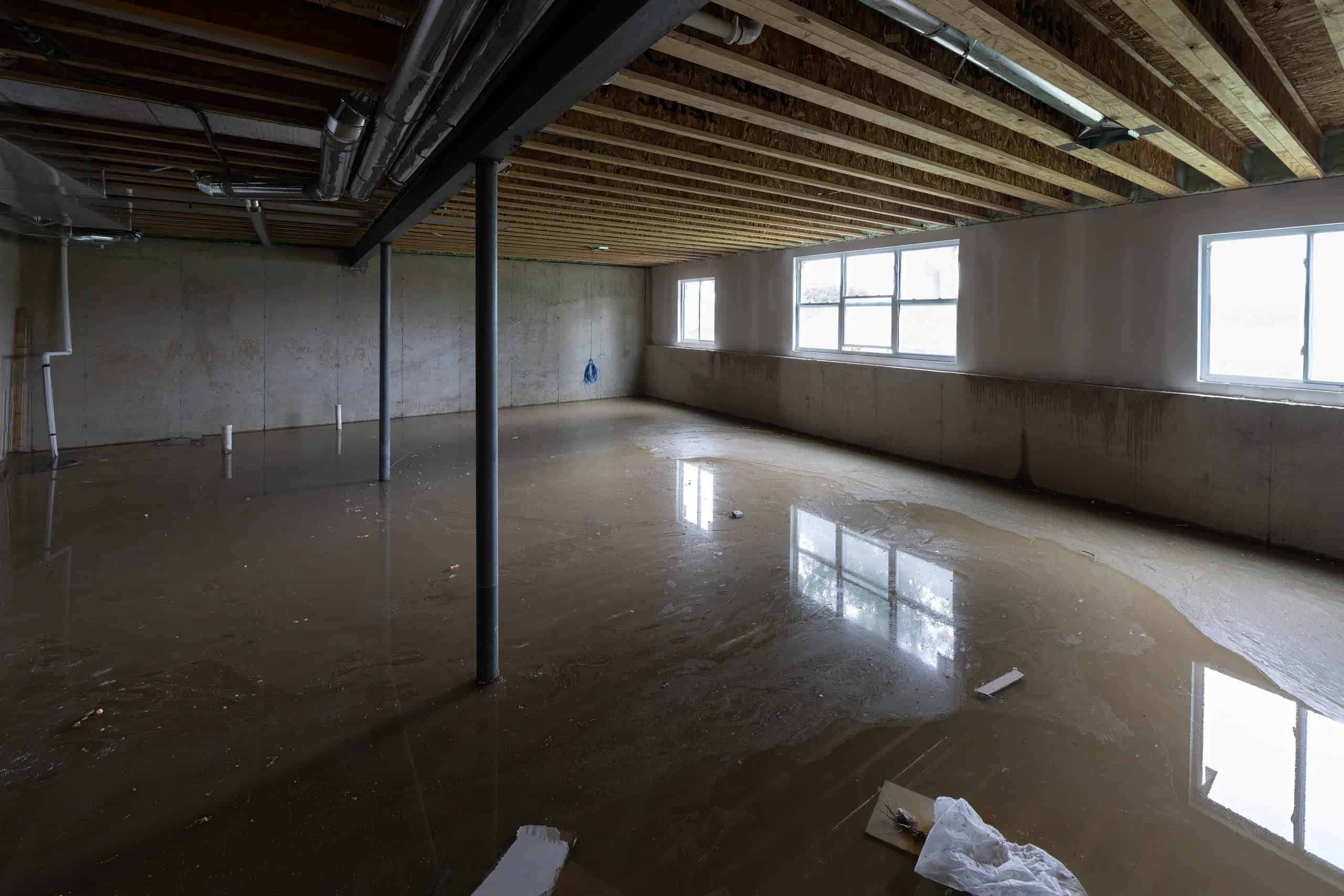
Does Insurance Cover Basement Flooding After a Fire?
The answer depends entirely on where the water came from — and this is a distinction that matters enormously for Nassau County homeowners, many of whom live in areas with high water tables, aging drainage infrastructure, or proximity to tidal waterways.
If water is in your basement because firefighters pumped thousands of gallons into your home and it migrated downward, that is firefighting water, and it is covered under your fire damage claim. Document it, report it as part of the fire loss, and make sure your restoration contractor addresses it as part of the overall scope.
If water is in your basement because the fire compromised your foundation or created an opening that allowed external water to enter, coverage depends on the circumstances and your specific policy language. Your adjuster will evaluate whether the water intrusion was a direct result of the fire damage.
If water is in your basement because of groundwater seepage, a storm, or a pre-existing drainage problem that has nothing to do with the fire, standard homeowners insurance will not cover it. That falls under flood coverage, and if you don’t have a separate flood policy, it’s an out-of-pocket expense. For homeowners in Nassau County’s FEMA-designated flood zones — and there are many, particularly along the South Shore and in low-lying inland areas — this is a real exposure worth understanding before something happens.
One practical note: regardless of where the water came from, the clock starts immediately. Wet materials need to be dried within 24 to 48 hours to prevent mold growth. Mold remediation is a separate, significant cost — and while it’s often covered when it results from a covered water event, it’s far better to prevent it than to remediate it. Speed matters here, which is why our emergency response is available around the clock and why we aim to be on-site within an hour of your call.
Working With a Nassau County Fire Restoration Team That Knows the Insurance Process
The insurance side of fire damage restoration is where a lot of homeowners feel most lost — and where the outcome of the entire process is often decided. Getting a fair settlement isn’t just about having coverage. It’s about documentation, timing, understanding what to claim, and knowing how to respond when an adjuster’s estimate falls short of what the damage actually requires.
Nassau County homes come with their own specific considerations: older construction with asbestos and lead paint implications, coastal proximity that complicates the water damage picture, high property values that make every coverage gap more consequential. These aren’t abstract concerns — they show up in real claims, on real properties, in towns like Garden City, Rockville Centre, Levittown, and Long Beach.
If you’re navigating a fire damage situation right now, or trying to understand what you’d be dealing with if it happened, we’re here to help. We handle the documentation, work directly with your insurance carrier, and manage the full restoration from emergency response through rebuild — so you’re not doing this alone.