Summary:
When a fire breaks out in your Nassau County home, the instinct is to focus on what burned. The charred kitchen wall. The blackened ceiling. The room that took the worst of it. That’s understandable — it’s what you can see. But in fire restoration, the visible damage is rarely the most expensive part. Smoke travels to rooms the fire never touched. Firefighting water soaks into subfloors and wall cavities. Soot starts etching surfaces within hours. If you’re trying to understand what you’re actually dealing with — and what needs to happen next — this guide is for you.
What Fire Clean Up Actually Involves
The term “fire clean up” sounds manageable. Remove the debris, wipe down the surfaces, air the place out. But what a fire actually leaves behind involves four overlapping damage tracks — and they all need to be addressed at the same time, in the right sequence.
There’s the direct structural damage from the fire itself. There’s smoke and soot, which spread well beyond the burn area. There’s the water damage from firefighting suppression — which can introduce thousands of gallons into a structure. And in Nassau County specifically, there’s the very real possibility of disturbed asbestos or lead paint, because most of the county’s housing stock was built before 1980.
Miss any one of those tracks, and the cleanup isn’t finished — it’s just deferred.
Why Smoke Damage Reaches Rooms the Fire Never Touched
This is the part that surprises most homeowners. A fire in the kitchen doesn’t stay in the kitchen. Smoke is light, fast-moving, and it follows air pressure — which means it travels through wall cavities, open floor plans, and most importantly, through your HVAC ductwork.
Every time your heating or cooling system runs after a fire, it’s actively pulling smoke-laden air through the ducts and redistributing it to every room in the house. Soot particles settle on walls, inside closets, on furniture, and inside the duct system itself. By the time you notice the smell in a bedroom two floors away from the fire, those particles have already embedded themselves into porous surfaces.
Soot isn’t just a cosmetic problem. It’s acidic. Within 24 to 72 hours of deposition, it begins permanently etching metals, discoloring plastics, staining porous materials, and corroding surfaces that weren’t touched by the fire at all. That window closes fast.
This is why genuine fire restoration includes HVAC cleaning as a non-negotiable step — not an add-on. If the ductwork isn’t cleaned, the odor and contamination don’t go away. They recirculate every time the system kicks on. The ANSI/IICRC S700 standard, which governs professional fire and smoke damage restoration, specifically addresses building systems including HVAC for exactly this reason.
For Nassau County’s older Cape Cod and ranch-style homes — where attic configurations and open duct runs allow smoke to migrate rapidly through the structure — this isn’t a hypothetical. It’s a pattern we see consistently on fire jobs across the county.
The Asbestos and Lead Reality in Nassau County Fire Restoration
If your home was built before 1980 — which describes the majority of Nassau County’s residential housing stock — fire restoration almost certainly involves more than smoke and soot remediation.
Post-war Nassau County development produced tens of thousands of homes built with materials we now know to be hazardous. Vinyl composite floor tiles from the 1950s and 60s. Pipe insulation on oil-fired boilers. Joint compound and ceiling texture. Roof underlayment. Boiler insulation. These materials frequently contain asbestos, and when a fire disturbs them — or when demolition is required to begin reconstruction — New York State law requires a pre-demolition asbestos survey before any demolition work can proceed. That requirement comes from NYS Code Rule 56, and it applies to any building constructed before 1980.
Lead paint is a parallel issue. The EPA’s Renovation, Repair, and Painting Rule requires certified contractors when working on pre-1978 buildings where lead paint may be disturbed. In Nassau County, that’s most of the housing stock.
The reason this matters practically: a contractor who doesn’t hold NYS DOL Asbestos certification cannot legally perform abatement in New York. If they subcontract it to someone else, you’re now managing multiple vendors, multiple timelines, and multiple accountability gaps — while displaced from your home.
We hold NYS DOL Asbestos certification, NYS DOL Mold certification, and USEPA Lead and RRP certifications in-house. That means when a fire job in Mineola, Hempstead, or Massapequa turns up asbestos-containing materials behind a wall — and it does, regularly — we handle it without stopping the job, calling in a third party, or asking you to coordinate anything.
Fire Damage and Water Damage: Two Problems That Arrive Together
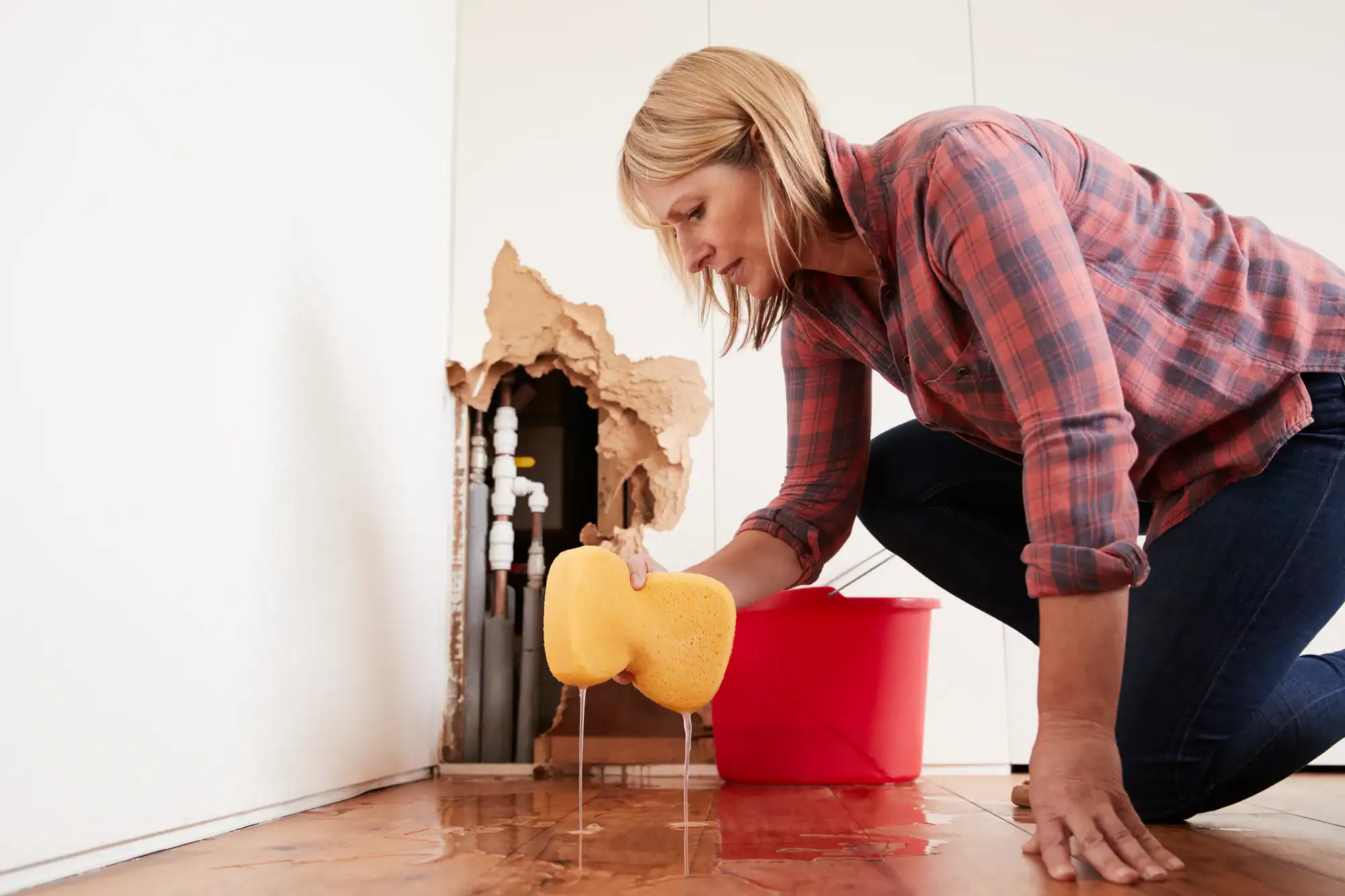
One of the most common misconceptions about fire restoration is that water damage is a separate problem — something that happens to other people, from floods or burst pipes. In reality, firefighting suppression water is one of the primary drivers of secondary damage after a house fire.
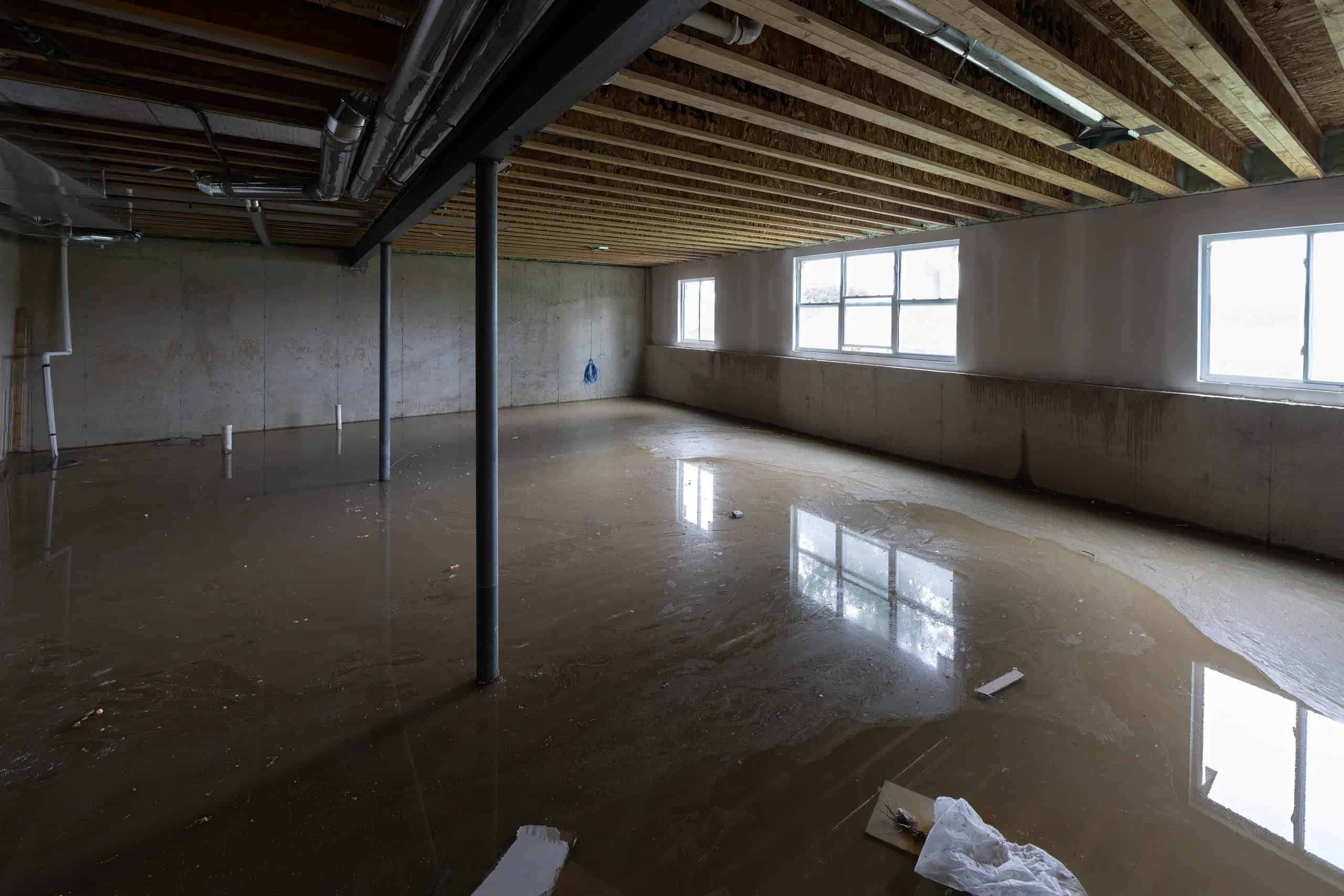
A suppression hose line delivers roughly 250 gallons of water per minute into a structure. A residential fire response can introduce thousands of gallons into your home in the span of a single incident. That water doesn’t drain away cleanly. It soaks into subfloors, migrates into wall cavities, pools in basements, and — in Nassau County, where the water table runs high — has fewer natural drainage pathways than it would in other markets.
Why Restoration Water Damage Experts Need to Be Part of the Fire Response
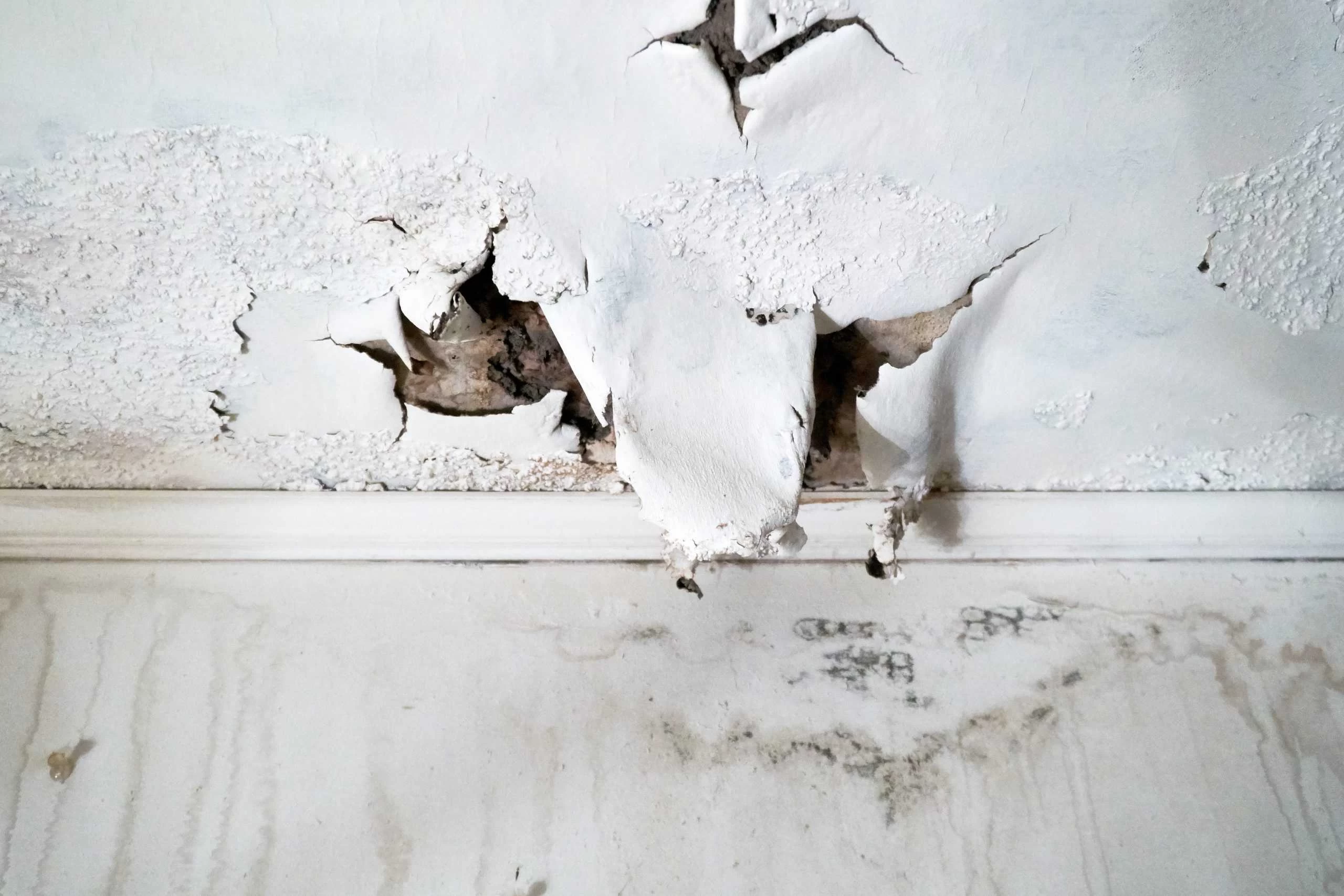
The 24 to 48 hours after a fire are the most critical window for preventing mold. Once suppression water is in the structure, the clock starts. Mold doesn’t wait for the insurance adjuster to arrive, for permits to be pulled, or for a contractor to schedule an estimate. It begins developing within that window — and it does so in places you can’t see, behind drywall, under flooring, inside wall assemblies.
This is why fire restoration and water damage expertise have to exist in the same company. A contractor who handles smoke remediation but doesn’t have the equipment and training to extract water, measure moisture behind walls, and run commercial drying equipment is leaving half the job undone. Thermal imaging cameras find moisture hidden in structural cavities that a standard inspection — or a homeowner with a mop — would completely miss.
We hold IICRC certifications covering both fire and smoke damage restoration and water damage remediation. That’s not a coincidence — it reflects the reality that these two damage tracks almost always arrive together after a fire, and they require a coordinated response, not sequential handoffs between different companies.
Nassau County’s South Shore communities add another layer of complexity here. In areas like Oceanside, Long Beach, and Massapequa, ambient humidity is elevated year-round due to coastal proximity. Post-fire moisture in those structures doesn’t dry out on its own the way it might in a drier climate. It requires aggressive, equipment-driven drying protocols to prevent mold from establishing in what’s already a high-humidity environment.
How Long Does Fire Damage Restoration Take?
This is one of the first questions homeowners ask, and it deserves a straight answer rather than a vague “it depends.”
For a contained fire with limited smoke damage and no structural involvement — a kitchen puffback from an oil-fired boiler, for example, which is a common event in Nassau County’s older homes — restoration typically takes one to two weeks. The work involves soot removal, odor neutralization, HVAC cleaning, and surface restoration, but no major demolition or rebuild.
For a moderate fire affecting several rooms, with structural damage, significant smoke penetration, and suppression water requiring extraction and drying, the timeline is more commonly three to five weeks. This accounts for the drying period, which cannot be rushed, and any asbestos survey and abatement that the pre-1980 building stock may require before reconstruction begins.
For a severe fire involving major structural damage — full or partial demolition, complete reconstruction, asbestos abatement, and finish work — six to twelve weeks is a realistic range, sometimes longer depending on permit timelines and the scope of what the structure requires.
The honest answer is that timelines are driven by two things: the actual scope of damage, and whether the company you’re working with has the full license stack to move through each phase without stopping to bring in additional contractors. Every handoff between vendors adds time. Every permit that requires a licensed general contractor — and Nassau County building permits do — adds time if the restoration company isn’t also a licensed GC.
We hold a Nassau County General Contractor license, which means we pull permits directly and manage the full scope of work without subcontracting the phases that require it. That single factor has a measurable effect on how quickly a project moves from emergency stabilization to completed reconstruction.
What to Do After a House Fire in Nassau County, NY
The most important thing to understand is that the damage doesn’t stop when the fire does. Soot is etching surfaces right now. If firefighting water entered the structure, the mold clock is already running. The longer the gap between the fire and a qualified response, the more expensive and complicated the restoration becomes.
You don’t need to have everything figured out before you make a call. You need someone who can walk you through what’s actually happening in your home, document it properly for your insurance carrier, and move quickly through every phase of the response — smoke, water, hazardous materials, and reconstruction — without handing you off to a different company at each step.
Green Island Group has been doing exactly that across Nassau County for over 12 years. If you’re dealing with fire damage right now and want a straight answer about what you’re looking at, reach out to our team. We’re available 24/7, and the first conversation costs you nothing.