Summary:
Water-Efficient Fixtures That Actually Save Money in NYC
Water costs in NYC add up fast, especially when your bathroom accounts for nearly half your home’s water usage. The good news? Modern water-efficient fixtures have come a long way from the weak-pressure disappointments of the past.
Low-flow doesn’t mean low performance anymore. Today’s WaterSense-certified fixtures use smart engineering to maintain the pressure and coverage you expect while dramatically reducing consumption. A quality low-flow showerhead can cut your shower water use by 20-40% without you noticing the difference.
The numbers speak for themselves. Replace old, inefficient faucets with WaterSense models and your family could save 700 gallons per year. Scale that across all your bathroom fixtures, and you’re looking at potential water savings of up to 60%—which translates to real money back in your pocket every month.
NYC's WaterSense Requirements and Available Rebates
NYC takes water efficiency seriously, and the regulations actually work in your favor. Since July 2010, the city requires all new residential bathroom faucets and showerheads to carry WaterSense certification, ensuring you get fixtures that perform while conserving water.
But here’s where it gets interesting for your wallet. NYC’s Water Conservation and Reuse Grant Pilot Program offers significant incentives for property owners who invest in water efficiency upgrades. While the program primarily targets larger projects ($50,000+), it demonstrates the city’s commitment to supporting water conservation efforts.
For residential projects, utility companies often provide rebates for installing water-saving toilets, faucets, and showerheads. These rebates can significantly offset your upfront costs, making high-efficiency fixtures more affordable than you might expect. The key is working with a contractor who understands these programs and can help you identify qualifying products.
WaterSense fixtures aren’t just about compliance—they’re about performance. These products undergo rigorous third-party testing to ensure they deliver at least 20% water savings without sacrificing the user experience. When you’re investing in a bathroom remodel, choosing WaterSense-certified fixtures means you’re getting products that have proven their efficiency and reliability.
NYC’s building codes also specify minimum flow rates to ensure user satisfaction even with low-flow fixtures. This means you won’t end up with that frustrating trickle that leaves you standing under the showerhead longer, ultimately wasting the water you were trying to save.
Smart Low-Flow Solutions for NYC Apartments and Condos
NYC living often means dealing with older plumbing systems and unique building challenges, but that doesn’t mean you can’t benefit from water-efficient fixtures. The trick is choosing the right technology for your specific situation.
Dual-flush toilets are particularly smart for NYC homes. They give you options—a lower flush for liquid waste and a full flush when needed. This flexibility is perfect for urban living where every gallon counts. Modern dual-flush models use 1.28 gallons per flush or less while maintaining the performance needed to handle New York’s older sewer systems.
For showers, look for fixtures that use pressure-compensating technology. These maintain consistent flow even when building water pressure fluctuates—a common issue in older NYC buildings. Some models include features like pause buttons that let you stop the flow while soaping up, saving even more water without any installation complexity.
Aerators are the unsung heroes of water efficiency. These simple devices mix air with water flow, maintaining pressure while reducing actual water usage. They’re particularly effective on bathroom faucets where you need good flow for tasks like washing hands or brushing teeth, but don’t need the full force of traditional fixtures.
The temperature consistency benefit is often overlooked but crucial in NYC apartments. Lower flow rates make it easier for your water heater to keep up, reducing those annoying mid-shower temperature drops that are common in older buildings. This means more comfortable showers and less energy waste from your water heating system.
Installation considerations matter in NYC’s varied building stock. Co-op and condo boards often have specific requirements, but water-efficient fixtures typically face fewer restrictions since they reduce building-wide water usage. We’re familiar with NYC building requirements and ensure your upgrades meet both efficiency goals and building compliance.
Sustainable Materials That Last in NYC's Climate
NYC’s humid summers and dry winters demand bathroom materials that can handle constant temperature and moisture changes. Sustainable doesn’t mean sacrificing durability—in fact, many eco-friendly materials outperform traditional options in longevity and maintenance requirements.
Recycled glass tiles have become incredibly popular for good reason. Made from post-consumer materials like bottles and car windshields, these tiles offer unique visual appeal while diverting waste from landfills. They’re non-porous, stain-resistant, and their reflective properties help brighten smaller NYC bathrooms by maximizing available light.
Reclaimed wood brings character that new materials simply can’t match, especially valuable in NYC’s historic buildings. Properly treated reclaimed wood for vanities and shelving adds warmth while supporting sustainable practices. The key is ensuring proper sealing for bathroom moisture conditions.
Bamboo flooring deserves serious consideration for NYC bathrooms. It’s naturally moisture-resistant, grows incredibly fast (making it highly renewable), and offers the warmth of wood with better water resistance. Modern bamboo products are engineered for durability and come in styles that complement both traditional and contemporary NYC interiors.
Reclaimed and Recycled Tile Options for NYC Bathrooms
The recycled tile market has exploded with options that make sustainability stylish. Recycled porcelain tiles, made from at least 50% recycled materials, offer the durability NYC bathrooms need while supporting circular economy principles. These tiles repurpose manufacturing waste and offcuts that would otherwise end up in landfills.
Terrazzo tiles represent one of the world’s original recycled materials, now available with up to 66% post-consumer recycled content. They’re incredibly durable—perfect for high-traffic NYC bathrooms—and their speckled patterns help disguise everyday wear while adding personality to the space.
The beauty of recycled glass tiles lies in their versatility. Available in transparent and opaque colors with various finishes, they work equally well as accent pieces or full wall installations. Their light-reflecting properties are particularly valuable in NYC’s often windowless bathrooms, helping create the illusion of more space and brightness.
Sourcing matters when choosing recycled materials. Look for suppliers who provide clear documentation of recycled content percentages and manufacturing processes. Many major tile manufacturers now offer recycled lines, making these sustainable options more accessible and competitively priced than in the past.
Installation considerations for recycled tiles are generally the same as traditional materials, but working with contractors experienced in sustainable materials ensures proper handling and installation techniques. Some recycled glass tiles require specific adhesives or grouting approaches to achieve optimal results and longevity.
NYC’s architectural salvage scene offers unique opportunities for truly distinctive reclaimed materials. From vintage subway tiles to reclaimed marble from demolished buildings, these materials bring authentic New York history into your bathroom while supporting waste reduction efforts.
Low-VOC Finishes and Paints for Healthier Indoor Air
Indoor air quality matters more in NYC than many other places. Dense urban living, limited ventilation, and sealed building envelopes mean the materials you choose directly impact the air your family breathes every day. This is where low-VOC and VOC-free finishes become crucial health investments.
Volatile Organic Compounds (VOCs) are chemicals that evaporate from paints, sealers, and adhesives, potentially causing headaches, respiratory irritation, and long-term health effects. In compact NYC apartments where air doesn’t circulate as freely as suburban homes, these chemicals can accumulate to problematic levels.
Modern low-VOC paints have come remarkably far in performance and color options. Brands specifically formulated for high-humidity spaces like bathrooms offer excellent coverage and durability while maintaining minimal chemical off-gassing. Some are even designed to actively improve indoor air quality by absorbing common household pollutants.
The timing of application matters significantly in NYC renovations. When possible, apply finishes before moving furniture and belongings back into the space, allowing maximum ventilation during the off-gassing period. This is particularly important in buildings where opening windows for extended periods isn’t always practical.
Sealers and adhesives deserve equal attention. Many bathroom installations require waterproof sealers around tubs, showers, and tile work. Low-VOC alternatives perform just as well as traditional products while contributing to healthier indoor air. The same applies to tile adhesives and grout—sustainable options exist that don’t compromise installation quality.
Consider the cumulative effect of multiple products. Even low-VOC materials can add up when you’re using paints, sealers, adhesives, and other finishes in a single project. Planning your material selections to minimize total VOC load creates the healthiest possible environment for your family.
Creating Your Sustainable NYC Bathroom That Works
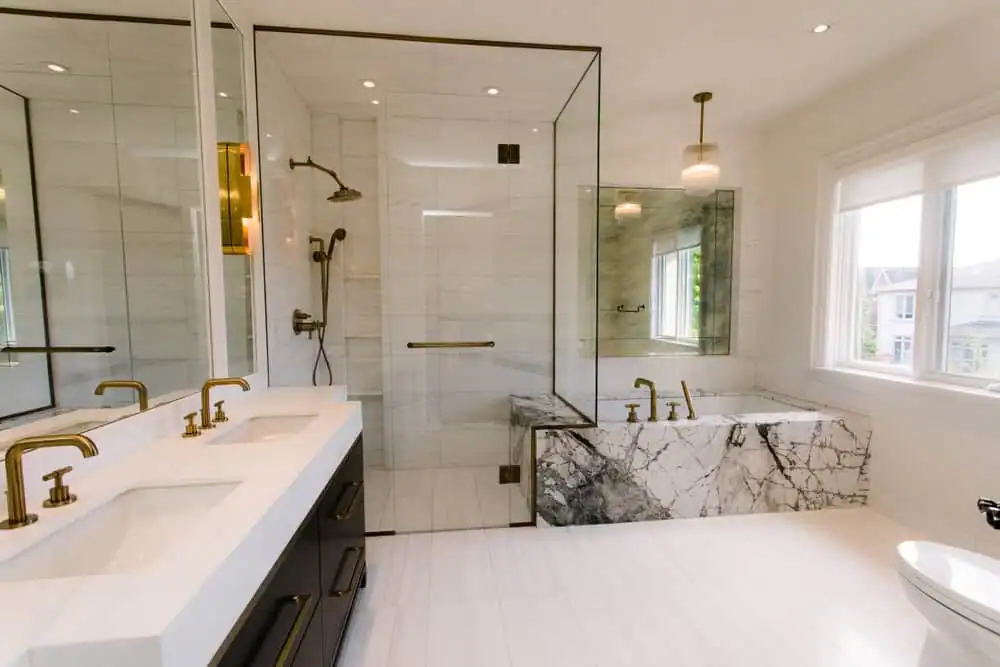
Sustainable bathroom remodeling in NYC isn’t about sacrificing style or performance—it’s about making smarter choices that benefit your health, your wallet, and your property value. Water-efficient fixtures can cut your utility bills by hundreds of dollars annually while eco-friendly materials often outlast traditional alternatives.
The key is working with contractors who understand both sustainability principles and NYC’s unique building requirements. From navigating co-op approval processes to ensuring proper ventilation for improved indoor air quality, local expertise makes the difference between a successful project and costly complications.
Your sustainable bathroom upgrade represents an investment in your home’s future. With growing buyer interest in eco-friendly features and NYC’s continued focus on water conservation, these improvements position your property advantageously in the market while creating a healthier, more efficient living space today. We’re here to help you explore how sustainable bathroom solutions can transform your NYC home.