Summary:
Water Damage Restoration Complexity Beyond Surface Repairs
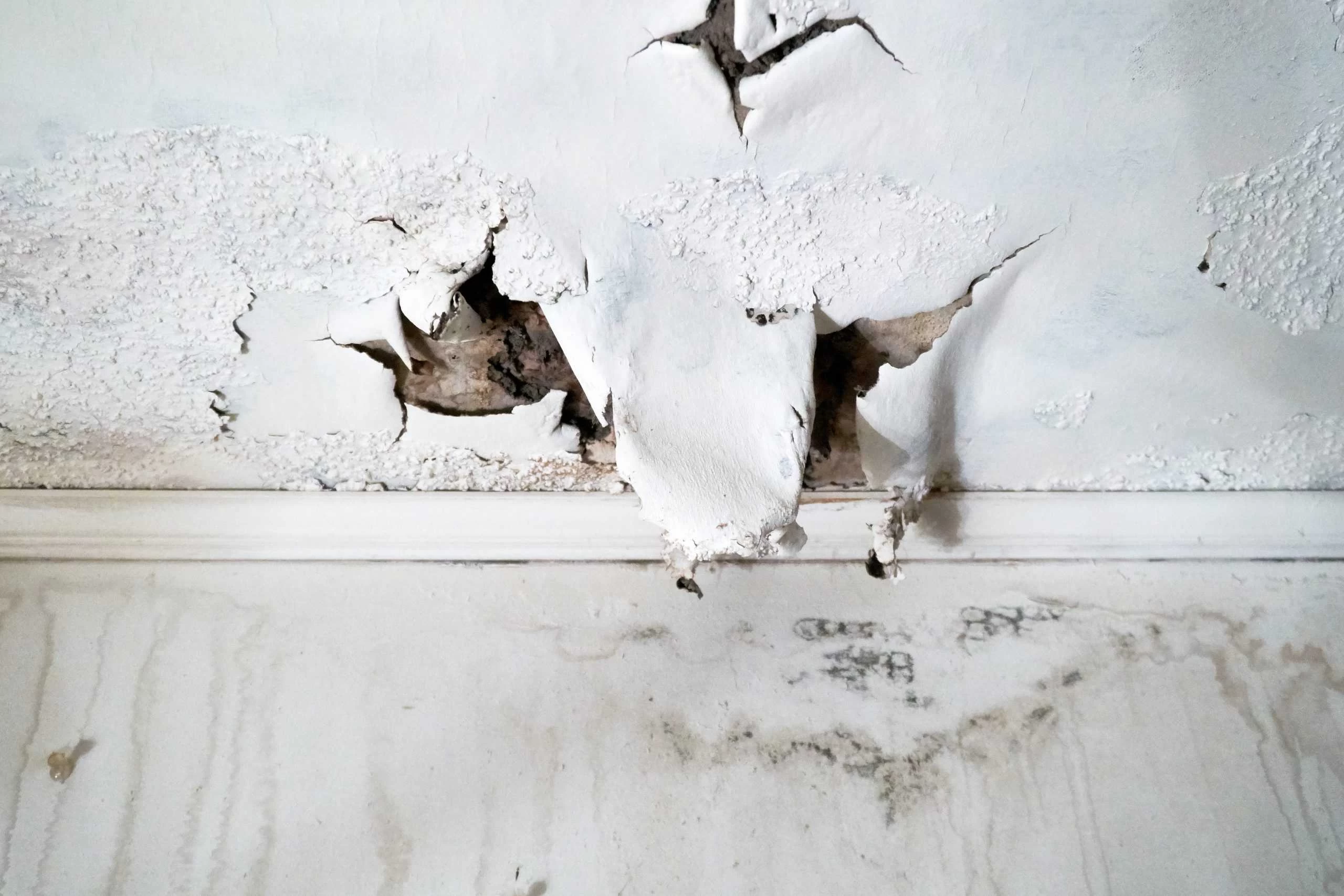
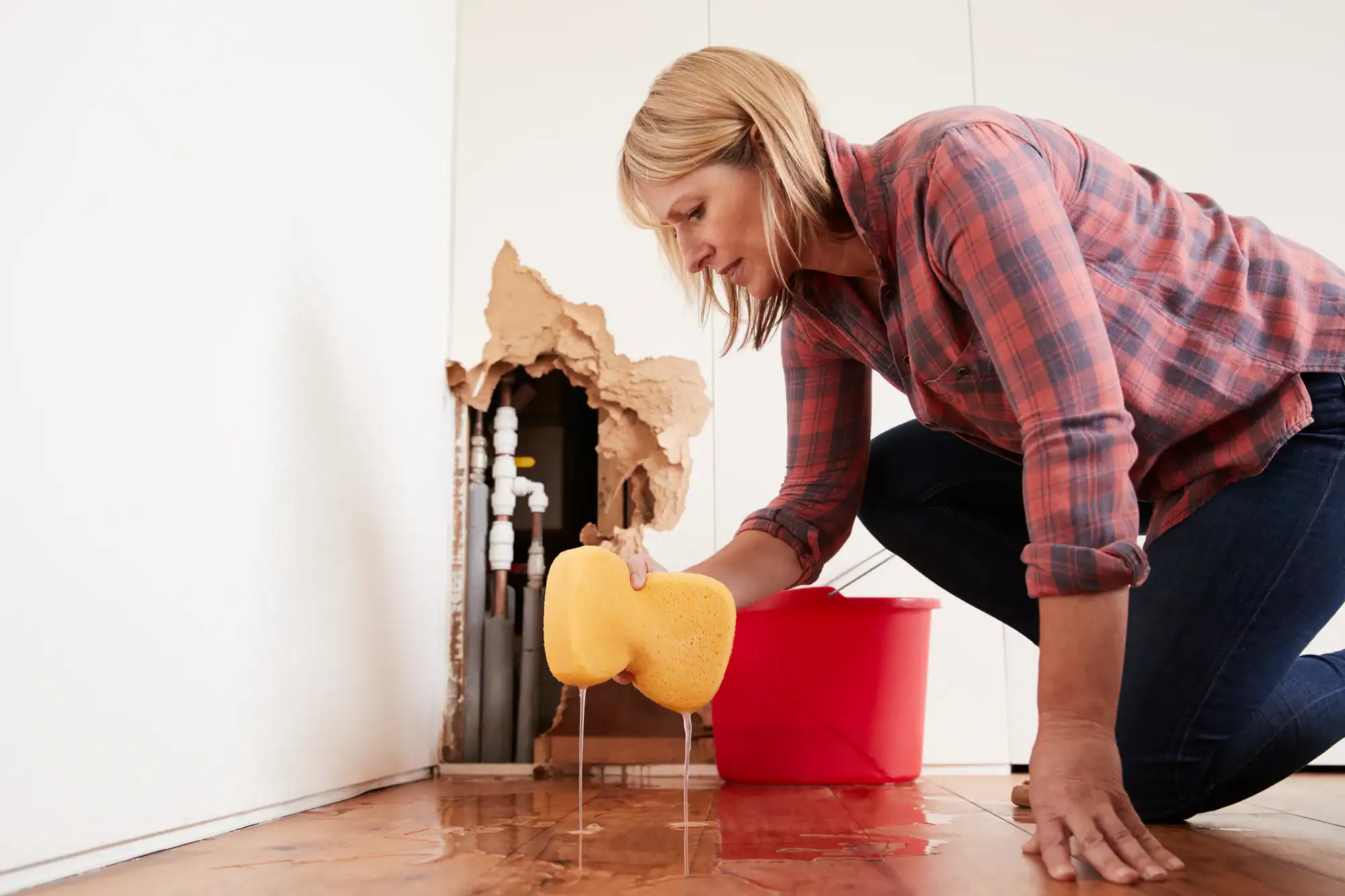
Water damage restoration involves far more than removing standing water and replacing soggy materials. Water travels through Long Island homes following structural pathways you cannot predict or detect without specialized equipment. Behind walls, moisture migrates along electrical conduits and plumbing lines. Under hardwood flooring, water spreads across subflooring and penetrates floor joists. Within wall cavities, insulation becomes saturated while maintaining its appearance.
Professional water damage restoration teams use thermal imaging cameras to detect temperature variations that indicate moisture presence inside building materials. Moisture meters measure water content in wood framing, drywall, and subflooring without destructive testing. Dehumidification equipment removes moisture from both air and building materials at rates that household units cannot attain. Air movers create circulation patterns, accelerating drying in hard-to-reach structural areas.
Long Island’s coastal humidity complicates water damage restoration significantly. Natural moisture levels between 70% and 80% mean water-damaged materials take longer to dry completely, extending the period when secondary damage develops. Professional restoration services account for these climate factors, adjusting drying procedures and equipment placement to accomplish complete moisture removal despite challenging environmental conditions.
Storm Damage Repair Involves Multiple Contamination Sources
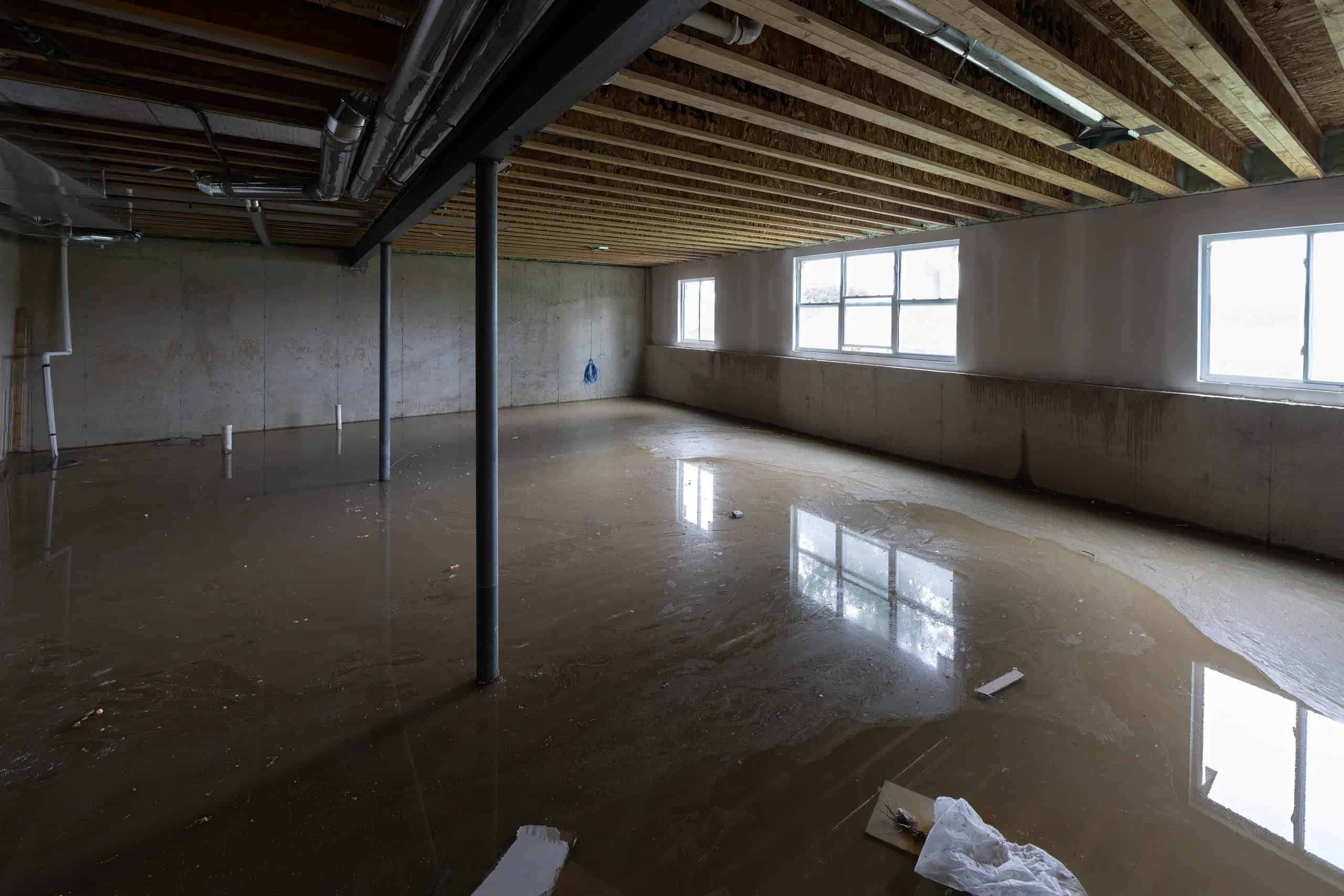
Storm damage repair on Long Island often involves contaminated water containing bacteria, chemicals, and debris from overwhelmed drainage systems. Coastal flooding brings saltwater that accelerates corrosion in electrical systems and metal components. Sewage cleanup becomes necessary when storm surges overwhelm municipal systems, introducing dangerous pathogens into your living space.
Professional storm damage repair follows EPA protocols for handling contaminated materials. Category 3 water requires complete removal of affected porous materials, including drywall, insulation, and flooring. Antimicrobial treatments eliminate bacteria and viruses before reconstruction begins. Proper disposal of contaminated materials prevents environmental violations and protects community health.
Mold Remediation Requires Containment and Air Quality Control
Storm damage repair on Long Island often involves contaminated water containing bacteria, chemicals, and debris from overwhelmed drainage systems. Coastal flooding brings saltwater that accelerates corrosion in electrical systems and metal components. Sewage cleanup becomes necessary when storm surges overwhelm municipal systems, introducing dangerous pathogens into your living space.
Professional storm damage repair follows EPA protocols for handling contaminated materials. Category 3 water requires complete removal of affected porous materials, including drywall, insulation, and flooring. Antimicrobial treatments eliminate bacteria and viruses before reconstruction begins. Proper disposal of contaminated materials prevents environmental violations and protects community health.
Fire Damage Restoration and Smoke Damage Repair Complexities
Fire damage restoration extends throughout your Long Island property, affecting areas with no visible burn damage. Smoke damage repair involves contamination that penetrates porous materials, including drywall, wood trim, fabrics, and personal belongings. Different fire types produce distinct smoke residues requiring specific cleaning approaches and specialized equipment.
Protein fires from cooking create nearly invisible residues, generating persistent odors that penetrate deeply into building materials. Synthetic material fires produce sticky, acidic residues containing toxic compounds that continue off-gassing without proper treatment. Paper and wood fires leave dry, sooty residues that spread easily when disturbed during cleanup attempts.
Professional fire damage restoration uses specialized cleaning agents formulated for each residue type. Alkaline cleaners neutralize acidic residues from plastic and synthetic materials. Enzyme cleaners break down organic residues from protein fires. Abrasive cleaners remove stubborn residues from non-porous surfaces without damaging underlying materials. Thermal fogging technology penetrates the same areas as smoke, neutralizing odor-causing molecules at the molecular level.
Smoke damage repair also addresses HVAC system contamination that spreads residues throughout your home. Ductwork cleaning removes smoke particles from ventilation systems. Filter replacement eliminates contaminated components that continue circulating smoke residues. These steps prevent ongoing contamination after visible restoration work is complete.
Hazardous Material Handling in Older Long Island Homes
Many Long Island homes built before 1980 contain asbestos in insulation, floor tiles, and ceiling materials. Lead abatement becomes necessary when renovation work disturbs painted surfaces in homes built before 1978. Professional restoration services include certified technicians trained in hazardous material identification and safe removal procedures.
Asbestos removal requires containment areas with negative air pressure systems preventing fiber release. Workers use specialized respirators and disposable protective suits during removal work. Materials require disposal at licensed facilities equipped to handle hazardous waste. Lead abatement involves similar containment protocols plus specialized cleaning procedures that prevent dust contamination.
Demolition and Dumpster Rental Coordination
Significant property damage often requires demolition of compromised structural components and building materials. Professional restoration services coordinate demolition work with dumpster rental services sized appropriately for debris volume. Contaminated materials require separate disposal from standard construction debris, demanding specialized containers and disposal facilities.
Demolition work in restoration projects requires careful planning to prevent further damage to salvageable areas. Dust control measures protect unaffected portions of your home during removal work. Structural considerations prevent accidental damage to load-bearing components during material removal.
Professional Restoration Services Protect Long Island Properties
Professional restoration services cost more initially than DIY attempts, but they prevent expensive problems that surface months later from incomplete repairs. Water damage restoration requires specialized equipment for detecting hidden moisture that causes ongoing structural damage. Fire damage restoration and smoke damage repair involve contamination extending far beyond visible damage areas. Mold remediation demands containment protocols preventing spore spread throughout your property.
Long Island’s coastal climate and older housing stock create particular restoration challenges requiring professional experience. Storm damage repair often involves contaminated water and sewage cleanup that pose serious health risks. Bathroom remodeling and kitchen remodeling projects following damage require coordination with restoration work to prevent future problems. Contact our restoration services team to protect your Long Island property from the hidden dangers and costly mistakes of DIY restoration attempts.