Summary:
How Hidden Water Damage Starts in Oceanside Homes
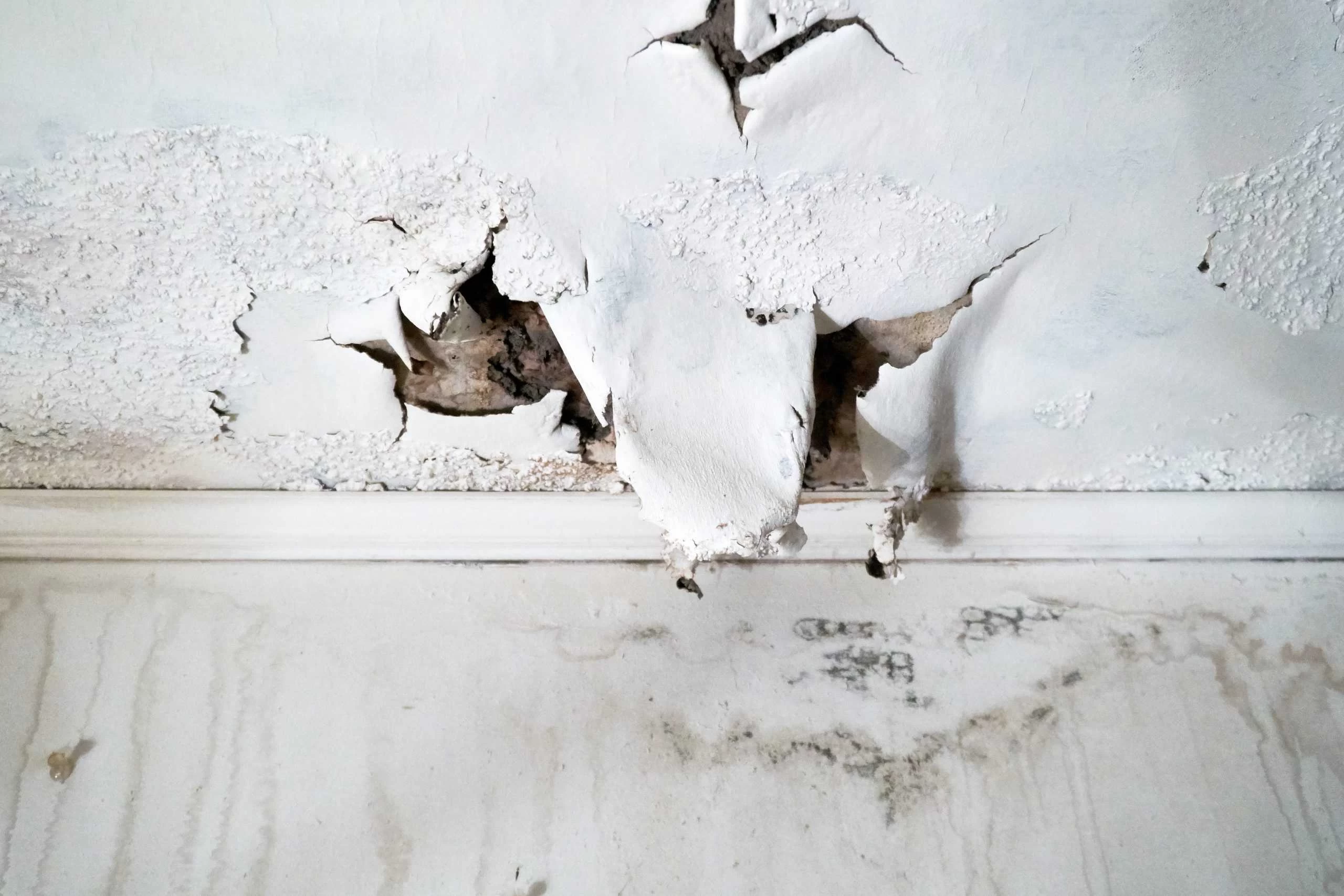
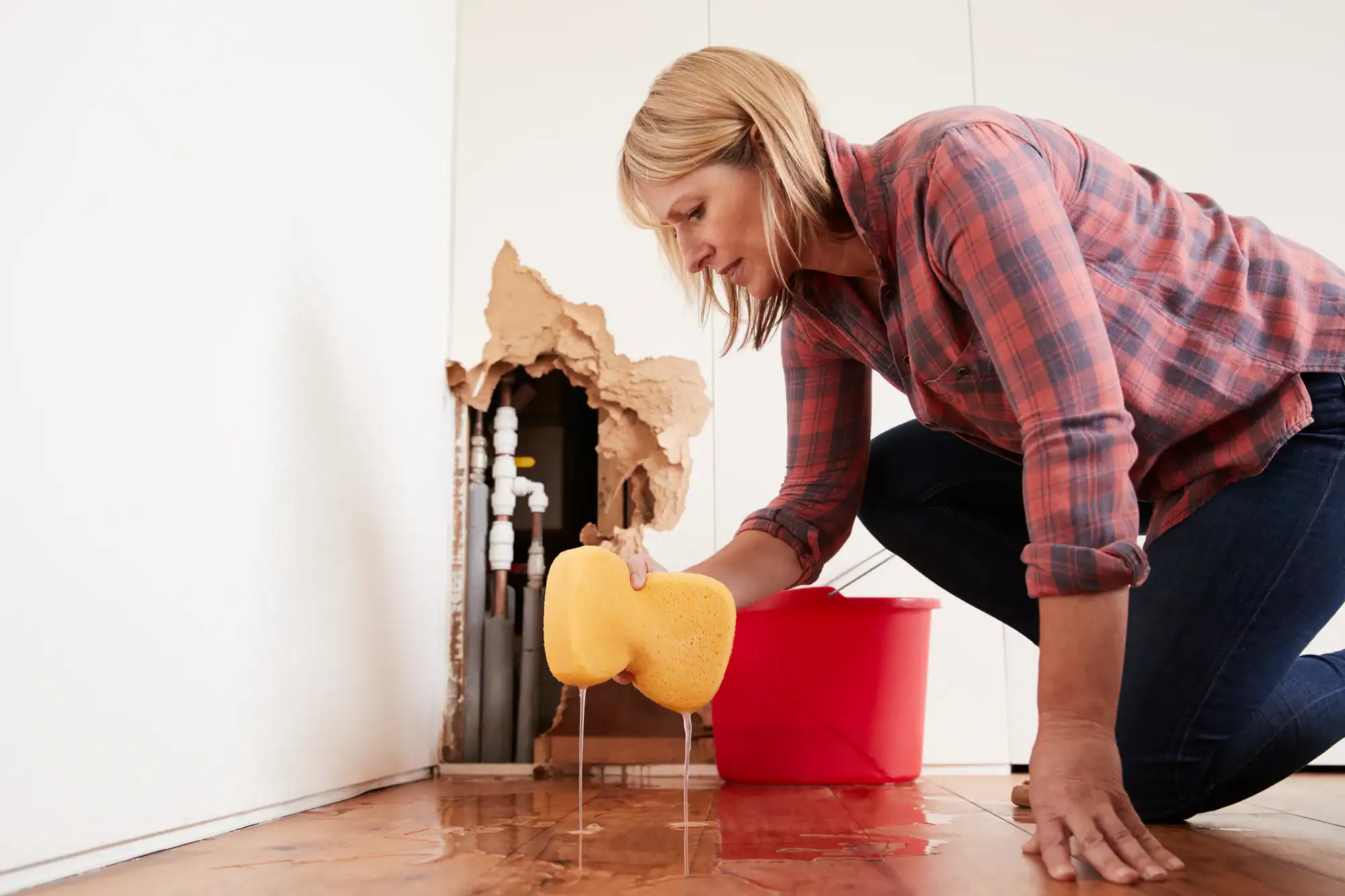
With most Oceanside homes built around 1958, aging infrastructure creates perfect conditions for slow, undetectable leaks. Unlike the dramatic burst pipe that floods your kitchen, hidden water damage happens gradually through roof deterioration, window seal failures, foundation cracks, and aging plumbing connections.
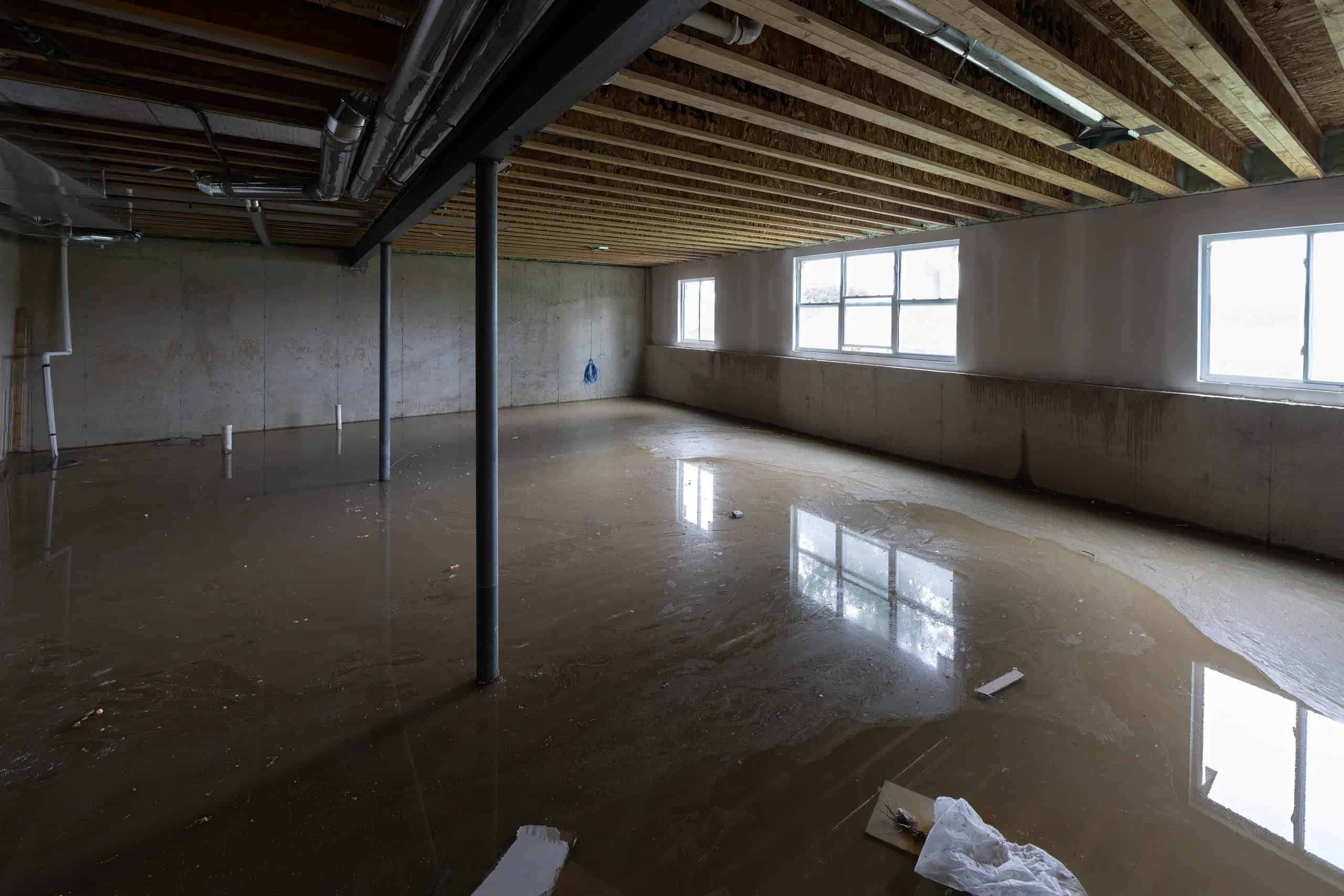
Long Island homes face unique challenges including aging infrastructure and high water table conditions that make basements particularly susceptible to flooding. HVAC systems also contribute through condensation buildup in ductwork and around units, especially during humid summer months.
The problem isn’t just the water—it’s what happens next. Severe water damage can begin occurring in less than forty-eight hours, creating conditions for mold growth and structural weakening that can cost thousands to remediate.
Thermal Imaging: Seeing Through Walls Without Damage
We use electronic listening devices, ground microphones, and thermal imaging cameras to pinpoint leaks with surgical precision, allowing our technicians to hear water moving through pipes behind walls or under concrete slabs. This technology has revolutionized how we approach hidden leaks in Oceanside homes.
Thermal imaging cameras can actually see temperature differences through walls, with leaking water usually showing up as cooler areas on the thermal image, helping us locate leaks without cutting unnecessary holes in walls. The precise temperature measurement capabilities are most effective for finding moisture situations shortly after a leak occurs, because water has its own thermal capacitance and projects a uniquely identifiable range.
A recent case in East Meadow involved a client who noticed a musty smell in their bathroom but couldn’t see any water damage. Our thermal imaging revealed a slow leak in a supply line behind the shower wall, and we were able to access the leak through a small hole in the adjacent closet, avoiding major bathroom demolition.
The technology isn’t just about finding leaks—it’s about finding them efficiently. Our advanced equipment like thermal imaging allows detection of leaks behind walls without causing any damage, and this cutting-edge technology allows quick and accurate identification of the source so solutions can start right away. For Oceanside homeowners, this means less disruption, lower costs, and faster resolution.
Professional Moisture Testing and Documentation
We use several different testing processes including visual inspections, odor detection, foundation inspections, and thermal imaging of walls to identify degraded piping elements throughout your property’s water systems. This comprehensive approach ensures nothing gets missed.
Our advanced tools such as moisture meters, infrared cameras, and air quality testing equipment help detect mold even in hidden areas. Thermal imaging can detect changes in temperature, and pressure-sensing gauges can find changes in pipe pressure or heat—these changes are good indications of leaks while detectors help pinpoint exactly where the crack or leak is.
The documentation process matters more than most homeowners realize. We document everything for insurance claims and keep clients informed of progress throughout the process. A detailed report can be shared with insurance providers, which becomes crucial when dealing with coverage questions and claim approvals.
Our technicians have deep understanding of building construction, building science, and water damage restoration and can quickly identify the source of problems and take necessary steps to prevent further damage, providing prompt and efficient services to help minimize damage and restore properties to pre-damage condition. This expertise becomes invaluable when dealing with Nassau County’s mix of older homes and unique coastal conditions.
The Complete Structural Drying Process
Water removal is just the beginning. Proper water damage cleanup involves much more than simply removing standing water—it requires specialized equipment, techniques, and expertise to ensure that all moisture is removed and affected areas are properly dried and sanitized.
We use industrial-grade dehumidifiers, air movers, and moisture meters to ensure thorough and efficient cleanup, setting up equipment to eliminate moisture from affected materials. The goal isn’t just visible drying—it’s complete moisture elimination from building materials, subfloors, and structural components.
Preventing mold growth requires immediate action and thorough drying, using industrial-grade dehumidifiers, air movers, and moisture meters to ensure all affected materials are completely dried. This process typically takes several days and requires constant monitoring and adjustment.
Air Movement and Dehumidification Strategy
We maintain expanding inventories of recovery equipment including multiple types of dehumidifiers, including desiccant options that provide much drier air. The science behind structural drying involves creating optimal conditions for moisture evaporation and removal.
Air movers create circulation that accelerates evaporation from wet materials. Dehumidifiers remove moisture from the air, maintaining low humidity levels that encourage continued drying. Work areas must be dried thoroughly and sources of moisture eliminated to prevent mold growth after cleanup, using dehumidifiers, ventilation and heating to remove moisture.
Our state-of-the-art drying equipment can effectively dry structures within a minimum of three days, though complex situations may require longer. We ensure that every bit of moisture is taken care of, preventing future mold or structural issues, following through with thorough drying, disinfecting, and post-remediation inspections to ensure areas are safe and sound.
The process requires expertise beyond just placing equipment. Our trained technicians utilize advanced moisture detection tools to evaluate the extent of damage, establishing specific drying goals and efficiently implementing necessary procedures and tools to achieve them. This scientific approach ensures complete drying rather than surface-level treatment.
Mold Prevention and Verification Steps
Our restoration process isn’t just about removing visible water—it’s about preventing mold growth that can start within 24-48 hours. The verification process ensures that drying efforts have been successful and that conditions won’t support future mold growth.
We install portable air filtration units that purify the air and improve air quality, protecting families from airborne pathogens by establishing negative air pressure between affected areas and the remainder of the home. This containment approach prevents contamination from spreading during the restoration process.
Our certified inspectors look for visible signs of mold as well as potential moisture sources that could foster mold growth, using advanced tools such as moisture meters, infrared cameras, and air quality testing equipment to detect mold even in hidden areas. The inspection process continues even after initial drying appears complete.
Work areas should be considered successfully completed when they are dry, clean, and free of visible mold, debris, and moldy odors. Our professional-grade drying equipment eliminates moisture from walls, subfloors, and structural framing, with final post-remediation inspections ensuring homes are dry, safe, and mold-free. This verification step provides the peace of mind that the job has been completed properly.
Timeline, Costs, and Choosing the Right Contractor
Water damage restoration typically takes from several days to a few weeks, and once we assess your property, we provide clear, accurate estimates of the required timeframe. Costs vary significantly—small floods cost around $1,500, while big basement situations can hit $6,500 or more, with the national average around $3,000.
Several factors affect pricing including the severity of damage, size of the affected area, and cost of repairs, which varies depending on the type of damage and materials that need replacement. Delays add to secondary damage such as mold growth, which increases overall costs.
When choosing contractors, look for qualified professionals certified by the Institute of Inspection, Cleaning and Restoration Certification (IICRC) in water, fire and mold remediation, who are also experienced in reconstruction after property damage events. Teams should be experienced with local challenges and follow all NYS, NYC, and EPA regulations to ensure proper restoration and worker safety. For Oceanside homeowners, working with Green Island Group means partnering with professionals who understand Nassau County’s unique restoration challenges and can guide you through the entire process from detection to complete restoration.