Summary:
Why Long Beach Coastal Homes Are Vulnerable to Hidden Moisture Problems
Long Beach sits on a barrier island where ocean humidity meets aging infrastructure. Your home constantly battles salt-laden air that carries moisture deep into building materials, while coastal storms bring additional water intrusion risks that most homeowners never see coming.
The salt particles in ocean air don’t just disappear when they hit your home—they settle on surfaces and attract moisture from the humid coastal environment. This creates ongoing wet-dry cycles that accelerate deterioration, often happening so slowly you won’t notice until significant damage has occurred.
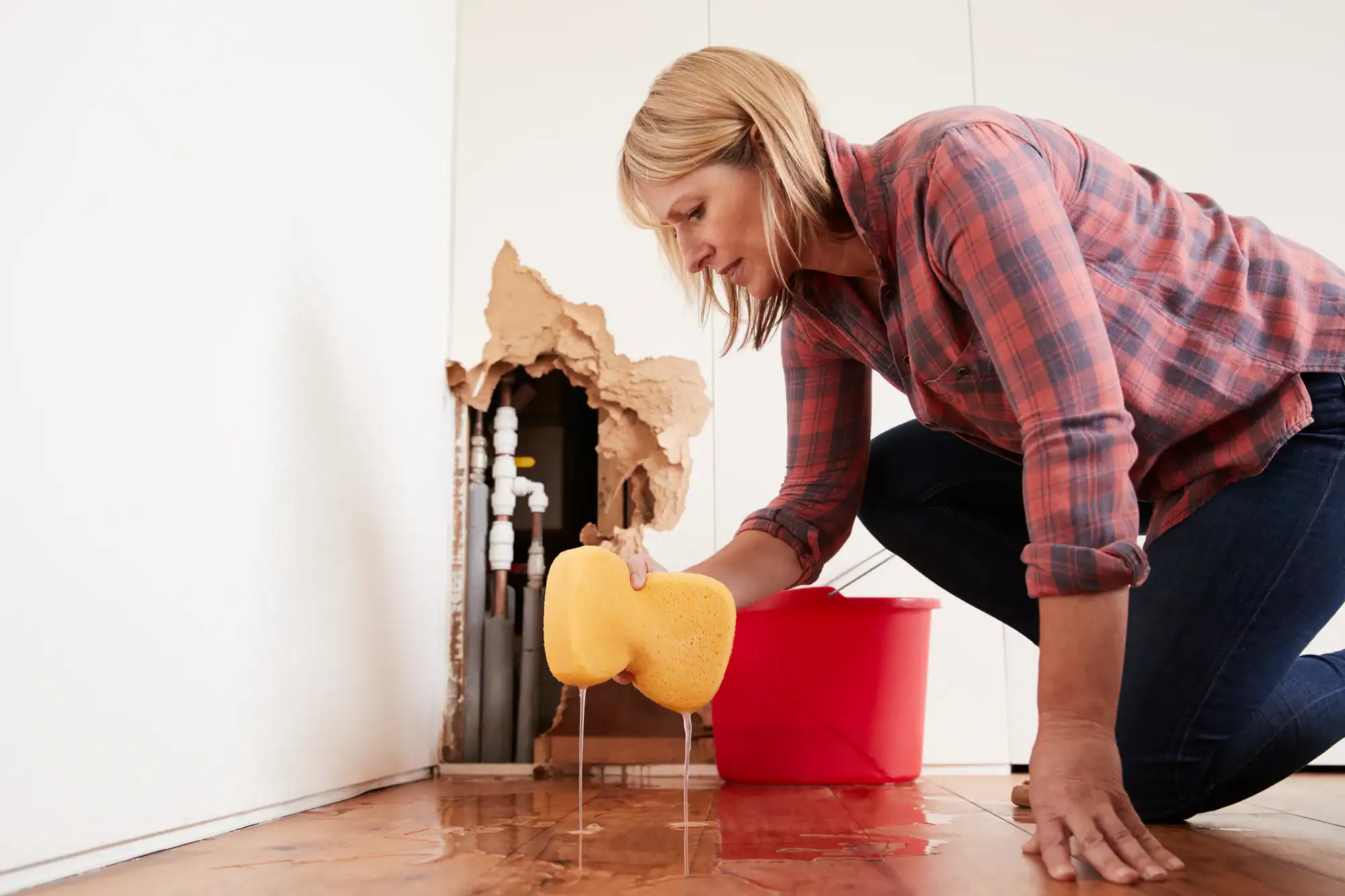
Most homeowners focus on obvious water damage like burst pipes or roof leaks you can see. But the real threat? Moisture sources that operate silently for months or years before you notice the damage they’re causing to your Long Beach property.
Common Sources of Silent Water Damage in Long Beach Properties
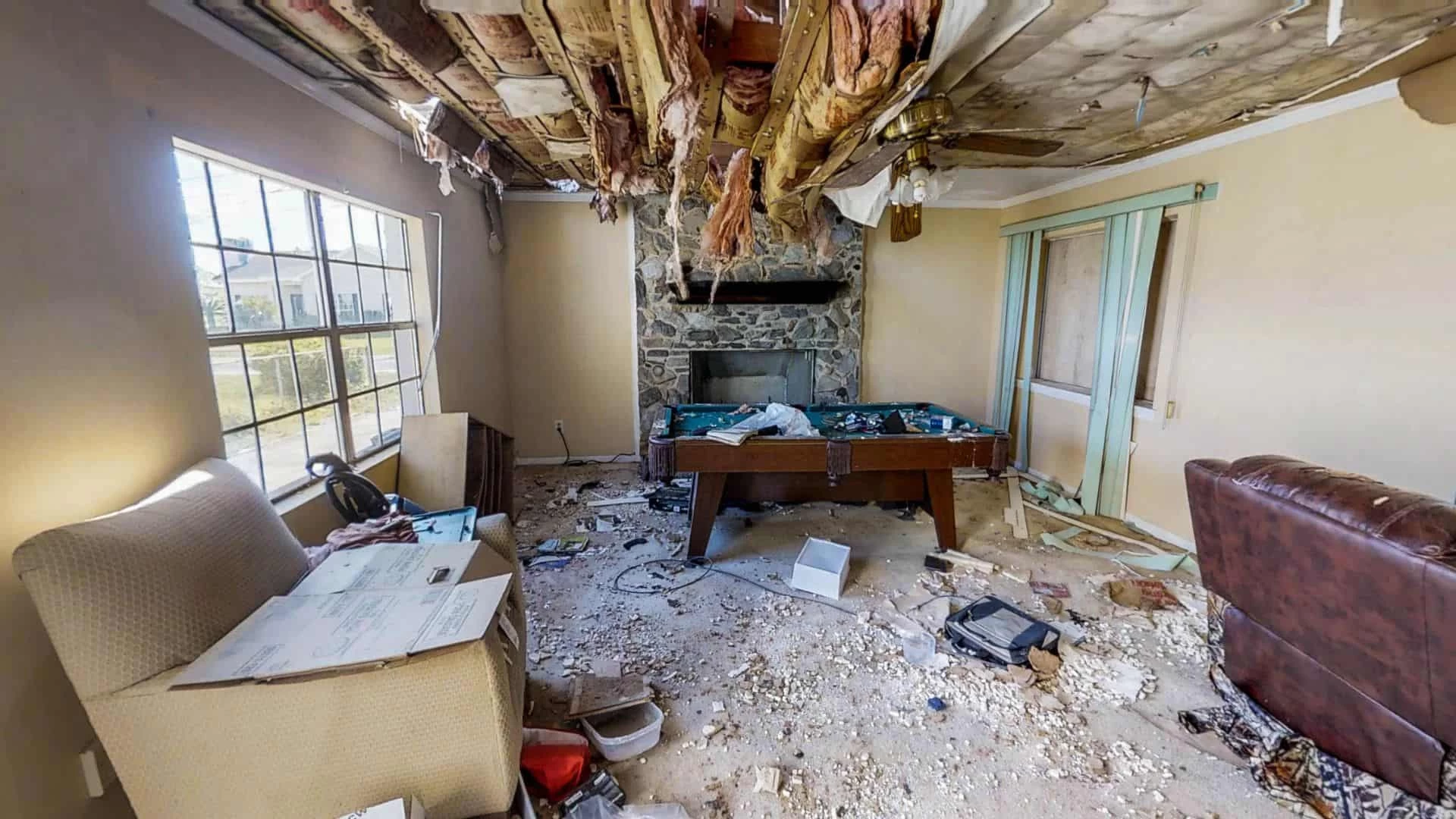
Slow roof leaks represent one of the most destructive forms of hidden moisture damage in coastal homes. Unlike sudden pipe bursts, these leaks allow small amounts of water to penetrate your roof system over extended periods. The water travels along rafters and insulation, often showing up as damage far from the actual leak source.
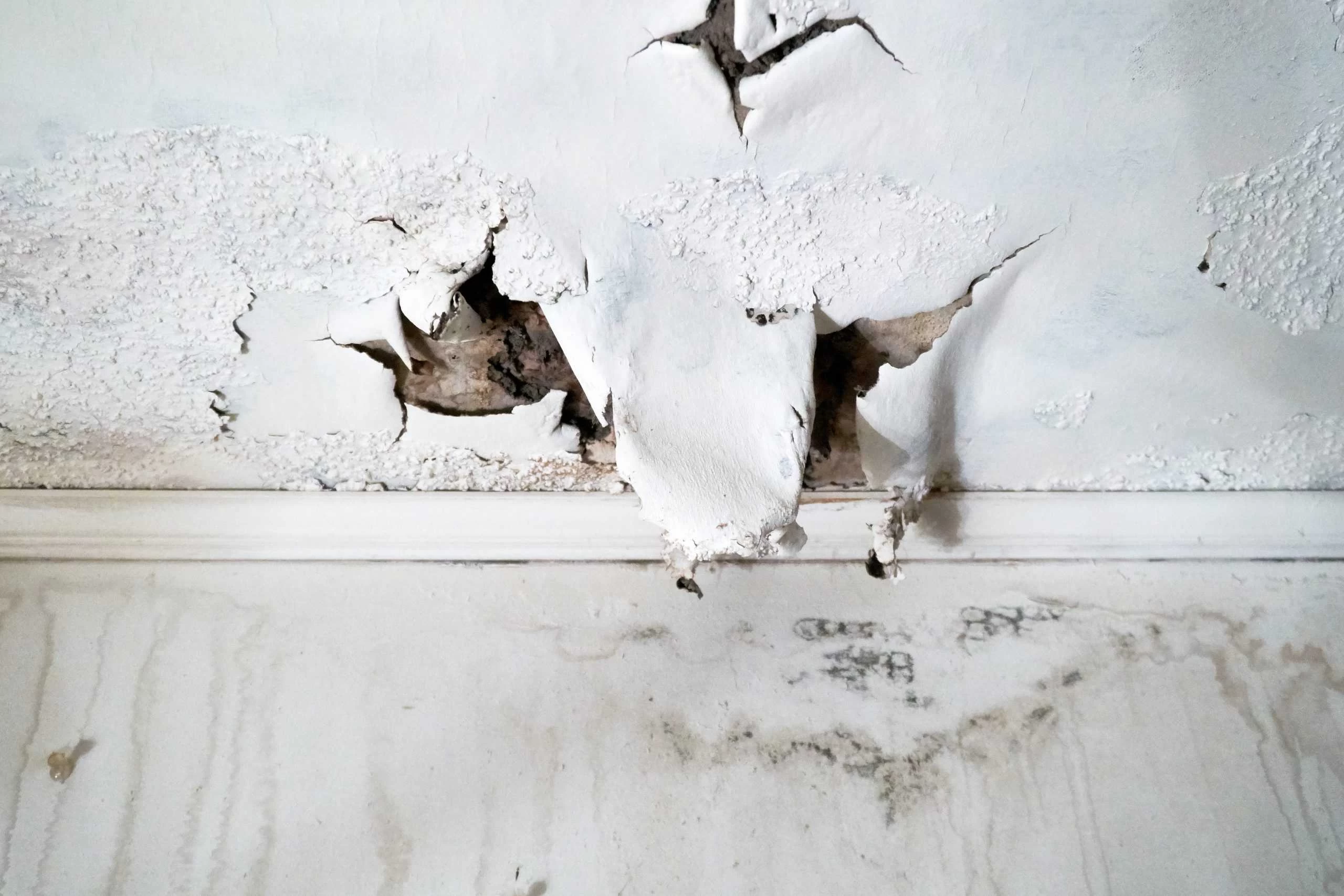
You might think a small stain on your ceiling isn’t urgent. But that stain represents weeks or months of water slowly saturating your roof structure, creating perfect conditions for mold growth and wood rot.
Window and door flashing failures create another major vulnerability in Long Beach homes. Salt air accelerates the deterioration of sealants and weatherstripping faster than you’d expect. You might notice paint bubbling or slight discoloration around window frames, but the real damage occurs behind the walls where moisture feeds mold colonies.
HVAC condensation issues become more problematic in coastal environments due to constant humidity fluctuations. Your air conditioning system works overtime to remove moisture from salt-laden air. When drainage systems fail or become clogged, water backs up into ductwork and surrounding structures—areas you rarely inspect until problems become severe.
Salt air corrosion affects more than just visible metal components. It attacks hidden fasteners, pipe connections, and electrical components, creating failure points that allow moisture intrusion. A corroded pipe fitting might leak slowly for months before you notice water stains or that telltale musty odor.
These problems compound over time because coastal humidity prevents materials from fully drying between moisture events. Wood stays slightly damp, drywall remains soft, and insulation loses effectiveness. All while providing ideal conditions for mold spores to establish colonies that can spread throughout your home.
How Salt Air Accelerates Hidden Moisture Damage in Long Beach Homes
Salt particles act like tiny moisture magnets throughout your home. When ocean spray carries these particles inland, they settle on every surface—including areas you can’t see like inside wall cavities and attic spaces. Unlike fresh water that evaporates cleanly, salt residue remains behind and continues attracting humidity from the air.
This creates a continuous cycle where surfaces never fully dry. Materials that should shed moisture instead retain it, creating microenvironments perfect for mold growth and material degradation. The process happens so gradually that damage often reaches advanced stages before you recognize there’s a problem.
Coastal humidity compounds this issue by maintaining moisture levels that prevent natural drying. Your home’s building materials exist in a state of constant dampness, even when no active leaks are present. This persistent moisture weakens wood, promotes rust in metal components, and provides the sustained conditions mold needs to thrive.
Think about it this way: your Long Beach home is constantly fighting a battle against moisture that inland properties never face. Salt air accelerates the failure of protective barriers designed to keep moisture out. Caulk becomes brittle faster, paint loses adhesion sooner, and weatherstripping deteriorates more quickly than in inland environments.
The corrosive nature of salt affects hidden components throughout your home’s systems. Pipe joints develop pinhole leaks, electrical connections corrode and fail, and metal fasteners weaken. Each failure creates new sources of moisture infiltration that operate silently until damage becomes visible.
Understanding these processes helps explain why coastal homes require more proactive moisture management than inland properties. The environment itself works against traditional building materials and moisture control methods.
Professional Moisture Detection Methods for Long Beach Homes
Professional moisture detection goes far beyond looking for obvious water stains or feeling for damp spots. Advanced detection methods can identify moisture problems weeks or months before they become visible, giving you time to address issues before they cause extensive damage to your coastal property.
Thermal imaging leak detection Long Beach specialists use can reveal temperature differences that show hidden moisture patterns. Wet materials retain heat differently than dry ones, creating thermal signatures that trained technicians can interpret to locate problem areas behind walls, under floors, and in other concealed spaces.
Moisture meters provide precise readings of water content in building materials, helping professionals determine the extent of moisture penetration and track drying progress during remediation. These aren’t guesswork—they’re scientific measurements that guide restoration decisions.
Thermal Imaging for Hidden Moisture Detection in Coastal Homes
Thermal imaging cameras reveal moisture problems that remain completely invisible to visual inspection. These specialized tools detect infrared radiation emitted by materials, creating images that show temperature variations across surfaces. Wet materials appear as distinct thermal patterns because water changes how materials conduct and retain heat.
Here’s what makes this technology so valuable for Long Beach homeowners: it can identify moisture intrusion behind finished walls, locate roof leaks before they cause visible damage, and map the extent of water penetration in building materials. No guesswork involved.
We can spot areas where salt air has created persistent moisture conditions. These areas often maintain slightly different temperatures than surrounding dry materials, making them visible to infrared cameras even when moisture levels seem minimal to the naked eye.
The non-invasive nature of thermal imaging allows comprehensive moisture assessment without damaging your finished surfaces. Our technicians can scan entire rooms quickly, identifying problem areas that warrant further investigation with other detection methods.
Timing matters for thermal imaging effectiveness. The best results occur when temperature differentials exist between wet and dry materials—typically during evening hours when exterior temperatures drop but moisture-laden materials retain heat longer than their dry counterparts.
Professional interpretation of thermal images requires training and experience. What appears as a simple temperature variation might indicate complex moisture migration patterns that suggest multiple failure points or ongoing water intrusion sources. That’s why you need experienced professionals who understand how to read these thermal signatures accurately.
Structural Drying Long Beach: Professional Equipment and Techniques
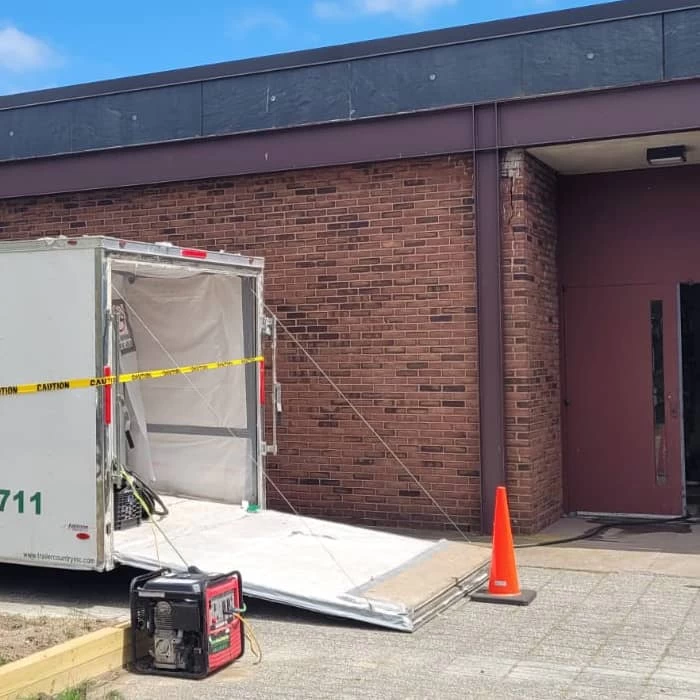
Once moisture problems are detected, we use industrial-grade equipment to remove water from building materials and prevent mold growth. This isn’t a job for household fans and dehumidifiers—coastal moisture problems require professional-strength solutions.
Air movers create high-velocity airflow that accelerates evaporation from wet surfaces. These aren’t your typical box fans. Industrial air movers can move thousands of cubic feet of air per minute, creating the air circulation necessary to pull moisture from deep within building materials.
Professional dehumidifiers remove moisture from the air itself, preventing it from reabsorbing into materials you’re trying to dry. In coastal environments like Long Beach, ambient humidity levels can undermine drying efforts unless properly controlled with commercial-grade dehumidification equipment.
The key to effective structural drying lies in creating the right balance of temperature, humidity, and airflow. Too much heat can damage materials. Too little airflow allows moisture to remain trapped. We monitor conditions continuously and adjust equipment settings to optimize drying without causing additional damage.
Moisture monitoring throughout the drying process ensures materials return to acceptable moisture levels before restoration work begins. This prevents mold growth and ensures that repairs will last in your coastal environment.
Desiccant dehumidifiers prove especially effective in Long Beach’s challenging coastal conditions. Unlike refrigerant dehumidifiers that struggle in cooler temperatures, desiccant units maintain effectiveness regardless of temperature fluctuations common in coastal environments.
Professional structural drying typically takes 3-5 days for most residential moisture problems, but coastal conditions may extend this timeline. The investment in proper drying prevents much more expensive mold remediation and structural repairs that result from inadequate moisture removal.
Protecting Your Long Beach Investment from Hidden Moisture Threats
Hidden moisture problems in coastal homes don’t improve with time—they only get worse and more expensive to fix. The combination of salt air, coastal humidity, and aging building materials creates ongoing challenges that require proactive management and professional expertise.
Early detection through thermal imaging, moisture meters, and professional assessment can identify problems months before they become visible disasters. Professional structural drying equipment and mold remediation Long Beach techniques can restore your home to safe moisture levels while preventing costly damage.
The key to protecting your coastal investment lies in understanding that Long Beach homes face unique challenges that require specialized knowledge and equipment. When you need professional water damage restoration services, we have the experience, equipment, and local expertise to protect your home from the hidden threats that coastal living presents.