Summary:
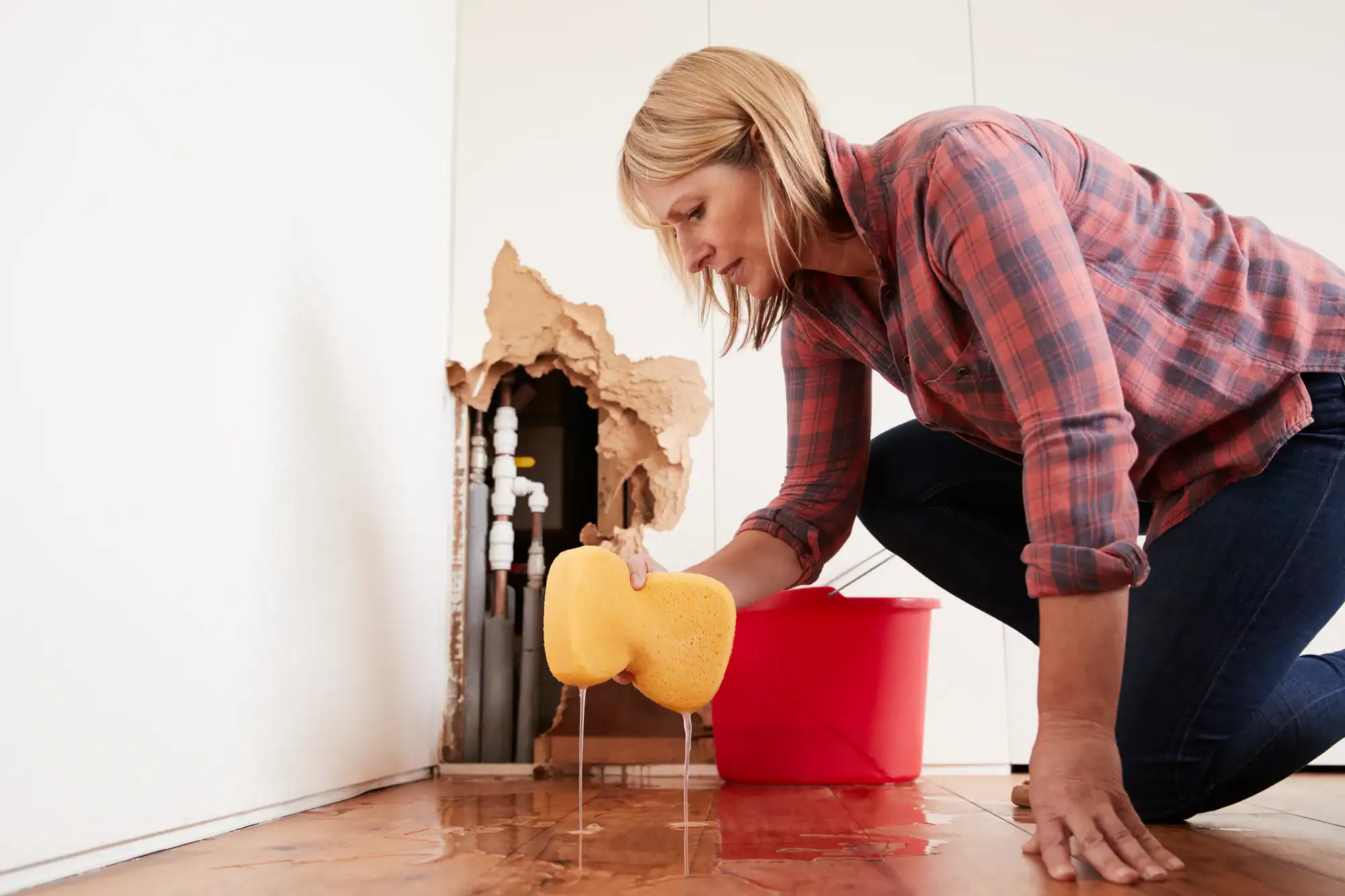
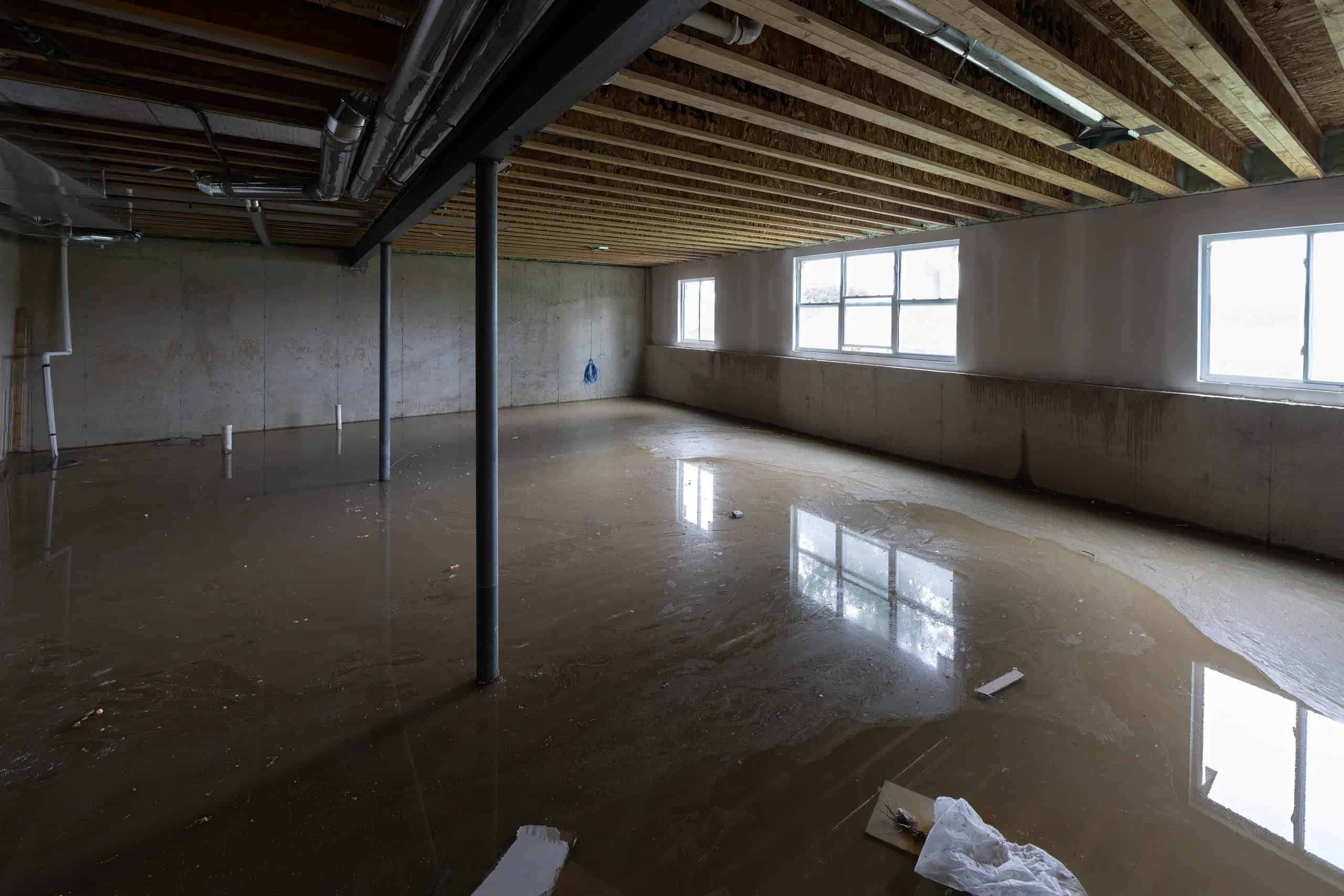
You found a leak. Maybe it’s under the sink, maybe it’s coming through the ceiling, maybe you walked into a wet basement and your stomach dropped. The first question most people ask isn’t “how do I fix this” — it’s “who pays for this?” That’s where things get confusing fast. Your home warranty covers some of it. Your homeowners insurance covers some of it. And the actual restoration work — the drying, the remediation, the rebuilding — often falls into a gap that neither policy automatically fills. Here’s what you actually need to know.
What Type of Water Damage Is Covered by Homeowners Insurance?
Homeowners insurance covers water damage when it’s sudden and accidental. A pipe bursts while you’re at work, a supply line fails behind the washing machine, a water heater cracks without warning — those are the scenarios your policy was written for. The damage to your floors, walls, and ceilings that results from that kind of event is typically covered.
What insurance does not cover is gradual damage. If a pipe has been slowly seeping behind a wall for weeks, insurers will often classify that as a maintenance issue — and deny the claim. Some policies define “gradual” as anything that occurred over more than 14 days, which catches a lot of hidden leaks that homeowners had no idea were happening.
The "Gradual Damage" Denial — Why Hidden Leaks Are So Risky in Nassau County Homes
Here’s the problem a lot of Nassau County homeowners run into: the leak was hidden. It wasn’t visible. There was no dripping faucet, no obvious puddle. It was happening inside a wall or under a floor in a home that might have been built in the 1950s or 1960s — and by the time the damage showed up, the insurance company’s position is that it had been going on long enough to be excluded.
This is especially relevant in communities like Levittown, Hicksville, and Freeport, where a significant portion of the housing stock dates back to the post-war construction boom. Galvanized steel pipes and cast iron drains from that era are reaching the end of their service life. Pinhole leaks and slow corrosion failures are common. And when one of those fails inside a wall, it doesn’t announce itself.
The practical risk here is significant. If you call your insurer and mention — even casually — that you think it might have been leaking for a while, that statement can shift your claim from sudden damage to gradual damage. That’s not a technicality. That’s a denial. Insurance attorneys who handle these disputes have flagged this exact scenario as one of the most common ways valid claims get rejected.
What counters it is documentation. Thermal imaging can show moisture distribution patterns that indicate a recent event versus long-term saturation. Moisture readings taken at the time of discovery establish a baseline that supports your timeline. A professional scope of work from an IICRC-trained restoration company carries weight with adjusters that a homeowner’s description simply doesn’t. The documentation quality at the start of a claim directly affects whether it gets paid — and how much.
This is why the first call after a water event matters as much as the claim itself.
Does Homeowners Insurance Cover Mold From a Plumbing Leak?
Sometimes, and it depends entirely on timing. If a pipe bursts and mold develops because the water wasn’t extracted quickly enough, insurers will often argue that the mold is the result of failure to mitigate — not the original water event. That distinction matters because most standard homeowners policies either exclude mold entirely or cap coverage at a relatively low amount.
Mold growth begins within 24 to 48 hours of water exposure. That’s the biological reality, and it’s the reason that delays caused by coverage confusion can turn a manageable water damage claim into a much larger problem. If you spend two days trying to figure out whether your warranty or your insurance is responsible before anyone starts extracting water, you may be looking at a mold remediation job on top of everything else.
For Nassau County homeowners, there’s an added layer. Many homes in areas like Freeport, Oceanside, and Island Park sit in low-lying areas with a high water table and a history of flood exposure — including the significant damage from Hurricane Sandy in 2012. In those environments, moisture doesn’t just come from a broken pipe. It can migrate through foundations and into wall cavities in ways that accelerate mold growth even after the visible water is gone. Surface-level drying isn’t enough. You need equipment that can measure and address moisture inside the structure, not just on it.
The short answer: if you respond fast and document everything properly, you have a much better chance of getting mold coverage as part of the original water damage claim. If you wait, you’re likely dealing with a separate problem that your policy may not cover at all.
Should I File a Home Insurance Claim for Water Damage?
Yes — but file it with a clear understanding of what you’re filing and what you’re not. Homeowners insurance covers the resulting damage to your home’s structure and materials when water damage qualifies as sudden and accidental. Your home warranty, if you have one, covers the broken component that caused it — the pipe, the valve, the appliance. These are not competing claims. They cover different things, and filing both simultaneously is appropriate when both apply.
Where homeowners get into trouble is assuming one policy covers everything, waiting to see what the other one does first, or delaying action while they sort it out. Each of those delays has a cost — in damage, in mold risk, and in claim strength.
What Does a Home Warranty Actually Cover for Plumbing?
A home warranty covers the repair or replacement of the broken system or component. For plumbing, that typically means interior supply lines, drain lines, toilets, garbage disposals, and sometimes water heaters — depending on the plan. If a pipe fails, the warranty sends a plumber to fix the pipe. That’s where the warranty’s job ends.
The water that came out of that pipe? The soaked drywall, the buckled hardwood, the saturated subfloor? That’s not covered by the warranty. It’s not designed to be. The warranty fixes the source. Your homeowners insurance is supposed to cover the damage. And the actual restoration — water extraction, structural drying, mold prevention, and rebuilding — requires a restoration company, not a plumber.
This is the gap that catches people off guard. The warranty company sends a plumber, the plumber fixes the pipe, and the homeowner is left standing in front of water-damaged walls thinking someone else is going to handle the rest. Often, no one does unless you make that call yourself.
It’s also worth understanding what home warranties exclude on the plumbing side. Most plans don’t cover outdoor plumbing, pipes under a slab, damage caused by freezing, or anything attributed to improper installation. Some exclude pre-existing conditions entirely. The plan variability is significant, so reading the actual coverage terms before a leak happens is worth the time.
For Nassau County homeowners in older homes, there’s one more thing to keep in mind: if restoration work requires opening walls or floors in a home built before 1978, the contractor needs to be USEPA Lead and RRP certified. That’s a federal requirement — not a preference. A warranty-dispatched plumber who fixes the pipe isn’t responsible for what’s behind the wall. A restoration company that opens that wall to dry the structure is. Make sure whoever does that work has the credentials to do it legally.
How to Get Insurance to Pay for Water Damage — Water Damage Insurance Claim List
The single most important thing you can do after discovering water damage is document everything before anything gets touched. Insurers make coverage decisions based on evidence. The stronger your documentation, the harder it is to deny or underpay your claim.
Start by photographing and videoing every affected area — floors, walls, ceilings, personal property. Don’t move anything or start cleanup before you’ve captured the full picture. Note when you discovered the damage and what you observed. If there’s a visible source — a burst pipe, a failed appliance connection, a cracked supply line — photograph that specifically.
Call your insurance company to report the damage and open a claim. Then call a restoration company. The order matters less than the speed. Most policies include a duty to mitigate, which means you’re required to take reasonable steps to prevent the damage from getting worse. Waiting for an adjuster to come out before starting water extraction is not “preserving the scene” — it’s potentially a basis for the insurer to reduce or deny your claim on the grounds that you failed to act.
A professional restoration company will take moisture readings throughout the affected area, use thermal imaging to identify hidden moisture behind walls and under floors, and produce a documented scope of work that captures conditions at the time of discovery. That documentation becomes part of your claim file. It establishes the timeline, the extent of the damage, and the professional standard of the response — all of which matter when an adjuster is deciding how much to pay.
In Nassau County, where older homes in communities like Massapequa, Valley Stream, and Great Neck may have had undetected moisture issues for years before a visible event triggers a claim, that professional baseline documentation is often the difference between a paid claim and a denied one.
We handle insurance billing directly and work with your insurer throughout the process — so you’re not navigating that paperwork on top of everything else.
What to Do After a Plumbing Leak in Nassau County
The warranty covers the broken pipe. The insurance covers the damage — if it qualifies and if you document it properly. The restoration is what actually makes your home livable again, and that part doesn’t happen automatically just because you filed a claim.
If you’re dealing with water damage in Nassau County right now, the clock matters. Every hour of standing water increases the risk of mold, structural damage, and a harder conversation with your insurer. The coverage question is worth understanding — but it shouldn’t slow down the response.
Green Island Group has been handling water damage restoration across Nassau County for over 12 years. We work directly with insurance companies, handle the claim paperwork, and bring the equipment and certifications to do the job correctly — including in older homes where lead and asbestos compliance isn’t optional. If you need a straight answer about what to do next, we’re available around the clock.