Summary:
Emergency Response: What Happens in the First Hour
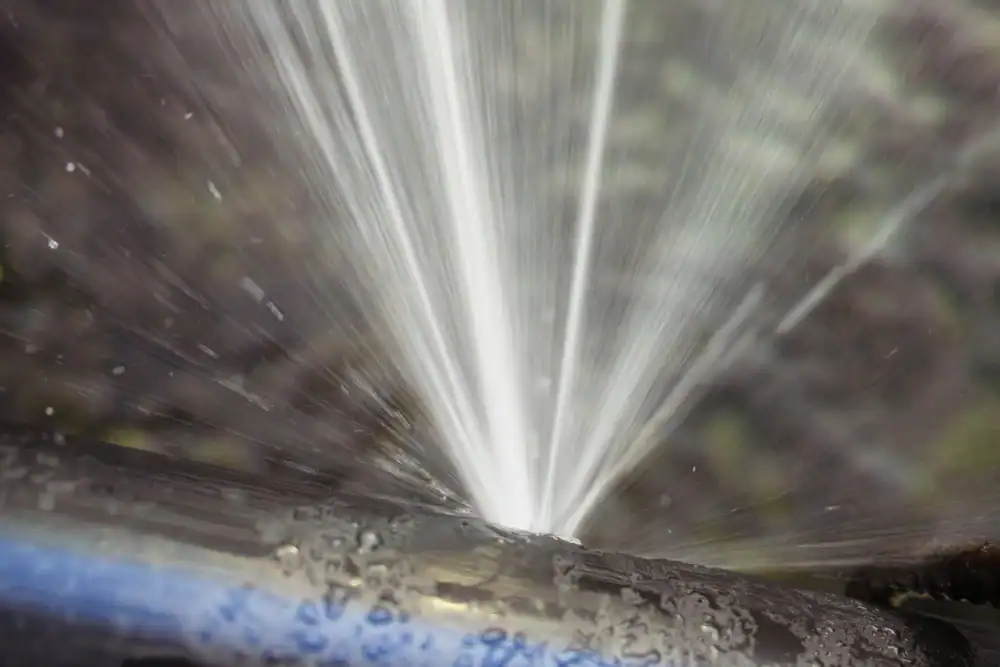
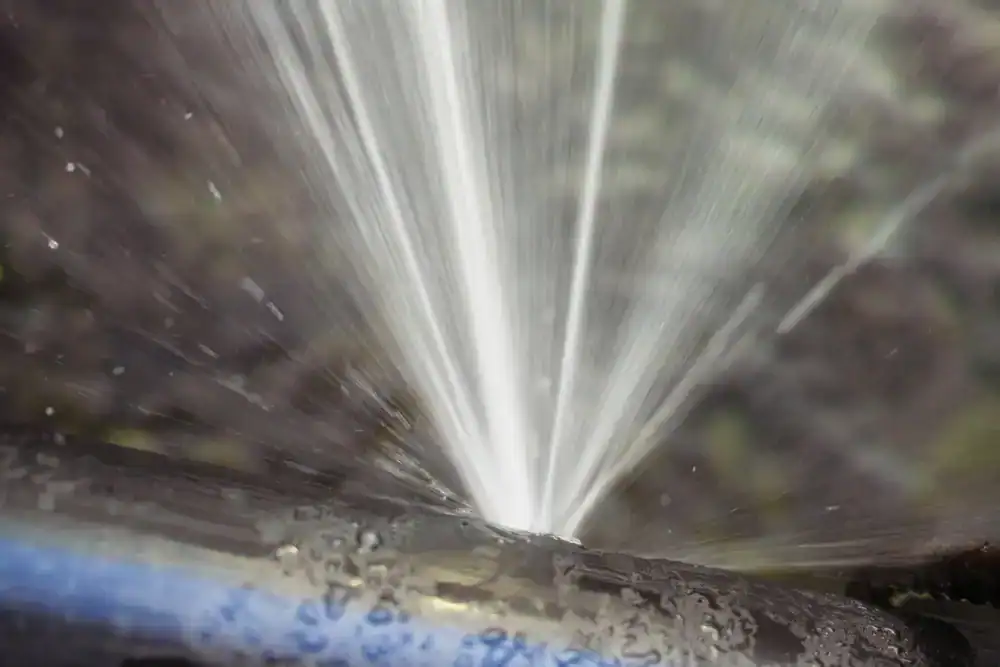
The first hour after a burst pipe determines how much damage your home sustains. Water spreads fast—a half-inch crack can release 250 gallons per hour, soaking into drywall, insulation, and subflooring before you even realize how bad it is.
When you call us for emergency pipe repair in Nassau County, NY or Suffolk County, NY, someone answers immediately. Not a recording. Not an answering service that takes a message. A real person who can talk you through immediate damage control steps while our technician drives to your location—typically within 60 to 90 minutes for most Long Island communities.
That technician arrives with a truck already loaded with industrial water extraction equipment, not an estimate clipboard. The emergency response starts the moment we walk through your door, because every minute water sits in your home, it’s penetrating deeper into materials that cost more to replace than repair.
Stopping the Water Source and Assessing Hidden Damage
Before any water gets removed, the source needs to be completely controlled. If you’ve already shut off your main water valve, that’s good—but the burst pipe itself still needs attention. Sometimes that means a temporary patch to fully stop water flow. Sometimes it means isolating that section of pipe so you can restore water to the rest of your home while repairs happen.
Our plumbers assess why the pipe burst in the first place. Freezing temperatures below 20°F are common culprits in Long Island winters, especially in older homes in Massapequa, Garden City, or Port Washington where original 1950s plumbing is reaching the end of its lifespan. Corrosion, high water pressure, or aging materials can also cause sudden failures. Understanding the cause helps prevent the next burst.
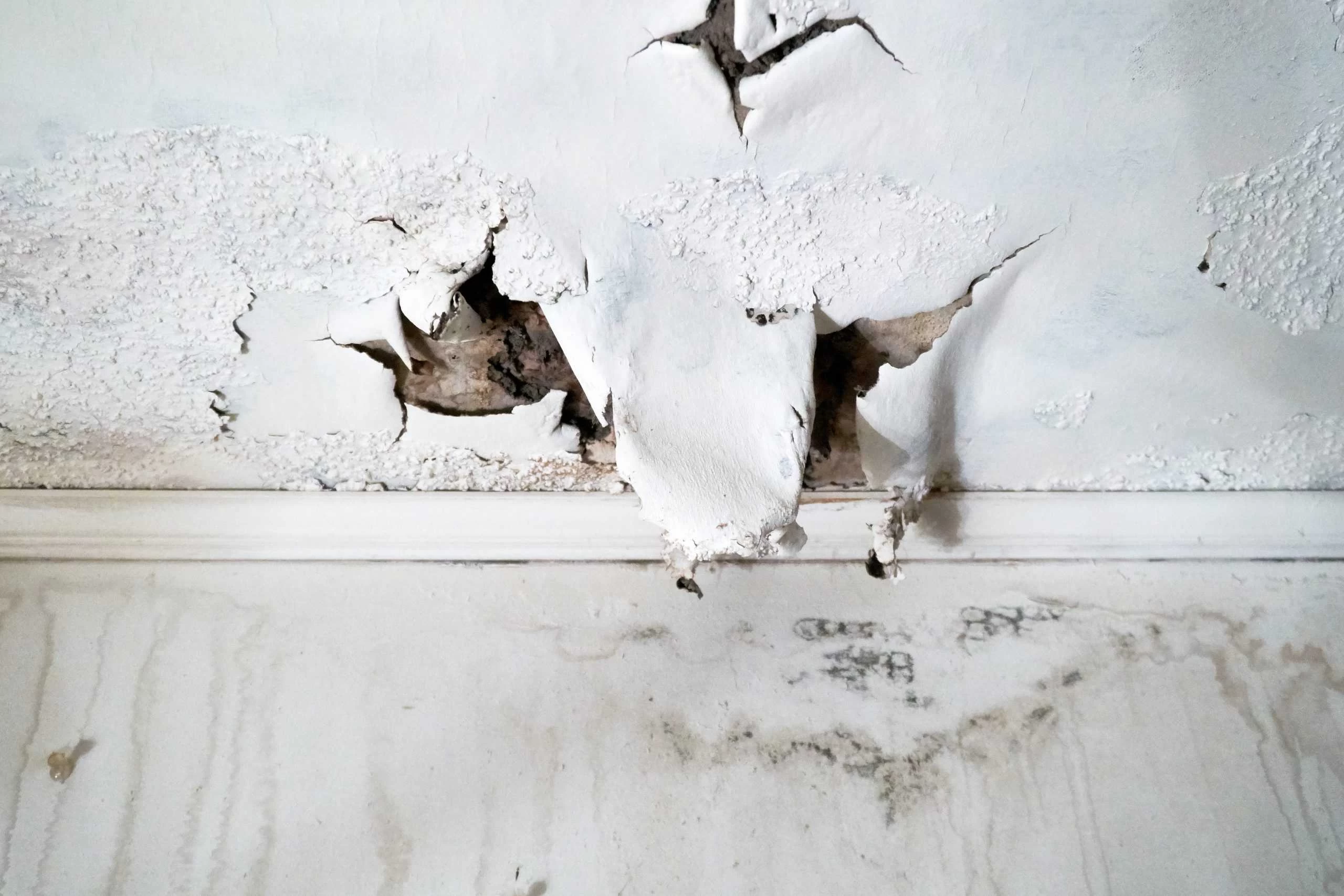
Once water stops flowing, the real assessment begins. This isn’t a casual walk-through. We use moisture meters to measure water content in your walls, floors, and ceilings. Thermal imaging cameras detect temperature differences that reveal hidden moisture you can’t see. That wet spot on your basement wall might extend three feet up inside the drywall cavity. Your hardwood floor might look damp on the surface while gallons of water sit trapped underneath.
This assessment determines the scope of work and provides the documentation your insurance company needs. Most homeowners insurance policies in Nassau and Suffolk County cover burst pipe damage if it’s sudden and accidental—which this is. We photograph everything, measure moisture levels, and create detailed reports that support your insurance claim from day one. You’re not fighting with adjusters three weeks later trying to prove what happened.
Industrial Water Extraction: Why Your Shop Vac Isn't Enough
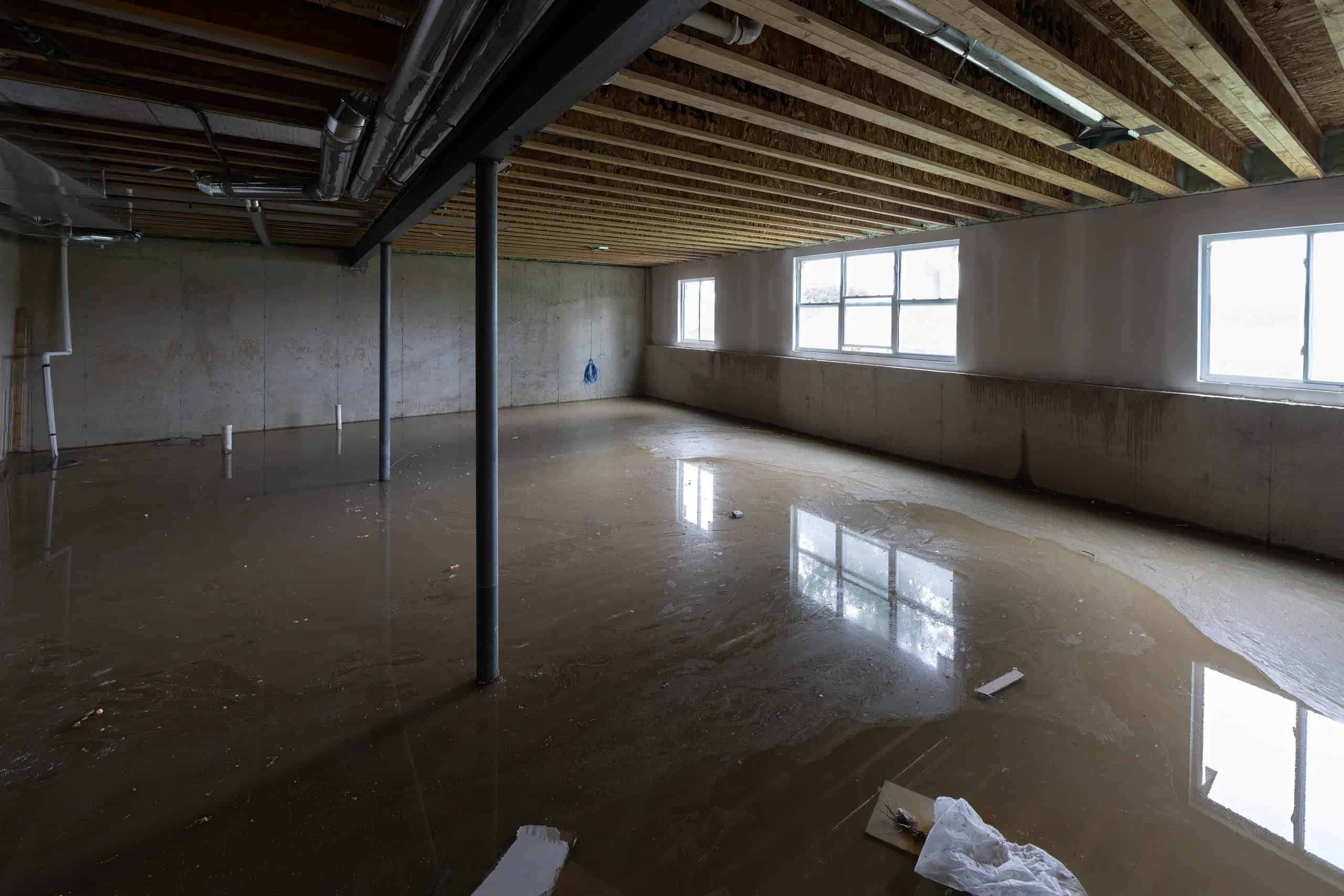
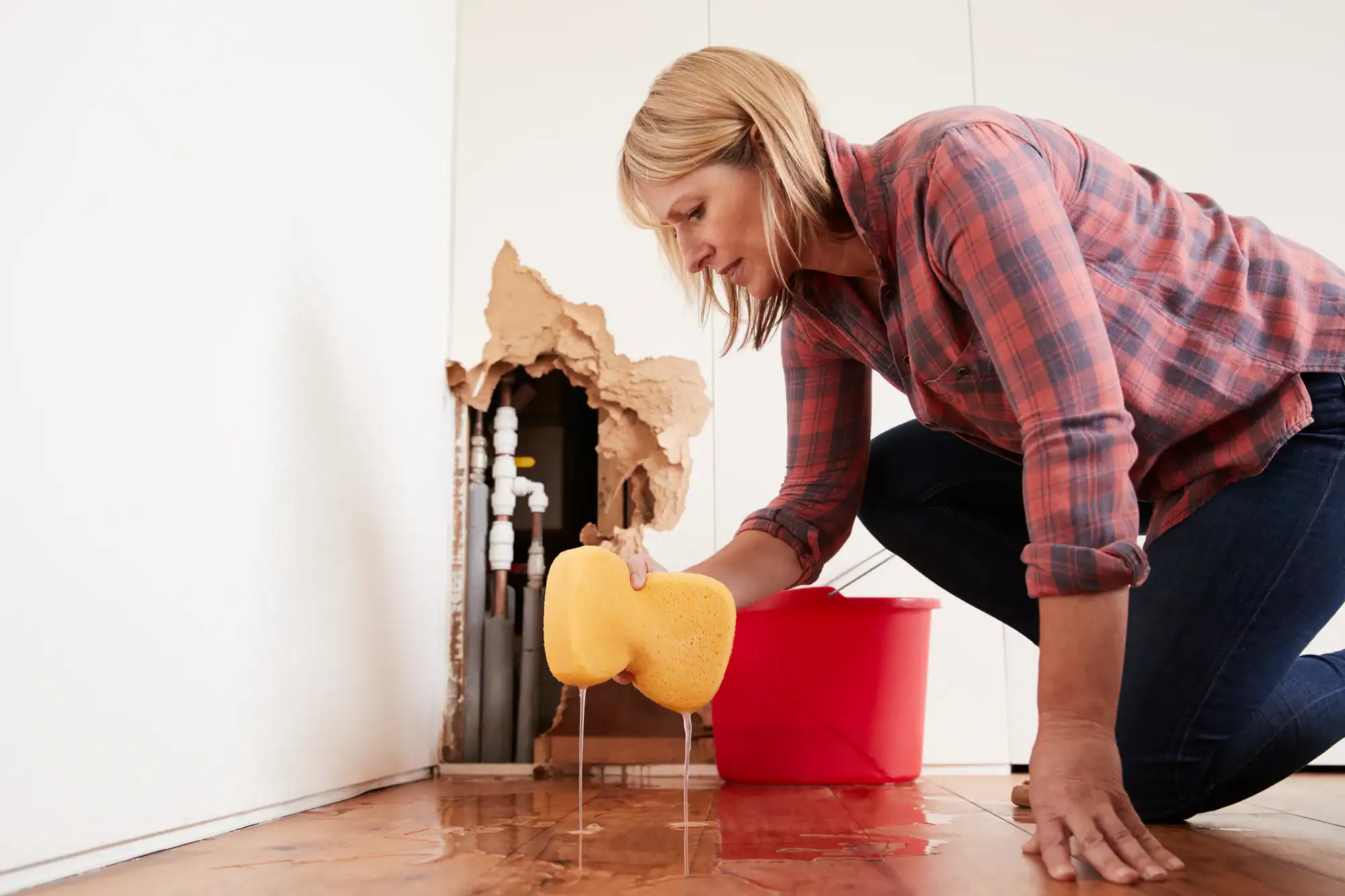
Standing water is obvious. The water soaked into your drywall, insulation, subflooring, and wall cavities—that’s the real threat. DIY water extraction with a shop vacuum might get the puddles off your floor, but it can’t touch the moisture that penetrated porous materials. Three weeks later, you’re dealing with mold growth and wondering what went wrong.
Industrial extraction equipment removes water at a completely different scale. Our truck-mounted extractors can pull thousands of gallons per hour. Portable extractors target specific areas like under cabinets, in closets, or between walls. These machines create powerful suction that pulls moisture out of carpet padding, concrete, and wood that a consumer-grade vacuum can’t reach.
The extraction phase happens fast but systematically. We work through affected areas with different tools for different materials. Carpet extractors remove water from carpet and padding before it damages the subfloor. Hardwood floor drying mats pull moisture from between boards without having to rip up your entire floor. Wall cavity drying equipment removes water trapped inside walls without demolishing drywall unnecessarily.
Every gallon removed during extraction is moisture that doesn’t need to be evaporated during the drying phase. This speeds up the overall timeline and reduces the risk of mold growth. Mold needs moisture and 24 to 48 hours to establish itself. Professional extraction gets most of the water out in the first few hours, giving you a head start on preventing mold before it becomes a problem.
Long Island homes present specific extraction challenges that we handle daily. High water tables in parts of Nassau County mean water can seep up through concrete basement floors even after the burst pipe is fixed. Older construction in communities like Hicksville or Westbury might have plaster walls that hold moisture differently than modern drywall. Coastal properties deal with salt air that complicates the drying process. Our technicians work in these conditions constantly and adjust extraction methods accordingly.
Structural Drying: The Phase That Prevents Mold and Hidden Damage
After visible water is removed, the real work begins. This is where professional water damage restoration separates itself from DIY attempts, and it’s why trying to handle burst pipe damage yourself often leads to mold problems that cost $10,000 to $15,000 to remediate six months later.
Structural drying isn’t about pointing fans at wet walls. It’s a calculated process based on psychrometry—the science of how air and moisture interact. We calculate exactly how many air movers and dehumidifiers your specific situation requires based on the size of affected areas, types of materials involved, outdoor humidity levels, and current moisture readings in your building materials.
Industrial dehumidifiers create a controlled environment that continuously pulls moisture out of materials and removes it from the air before it can settle somewhere else. As water evaporates from your drywall, flooring, and insulation, the dehumidifier captures it. Air movers positioned strategically throughout affected areas create airflow that accelerates evaporation. This process runs 24/7 until moisture levels in all materials return to safe, normal ranges.
Daily Monitoring: How We Know When Your Home Is Actually Dry
Here’s what catches most homeowners who try DIY water damage restoration: materials can feel dry on the surface while still holding enough moisture inside to support mold growth. You can’t tell when drywall is actually dry just by touching it. You need moisture meters that measure the water content inside the material, not just how it feels on the outside.
Our technicians return daily to check moisture levels in affected materials. We’re measuring specific readings in your drywall, subflooring, and structural elements, comparing those numbers to baseline levels for dry materials of that type. When readings show materials are still above acceptable moisture content, equipment stays in place and settings get adjusted. When readings confirm everything has reached safe dryness levels, equipment comes out.
This monitoring process typically takes three to five days for most residential burst pipe situations in Nassau and Suffolk County, though it varies based on extent of damage and materials involved. The timeline depends on actual moisture readings, not arbitrary schedules. Rushing this phase to save a day or two of equipment rental costs you thousands later when mold starts growing in wall cavities you thought were dry.
Mold prevention happens throughout the drying process, not after. We apply antimicrobial treatments to affected areas to prevent mold spores from taking hold during the drying phase. This is especially critical in Long Island’s humid climate where mold establishes itself faster than inland areas. The high humidity levels in summer months and salt air from coastal areas create perfect conditions for rapid mold growth. Working in Nassau and Suffolk County daily, we understand these specific risks and adjust our mold prevention strategies accordingly.
Data loggers track temperature and humidity levels around the clock, even when our technicians aren’t on-site. This continuous monitoring ensures drying conditions stay optimal 24/7. If humidity spikes overnight or a dehumidifier stops working, the system alerts us so we can respond before the problem sets back your drying timeline. You don’t get this level of monitoring with fans and a consumer dehumidifier from the hardware store.
Reconstruction: Bringing Your Home Back to Pre-Damage Condition
Once everything is completely dry and safe, reconstruction begins. This phase restores your home to its condition before the burst pipe—or better. Depending on what got damaged, this might involve drywall replacement, flooring repair, cabinet restoration, baseboard replacement, or repainting affected areas.
We handle this entire reconstruction process, which means you’re not coordinating between a water damage company, a plumber, a drywall contractor, a flooring specialist, and a painter. We manage all the work, which means faster completion, better communication, and results that look seamless. Everyone’s working from the same plan, on the same timeline, toward the same goal of making your home whole again.
The reconstruction phase also addresses underlying issues that contributed to the burst pipe. If aging plumbing caused the problem, we might recommend replacing additional sections of pipe to prevent future failures. If inadequate insulation in an exterior wall let pipes freeze, that gets corrected during reconstruction. If high water pressure stressed your plumbing system, a pressure regulator might get installed. The goal isn’t just fixing what broke—it’s preventing it from happening again.
Insurance companies appreciate this comprehensive approach because it provides complete documentation of the entire process. We work directly with insurance carriers throughout the restoration, providing detailed reports, photos, and moisture logs that support your claim. This documentation shows exactly what was damaged, what got replaced, why each step was necessary, and proof that everything was dried completely before reconstruction began. Insurance adjusters see this level of detail and understand they’re working with professionals who did the job correctly, which typically means smoother claims approval and faster payment.
For homeowners in communities like Levittown, Massapequa, or Garden City where homes were built in the 1940s and 1950s, reconstruction sometimes reveals other issues that need attention. Original plumbing might be nearing the end of its lifespan. Asbestos-containing materials might need proper handling. Electrical systems might not meet current codes. We identify these issues and can address them during reconstruction, saving you from another emergency down the road.
The final result should make the burst pipe emergency feel like it never happened. Walls match existing texture and paint color. Flooring integrates seamlessly with surrounding areas. Everything functions properly and safely. You’re not living with visible reminders of the disaster, and you’re not wondering if hidden problems are developing behind closed walls.
Why Professional Burst Pipe Repair Protects Your Home and Investment
Burst pipe repair involves more complexity than most Nassau and Suffolk County homeowners realize until they’re standing in water at 2 AM. The difference between a manageable $2,000 situation and a $15,000 disaster often comes down to response time, proper equipment, and systematic processes that address hidden moisture before it causes secondary damage.
DIY attempts might seem like they save money initially, but they frequently lead to mold growth, structural damage, and repair costs that dwarf what professional water damage restoration would have cost. You can’t see the moisture trapped in your wall cavities. You can’t measure when materials are actually dry versus just surface dry. You don’t have industrial dehumidifiers that create the conditions needed for complete drying in three to five days instead of three to five weeks.
Understanding the complete burst pipe repair process—from emergency response through final reconstruction—helps you make confident decisions when water is actively damaging your home. You’re not just paying someone to dry out your basement. You’re paying for industrial equipment that removes hidden moisture, expertise that prevents mold within the critical 24-48 hour window, systematic monitoring that ensures complete drying, and comprehensive restoration that addresses both immediate damage and underlying causes.
When a pipe bursts in your Nassau County, NY or Suffolk County, NY home, we provide the complete response Long Island homeowners need. From 24/7 emergency availability through final reconstruction, you’re working with professionals who understand the specific challenges Long Island properties face and have the equipment and experience to handle them correctly the first time.