Summary:
Most people don’t think about hiring a demolition contractor until something forces the issue — a flooded basement, mold behind the walls, fire damage, or a renovation that’s bigger than expected. By the time you’re searching, you’re already stressed, and the last thing you need is to hire the wrong person and make it worse.
Nassau County has its own set of rules, its own housing quirks, and its own regulatory requirements that out-of-area contractors simply don’t know. This guide covers what actually matters when choosing a demolition contractor here — so you can make a confident decision and get back to normal faster.
What Nassau County Homeowners Should Know Before Hiring a Demolition Contractor
The average home in Nassau County is about 73 years old. That’s not a fun trivia fact — it’s a warning. Homes built before 1980 commonly contain asbestos in floor tiles, pipe insulation, ceiling materials, and textured coatings. Homes built before 1978 are presumed to have lead-based paint. When you open walls or tear out flooring in a house that old, what’s inside matters as much as what you’re removing.
A general demolition contractor can swing a sledgehammer. What they often can’t do — legally — is handle asbestos-containing materials if they find them mid-project. That means a stopped job, a scramble to find a certified abatement company, and weeks of delay you didn’t plan for. In Nassau County, where median home values sit around $800,000, that kind of disruption carries real financial weight.
Licensing, Insurance, and Permits: What Nassau County Actually Requires
Before any demolition begins in Nassau County, the contractor needs to pull permits from the Nassau County Building Department — you can reach them directly at (516) 227-9715. But the permit process here is more layered than most homeowners realize. Nassau County contains three towns: the Town of Hempstead, the Town of North Hempstead, and the Town of Oyster Bay. Each has its own permit requirements stacked on top of the county’s, and some incorporated villages add yet another layer. A contractor who’s only worked in the city or out on the East End may not know any of this until it becomes your problem.
There’s also a requirement that’s unique to Nassau County and catches a lot of people off guard: a rodent-free certification is required before demolition can proceed on any residential, commercial, or industrial property. It’s not optional, and it’s not something you can handle yourself after the fact. Your contractor needs to know this going in.
Beyond permits, Nassau County requires proof of both liability insurance and workers’ compensation before any permit is issued. This matters more than most homeowners think. If an uninsured worker gets hurt on your property, you can be held personally liable for their medical costs. Asking for proof of both insurance types before you sign anything isn’t being difficult — it’s protecting yourself.
As of December 30, 2024, New York State also requires contractors working on certain projects to register with the NYS Department of Labor before performing any work. This is a newer requirement that some smaller operators haven’t addressed. It’s worth asking directly whether a contractor is NYSDOL-registered before you move forward.
The short version: licensing, insurance, and permits in Nassau County aren’t a formality. They’re a real filter that separates contractors who know what they’re doing from those who are figuring it out on your dime.
Why Restoration-Context Demolition Is Different From Standard Teardown Work
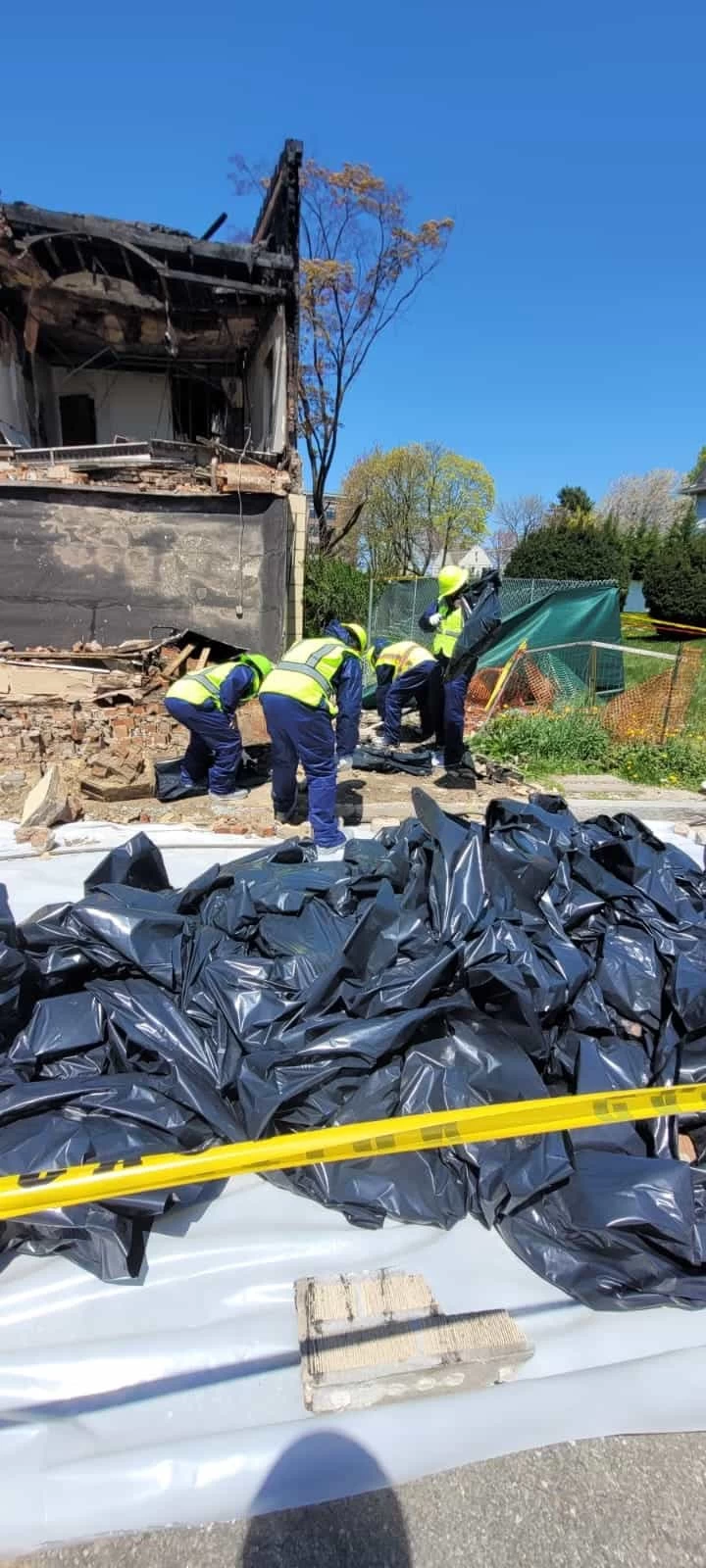
There’s a meaningful difference between demolition as a standalone service and demolition as part of a restoration project. When you’re tearing down a structure to build something new, the process is relatively straightforward. But when demolition is triggered by water damage, mold, or fire, the work is more complex — and the stakes are higher.
In restoration situations, the goal isn’t just removal. It’s identifying exactly what’s damaged, what’s salvageable, and what needs to come out to stop further deterioration. Selective demolition — removing only the affected sections of drywall, flooring, or framing — requires a contractor who understands building systems, moisture patterns, and what mold looks like when it’s been growing inside a wall cavity for months. A crew that treats every job like a full teardown will remove more than necessary, add cost, and potentially disturb materials that didn’t need to be touched.
This is especially relevant in Nassau County’s south shore communities. Long Beach, Oceanside, Island Park, and Freeport took serious hits from Superstorm Sandy in 2012, and many of those properties have been through one or more rounds of restoration work since. Some are now showing second-generation issues — mold returning in areas that weren’t fully dried the first time, or structural damage that was patched rather than properly remediated. If your home has any Sandy history, that context matters when you’re hiring a contractor today.
We work specifically at the intersection of demolition and restoration. When we open a wall and find mold, we don’t stop and hand you a referral — we handle it. When asbestos turns up in a 1955 kitchen floor, we have certified abatement capability in-house. That single-contractor model isn’t just more convenient; it’s faster, more accountable, and often less expensive than coordinating between multiple companies who each have their own timeline.
Mold Removal Cost in Nassau County: What to Expect
One of the first questions people ask when they find mold is how much it’s going to cost to fix. The honest answer is that it depends significantly on where the mold is, how far it’s spread, and what type of mold you’re dealing with. But there are real numbers to work with, and understanding the range helps you evaluate quotes and avoid being either overcharged or under-serviced.
In New York, mold remediation costs run 25 to 40 percent above national averages. The state average lands around $7,975, though the full range stretches from roughly $2,175 on the low end to over $43,000 for extensive infestations involving structural framing, HVAC systems, or multiple areas of the home. Nassau County’s labor rates — typically $150 to $200 per hour — reflect the metro market, so budget accordingly.
Attic Mold Remediation Cost: Why It's Often More Than People Expect
Attic mold is one of the most common findings in Nassau County’s older homes, and it’s frequently discovered during pre-sale inspections or after a roof leak. The cost for attic mold remediation typically runs between $1,800 and $8,000 for a standard-sized home, though severely affected attics — where mold has spread across sheathing, rafters, and insulation — can push past $10,000.
What drives attic costs up is access and scope. Attics in older Nassau County homes are often cramped, poorly ventilated, and insulated with materials that absorb moisture readily. When mold gets into the insulation and the wood sheathing beneath it, the remediation process involves removing the insulation, treating the structural wood, and replacing everything properly. That’s not a quick job, and cutting corners on it tends to result in mold returning within a year or two.
The mold abatement cost also depends on whether the source of moisture has been addressed. If the roof leak or ventilation problem that caused the mold hasn’t been fixed, remediation is temporary. A qualified contractor will identify the moisture source as part of the assessment — not just treat the visible mold and move on. This is where experience matters: someone who has worked in Nassau County attics for over a decade knows what to look for and where the recurring problems tend to originate.
For black mold specifically — Stachybotrys chartarum — the black mold removal cost runs higher because of the additional containment and handling requirements. Lab testing alone adds $75 to $125 per sample, and the remediation process requires double-layer containment and special waste disposal protocols. If a contractor quotes you a black mold job without mentioning lab testing or containment, that’s a red flag worth taking seriously.
Basement and Crawl Space Mold Remediation: The Hidden Costs Below Grade
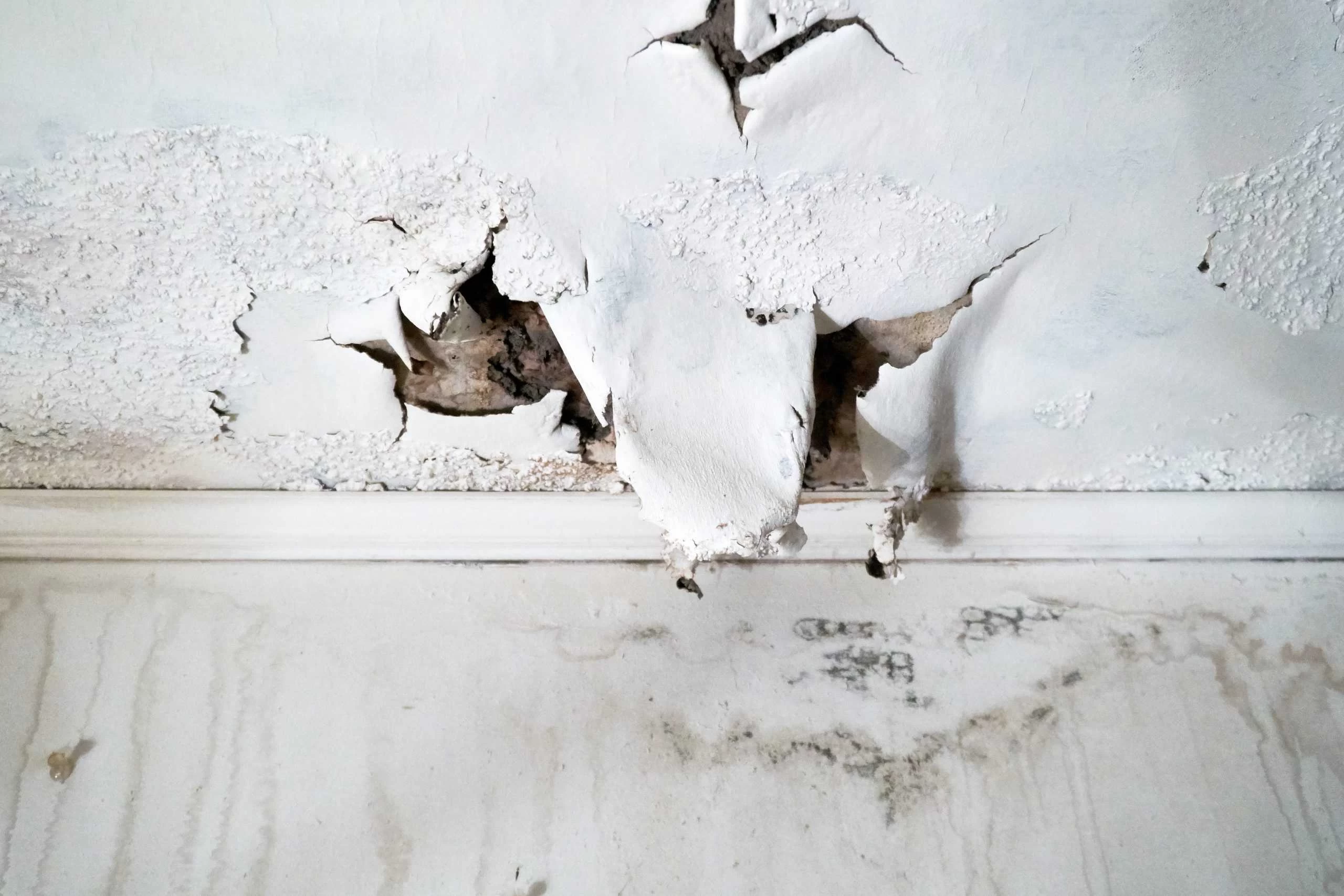
Basement mold remediation and crawl space mold remediation are two of the most common services we handle in Nassau County, and they’re also two of the most misunderstood. Homeowners often assume a visible patch of mold on a basement wall is the whole problem. It rarely is. By the time mold is visible on a finished surface, it’s typically been growing behind it for weeks or months.
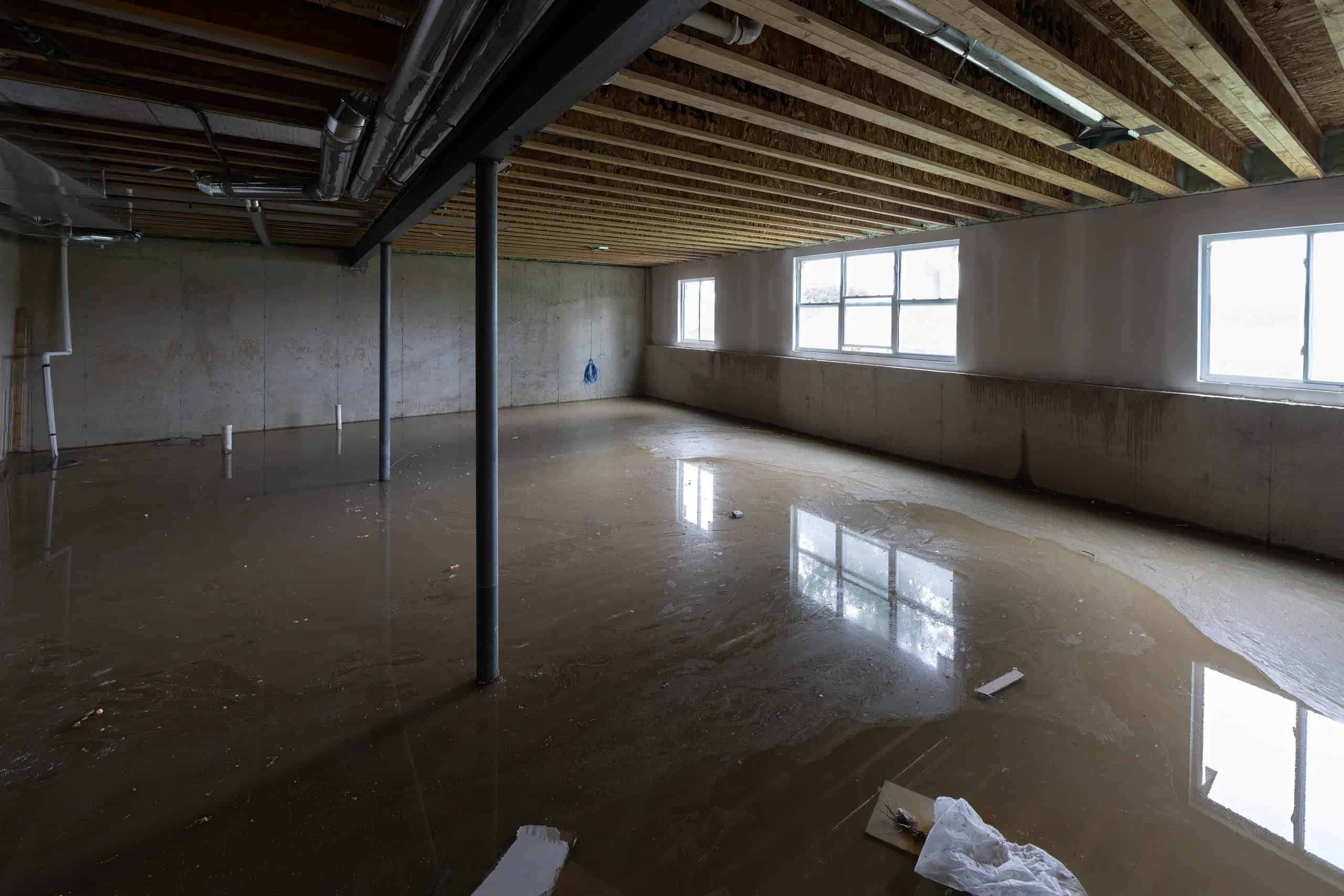
In Nassau County’s older housing stock, basements and crawl spaces are particularly vulnerable. Many homes in communities like Freeport, Valley Stream, and Hempstead have basements that have taken on water at some point — whether from storm surge, groundwater intrusion, or aging drainage systems. Once moisture finds its way in repeatedly, mold follows. The mold in crawl space removal process involves more than spraying a surface treatment: it requires containment to prevent spores from spreading to the living areas above, removal of affected materials, treatment of structural components, and post-remediation clearance testing to confirm the space is actually clean.
Crawl spaces add their own challenges. They’re tight, often poorly ventilated, and in Nassau County’s coastal climate, they hold humidity year-round. Mold in a crawl space can affect the subfloor and floor joists above it — which means selective demolition of flooring may be part of the remediation process, not an add-on. Understanding that connection upfront prevents the frustrating situation where a homeowner hires a mold company, gets a clearance certificate, and then finds out the flooring above needs to come out anyway.
The mold treatment cost for below-grade spaces varies based on square footage, material type, and how far the growth has spread into structural components. New York State requires a licensed mold remediation contractor for all professional mold removal work — unlicensed mold remediation is illegal in this state and can void insurance claims. That’s not a technicality; it’s a real financial risk worth understanding before you hire anyone.
How to Find the Right Demolition Contractor in Nassau County, NY
The right demolition contractor for a Nassau County home isn’t just someone with a truck and a crew. It’s someone who understands the local permit process, knows what’s inside a 1950s wall before they open it, carries the right insurance, and can handle what they find — whether that’s asbestos, mold, or structural damage that goes deeper than expected.
Ask for proof of licensing and insurance before anything else. Confirm they understand Nassau County’s rodent-free certification requirement and the multi-layer permit process. If your home is older, ask directly about asbestos testing — it should be standard, not an upsell. And if you’re dealing with mold or water damage alongside the demolition, look for a contractor who can handle both, because splitting the work between two companies almost always costs more time and money than it saves.
We’ve been handling demolition and restoration work across Nassau County for over 12 years. If you’re trying to figure out the right next step, we’re a straightforward phone call away.
—
**Can a large demolition company handle a smaller residential project in Nassau County?** Yes — and in Nassau County, it’s often the better choice. Larger, established contractors have the licensing, insurance, and regulatory knowledge that smaller or newer operators may lack. Nassau County’s permit process, rodent-free certification requirement, and multi-town regulatory structure can trip up contractors who don’t have local experience. A company with a track record of residential work in Nassau County — not just commercial or NYC projects — will navigate that process without making it your problem.
**What is a mold remediation certificate of completion, and do I need one?** A mold remediation certificate of completion is a documented record that confirms professional mold removal was performed and that post-remediation clearance testing showed acceptable air quality results. In Nassau County and across New York State, this document matters in two specific situations: insurance claims and property sales. If your remediation was triggered by a covered loss, your insurer will likely require documentation of the completed work. If you’re selling the home, buyers and their inspectors will ask. Without a certificate, you’re essentially asking someone to take your word for it — which most won’t.
**What are specialized demolition services, and when do I need them?** Specialized demolition services go beyond standard teardown work. They include selective interior demolition for restoration projects, asbestos abatement during demolition, chimney demolition, structural removal in occupied buildings, and emergency demolition following storm or fire damage. You need specialized services any time the scope involves hazardous materials, structural complexity, or a situation where removing the wrong thing creates a bigger problem than the one you started with. In Nassau County, where most homes are over 70 years old and coastal weather creates real emergency scenarios, specialized demolition capability isn’t a niche offering — it’s what the work actually requires.