Summary:
Immediate Safety Steps After Fire or Storm Damage
Your safety and your family’s safety should be the top priority. Evacuate the premises and call emergency services if necessary. Don’t re-enter your home until fire officials give you clearance.
Assess whether it’s safe to stay in the house, follow guidance from first responders, and watch for electrical hazards and debris. Even after the flames are out, structural damage can make your home dangerous to enter.
Just because the fire is out doesn’t make it safe. Damage to the structure may cause collapse, and soot, dust, and smoke are dangerous when inhaled. Water used to put out flames contains toxic substances.
What to Document for Insurance Before Cleanup Begins
The first thing you should do once the fire department leaves is thoroughly document the damage. Take pictures and video of the damage throughout your home and create an inventory of personal items damaged by fire or smoke. Document as much damage as possible to provide proof to your insurance adjuster.
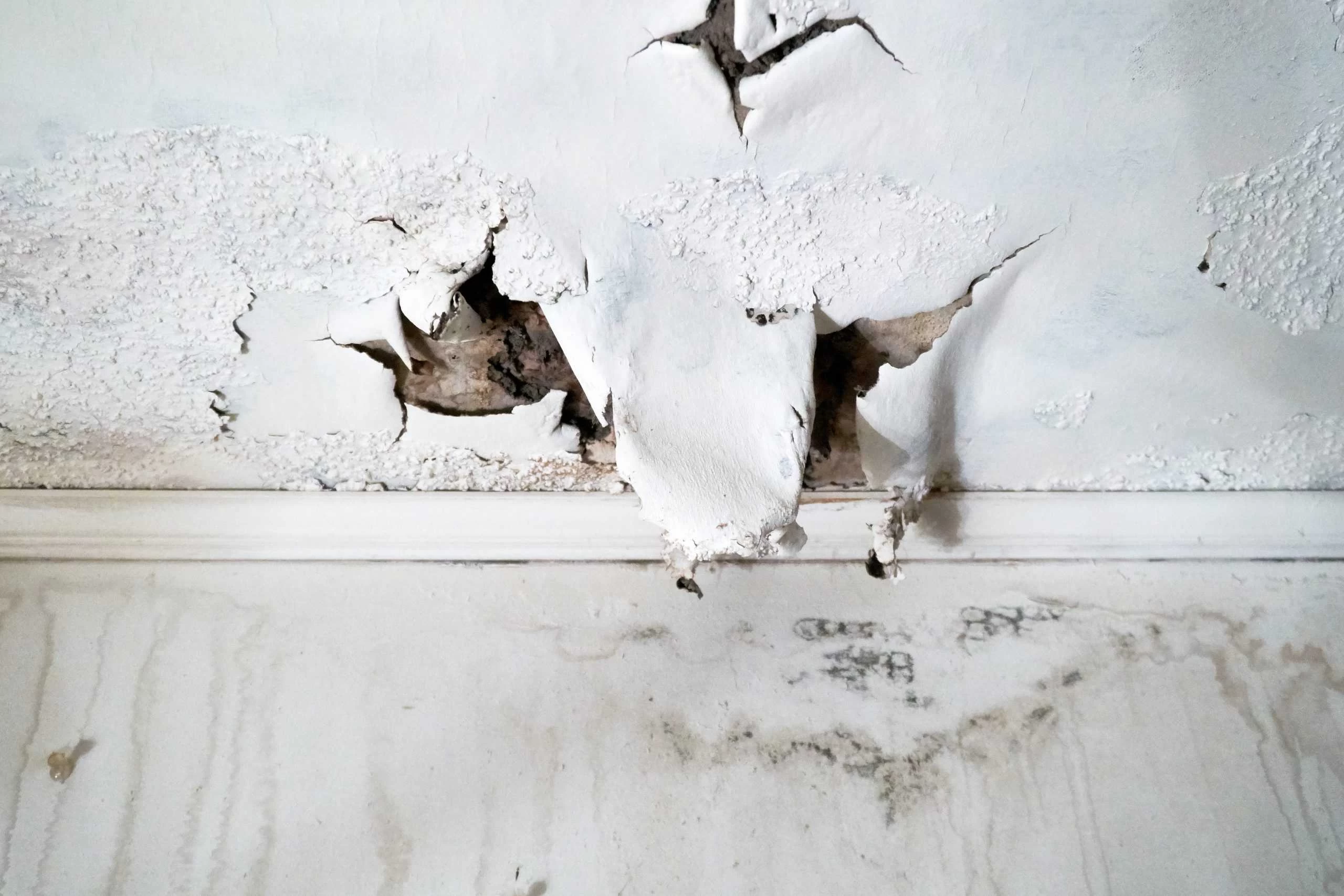
Take clear photographs and videos of damaged areas, capturing different angles to provide a comprehensive view of the extent of damage. Make detailed notes describing the damages alongside visual evidence. Don’t just focus on obvious fire damage – look for signs of damage in potential water damage from firefighting efforts, smoke damage beyond the fire’s immediate area, and soot damage that can affect air quality.
Create a list of damaged items, including their estimated value and purchase date. This will be vital in determining the compensation amount. If you have receipts for damaged items, gather them immediately. If you’ve created a contents list for home insurance claims, now is the perfect time to use it.
Start by taking extensive photos and videos including wide shots of entire rooms for an overall view and close-ups of specific damages to capture details. The more thorough your documentation, the smoother your insurance claim process will be.
Securing Your Property to Prevent Further Damage
After documenting damage, secure the property to make sure thieves or vandals don’t cause more damage. If fire damage was contained to the kitchen, board up any damage that could cause more destruction, such as a burned hole that can allow rain to seep in or burglars to easily get inside.
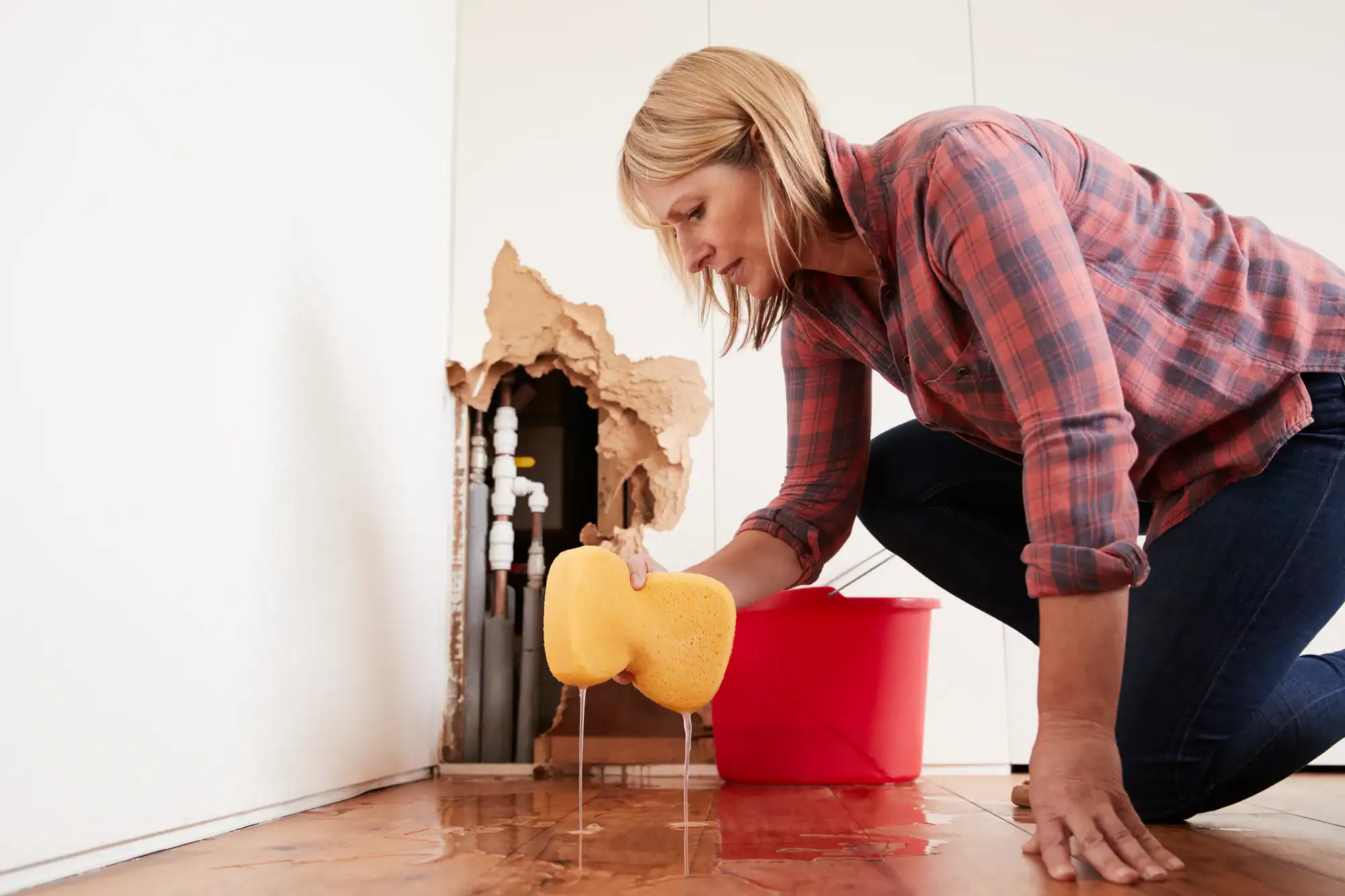
You should mitigate damage caused by the fire by taking reasonable steps to minimize risk of further harm to your property, such as turning off water, stopping any smoldering with fire department assistance, and placing barriers around your house to prevent vandalism while vacant.
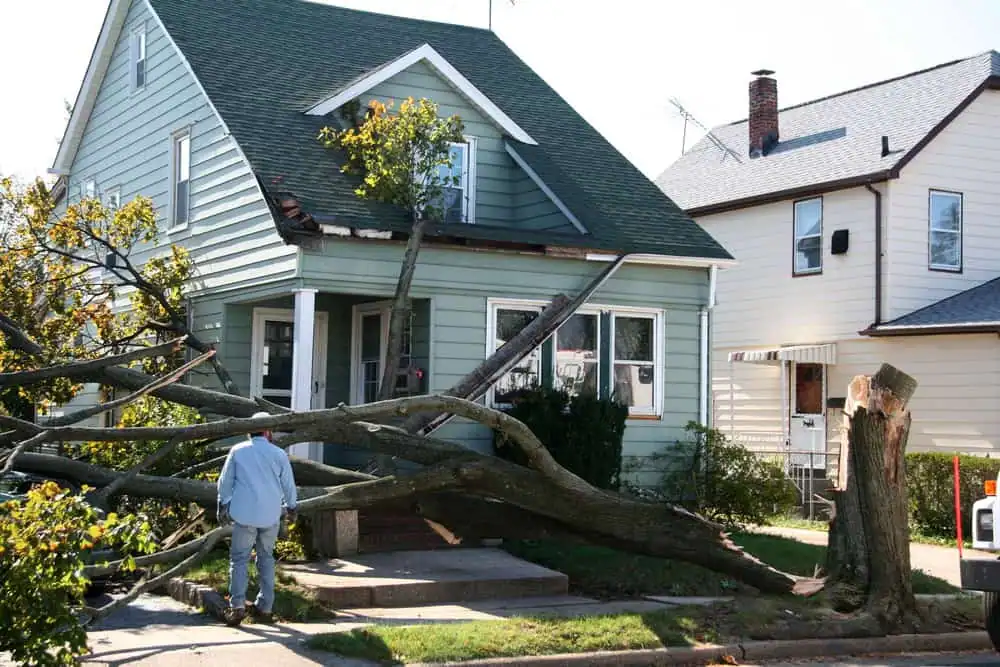
Once assessment is complete, securing your property and preventing further damage is next. Fires often leave homes vulnerable with broken windows, damaged roofs, or wall holes. To prevent weather damage, vandalism, or animal intrusion, restoration teams will board up windows and doors and place tarps over roof openings.
If your home is unstable after fire, restoration professionals can secure and stabilize it with board-up services and roof tarping. The goal is to secure your home and prevent additional damage as the insurance claim process plays out. Your insurance company should cover costs of these initial services, so keep detailed records of expenses.
We provide emergency board-up services while you focus on insurance claims and family needs. These immediate protective measures often mean the difference between manageable repairs and total reconstruction.
How Professional Fire Damage Restoration Works
Every fire damage event is different and requires a unique solution, but the general process stays the same. Professional fire damage restoration involves much more than cleaning up visible damage.
The first step is a comprehensive assessment by a professional restoration team. After ensuring the property is safe to enter, experts evaluate the extent of damage caused by both fire and firefighting efforts. This inspection includes assessing structural integrity, checking for smoke and water damage, and identifying areas needing immediate attention.
We carefully inspect and test adjoining rooms to determine the extent of fire, smoke, and soot damage. This step is crucial to developing a plan of action.
Smoke Damage Cleanup and Air Quality Restoration
Fire leaves behind more than just visible damage. Smoke and soot damage can penetrate walls, ceilings, and even HVAC systems, leaving lingering odors and potential health hazards. This is where professional expertise becomes essential.
We use specialized equipment and techniques to remove smoke and soot from ceilings, walls, and other surfaces. We clean all restorable items and structures damaged by fire using various cleaning techniques to restore belongings to pre-fire condition. We’re also trained to remove odors using industrial air scrubbers and fogging equipment.
Our restoration teams focus on removing all traces of smoke and soot from the home. Specialized equipment like air scrubbers and ozone machines purify air and neutralize harmful particles that may have spread throughout the house during the fire. We use specialized techniques to clean all surfaces, from furniture and carpets to walls and ceilings, preventing smoke and soot from causing permanent discoloration or odors.
Smoke and soot can infiltrate a home’s HVAC system, causing malfunction. Cleaning ducts early in the smoke smell removal process is essential to prevent the HVAC system from recontaminating cleaned areas. This requires specialized equipment and techniques that we provide.
The restoration process in Nassau County and Suffolk County often reveals damage you can’t see. We have thermal imaging cameras and other advanced tools to detect hidden problems that could cause issues later if not addressed properly.
Insurance Claims Process and What to Expect
Contact your insurance provider to report the incident as soon as possible. This early communication will initiate the claims process and guide you on necessary steps and documentation required by your insurer. Your insurance company will send a claims adjuster to your property within 15 days to inspect damage and estimate repairs. By law, your insurance company must react to your claim within a reasonable time. If they accept your claim, they must give you money within 5 business days.
When your insurance adjuster comes to look at your property, make sure you’re home to meet them. You know your home better than anyone, especially having recently dealt with fire damage, so you can walk them through and show places and things that were damaged they may not have seen. Document everything you’re going over with the adjuster.
Most homeowners and business insurance policies cover fire damage restoration to some extent. We can help you navigate the insurance claims process and work directly with your insurance company to ensure you receive maximum coverage you’re entitled to.
We will share our estimate with your insurance adjuster and negotiate on your behalf so your insurance payout is maximized and accurate. We work closely with insurance adjusters and share detailed estimates for all necessary repairs. Once finalized, we perform all necessary repairs for the agreed final insurance payout, eliminating virtually all out-of-pocket expenses for clients.
Working with experienced Long Island restoration experts means you have advocates who understand both the restoration process and insurance requirements. We handle the paperwork while you focus on your family and getting back to normal life.
Getting Your Nassau County Home Back to Normal
Fire and storm damage recovery doesn’t have to be a battle you fight alone. The key is acting quickly on safety, documenting everything for insurance, and working with experienced professionals who understand both the restoration process and insurance requirements.
The first 24 to 48 hours after fire and smoke damage are the “golden hours” of recovery. An effective emergency response quickly stabilizes the facility and ensures recovery of as much property as possible. Professional restoration teams have the equipment, expertise, and insurance relationships to guide you through every step.
When you’re ready to move forward with confidence, we have the experience and local knowledge to restore your Nassau County or Suffolk County property to its pre-loss condition while handling insurance complexities on your behalf.