Summary:
You’re planning a renovation—maybe a kitchen overhaul, a bathroom gut, or a basement conversion—and you’ve started getting quotes. One contractor calls it “interior demolition.” Another says “selective demolition.” A third uses both terms in the same sentence. Now you’re not sure if they’re describing the same thing, or if you’re being quoted for two completely different scopes of work.
This isn’t just a terminology problem. It’s a budget problem. Knowing the difference before you commit to a contractor can save you thousands and prevent your project from going sideways. Here’s what you actually need to know.
What Interior Demolition Services Actually Involve
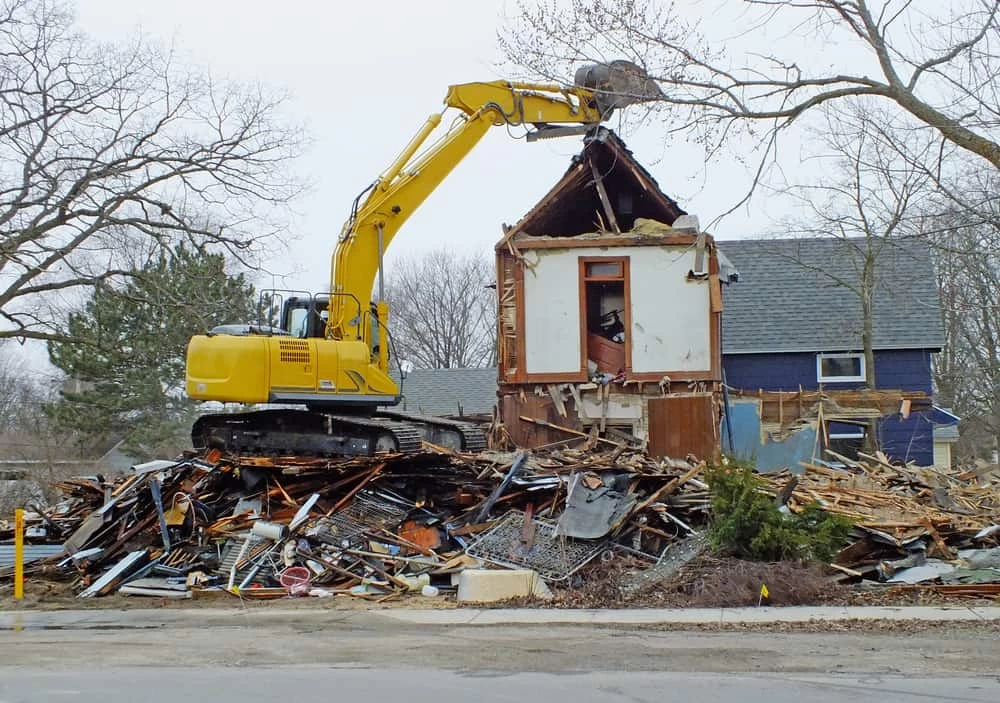
Interior demolition means removing everything inside a space down to the structural bones—walls stripped to the studs, flooring torn out, ceilings opened up, fixtures and cabinetry gone. It’s a full gut. The shell of the building stays, but everything inside it comes out.
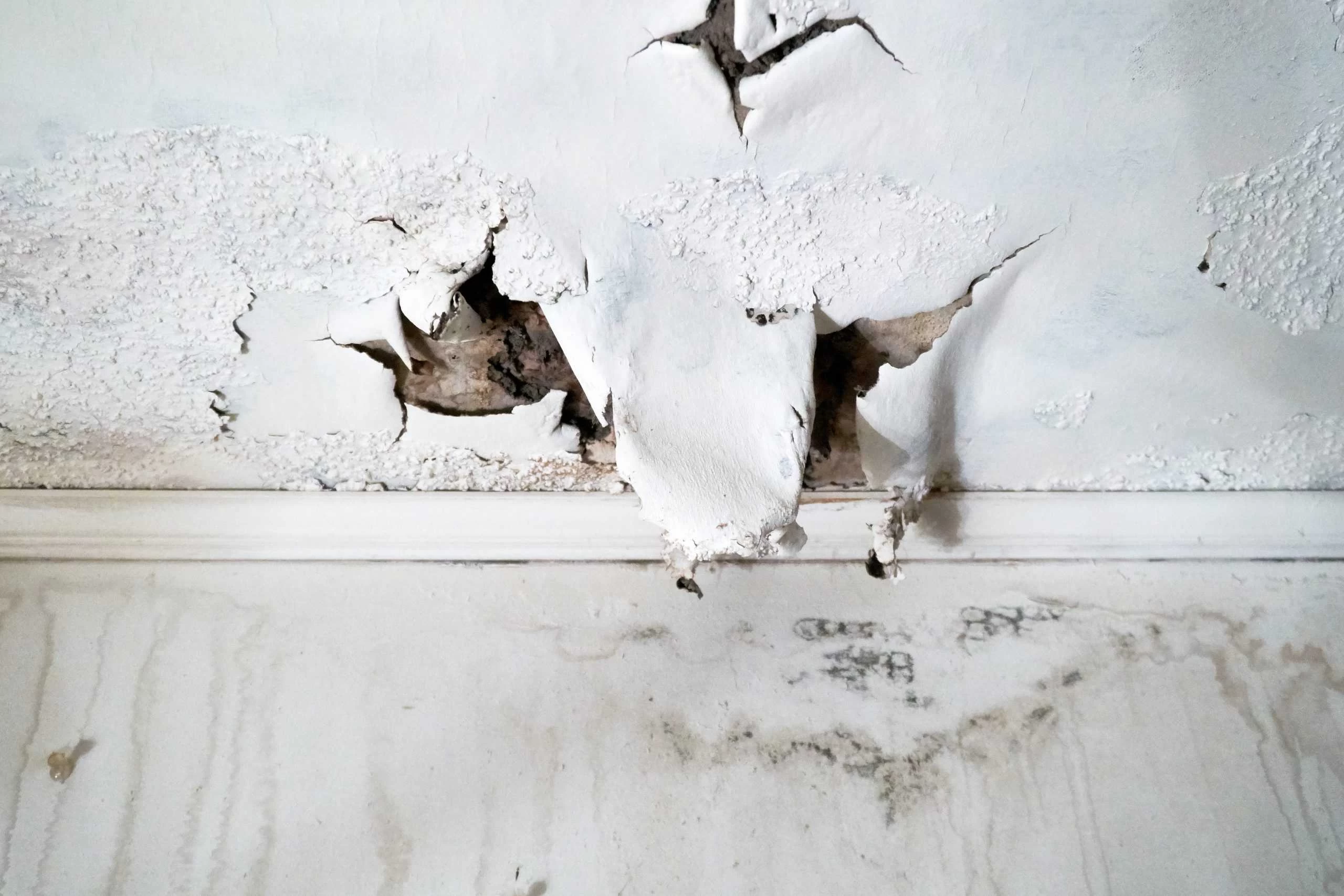
This is the right call when a space is being completely reimagined, when damage is widespread, or when hazardous materials like asbestos or mold are pervasive enough that a targeted approach isn’t practical. It’s also common in older homes where the existing layout simply doesn’t work and a full reset makes more sense than trying to work around it.
What it isn’t is the automatic answer to every renovation. A lot of homeowners end up with a full gut quote when their project didn’t actually require one—and that’s a problem worth understanding before you sign anything.
Why Interior Demolition Companies Matter in Nassau County
Nassau County’s housing stock is old. The average single-family home in the county is about 73 years old, which means the overwhelming majority of homes here were built before 1978—the federal threshold for mandatory lead paint disclosure—and before asbestos-containing materials were phased out of residential construction. Floor tiles, pipe insulation, ceiling texture, and joint compound from that era routinely contain asbestos. It was standard building practice at the time.
Here’s why that matters when you’re hiring for interior demolition services: New York State law requires an asbestos investigation before demolition work begins on any structure where hazardous materials may be present. A general contractor without asbestos abatement certification is legally prohibited from disturbing those materials. If they start demo and encounter suspect materials—which, in a Levittown cape or a Hempstead colonial built in the 1950s, is a near certainty—they have to stop. The project goes on hold while they bring in a third-party abatement company, and you absorb the delay and the added cost at emergency rates.
An interior demolition company that holds a valid NYS Asbestos Handling Certificate can handle the investigation and the abatement in-house, as part of the same project scope. No stoppage. No subcontractor scramble. No surprise invoice three weeks in.
We include a hazardous materials assessment at the start of every demolition project—not as an add-on, but as a standard part of how we work. For a Nassau County home built before 1980, this isn’t optional caution. It’s the only responsible way to start a demo job.
What Happens During a Full Interior Demolition Project
The physical demolition is actually the last step in a carefully planned process, not the first. Before any walls come down, a legitimate interior demolition scope involves pulling the required permits from Nassau County’s Department of Buildings, coordinating utility disconnections, completing the hazardous materials survey, and establishing dust containment barriers to protect any adjacent spaces that aren’t part of the work zone.
Once the prep work is done, our demo crew works systematically—not randomly. Fixtures and cabinetry come out first, then flooring, then drywall, then any materials identified in the hazardous materials assessment. Debris is segregated as it’s removed: recyclable materials go one direction, hazardous waste goes another, general construction debris goes another. Co-mingling everything in a single dumpster isn’t just sloppy—it creates disposal compliance problems.
After the space is cleared, it gets inspected before any rebuild work begins. Load-bearing elements are confirmed intact. Any remediation work—mold, asbestos, water damage—is completed and cleared before framing or finishing starts.
This is the process when it’s done correctly. When a contractor skips steps—no permit, no hazmat survey, no containment—the savings on the front end tend to show up as problems on the back end. In Nassau County’s older housing stock, cutting corners on a pre-demolition assessment isn’t a calculated risk. It’s a liability.
Bathroom Demolition Services and When Selective Demo Is the Right Choice
Selective demolition is targeted removal. Instead of gutting an entire space, a selective demolition scope identifies exactly what needs to come out—a specific wall, a bathroom’s tile and fixtures, a kitchen’s cabinetry and subfloor—and removes only that, leaving everything else intact.
For most single-room renovation projects, this is the appropriate scope. It costs less, generates less debris, and takes less time than a full gut. It also puts less stress on the surrounding structure, which matters in Nassau County’s semi-attached and attached homes where a shared wall isn’t just a construction detail—it’s a legal boundary.
Wall Demolition Contractors: Precision Work in Attached Homes
The defining discipline of selective demolition is precision. A crew removing a single non-load-bearing wall in a Great Neck Tudor or opening up a kitchen in a Massapequa ranch needs to work cleanly—protecting adjacent finishes, existing plumbing and electrical, and any structural elements that aren’t part of the scope. This isn’t just about aesthetics. Damaging a load-bearing element during a wall removal, or nicking a live electrical line because the demo crew moved too fast, creates problems that cost far more to fix than the original demo saved.
Good selective demolition work involves the same pre-project steps as a full gut: permits, hazmat assessment, containment. What changes is the physical footprint. Dust barriers go up to protect the rooms on either side of the work zone. Tools shift from heavy equipment to precision instruments. The pace is more deliberate.
For Nassau County homeowners dealing with semi-attached houses—a common configuration throughout communities like Elmont, Valley Stream, and Floral Park—selective demolition isn’t just preferable. It’s often the only viable option. You cannot swing a sledgehammer in a shared-wall situation without a detailed plan for what’s staying and what’s going. A crew that doesn’t understand that distinction before they start is a crew that shouldn’t be in your house.
When the scope is a bathroom gut, a kitchen strip-out, or a single-room renovation, selective demolition is almost always the right call. It accomplishes the same goal as a full interior demolition in that specific space—everything targeted comes out cleanly—without the added cost, debris volume, and project timeline of a whole-floor gut.
How to Know Which Scope Your Project Actually Needs
The honest answer depends on the scope of your renovation and the condition of the existing materials. A few questions help clarify it quickly.
If you’re renovating one room—a bathroom, a kitchen, one section of a basement—selective demolition is almost certainly sufficient. You don’t need to gut the whole floor to remodel a single bathroom. If a contractor is quoting full interior demolition for a single-room project without a clear explanation of why, that’s worth pushing back on.
If the damage is widespread—water intrusion that’s affected multiple rooms, fire damage that’s compromised large sections of the interior, or a mold situation that’s spread through walls and ceilings across the space—a full interior demolition may be the more practical path. Trying to selectively remove materials in a heavily damaged space can cost more in labor and time than simply clearing everything and starting fresh.
The other factor, especially in Nassau County, is the age and condition of the existing materials. If a pre-war home in Mineola or Garden City has original plaster walls, original subfloor, and original mechanical systems throughout, a selective demolition that preserves some of those materials may be doing you a disservice if they’re already at end of life. A contractor worth hiring will tell you that honestly—even if a full gut is a larger scope—rather than letting you discover it mid-project.
We approach every assessment the same way: look at what’s there, be straightforward about what needs to come out and why, and give you a scope that matches the actual project. If selective demolition is the right answer, that’s what we’ll tell you. If the condition of the space makes a full interior demolition the smarter move, we’ll explain why before any work starts—not after.
Choosing the Right Demolition Scope for Your Nassau County Home
Interior demolition and selective demolition are not interchangeable terms, and treating them that way is how renovation budgets get blown before the first nail goes in. Full interior demolition is the right tool for widespread damage, complete layout changes, or spaces where hazardous materials are pervasive. Selective demolition is the right tool for targeted renovations where the goal is precision removal, not a full reset.
For Nassau County homeowners, there’s a layer of complexity that doesn’t apply everywhere else: the age of the housing stock, the prevalence of pre-1978 hazardous materials, and the structural realities of attached and semi-attached homes all affect how a demolition project needs to be planned and executed. A contractor who doesn’t account for those factors upfront isn’t giving you a complete picture.
If you’re scoping a renovation project and want a straight answer about what you actually need—not the most expensive option, just the right one—Green Island Group is ready to take a look.