Summary:
If you’ve found mold in your home and you’re now trying to figure out who to call, the licensing question is probably the last thing on your mind. You’re thinking about cost, timing, and whether the problem is as bad as it looks. That’s fair. But in New York State, hiring the wrong contractor — meaning one who isn’t legally authorized to do this work — can void your insurance claim and leave you paying for the job twice.
This guide explains what the law actually requires, what to look for when comparing contractors, and why it matters especially if you’re a Nassau County homeowner.
Licensed Mold Remediation Contractor: What New York State Actually Requires
New York State’s Article 32 of the Labor Law, which took effect January 1, 2016, is one of the few statewide mold licensing laws in the country. It was passed directly in response to what happened after Superstorm Sandy, when thousands of Long Island homeowners hired contractors who had no formal training in mold removal and ended up with incomplete work, recurring mold, and in some cases, health consequences.
Under Article 32, any contractor performing mold remediation on an interior area of 10 square feet or more must hold a valid NYS Department of Labor Mold Remediation Contractor License. Not a general contractor license. Not an IICRC certification. A specific, state-issued mold remediation license. Without it, the contractor is operating illegally — and the NYS DOL has issued thousands of violations to contractors who assumed their existing credentials were enough.
Can a General Contractor Do Mold Remediation in New York?
This is one of the most common misconceptions we run into in Nassau County, and it costs homeowners real money. A general contractor license — even a Nassau County General Contractor license — does not authorize mold remediation work. The two licenses are entirely separate under New York law, and one does not substitute for the other.
A significant number of contractors performing mold-related work on Long Island are doing so under a general contractor license and either don’t know they’re operating outside the law or are hoping you won’t ask. The NYS DOL has documented this pattern extensively since Article 32 took effect. One Long Island contractor who thought his general contractor credentials covered mold work faced a $10,000 fine, was barred from performing mold remediation until licensed, and was sued for re-remediation costs and damages after a homeowner complaint triggered a DOL inspection.
If a contractor performs mold remediation without the proper Article 32 license, your insurance carrier may deny the claim on the grounds that the work was performed outside of legal compliance. That means you’d be paying out of pocket — not just for the original job, but potentially for a second remediation by a licensed contractor to correct what the first one missed or left behind.
The way to verify any contractor’s licensing status is straightforward. The NYS DOL maintains a public Licensed Mold Contractors Search Tool on its website. You can look up any contractor by name before you agree to anything. We encourage you to do exactly that — including looking us up. Our NYS DOL Mold Remediation Contractor License is verifiable, displayed at every job site as required by law, and has been active throughout our 12 years of operation in New York State.
The Two-Company Rule: Why One Contractor Can't Assess and Remediate Your Mold
Article 32 includes a provision that surprises most homeowners when they hear it: the company that inspects and assesses your mold problem cannot be the same company that performs the remediation. These must be two separate, unaffiliated licensed entities.
The reason for this rule is straightforward. If a single company both identifies the problem and gets paid to fix it, there’s an obvious financial incentive to exaggerate the scope. The law was written to eliminate that conflict of interest entirely. Before any remediation can begin on a project of 10 square feet or more, a licensed NYS Mold Assessor must inspect the affected area and produce a written work plan specifying exactly what the remediation contractor is authorized to do. The remediator cannot deviate from that plan without assessor approval.
If a contractor offers to inspect your home and immediately start removing mold in the same visit, under the same contract, something is wrong. Either they’re operating outside Article 32, or they’re not explaining the process accurately. Either way, it’s a red flag.
The three-step process under Article 32 looks like this: a licensed mold assessor evaluates the affected area and produces a written remediation plan; a separately licensed mold remediation contractor carries out the work according to that plan; and then the original assessor returns to perform a post-remediation clearance inspection to confirm the work was completed correctly. The remediator cannot self-certify that the job is done. An independent assessment is required before the project is considered closed.
For Nassau County homeowners dealing with insurance claims — which is a large portion of the calls we receive, particularly after flooding on the south shore — this documentation chain matters enormously. Insurance carriers that cover mold remediation expect Article 32 compliance. Without it, coverage can be denied.
Certified Mold Remediation Contractor: What Credentials Actually Signal Quality
The NYS DOL license is the legal floor — the minimum required to work legally in New York. But it doesn’t tell you everything about a contractor’s capability. There are additional credentials worth understanding when you’re comparing companies, because not all licensed contractors bring the same level of training or equipment to a job.
The IICRC — the Institute of Inspection Cleaning and Restoration Certification — is the industry’s independent credentialing body. Their Applied Microbial Remediation Technician designation, known as the IICRC AMRT, is the specific certification for mold remediation work and is recognized by insurance companies as a marker of professional competency. A contractor who holds both the NYS DOL license and IICRC certification has met two separate sets of standards: one legal, one professional.
Certified Mold Remediation Company: What to Look for Beyond the License
Licensing and certification tell you a contractor is qualified. The rest of what you’re evaluating is whether they’re equipped and experienced enough to handle your specific situation — and in Nassau County, that context matters more than most people realize.
Nassau County’s housing stock is predominantly mid-century construction. The median build year across the county’s 482,044 housing units sits in the mid-1950s, and a large proportion of homes built through the 1970s were constructed with bathroom exhaust fans vented directly into attic cavities rather than through the roof. That’s a code violation by today’s standards, and it’s been quietly generating attic mold in Cape Cods and Colonials throughout Levittown, Hicksville, Bethpage, Syosset, and Plainview for decades. Most homeowners don’t discover it until a home inspection or until they notice staining on an upstairs ceiling that doesn’t have an obvious source.
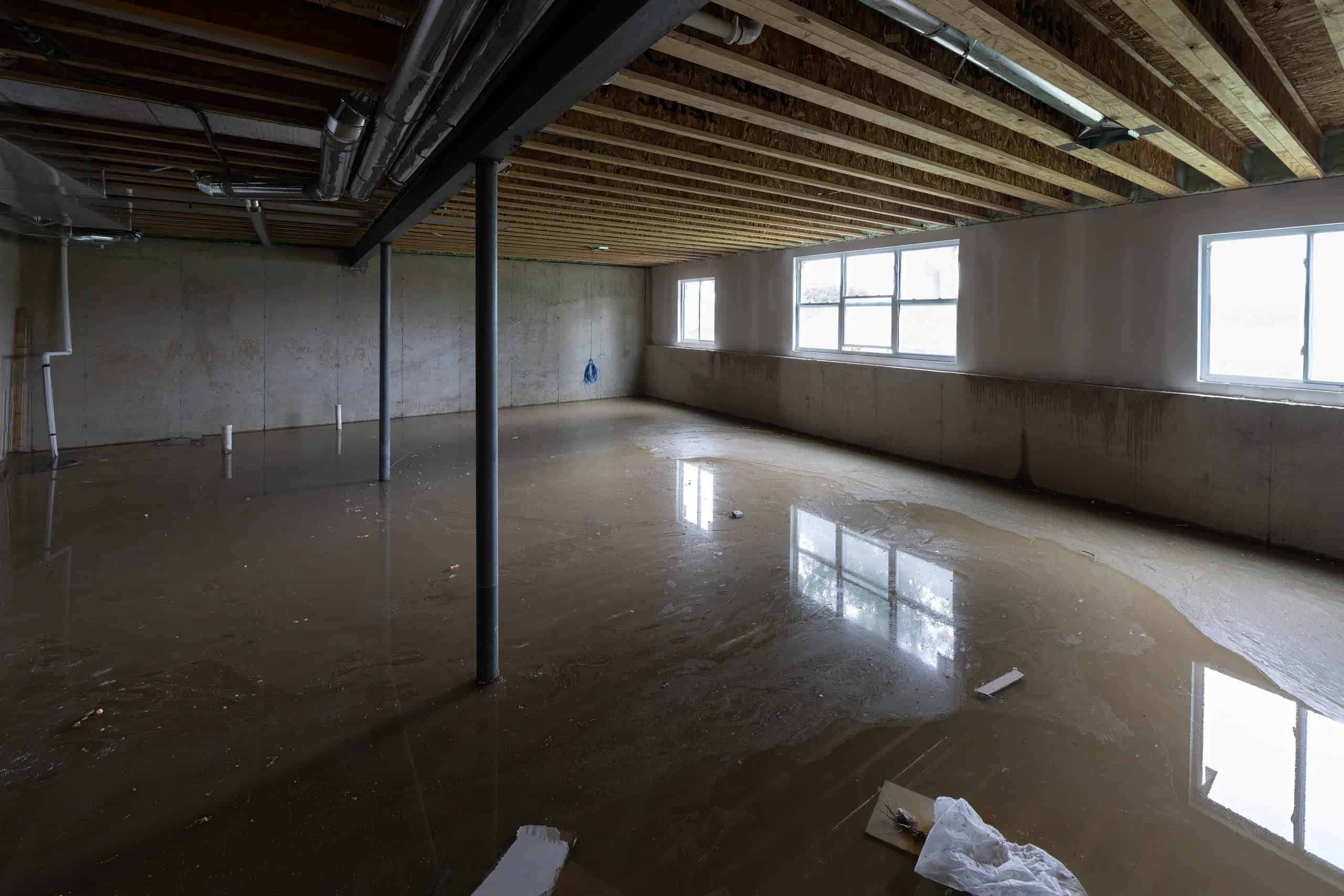
The south shore communities — Long Beach, Oceanside, Island Park, Freeport, Baldwin, Merrick, Bellmore, Wantagh, Seaford, and Massapequa — carry a different risk profile. Over 300,000 Nassau County residents live in flood zones, with much of the south shore carrying FEMA Zone AE and Zone VE designations. Sandy’s impact on these communities is still felt in some homes where foundation moisture and structural framing issues were never fully resolved.
Add Long Island’s high water table, its sandy and permeable soil, and summer humidity that averages 70 to 75 percent in July and August, and you have a county where mold isn’t just a post-flood emergency — it’s a chronic background condition in a lot of basements and crawl spaces.
A contractor who knows Nassau County knows these patterns. They’re not approaching your home with a generic remediation checklist. They’re accounting for the specific ways water moves through Long Island soil, the specific construction methods used in your neighborhood’s housing stock, and the specific documentation your insurance carrier will expect given where you live.
Reputable Mold Remediation Companies: Questions Worth Asking Before You Hire
When you’re comparing contractors, a few direct questions will tell you a lot quickly. Ask for the contractor’s NYS DOL Mold Remediation Contractor License number and look it up yourself using the DOL’s public search tool. Ask whether they carry at least $50,000 in liability insurance — that’s the minimum required under Article 32, and any licensed contractor should be able to confirm it without hesitation.
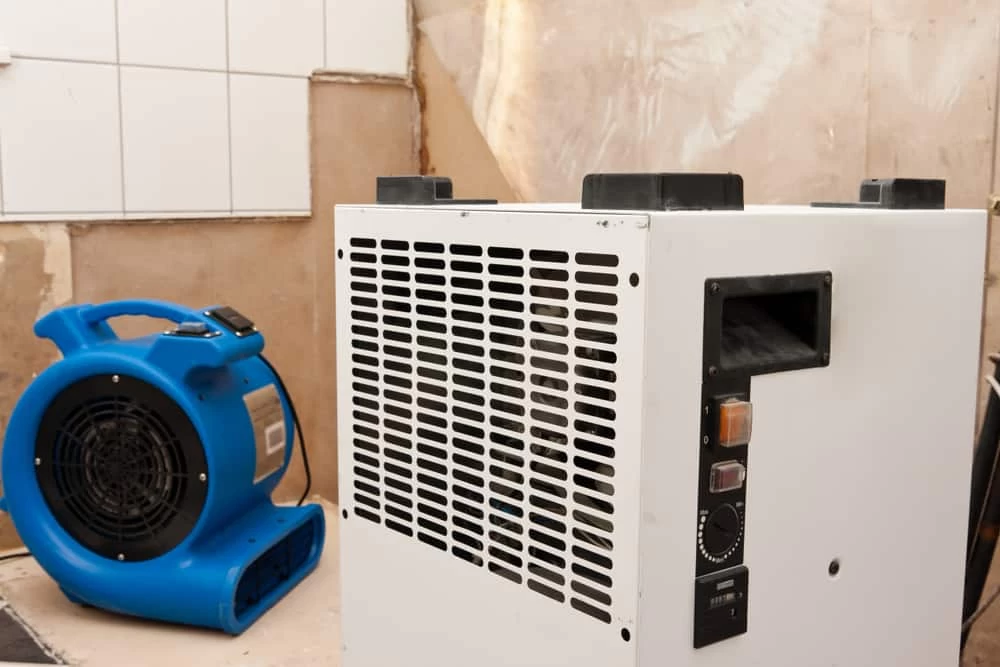
Ask how they handle the assessment and clearance process, and whether they work with a separate licensed assessor as the law requires. Ask about their equipment. Mold that’s visible to the eye is rarely all the mold that’s present. Thermal imaging cameras can detect moisture behind walls and under floors before it becomes a larger problem. HEPA air scrubbers maintain negative air pressure during removal to prevent spores from spreading to unaffected areas of the home. Commercial dehumidifiers pull moisture from wall cavities and subflooring, not just the air. These aren’t luxury add-ons — they’re the difference between remediation that holds and remediation that needs to be redone in 18 months.
Ask about insurance handling. If your mold problem is connected to a water damage event — a burst pipe, a sump pump failure during a nor’easter, flooding from a backed-up storm drain — there’s a good chance your homeowner’s insurance is involved. A contractor with direct insurance billing experience handles all the documentation, adjuster communication, and claim paperwork, which removes a significant burden at an already stressful time.
We hold the NYS DOL Mold Remediation Contractor License, the Nassau County General Contractor license, IICRC Water Damage certification, and NYS MBE/WBE certification. We work with a separate licensed assessor on every project as Article 32 requires. We handle insurance billing directly. And we respond 24 hours a day, seven days a week — because mold begins colonizing within 24 to 48 hours of a water event, and a contractor who can’t get there quickly isn’t giving you the same outcome as one who can.
How to Choose a Mold Contractor in Nassau County, NY
Verify the NYS DOL license before you agree to anything. Confirm the contractor understands the two-company rule and works within it. Ask enough questions to know whether they have real experience with Nassau County’s specific conditions — the south shore flood zones, the aging housing stock, the high water table, the insurance documentation requirements.
The licensing framework in New York exists because homeowners were being harmed by undertrained contractors after Sandy. It’s not bureaucratic overhead — it’s the minimum standard for work that, done wrong, can affect your family’s health and your home’s resale value.
If you’re at the point where you’re comparing contractors and you want to talk through what the process looks like for your specific situation, we’re available around the clock. No pressure, no vague estimates — just a straight conversation about what you’re dealing with and what it takes to fix it properly.